
Gifting a piece of history offers a tangible connection to a destination’s past, making a Singapore old coin an exceptional souvenir or gift for visitors. Unlike generic keepsakes, historical coins carry stories of trade, independence, and cultural evolution. Whether you are looking for a rustic token from the colonial era, a nostalgic piece from the early days of the republic, or a pristine commemorative issue, selecting the right coin requires balancing the recipient’s interests with proper preservation and presentation. By pairing these numismatic treasures with high-quality stationery and archival-safe packaging, you can transform a simple coin into a sophisticated, deeply personal gift that stands the test of time.
How to Choose the Right Old Singapore Coin for Gifting
Selecting the perfect Singapore old coin begins with understanding the recipient’s background and relationship to the region. A history enthusiast will likely appreciate the intricate designs and weathered charm of pre-independence coinage, which tells the story of early maritime trade. On the other hand, a casual tourist might prefer a visually striking commemorative coin that highlights iconic landmarks or cultural symbols. For family members or long-term residents with local roots, coins from the early years of independence evoke deep personal nostalgia and shared memories of a rapidly developing nation.
The physical condition of the coin is another critical factor that influences both your budget and the overall presentation of the gift. Numismatists categorize coins into various grades, ranging from heavily circulated pieces with a natural patina to pristine, uncirculated specimens. Circulated coins carry a rustic, authentic charm that appeals to those who love the tangible feel of history. Uncirculated coins, often preserved in their original mint packaging, offer a polished, flawless aesthetic that is highly suitable for formal gifting or professional presentations.
Products mentioned in this guide
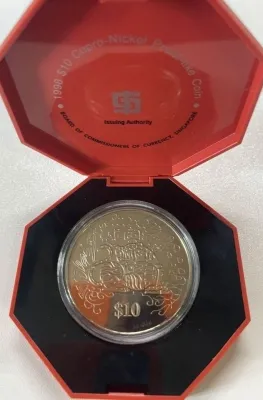
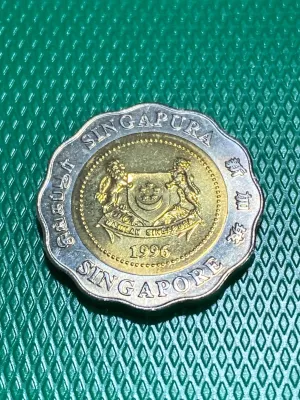

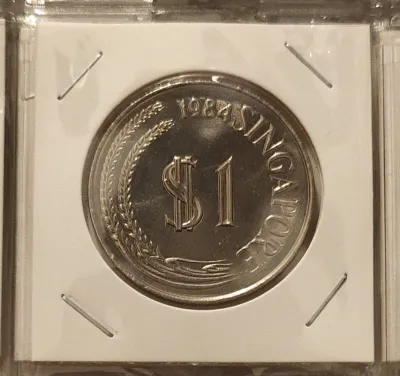
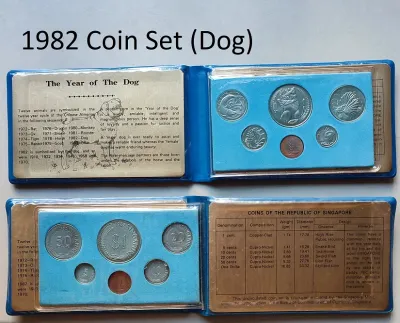
Prices are valid at publication and may change. Please refer to the product page for the latest price.
Finally, consider how the recipient is likely to display or store the coin. If they prefer a hands-on experience, a pocket piece or a coin housed in a simple, protective flip allows them to examine the details closely. For those who enjoy home or office decor, a coin suitable for framing or mounting in a shadow box is a better choice. Matching the coin’s physical state and historical narrative to the recipient’s lifestyle ensures that your gift becomes a cherished keepsake rather than a forgotten novelty.
Recommended Eras and Types of Old Singapore Coins
To narrow down your search, it helps to understand the three primary eras of coinage associated with Singapore’s rich heritage. Each era represents a distinct chapter in the island’s journey from a bustling colonial trading post to a modern global hub. By categorizing these coins, you can easily align their historical themes with the specific tastes of your recipient.

The first category comprises pre-independence colonial issues, which include coins from the Straits Settlements and the Malaya and British Borneo periods. The second category features the early republic circulation coins, specifically the iconic First Series introduced shortly after independence. The third category consists of modern commemorative and special issue coins, minted to celebrate significant national milestones, cultural festivals, and institutional achievements.
Straits Settlements and Malaya Era Coins
For recipients who are passionate about deep history and antique artifacts, coins from the Straits Settlements and the Malaya and British Borneo eras make incredibly compelling gifts. These coins date back to a time when Singapore was a vital hub of the British Empire’s trade routes in Southeast Asia. Carrying designs featuring British monarchs such as Queen Victoria, King Edward VII, King George V, or King George VI, these pieces serve as direct links to the nineteenth and early twentieth centuries.
Because these coins were used extensively in daily commerce, they are typically found in circulated condition. This wear and tear is not a drawback; instead, the soft edges, minor scratches, and deep grey or brown patina give each coin an undeniable sense of age and character. They are ideal for rustic or vintage-themed gift displays, perhaps paired with aged paper, calligraphy, or classic wooden boxes.
When selecting a colonial-era coin as a gift, look for pieces where the key details remain legible. Pay close attention to the clarity of the date and the visibility of the monarch’s profile, as these elements anchor the historical narrative of the coin. A legible mint mark or a distinct design feature, such as the square shape of certain historical cents, adds an extra layer of visual interest that makes the gift feel truly unique.
Early Republic and First Series Coins
If your recipient has personal ties to Singapore’s development—such as an older relative, a university alumnus, or a long-term resident—coins from the early years of the republic offer immense nostalgic value. Introduced in 1967, the First Series of Singapore coins (often referred to as the Marine Series or the flora and fauna series) marked the young nation’s financial sovereignty. These coins replaced the Malaya and British Borneo currency and became the everyday money used during Singapore’s rapid economic transformation.
The designs on these coins are highly artistic and celebrate the natural heritage of the region. The lower denominations feature local marine life, such as the seahorse on the 10-cent coin and the swordfish on the 20-cent coin, while others showcase local plants and birds. This focus on native flora and fauna makes them visually appealing even to those without a background in history, serving as an elegant representation of the island’s natural beauty.
Gifting a complete set of these first-generation coins, or a specific denomination from a meaningful year, is a wonderful way to spark conversations about the past. For older generations, holding these coins can bring back vivid memories of school days, early jobs, and the bustling street markets of yesteryear. Presenting them in a clean, organized layout highlights their design cohesion and elevates their status from loose change to a curated historical collection.
Commemorative and Special Issue Coins
For formal occasions, professional milestones, or recipients who appreciate flawless presentation, commemorative and special issue coins are the premier choice. The official mint has regularly issued these limited-edition coins to mark major national events, such as National Day milestones, the founding anniversaries of key institutions, and cultural celebrations like the lunar zodiac series. These coins function as beautiful time capsules, capturing a specific moment in Singapore’s modern history.
One of the primary advantages of gifting commemorative coins is their exceptional condition. Most of these issues are struck in proof or brilliant uncirculated quality, featuring mirror-like backgrounds and frosted details that highlight the artistry of the design. Furthermore, they are almost always housed in their original presentation cases, complete with certificates of authenticity, which simplifies the gift-wrapping process and ensures the coin remains protected.
To make the gift highly personal, try to match the theme of the commemorative coin to the recipient’s life. For example, a coin minted to celebrate a specific anniversary can align with a recipient’s graduation year, a wedding anniversary, or a career milestone. A coin from the lunar zodiac series makes a thoughtful birthday or Chinese New Year gift, tailored specifically to the recipient’s birth year and zodiac animal.
Where to Source Authentic Coins and Presentation Supplies
Acquiring authentic historical coins requires sourcing from reputable channels to ensure you are getting genuine pieces. Established numismatic dealers, physical coin shops, and official mint retail outlets are the safest places to purchase old Singapore coins. These professional sellers possess the expertise to verify the authenticity and grade of the coins, giving you peace of mind. While online marketplaces and general ecommerce platforms may offer a wide selection, they also carry a higher risk of counterfeit items or misrepresented conditions, making them less reliable for gift buyers.
Once you have secured an authentic coin, the next step is selecting the right stationery and presentation supplies to elevate the gift. Standard envelopes or plastic bags are unsuitable, as they can trap moisture or contain chemicals that damage the metal over time. Instead, opt for archival-safe accessories designed specifically for coin preservation. Acid-free cardboard coin flips with clear mylar windows are excellent for protecting the coin while keeping both sides visible. For a more premium presentation, hard plastic capsules offer robust physical protection and a sleek, modern look.
When selecting paper and cardstock for custom labels or backing cards, verify the material’s acid-free and lignin-free specifications. Standard paper can release acidic compounds over time, causing unsightly toning or corrosion on the coin’s metal surface. For writing the historical details, choose a high-quality fine-liner pen with pigment-based, water-resistant ink. It is essential to perform a quick smudge test on a scrap piece of the cardstock to verify the ink’s drying speed and bleed resistance. Ensure the ink is completely dry and cured before placing the card inside the same protective sleeve or display box as the coin, preventing any chemical transfer or moisture buildup.
To present the coin as a formal gift, consider placing the encapsulated coin inside a velvet-lined display box or a small wooden presentation case. These boxes not only protect the coin from physical impact but also create a sense of anticipation and prestige when the recipient opens the gift. When wrapping the package, choose high-quality, heavy-weight wrapping paper and secure it with acid-free adhesive tape. Including a small packet of silica gel inside the outer packaging can help absorb any ambient moisture, protecting the coin’s surface during transit or storage.
Tips for Presenting and Gifting Numismatic Souvenirs
The way you handle and present a historical coin plays a significant role in preserving its value and enhancing the recipient’s experience. Always handle raw coins by their edges to prevent the natural oils from your fingers from transferring to the metal surface, which can cause unsightly fingerprints or accelerate tarnishing over time. If you need to handle high-grade or uncirculated coins outside of their protective holders, wearing clean, lint-free cotton gloves is highly recommended.
To add a personal touch that transforms the coin into a meaningful story, create a custom provenance card or a handwritten note to accompany the gift. Use high-quality, acid-free cardstock and a fine-liner pen to write down the coin’s year of issue, its historical context, and why you chose it for the recipient. Explaining the significance of the design—such as the meaning of the orchid motif or the history of the Straits Settlements—helps the recipient appreciate the deeper value of the souvenir.
For recipients who would prefer to display their new treasure rather than store it away in a drawer, consider including a small desktop easel or a shadow box frame. A miniature acrylic easel allows the coin, housed safely in its plastic capsule, to stand upright on a desk, bookshelf, or mantelpiece. Alternatively, mounting the coin alongside your handwritten note inside a shallow shadow box creates a stunning piece of personalized wall art that keeps the history of Singapore on display for years to come.
Frequently Asked Questions (FAQ)
Is it legal to buy and gift old Singapore coins to foreigners?
Yes, it is entirely legal to purchase and gift standard circulated and commemorative Singapore coins to international visitors. These coins are considered personal property and do not fall under strict cultural heritage export bans that apply to ancient archaeological artifacts. However, if you are gifting high-value precious metal coins, such as gold or silver proof issues, it is wise to advise the recipient to check the customs and duty regulations of their home country. Some nations require travelers to declare precious metals or currency values above a certain threshold upon arrival.
How should I clean an old coin before giving it as a gift?
You should never clean, polish, or use harsh chemical solutions on an old coin before gifting it. Abrasive cleaning methods, such as scrubbing with baking soda or using metal polish, strip away the coin’s natural patina and leave microscopic scratches that permanently ruin its historical value and appeal to collectors. The aged look, known as toning or patina, is a highly desirable feature that proves the coin’s authenticity and age. Instead of trying to make an old coin look shiny and new, focus on presenting it beautifully in a clean, high-quality archival capsule or display box that highlights its natural, historic character.
Community discussion
Share your experience or ask a question. Comments are reviewed before publication.