
Finding the most suitable paper quality for your money saving book involves more than just picking an attractive cover. The ideal paper for budget tracking depends heavily on your choice of writing tools, how often you need to erase or correct figures, and the layout required for neat financial columns.
In Singapore’s humid climate, paper can also absorb ambient moisture, which affects ink drying times and structural integrity during erasing. To build a reliable, long-term financial log, you must look closely at paper weight, surface treatment, and binding styles before committing to a specific brand.
What Makes Good Paper for Budget Tracking?
When managing a money saving book, you are likely to write, calculate, and correct figures daily. This frequent use requires paper that can withstand constant contact without deteriorating.
Products mentioned in this guide
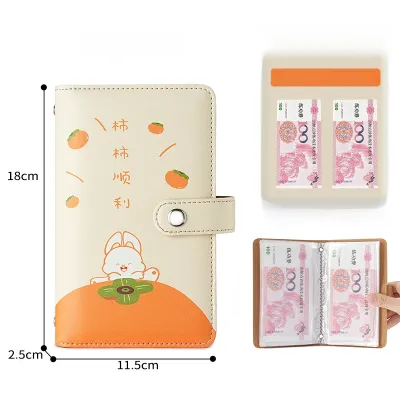
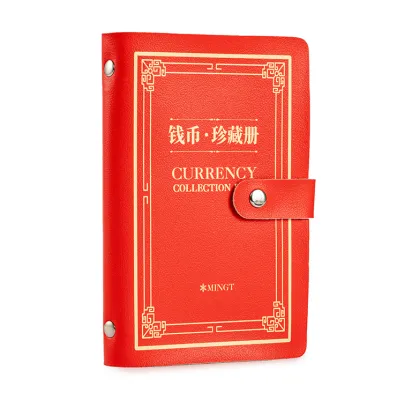
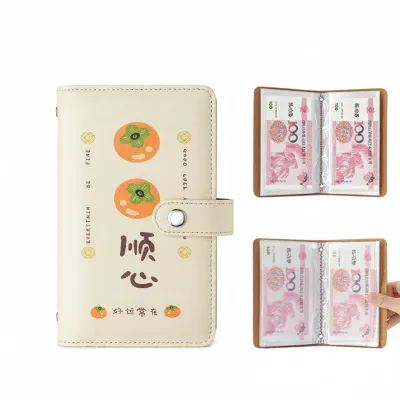
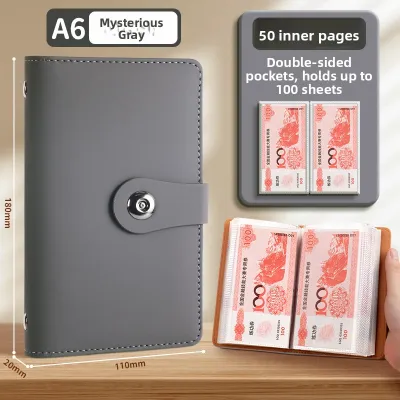
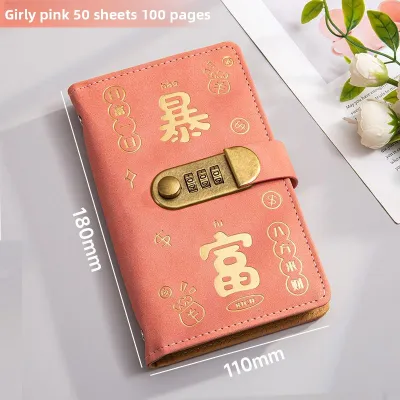
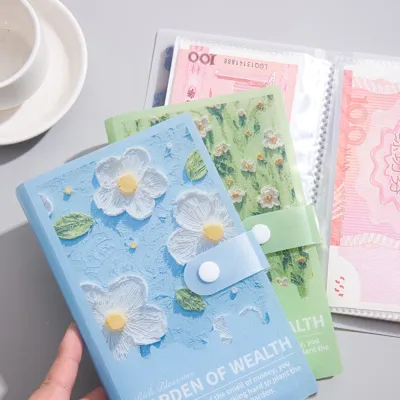
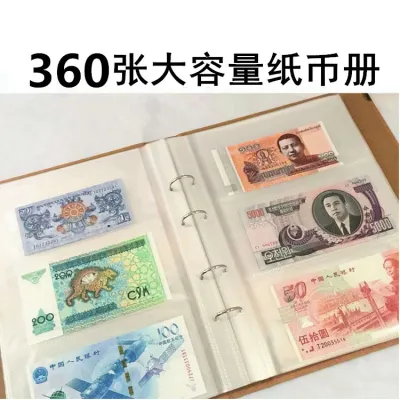
Prices are valid at publication and may change. Please refer to the product page for the latest price.
The first physical property to consider is paper weight, measured in grams per square meter (gsm). Standard office paper typically ranges from 70 gsm to 80 gsm, which is lightweight and prone to ghosting—where writing is visible on the reverse side of the page.
For financial logging, where you use both sides of a page to maximize space, paper weights between 80 gsm and 120 gsm are generally preferred. This thickness prevents ink from bleeding through to the next page, ensuring that your columns of numbers remain legible and uncluttered.
Beyond weight, the surface sizing of the paper plays a critical role in how it interacts with ink and erasers. Sizing refers to the chemical treatments applied during manufacturing to control the paper’s absorbency.
Highly sized paper resists rapid ink absorption, allowing gel pens and fountain pens to glide smoothly across the surface without feathering or spreading. This treatment keeps your handwriting sharp, which is essential when writing tiny decimal points and small figures in tight columns.
However, highly sized paper also requires a few extra seconds of drying time. This is an important consideration if you tend to close your notebook quickly after updating your expenses.
The texture of the paper, often described as its “tooth,” also affects your writing experience. A very smooth paper reduces friction, making it highly compatible with fine-tip gel pens and ballpoints.
Conversely, paper with a slight tooth provides subtle resistance, which is excellent for pencil users who appreciate tactile feedback. If you prefer using erasable gel pens for your budget tracking, a smooth, dense paper surface is vital.
The friction-based erasing mechanism generates localized heat to clear the ink. Paper with weak surface fibers or low sizing will quickly pill, tear, or warp under this repetitive friction.
Finally, the binding style of the notebook dictates how comfortably you can write across the pages. For long columns of numbers and monthly budget spreads, lay-flat binding is highly advantageous.
Thread-bound or section-sewn notebooks allow the pages to open completely flat, giving you full access to the inner margins without requiring you to hold the book down with one hand.
Spiral binding is another practical alternative, allowing you to fold the notebook back on itself to save desk space. However, the metal or plastic coils can sometimes interfere with your hand placement when writing near the center margin.
Comparing Popular Notebook Brands for Financial Logging
To help you select the right foundation for your money saving book, we can evaluate several widely available stationery brands based on their manufacturer-stated paper specifications and structural designs. These brands are commonly found in Singapore specialty bookstores and stationery shops, making them highly accessible for local planners.

| Brand & Series | Stated Paper Weight | Common Ruling Types | Binding Style | Key Structural Feature |
|---|---|---|---|---|
| Muji High Quality | 80 gsm – 85 gsm | Grid, Ruled, Plain | Thread-bound / Spiral | Minimalist design, smooth surface |
| Kokuyo Campus | 70 gsm – 100 gsm | Dotted Ruled, Grid | Glue-bound / Loose-leaf | Specialized paper textures (Sarasara/Shikiru) |
| Rhodia Webnotebook | 90 gsm | Grid, Dot, Ruled | Hardcover Thread-bound | High-sizing Clairefontaine paper |
| Leuchtturm1917 | 80 gsm – 120 gsm | Dot, Grid, Ruled | Thread-bound | Numbered pages and index system |
| Midori MD | ~80 gsm | Grid, Ruled, Frame | Exposed Thread-bound | Toothy texture, minimalist aesthetic |
Muji notebooks are highly favored for their minimalist aesthetic and accessibility. Their high-quality paper series typically features a smooth finish that handles standard ballpoint and gel pens well.
While the lighter plantation paper options may exhibit slight ghosting with heavy ink, the dedicated high-quality paper variants provide a reliable, budget-friendly surface for daily financial entries.
Kokuyo Campus notebooks utilize specialized paper designed to optimize the writing experience. Their “Sarasara” paper is exceptionally smooth, allowing pens to glide effortlessly, while their “Shikiru” paper offers a firmer texture for structured writing.
For budget tracking, Kokuyo’s dotted ruled and grid layouts are excellent for keeping numbers aligned. Their loose-leaf options also allow you to rearrange pages as your financial tracking system evolves.
Rhodia is famous for its smooth, high-grade Clairefontaine paper. At 90 gsm, this paper is highly resistant to ink penetration, making it an excellent choice if you prefer using fountain pens or wet gel pens for your money saving book.
The smooth coating prevents feathering, ensuring that even the smallest numbers remain perfectly legible. However, because the paper is highly sized, you must allow a moment for the ink to dry completely to prevent smudging.
Leuchtturm1917 offers notebooks with structured features that are highly beneficial for long-term financial planning. With paper weights ranging from 80 gsm to 120 gsm, these notebooks feature pre-numbered pages and a blank table of contents.
This structure allows you to index your monthly budgets, savings goals, and expense logs easily. The paper is designed to minimize ghosting, though the 120 gsm version is recommended if you use heavy markers or highlighters to color-code your budget categories.
Midori MD notebooks focus on the organic feel of paper. The paper has a slight tooth that provides a satisfying feedback when writing with pencils or fine-liner pens.
It is highly resistant to bleeding and feathering, making it a favorite for detailed journaling. The exposed thread binding ensures the notebook lies completely flat on your desk, allowing you to write comfortably from edge to edge.
How to Test Paper Quality Before Committing
Before committing an entire year of financial tracking to a single notebook, it is wise to perform a few simple tests on the back pages to ensure the paper matches your specific writing tools. Because ink formulations and pen pressures vary wildly, a personalized test is the most reliable way to prevent future frustration.
To conduct an ink dry-time and bleed-through test, select the exact pens you plan to use for your budget tracking. Write a series of numbers or draw a small grid on a back page.
Immediately after writing, gently tap the ink at intervals of two, five, and ten seconds to determine how long it takes to dry completely. This is particularly important in Singapore’s humid climate, where moisture can extend drying times.
Once the ink is dry, turn the page over to inspect the reverse side. Look closely for ghosting (the shadow of the writing) and bleed-through (ink spots penetrating the paper fibers). If the ink has bled through, you may need to switch to a finer pen tip, a drier ink formula, or a notebook with a higher gsm rating.
Next, perform an erasing stress test if you plan to use pencils or erasable gel pens. Write a line of figures and use your eraser to clear them.
Repeat this process on the exact same spot five to ten times, applying normal writing and erasing pressure. Examine the paper surface under a bright light.
If the paper begins to pill, shed small fibers, or feel noticeably thinner, the surface sizing is likely too weak for frequent corrections. A high-quality paper should maintain its structural integrity and remain smooth enough to write over cleanly without the new ink feathering into damaged fibers.
Finally, learn to read manufacturer labels and specifications. Look for terms like “acid-free” or “ISO 9706 compliant,” which indicate that the paper will not yellow or degrade over time, preserving your financial records for years.
Pay attention to specific paper descriptions. Terms like “fountain pen friendly” or “high density” usually signal that the paper has been treated with superior surface sizing to prevent ink spread.
Choosing the Right Notebook for Your Tracking Style
Selecting the right notebook ultimately depends on your personal tracking habits and tool preferences. By matching your writing style to the physical characteristics of the paper, you can create a money saving book that is both functional and enjoyable to use.
If your budgeting routine involves heavy-flow gel pens, fountain pens, or colorful highlighters for tracking categories, prioritize notebooks with higher paper weights and robust surface sizing, such as Rhodia or the Leuchtturm1917 120 gsm series. These options prevent wet inks from soaking through the page, allowing you to use both sides of each sheet without visual clutter.
For those who perform extensive manual calculations and require precise column alignment, a notebook featuring a 5mm grid or dot-grid layout is highly recommended. Brands like Kokuyo Campus or Midori MD, combined with lay-flat thread binding, allow you to align decimal points effortlessly across long columns of numbers without fighting the curve of the spine.
If you prefer the flexibility of erasable pens to correct mathematical errors on the fly, look for smooth, medium-weight paper around 80 gsm to 90 gsm that features a dense fiber structure. This ensures the paper can withstand the friction and localized heat of erasing without warping or pilling.
Lastly, consider the longevity of your financial records. If you intend to keep your money saving book as a permanent archive of your financial journey, always verify that the paper is certified acid-free. This simple check ensures your hard work remains clear, legible, and intact for years to come.
Frequently Asked Questions (FAQ)
Does higher paper weight always mean better erasing durability?
Not necessarily. While a higher paper weight (measured in gsm) indicates a thicker sheet that is less likely to tear completely through, erasing durability depends heavily on the paper’s surface sizing and fiber density. A well-sized, densely packed 80 gsm paper can often withstand repeated erasing and friction much better than a soft, loosely bound 100 gsm paper, which may pill or shed fibers easily under an eraser.
Are grid or dotted pages better for financial calculations?
The choice depends on your preferred level of structure. Grid pages, particularly those with 5mm spacing, are highly efficient for traditional ledger layouts because they provide clear vertical and horizontal lines to align decimal points and columns of numbers. Dotted pages offer a more subtle guide, giving you the flexibility to draw custom tables and charts while maintaining a cleaner, less cluttered background for mixed notes and monthly summaries.
Community discussion
Share your experience or ask a question. Comments are reviewed before publication.