
Embroidery is a deeply rewarding craft that allows you to transform plain fabric into intricate works of art. However, for many beginners in Singapore, the initial excitement of starting a new project can quickly be dampened by the repetitive struggle of trying to guide thick, multi-strand embroidery floss through the narrow eye of a needle. The most effective solution to this common frustration is a high-quality needle threader set. For those just starting their needlework journey, the ideal set consists of durable, fine-wire manual threaders from reputable brands like Clover, DMC, or Prym. These sets provide the varying wire thicknesses required to navigate different needle eye sizes without damaging delicate embroidery threads.
Investing in a dedicated set rather than a single, generic threader ensures you have the right tool for different techniques, whether you are working with fine silk threads or chunky wool yarns. In Singapore’s vibrant crafting community, selecting the right tools early on can make the difference between a relaxing, lifelong hobby and a frustrating experience that ends up tucked away in a drawer. By understanding what makes a threader set suitable for beginner embroidery, you can save time, protect your materials, and focus on mastering your stitches.
Why Embroidery Beginners Need a Dedicated Needle Threader Set
While standard sewing needles and embroidery needles might look similar at a glance, their structural differences significantly impact how they are threaded. Standard sewing needles are typically designed for thin, single-strand polyester or cotton threads, featuring small, rounded eyes that match the fine profile of the needle shaft. In contrast, embroidery needles—often referred to as crewel needles—possess long, elongated eyes designed to accommodate multiple strands of embroidery floss simultaneously. However, because embroidery needles range in size from large tapestry needles down to incredibly fine size 10 crewel needles, the actual width of the eye can vary dramatically.
Products mentioned in this guide
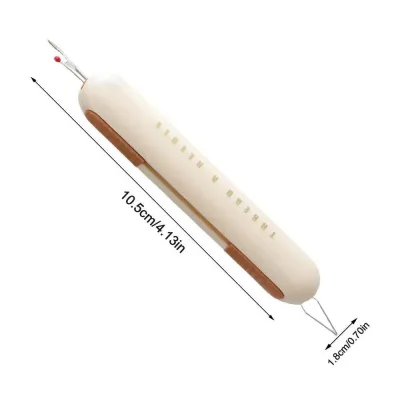
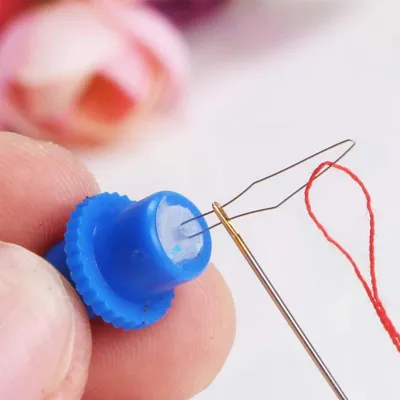
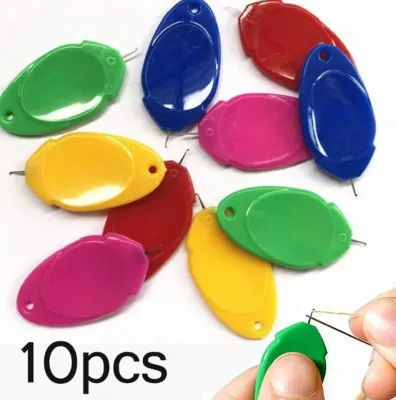
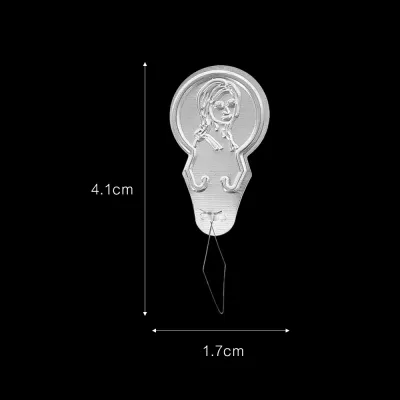
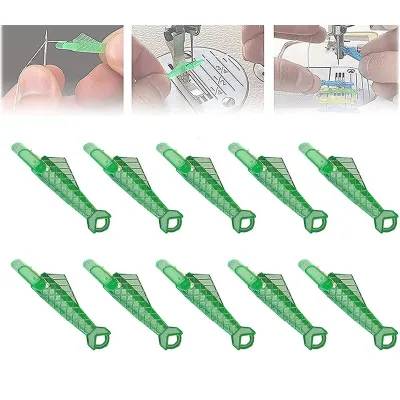
Prices are valid at publication and may change. Please refer to the product page for the latest price.
Attempting to thread these varying sizes with a standard, low-cost sewing threader often leads to immediate failure. Standard threaders typically feature rigid, thick wires that cannot pass through the narrow eyes of smaller embroidery needles. When a crafter attempts to force a thick wire through a small needle eye, they risk bending the needle, breaking the threader, or splitting the delicate embroidery floss. A dedicated needle threader set addresses this by offering a curated selection of threaders with varying wire gauges, allowing you to match the tool to the specific needle size you are using.
Beyond protecting your tools, a dedicated threader set is essential for preserving the integrity of your embroidery floss. Embroidery thread, particularly six-strand cotton floss, is loosely twisted to allow crafters to separate individual strands easily. This loose structure makes the thread highly susceptible to friction, fraying, and splitting. When you try to push unthreaded floss through a needle eye manually, the repeated friction can weaken the fibers, causing the thread to look fuzzy or break mid-stitch. A dedicated threader holds the floss securely and pulls it cleanly through the eye in a single, smooth motion, keeping your stitches looking crisp and professional.
Furthermore, the physical strain of manual threading should not be underestimated. Beginners often spend a significant portion of their crafting time squinting under desk lamps, trying to align thread and steel. This eye strain can lead to tension headaches and physical fatigue, cutting your stitching sessions short. By integrating a reliable threader set into your sewing basket, you eliminate this barrier entirely. Threading becomes a seamless, second-nature step that takes only a few seconds, allowing you to maintain your creative momentum and enjoy a more comfortable stitching experience.
Key Features to Look for in a Beginner-Friendly Threader Set
When evaluating needle threader sets, the first and most critical feature to examine is the thickness and flexibility of the wire. High-quality sets utilize fine, high-tensile steel or brass wire that can bend slightly under pressure without losing its structural memory or snapping. The wire must be thin enough to slip effortlessly through the smallest needle eyes in your collection, yet resilient enough to pull multiple strands of cotton floss back through with it. If the wire is too stiff, it will refuse to conform to the shape of the needle eye; if it is too soft, it will quickly deform and become unusable after only a few threading attempts.

Handle ergonomics play an equally vital role in usability, especially for beginners who are still developing their hand-eye coordination in needlework. A good threader should feature a handle that is easy to pinch and hold securely between your thumb and forefinger. Look for handles made from textured plastics, brushed metals, or ergonomic rubberized grips. Flat, wide handles provide excellent leverage and prevent the tool from twisting in your fingers as you pull the thread through. For those who struggle with fine motor control, slightly larger, contoured handles can make a significant difference in comfort and control.
Another essential consideration is the variety of sizes included within a single set. Embroidery is a versatile craft that involves a wide range of materials, from fine single-strand silk on delicate linen to thick metallic threads or tapestry wool on heavy canvas. A single threader size cannot handle this entire spectrum. A comprehensive beginner set should include at least two or three different threaders: a ultra-fine wire loop for delicate crewel needles, a medium-weight threader for general embroidery, and a sturdy, wide-loop or hook-style threader for heavy yarns and tapestry work. Having these options readily available ensures you are never left without the correct tool mid-project.
The method of attachment between the wire and the handle is a key indicator of durability that beginners often overlook. In poorly made threaders, the wire loop is simply glued or lightly crimped into a plastic housing, leading to the wire pulling out of the handle under the slightest resistance. Premium sets feature reinforced joints where the wire is deeply embedded into the handle material or secured with heavy-duty metal crimps. When shopping, look for sets that explicitly highlight reinforced construction, as this ensures your investment will last through hundreds of embroidery projects without falling apart.
Common Types of Needle Threaders for Embroidery
To choose the right needle threader set, it is helpful to understand the different mechanisms available on the market. While they all serve the same ultimate purpose—guiding thread through a needle eye—their designs vary from simple, manual wire loops to complex mechanical devices. Each type offers distinct advantages depending on your physical comfort, the types of projects you undertake, and where you prefer to do your crafting.
Traditional Wire Loop Threaders
The traditional wire loop threader is the most recognizable and widely used design in the embroidery world. It features a thin, diamond-shaped wire loop attached to a flat handle, which is often shaped like a coin or a simple tab. To use it, you insert the wire loop through the needle eye, pass your embroidery floss through the large opening of the wire loop, and then pull the wire back out of the needle eye, carrying the thread along with it.
This design is exceptionally well-suited for fine embroidery needles because the flexible wire can compress completely to fit through incredibly narrow openings. However, its simplicity is also its primary vulnerability. Because the wire is so fine, it can easily bend out of shape or snap at the joint if it is forced through a needle eye that is too small, or if you attempt to pull too many strands of thread at once. For beginners, using traditional wire loop threaders requires a gentle touch and a commitment to matching the thread volume to the needle size.
Handheld and Desktop Mechanical Threaders
For crafters who find manual wire loops too fiddly or difficult to handle, handheld and desktop mechanical threaders offer an alternative that relies on physical mechanisms rather than fine finger movements. These devices typically feature a small slot where you place your needle, a guide path for the thread, and a lever or push-button. When you press the button, a tiny internal metal hook pushes the thread directly through the needle eye.
These mechanical options are highly beneficial for beginners who experience hand tremors, joint pain, or poor vision, as they eliminate the need to manually align a wire with a tiny needle eye. Desktop models provide excellent stability, sitting firmly on your crafting table while you work. However, they do come with trade-offs. They are significantly bulkier than simple wire loops, making them less convenient to pack into a compact sewing travel kit. Additionally, they are highly dependent on using the exact needle sizes specified by the manufacturer, as mismatched needles can bend the internal hook and ruin the mechanism.
Automatic and Specialty Threaders
Automatic and specialty threaders represent the more advanced end of the market, often featuring specialized hooks or automated mechanisms built directly into desktop units. These tools are designed to streamline the threading process to a single click, making them highly appealing to those who want to maximize their stitching time.
While incredibly convenient, these advanced systems require strict adherence to needle size and type compatibility. Unlike flexible wire loops that can adapt to various eye shapes, automatic threaders use rigid metal pins or hooks that must align perfectly with the needle eye. If you attempt to use an incompatible needle size, or if you try to thread highly textured, metallic, or thick multi-strand floss, the mechanism can easily jam or break. Beginners should exercise caution and thoroughly verify their needle specifications before investing in these specialty systems.
Recognizing Reliable Brands and Quality Indicators
When searching for a needle threader set, it is easy to be overwhelmed by the sheer volume of cheap, unbranded options available online. To ensure you purchase a tool that will not break on its first use, it is wise to look to established craft and needlework brands. Companies such as Clover, DMC, and Prym have built global reputations over decades by producing consistent, high-quality tools that meet the rigorous demands of experienced crafters.
When examining a threader set, look closely at the packaging and the physical tool for specific quality indicators. High-quality wire threaders will feature rust-resistant stainless steel or brass wires that maintain a smooth, polished finish. The wire should be free of any microscopic burrs or rough spots, which can snag and ruin delicate silk or cotton embroidery floss. The handle should also be inspected for manufacturing defects; look for smooth, rounded edges and solid construction, avoiding plastic handles with sharp, poorly molded seams that can scratch your fingers during use.
Another excellent indicator of quality is the presence of clear size markings or color-coding on the handles. Reliable brands understand that embroidery requires different tools for different tasks, and they will often color-code their threaders to help you quickly identify the fine, medium, and heavy-duty options in your set. This thoughtful design element not only saves time during your crafting sessions but also prevents you from accidentally using an oversized threader on a delicate needle, protecting both tools from damage.
Buying Guide and Quality Checks for Shoppers in Singapore
For embroidery beginners in Singapore, sourcing high-quality tools is relatively straightforward if you know where to look. While it can be tempting to purchase cheap, multi-pack threaders from budget online marketplaces, these items often suffer from poor quality control, with wires detaching from the handles almost immediately. Instead, consider visiting established local craft and department stores, such as Spotlight, which carry a wide selection of trusted needlework brands. Alternatively, independent haberdasheries and specialty craft shops located in historical districts like Chinatown or central hubs like Plaza Singapura offer curated selections of premium Japanese and European sewing tools.
If you prefer the convenience of online shopping, look for official brand stores or highly rated local craft distributors on e-commerce platforms. When buying online, read customer reviews carefully, paying close attention to feedback regarding the durability of the wire joints and the accuracy of the sizes provided. Purchasing from authorized local distributors ensures you receive genuine products rather than low-quality counterfeits that can frustrate your learning process.
Once your needle threader set arrives, perform a quick physical inspection to verify its quality before using it on a project. First, hold the threader up to the light and check that the wire loop is perfectly symmetrical and free of kinks or bends. Gently tug on the wire loop while holding the handle to ensure the joint is secure and does not wobble. Run your fingertips along the handle to check for any sharp plastic edges or rough seams that could snag your embroidery floss or irritate your skin.
Finally, verify that the set includes the full range of sizes advertised on the packaging. In Singapore’s warm and humid climate, proper storage is essential for maintaining the lifespan of your crafting tools. High humidity can accelerate the rusting of low-quality metal wires and cause certain plastics to become sticky over time. To protect your investment, store your needle threader set in a sealed, dry container—such as a small plastic accessory box or a dedicated sewing tin—alongside a small silica gel packet to absorb any excess moisture.
Frequently Asked Questions (FAQ)
Can I use a regular sewing needle threader for embroidery needles?
While it is physically possible to use a regular sewing needle threader for some larger embroidery needles, it is generally not recommended for finer crewel needles. Regular sewing threaders often feature wire loops that are too thick to pass through the narrow eyes of embroidery needles, especially sizes 7 through 10. Forcing a thick wire through a small eye can permanently bend the needle or snap the threader’s wire. Always check the thickness of the wire loop against the size of your needle eye before attempting to thread it to prevent damage to your tools.
How do I prevent the wire loop on my needle threader from breaking?
To maximize the lifespan of your wire loop threader, always handle it with care and avoid using excessive force. When threading, ensure the wire loop is fully inserted through the needle eye before passing your thread through the loop. Pull the threader back through the eye with a gentle, steady motion rather than a sudden yank. If you feel significant resistance, stop immediately—this indicates that either the wire is too thick for the needle eye, or you are trying to pull too many strands of floss at once. Always store your threaders in a hard-sided protective case to prevent the delicate wires from being bent or crushed by heavier items in your sewing basket.
Are automatic needle threaders worth the investment for beginners?
For most embroidery beginners, starting with a high-quality manual wire threader set is a more practical and cost-effective choice than investing in an automatic mechanical threader. While automatic threaders offer excellent convenience, they are highly sensitive tools that require strict compatibility with specific needle sizes and types. They also struggle with the thick, textured, or metallic threads frequently used in embroidery. A manual wire set provides the versatility needed to work with a wide range of needles and threads, helping you build foundational hand-eye coordination and stitching skills before you decide whether to invest in specialized mechanical alternatives.
Community discussion
Share your experience or ask a question. Comments are reviewed before publication.