
Embroidery has experienced a significant cultural resurgence in Singapore, transforming from a traditional craft into a popular, mindful hobby embraced by creators of all ages. For beginners eager to explore this expressive textile art, the initial hurdle often lies in selecting the right equipment. The market is flooded with various tools, but finding a reliable needle and threader tool set is the single most important step to prevent early frustration and ensure a smooth, enjoyable learning curve.
Starting your embroidery journey with substandard tools can lead to split threads, damaged fabrics, and unnecessary eye strain. A high-quality starter set provides a curated selection of needles designed for different fabric weights, paired with a durable threader that can withstand repeated use. By focusing on sets that offer smooth needle eyes and robust threader designs, you can establish a strong foundation for your needlework projects without being hindered by mechanical failures.
In Singapore’s tropical climate, choosing the right tools also involves material considerations that crafters in drier regions might overlook. High humidity can quickly degrade low-quality metal tools, making material selection a key part of your decision-making process. This guide breaks down the essential criteria for choosing needle and threader sets, the different configurations available, and how to source the best options locally and online.
Products mentioned in this guide
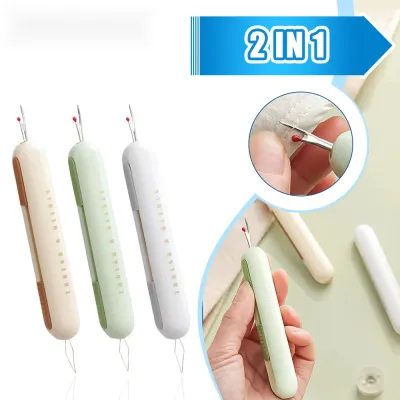
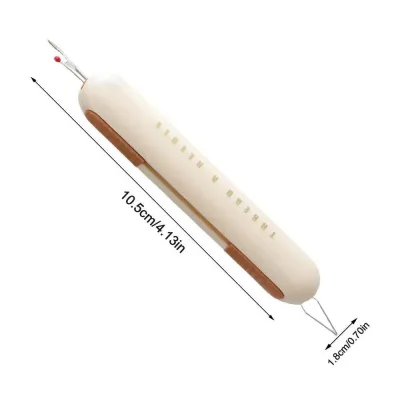
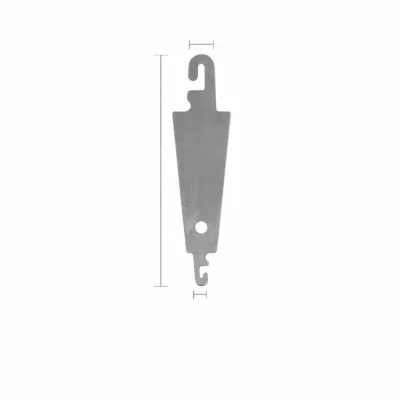
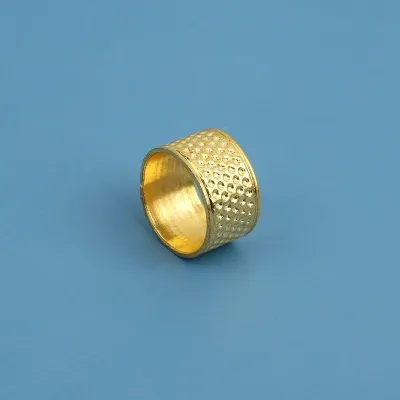
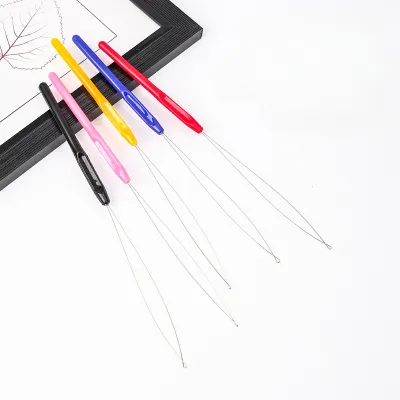
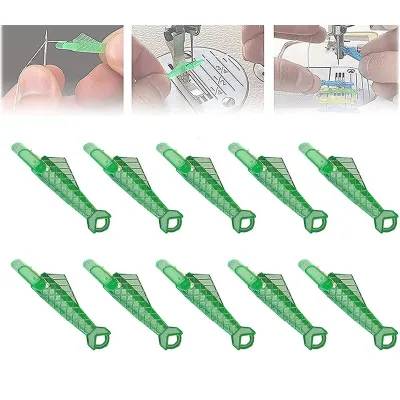
Prices are valid at publication and may change. Please refer to the product page for the latest price.
What to Look for in a Beginner Embroidery Tool Set
When evaluating an embroidery needle and threader tool set, several key criteria dictate whether the tools will support or hinder your learning process. The first element to consider is needle variety. Hand embroidery encompasses various techniques, from surface embroidery on tightly woven cotton to counted thread work on open-weave linen. A beginner set must include a range of needle types, such as crewel, tapestry, and chenille needles, to accommodate these different methods.
Crewel needles, also known as standard embroidery needles, feature sharp tips and medium-length eyes. They are ideal for standard embroidery floss on woven fabrics like cotton or calico, allowing you to pierce the fibers smoothly. Tapestry needles, on the other hand, have blunt tips and large eyes. These are essential for navigating cross-stitch fabric or Aida cloth without piercing the structural threads of the fabric. Chenille needles combine a sharp point with a very large eye, allowing you to work with thick threads, wool, or multiple strands of floss on heavy materials.
Understanding needle sizing is also crucial for beginners, as the numbering system can be counterintuitive. Needle sizes are indicated by numbers, where higher numbers represent finer, thinner needles, and lower numbers represent thicker needles. A versatile starter set should offer a range from size 3 (thick, for heavy threads) to size 9 or 10 (very fine, for delicate details). Matching your needle size to your fabric’s thread count and your thread’s thickness prevents the needle from leaving unsightly holes in your textile.
Threader usability is the second critical factor for a frustration-free experience. Traditional wire loop threaders are incredibly common and excellent for navigating tiny needle eyes, but they are notoriously fragile and prone to bending or pulling out of their bases. For beginners, a set that includes upgraded solid-plate threaders or sturdy plastic-housed wire threaders is highly recommended. These designs provide a larger, more comfortable grip and are far less likely to snap under tension.
The threader must be thin enough to pass through your smallest needle eye while remaining strong enough to pull multi-strand embroidery floss through without fraying the fibers. If you plan to work with thicker threads or wool, look for a double-ended threader that features a fine wire loop on one end and a sturdier metal hook on the other. This dual-functionality ensures you can handle various thread weights without needing to purchase multiple separate tools.
Finally, assess the overall completeness of the set. While you can purchase tools individually, a well-rounded starter set often includes secondary tools that save you from making multiple separate purchases. Look for sets that bundle your needles and threaders with small embroidery snips, a compact pincushion, or a basic embroidery hoop. Having these complementary items on hand allows you to begin practicing immediately, ensuring that your initial momentum is not stalled by a missing piece of essential equipment.
Types of Needle and Threader Sets for Beginners
Embroidery sets are packaged in several distinct configurations, each catering to different starting points, budgets, and personal preferences. Understanding these categories allows you to select a tool set that aligns perfectly with your immediate crafting goals and spatial constraints.

Essential Starter Kits
Essential starter kits are streamlined, highly focused sets that prioritize the core mechanics of threading and stitching. These kits typically contain a small, curated selection of hand embroidery needles in standard sizes (usually sizes 3 to 9) and one or two basic threaders. They do not include fabrics, hoops, or threads, making them a highly budget-friendly option, with prices generally ranging from S$3 to S$10.
These minimal sets are ideal if you already have access to fabrics and hoops, or if you prefer to select your textiles and embroidery floss independently. By avoiding the extra cost of bundled accessories, essential kits often feature higher-quality steel needles and more durable threaders than all-in-one bundles of the same price. They are also highly portable, fitting easily into a small pouch or pocket for stitching on the go.
When choosing an essential kit, look for brands with established histories in needle manufacturing. These brands often use superior steel tempering processes, resulting in needles that resist bending even when working through tough fabrics. The threaders included in these kits are usually basic, so you may want to verify if the packaging includes at least one spare wire loop.
Comprehensive Embroidery Bundles
Comprehensive embroidery bundles are designed as all-in-one solutions for absolute beginners who want to start stitching immediately without sourcing individual components. These bundles typically include an assortment of needles, multiple threaders, a variety of colorful embroidery threads, wooden or plastic hoops, fabric scissors, and sometimes pre-printed pattern fabric. These packages generally range from S$15 to S$40 depending on the volume of materials included.
The primary benefit of a comprehensive bundle is sheer convenience, as it eliminates the guesswork of matching needle sizes to thread weights and fabric types. However, a common trade-off is that the individual quality of the mass-produced components may be lower than what you would find in dedicated, single-purpose sets. The needles in these bundles may occasionally have rougher eyes, and the threaders are often the basic wire variety that requires very gentle handling.
If you decide on a comprehensive bundle, use it as a learning tool to identify which needle sizes and thread weights you use most frequently. As you gain experience, you can gradually upgrade individual components—such as purchasing a premium set of needles or a heavy-duty threader—while continuing to use the hoops, scissors, and storage box from your original bundle.
Ergonomic and Accessible Sets
Ergonomic and accessible sets are tailored specifically to reduce physical strain and make the threading process as effortless as possible. These specialized sets feature needle threaders equipped with built-in magnifying glasses, integrated LED lights, or thick, textured plastic handles that are easy to grip. The needles included in these sets often feature slightly larger eyes or color-coded ends to help you quickly identify the correct size.
These tools are highly beneficial if you experience visual fatigue, work in low-light environments, or have limited finger dexterity due to joint stiffness or fatigue. Threading a needle requires fine motor skills, and a threader with a wide, flat handle provides significantly better leverage than a tiny, stamped-metal tab. Some ergonomic threaders also feature a protective cap that slides over the wire loop when not in use, preventing it from getting bent in your sewing basket.
While these sets may carry a slightly higher price point relative to the number of pieces included, the reduction in eye strain and physical frustration makes them an excellent investment for long-term crafting comfort. They are particularly popular among hobbyists who enjoy working on detailed projects for extended periods, as they minimize the micro-strains associated with repetitive threading.
How to Evaluate Needle and Threader Quality
To ensure your tools do not fail mid-project, you must know how to visually and physically inspect them before and during use. High-quality materials and precise manufacturing are essential for smooth stitching, especially when working with delicate fabrics.
The needle’s material and surface finish are paramount, especially in Singapore’s tropical, high-humidity climate. Standard steel needles are highly susceptible to rust and tarnish when exposed to moisture in the air, which creates friction and ruins delicate embroidery fabrics. Look for needles made from high-grade stainless steel or those featuring a premium nickel or gold plating. These coatings provide a smooth barrier that resists corrosion and allows the needle to glide effortlessly through the fabric.
Additionally, inspect the inside of the needle eye; it should be perfectly smooth and free of tiny metal burrs. A rough eye will act like a microscopic saw, fraying and snapping your embroidery floss as you pull it through the fabric. You can perform an easy visual check by holding the needle eye up to a bright light, or a physical check by gently sliding a single strand of thread back and forth through the eye to see if it catches or sheds fibers.
Evaluating threader durability requires looking closely at how the threading wire is secured to its handle. On cheap wire threaders, the thin wire loop is simply glued or lightly crimped between two thin pieces of metal or plastic, making it easy to pull loose under minimal tension. High-quality threaders feature a reinforced connection, often with the wire deeply embedded into a molded plastic handle or secured with a sturdy metal sleeve. If you are purchasing a set online, check user reviews specifically for feedback regarding how quickly the threaders broke or if they arrived bent.
Prioritizing sets that include multiple spare threaders or a mix of wire and solid-plate threaders ensures you always have a backup when a tool inevitably wears out. Solid-plate threaders, which feature a tiny hook cut directly into a flat piece of metal, are virtually indestructible compared to wire loops, though they are generally limited to larger needle eyes.
Finally, do not overlook the importance of packaging and storage. A good needle and threader set should come in a secure, reusable container, such as a plastic vial, a wooden needle case, or a labeled compact organizer. Proper storage protects your needles from environmental moisture, prevents them from bending under the weight of other tools, and ensures they do not get lost in your craft box. A labeled organizer also helps you keep track of different needle sizes, allowing you to quickly select the correct tool for your thread weight.
Where to Find and Verify Embroidery Sets in Singapore
Sourcing your embroidery tools in Singapore can be done through physical retail stores or online marketplaces, with each channel offering distinct advantages for beginners.
Visiting a physical craft store allows you to physically inspect the tools before making a purchase. Retailers like Spotlight, located in major shopping malls, offer a wide selection of sewing and needlework supplies where you can examine needle sizes, eye shapes, and threader construction firsthand. Specialized neighborhood craft and haberdashery shops, particularly those found in older housing estates or historic districts like Chinatown (such as the textile merchants in People’s Park Centre), often carry high-quality, imported needle brands.
When shopping in-store, take a moment to look through the clear packaging to verify that the needles are perfectly straight, free of discoloration, and that the threader wires are not pre-bent or loose. If you are shopping at a local independent haberdashery, don’t hesitate to ask the shopkeeper for recommendations; they often possess decades of practical experience and can guide you toward reliable, time-tested brands.
Online marketplaces and ecommerce platforms offer an unparalleled variety of beginner sets and comprehensive bundles, often at very competitive prices. When shopping online, it is crucial to read recent buyer reviews carefully. Look for feedback from local buyers in Singapore, as they can provide valuable insights into how well the tools hold up in the local climate and whether the packaging survived transit. Avoid listings with generic descriptions that do not specify the needle materials or sizes included.
Before finalizing your purchase, use a quick verification checklist to ensure the set meets your needs:
- Needle Assortment: Confirm that the set includes the specific sizes required for your planned projects (typically sizes 5 to 10 for standard embroidery floss).
- Material Specifications: Ensure the needles are labeled as stainless steel, nickel-plated, or gold-plated to prevent rusting in humid conditions.
- Threader Style: Check if the set includes a mix of wire and solid-plate threaders, or at least multiple replacement wire threaders.
- Shipping Location: Opting for local sellers or those with established distribution networks in Singapore reduces transit times and minimizes the risk of your needles being exposed to prolonged dampness during international shipping.
Frequently Asked Questions (FAQ)
How do I stop my needle threader wire from breaking?
To prevent your needle threader wire from snapping, always insert the wire loop straight through the needle eye without twisting or forcing it. When pulling your embroidery thread through the eye, avoid pulling at a sharp, perpendicular angle, as this puts immense shear stress on the point where the wire meets the handle. Instead, pull the thread gently and parallel to the needle shaft. If you feel resistance, do not force it; this indicates that either your thread is too thick for the needle eye, or the needle eye is too small for the threader wire. You can also use a small amount of beeswax to condition your thread, which reduces friction as it passes through the eye.
Can I use standard sewing needles for hand embroidery?
While you can technically use standard hand sewing needles for basic embroidery, it is highly recommended to use dedicated embroidery needles. Standard sewing needles (often called sharps) have small, round eyes designed for thin sewing threads, making it extremely difficult to thread multi-strand embroidery floss. Hand embroidery needles (crewel needles) feature a significantly longer eye that easily accommodates multiple strands of floss while maintaining a slender shaft. Using the correct needle ensures smoother fabric penetration, reduces hand fatigue, and prevents your embroidery thread from bunching up or fraying at the eye.
Community discussion
Share your experience or ask a question. Comments are reviewed before publication.