
Embroidery is a deeply satisfying, tactile craft that allows you to create intricate designs with nothing more than a needle, some thread, and a piece of fabric. For those looking to step into this hobby, a pre-assembled needle and thread kit offers an excellent entry point by eliminating the friction of sourcing individual components. The right kit acts as a structured gateway, providing a curated selection of materials and step-by-step guidance to ensure your very first project is a success.
However, the market is filled with options ranging from premium designer packages to ultra-cheap imports. Choosing the wrong kit can lead to frayed threads, warped hoops, and confusing instructions, which can quickly turn a relaxing hobby into a frustrating ordeal. To make a confident first purchase, you must understand what elements constitute a high-quality beginner kit and which brands consistently deliver reliable materials.
What Makes a Needle and Thread Kit Ideal for Beginners?
The core value of a beginner-focused needle and thread kit lies in its ability to reduce trial-and-error costs. When you are learning a new skill, you should focus on mastering basic stitches rather than troubleshooting poor-quality tools. A well-designed kit provides a structured learning path, guiding you from simple outline stitches to more complex filling techniques without overwhelming you with unnecessary accessories.
Products mentioned in this guide
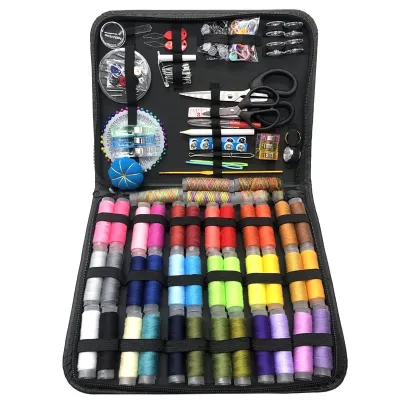
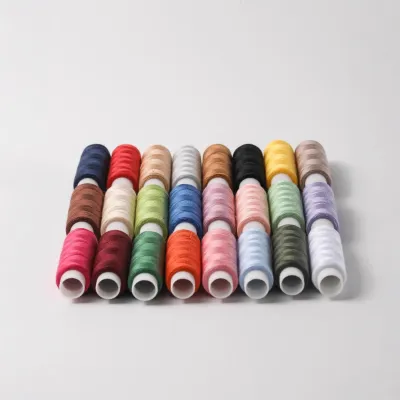
![🧵[3-In-1 Portable]Magnetic Needle Thread Box DIY Portable Magnetic Sewing Box Set Anti-Lost Home Sewing Accessories Sewing Hand Embroidery Tool](https://img.lazcdn.com/g/p/1f2b06022c55593ffad1fd254c41db89.jpg_400x400q80.jpg_.webp)
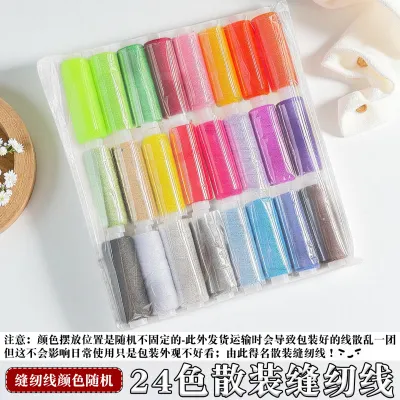
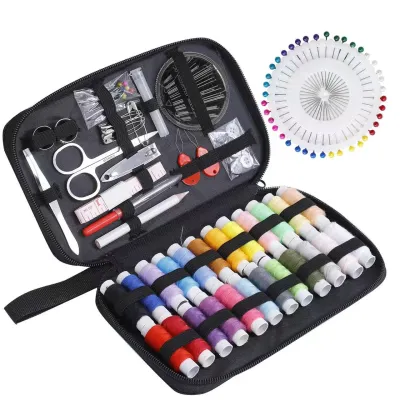
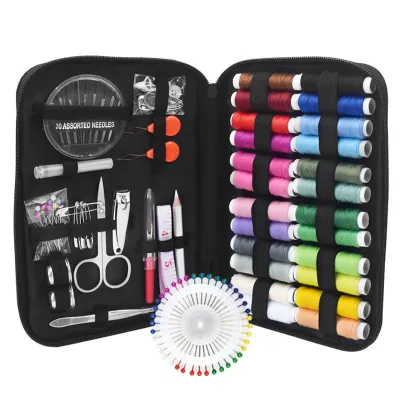
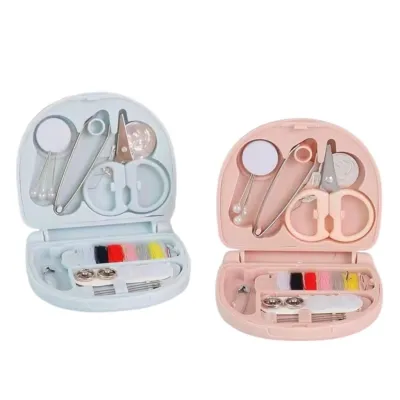
Prices are valid at publication and may change. Please refer to the product page for the latest price.
When evaluating potential kits, the clarity of the instructions is your most critical consideration. Look for brands that offer comprehensive, step-by-step illustrated guides or, ideally, QR codes linking to high-definition video tutorials. Static diagrams can sometimes be difficult to interpret for dynamic movements like the French knot or satin stitch, making video demonstrations incredibly valuable for visual learners.
Material quality is another essential dimension that directly impacts your stitching experience. High-quality kits feature long-staple cotton threads that glide smoothly through fabric without splitting or pilling, alongside polished, rust-resistant steel needles. The fabric should be sturdy enough to support the weight of the stitches without puckering, and the hoop must maintain consistent tension throughout your project.
To avoid common pitfalls, steer clear of two extremes: kits that are overly complicated and those that are suspiciously cheap. Overly complex kits with dozens of thread colors and massive canvases can quickly lead to fatigue and half-finished projects. Conversely, budget kits sold on generic online platforms often use low-grade polyester threads that tangle easily and plastic hoops that fail to maintain fabric tension. You can verify these standards by carefully reading product descriptions, checking the exact component lists, and looking for user feedback that specifically mentions thread durability and hoop stability.
Key Components to Check Before Buying a Beginner Kit
Before purchasing any needle and thread kit, it is highly beneficial to inspect the specifications of the individual components included. Knowing what to look for allows you to separate high-quality tools from cheap, frustrating substitutes.

Embroidery Floss and Thread
Standard embroidery floss is a six-strand divisible thread, allowing you to adjust the thickness of your lines by using different numbers of strands. Verify that the kit uses 100% long-staple cotton thread, which offers a smooth sheen, excellent tensile strength, and minimal fraying. Check the product description for colorfastness labels to ensure the dyes will not bleed when the finished piece is washed or exposed to moisture. When examining product images, look for thread that has a tight, clean twist and a subtle sheen, rather than a fuzzy, loose texture that indicates low-grade fibers.
Needles
Embroidery requires crewel needles, which feature a sharp tip to pierce closely woven fabrics and a long, narrow eye to accommodate multiple strands of floss without tearing them. Verify that the kit includes the correct needle size, typically ranging from size 3 to 9 for beginners. A needle that is too small will make threading incredibly frustrating, while a needle that is too large will leave permanent, visible holes in your fabric.
Hoop and Frame
The embroidery hoop is critical for maintaining even fabric tension, which prevents your stitches from puckering. Wooden and bamboo hoops are classic, lightweight options that can also serve as an attractive frame for displaying your finished work, but they must be inspected for splinters and uneven gaps. Plastic hoops often feature a molded ridge or groove that grips the fabric more securely, making them highly practical for beginners, even if they lack the traditional aesthetic of wood. Ensure the tightening screw is robust and turns smoothly, preferably featuring a slot for a screwdriver to allow for maximum tightening.
Fabric and Pattern
Medium-weight, non-stretchy fabrics like cotton calico, linen, or a cotton-linen blend are ideal for beginners. Avoid stretchy knits or loose-weave fabrics like Aida, which is specifically designed for cross-stitch rather than freeform embroidery. The pattern transfer method is equally important; pre-printed patterns using water-soluble ink are the most beginner-friendly, as the lines completely disappear when soaked in cold water. While heat-transfer patterns are permanent once ironed, water-soluble ink offers a forgiving safety net, though it requires strict protection from accidental water exposure during the stitching process.
Because the smoothness of your stitches, the bleed resistance of the thread, and the erasability of the pre-printed pattern lines depend entirely on the exact combination of fabric and thread fibers, you should perform a simple, observable trial before starting your project. Stitch a small, three-inch test line using a scrap piece of the included thread on an unused margin of the kit’s fabric. Dampen this test area with a few drops of cold water to verify both the water resistance of the thread (ensuring the dye does not bleed into the surrounding fabric) and the erasability of the pattern ink (confirming that the lines dissolve completely without leaving a shadow).
Best Types of Embroidery Kit Brands for Beginners
To help you navigate the market, we have categorized the best needle and thread kit brands by their positioning and kit type. This allows you to choose a brand that aligns with your specific learning goals, aesthetic preferences, and budget.
Comprehensive All-in-One Craft Brands
For beginners who value standardization, extensive educational resources, and reliable material quality, established global craft brands are the gold standard. Brands like DMC and Anchor have been industry leaders for generations, and their beginner-specific kits are exceptional entry points.
DMC, in particular, offers a range of “Mindful Making” and basic stitch kits designed specifically for novices. These kits feature their world-renowned 100% double-mercerized cotton floss, which glides effortlessly through fabric and resists fading over time. The instructions included in these kits are highly standardized, featuring clear, step-by-step diagrams and official links to online video tutorials.
The primary advantage of choosing a major brand like DMC is the ease of replenishment. Because they use standard, globally recognized color codes, if you run out of a specific thread color or wish to recreate the pattern in the future, you can easily purchase matching individual skeins at almost any local craft store. The main limitation is that these kits carry a premium price tag, and the designs can sometimes lean toward highly traditional floral motifs that may not appeal to crafters seeking a modern aesthetic.
Modern Project-Based and Indie Brands
If you are drawn to contemporary art, minimalist home decor, or unique themes, independent and project-based brands are an excellent choice. Brands like Hawthorn Handmade and Cozyblue Handmade have gained popularity by offering highly curated kits with a modern design sensibility.
These indie brands focus on botanical illustrations, whimsical landscapes, and geometric patterns that look beautiful hanging on a modern wall. They often use premium, heavily textured linen or cotton-linen blend fabrics that elevate the tactile experience of stitching. The packaging is typically beautiful and plastic-free, making them excellent gifts.
While these kits offer high design appeal, they do have a few trade-offs. Some indie kits assume a basic familiarity with embroidery and may provide less exhaustive foundational tutorials compared to major craft conglomerates. Additionally, because they often use custom-dyed threads or non-standard color coding, sourcing exact replacement threads locally can be challenging if you make a mistake and run out of material.
Budget-Friendly and Accessible Brands
For those who want to try embroidery as a casual experiment without a significant financial commitment, budget-friendly brands offer a low-barrier entry point. Daiso is a highly accessible option in this category, offering ultra-budget embroidery kits that include basic fabric, a small hoop, needles, and thread.
These kits are incredibly affordable, typically costing only a few dollars, making them perfect for testing whether you enjoy the physical motion of stitching before investing in premium tools. They are widely available in retail stores, allowing you to pick one up on a whim.
However, the limitations of budget kits are significant. The threads are often made of polyester or low-grade cotton that frays easily under tension, and the needles may have rough eyes that shred the thread. The hoops are usually basic plastic or low-cost bamboo that may require light sanding to prevent fabric snagging. Furthermore, the instructions are often minimal, requiring you to supplement your learning with external online videos. Always check the component list before purchasing, as some budget kits do not include a hoop, requiring a separate purchase.
Where to Buy and How to Store Kits in Singapore's Climate
Sourcing authentic products and protecting them from environmental damage are crucial steps to ensuring a successful crafting experience, especially when dealing with delicate textiles.
Local and Online Purchasing Channels
In Singapore, physical craft stores offer the advantage of inspecting materials before buying. Spotlight (located at Plaza Singapura and Westgate) carries a wide selection of DMC kits, hoops, and basic supplies. Golden Dragon at People’s Park Centre is a legendary local institution for needlecrafts, offering expert advice and a vast inventory of threads, fabrics, and specialized tools. For online shopping, purchasing directly from official brand websites or highly rated local craft e-tailers is recommended. Avoid unverified third-party sellers on general online marketplaces, as counterfeit embroidery floss—which is prone to severe color bleeding—is highly prevalent.
Climate and Storage Considerations
Singapore’s tropical climate, characterized by high relative humidity that frequently exceeds 80%, presents unique challenges for storing needlework supplies. High moisture levels can cause wooden hoops to warp, cotton fabrics to develop mildew or musty odors, and steel needles to rust. Upon receiving your kit, inspect the contents immediately for any signs of dampness or rust.
To protect your investment, store your needle and thread kits in airtight plastic containers or heavy-duty zip-lock bags. Always include several food-safe silica gel desiccant packets inside the container to absorb residual moisture. Keep your storage containers in a cool, dark place away from direct sunlight, as prolonged exposure to UV rays can fade threads and cause pre-printed water-soluble inks to set permanently into the fabric, making them impossible to wash out later.
Pre-Checkout Verification
Before finalizing your purchase, perform a quick verification check. Confirm that the kit explicitly lists all necessary components, including the hoop, fabric, needles, thread, and instructions. Check the seller’s return or exchange policy in case of defective components, such as a cracked wooden hoop or missing thread colors. Lastly, ensure that the instructional booklet or digital guide is available in a language you are fluent in, as some imported kits may only feature foreign-language text.
Frequently Asked Questions (FAQ)
Do I need to buy extra tools if I get a complete beginner kit?
While a complete beginner kit should contain the absolute essentials to finish the project, you will benefit greatly from adding a few basic household tools. A pair of small, sharp embroidery scissors is highly recommended, as standard household scissors are too bulky to make clean, close snips near the fabric. A simple metal needle threader can save significant time and eye strain when working with multi-strand floss. Finally, if you are working with heavier fabrics or find your fingers getting sore, a basic metal or leather thimble will help push the needle through the fabric safely.
How do I keep my embroidery floss from tangling?
To prevent tangling, always cut your embroidery floss to a manageable length before stitching; a good rule of thumb is to cut pieces no longer than 45 to 50 centimeters, roughly the distance from your fingertips to your elbow. When using multiple strands, separate the strands individually first, then recombine them before threading your needle. Store your unused floss by winding it onto plastic or cardboard bobbins, or keep them neatly organized in their original labeled paper sleeves. Never use harsh chemicals, wax, or high-heat flat irons to straighten tangled threads, as this can permanently damage the cotton fibers and strip away their natural sheen.
Can I wash the finished embroidery made from a beginner kit?
Before attempting to wash any finished embroidery, always check the care labels on the kit packaging and follow the manufacturer’s instructions. If your kit features a pre-printed pattern, ensure you have completed all stitching before letting any water touch the fabric, as the water-soluble ink will dissolve instantly. Once finished, perform a colorfastness test by dabbing a damp white cloth onto a small, hidden area of the stitched thread to check for dye transfer. If safe, hand-wash the piece gently in cold water using a mild, pH-neutral detergent, rinse thoroughly, and air-dry flat on a clean towel. Never wring, twist, or scrub the embroidered fabric, as this will distort the tension of your stitches.
Community discussion
Share your experience or ask a question. Comments are reviewed before publication.