
Starting your sculpting journey in Singapore is an exciting creative endeavor, whether you are working from a dedicated home studio or a small corner of your dining table. The key to a successful start lies in choosing a starter kit that balances versatility, durability, and ease of use. A great beginner set does not need dozens of highly specialized pieces; instead, it should offer a carefully curated selection of high-quality, multi-functional tools that match your chosen sculpting medium. By focusing on essential shapes, comfortable handles, and resilient materials, you can avoid the frustration of tools that bend, snap, or fail to deliver the clean lines you desire.
Quick Guide to Choosing Your First Sculpting Tool Set
When you begin browsing art supply stores or online marketplaces, the sheer variety of sculpting kits can be overwhelming. Many beginners fall into the trap of purchasing the largest kit available, assuming that more pieces equate to better value. However, a massive, low-cost set often contains redundant shapes and flimsy materials that hinder your progress rather than helping it. A well-designed starter set typically consists of 8 to 15 essential pieces, each serving a distinct purpose in shaping, detailing, or smoothing your medium.
The most critical decision factor when choosing your first set is medium compatibility. Sculpting mediums behave differently; for instance, water-based air-dry clay requires tools that can withstand moisture without rusting or warping, while polymer clay demands rigid, non-porous tools that can handle dense, oil-based formulations. Before making a purchase, you must identify your primary medium, verify that the kit includes the core tool types for that specific material, and check the build quality to ensure the tools will survive repeated use.
Products mentioned in this guide
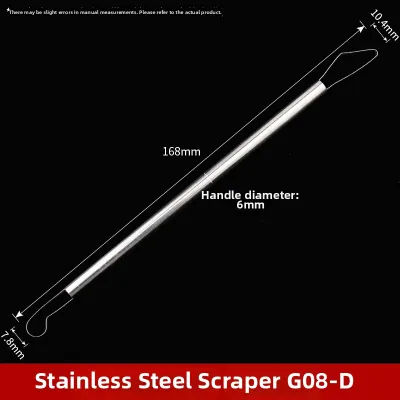
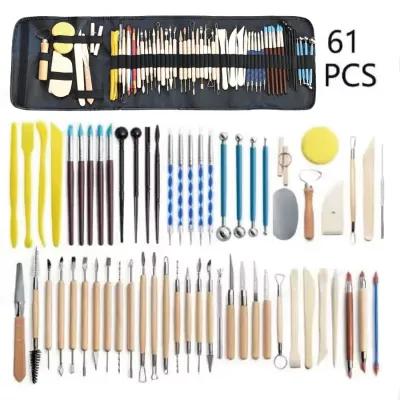
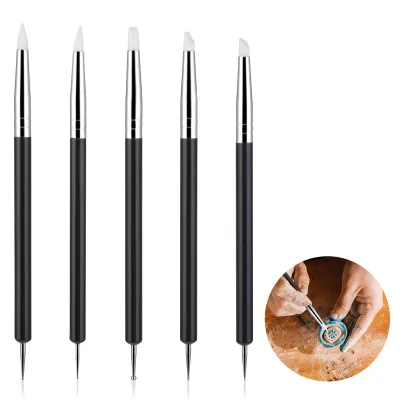
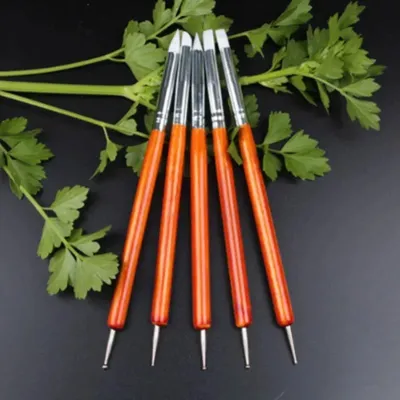
Prices are valid at publication and may change. Please refer to the product page for the latest price.
Essential Tools Every Beginner Modelling Set Must Include
A functional starter kit must provide the foundational tools required to execute basic sculpting techniques, such as additive sculpting, subtractive carving, and surface refinement. Without these core items, you will struggle to achieve basic forms and clean details.

Wire-End Loop Tools and Ribbon Tools
These are the workhorses of subtractive sculpting, allowing you to hollow out thick clay walls, carve away excess material, and create smooth, curved hollows. Loop tools feature thin, rounded wires secured to a handle, making them ideal for delicate shaving and detailing. Ribbon tools utilize flat, sharpened metal bands, which are excellent for heavy material removal and shaping flat planes or sharp angles. A good starter kit should include at least two or three variations of these tools in different sizes.
Wooden and Plastic Modeling Sticks
Often referred to as thumb tools or modeling spatulas, these solid implements act as extensions of your fingers. They are used for blending seams, smoothing transitions between joined pieces, and pressing clay into tight crevices. Wooden sticks made from dense hardwoods offer a natural texture that glides smoothly over clay, while high-quality plastic alternatives provide rigid, clean edges for defining sharp lines and geometric shapes.
Silicone Shapers and Natural Sponges
Refining the surface of your sculpture is just as important as establishing its form. Silicone shapers, which feature flexible rubber tips in various shapes like chisels, cones, and rounds, are indispensable for blending seams and erasing fingerprints without leaving marks. A small, fine-pored natural sponge is another essential item, particularly for water-based clays, as it allows you to apply controlled moisture and smooth out large surface areas effortlessly.
Cutting and Measuring Essentials
Before you can sculpt, you must prepare your medium. A flexible wire clay cutter, consisting of a high-tensile wire attached to two wooden toggles, is necessary for slicing clean blocks of clay from a larger slab. Additionally, basic measuring tools, such as a simple ruler or a pair of lightweight calipers, help you maintain accurate proportions and symmetry, which is especially crucial when sculpting figures or functional pottery.
While specialized tools like clay extruders, heavy-duty armature wire cutters, or intricate texture stamps are tempting, they are best left for later. As your skills advance and you discover your specific sculpting style, you can purchase these specialized items individually to complement your core kit.
Recommended Tool Set Configurations by Sculpting Medium
A common mistake among novice crafters is assuming that any tool labeled for “clay” will work perfectly across all sculpting mediums. In reality, a universal kit often compromises on material specifications, leading to a frustrating experience. Different mediums require distinct tool characteristics to achieve optimal results.
To ensure a seamless crafting experience, always check product labels and descriptions for medium-specific designations. Manufacturers often design kits with specific clay properties in mind, optimizing the handle materials, tool flexibility, and surface textures accordingly.
Air-Dry and Water-Based Clay Configurations
Water-based clays, including traditional pottery clay and modern air-dry formulations, rely on moisture to remain workable. Consequently, the tools you use must be highly resistant to water damage and capable of managing moisture levels on the clay’s surface.
When selecting a kit for water-based mediums, prioritize tools with stainless steel loops and properly sealed wooden handles. Unsealed wood absorbs water rapidly, causing the handles to swell, splinter, and eventually loosen from the metal ferrules. Look for descriptions that explicitly mention water-resistant coatings or synthetic handle materials that eliminate this risk entirely.
Additionally, a water-based clay kit should include dedicated water-management accessories. A soft, absorbent sponge is vital for smoothing rough patches, while small, soft-bristled brushes help apply targeted water to dry areas or blend delicate details. Ensure the metal components are rated as rust-resistant, as prolonged exposure to wet clay and damp storage conditions will quickly degrade inferior metals.
Polymer Clay and Wax Configurations
Polymer clay and sculpting waxes are oil-based, non-drying mediums that require a completely different set of tool characteristics. These materials are denser and stiffer than water-based clays, meaning your tools must be rigid enough to withstand significant pressure without flexing or bending.
For polymer clay, look for kits that feature solid metal tools, such as stainless steel dental-style carvers, which offer the rigidity and sharpness needed for precise detailing. The handles should be non-porous—such as anodized aluminum, polished steel, or high-density plastic—to prevent the oils in the clay from soaking into the tool. Silicone-tipped shapers are also highly beneficial here, as their non-stick surfaces resist oil and wax buildup, making them incredibly easy to clean.
Since water is not used to smooth polymer clay, water-management accessories like sponges are unnecessary in these kits. Instead, a proper polymer clay starter set should include a rigid acrylic roller or a smooth brayer to condition the clay and roll out even sheets. Texture plates or stamps made of rigid plastic are also excellent additions, allowing you to press intricate patterns into the clay surface without sticking.
Red Flags: What to Avoid in Beginner Sculpting Kits
As you shop for your first sculpting set, you will encounter numerous low-cost options that promise professional results at incredibly low prices. It is crucial to look past the marketing claims and evaluate the physical construction of the tools to avoid common pitfalls.
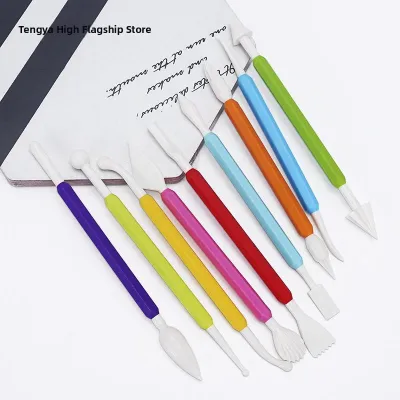
One of the most prevalent red flags is the inclusion of flimsy, hollow plastic tools. While plastic is a useful material for certain shaping sticks, cheap, thin-walled plastic tools will flex under the pressure of dense clay and can easily snap, potentially ruining your sculpture or causing minor injuries. If a kit consists entirely of lightweight, brightly colored plastic tools with visible molding seams, it is likely designed for children’s play dough rather than serious hobbyist sculpting.
Another tactic used by low-quality brands is inflating the piece count with “filler” items. A kit advertised as a “50-piece set” may sound like an incredible bargain, but a closer inspection often reveals that half of the pieces are cheap plastic molds, redundant wooden sticks with identical tips, or unrelated craft accessories like glitter or plastic beads. These items add no real value to your sculpting practice and serve only to distract from the poor quality of the core tools.
Finally, be cautious of unbranded kits featuring rough, unfinished wooden handles. High-quality wooden tools are sanded smooth and sealed with a protective varnish or oil. Unfinished wood feels rough in the hand, can cause splinters during long sculpting sessions, and will absorb oils and pigments from your clay. This absorption not only stains the tools but can also transfer unwanted colors and residues to your next project, muddying your clay body.
How to Evaluate and Purchase Sculpting Tools in Singapore
Finding the right sculpting tools in Singapore involves a mix of careful online research and visiting local art supply stores to assess the tools in person. Because Singapore’s climate is highly humid, material selection is even more critical to prevent mold and rust during storage.
When shopping online, do not rely solely on product titles that use generic buzzwords. Instead, scroll down to the technical specifications and check the exact materials used. Look for terms like “304 stainless steel,” “varnished beechwood,” or “food-grade silicone.” If the description simply states “metal” or “wood” without further detail, it is safer to assume the materials are of lower grade and prone to rusting or warping in our humid environment.
User reviews are an invaluable resource for evaluating durability and comfort. Look for feedback from buyers who have used the tools for several months. Pay close attention to comments regarding handle comfort, whether the metal tips remain securely attached to the handles, and if the wire loops retain their shape under pressure. Reviews that mention loose ferrules or rusting after a few weeks of use are clear indicators to look elsewhere.
For your first purchase, it is highly recommended to start with a modest, well-reviewed core set from established local art supply channels or reputable e-commerce platforms. Starter kits typically range from S$15 to S$40, making them an accessible entry point. Starting with a reliable, smaller set allows you to develop your technique without a large upfront investment, and you can easily expand your collection with individual premium tools as your skills grow.
If you are purchasing tools for younger crafters, always verify the age-appropriateness and safety certifications of the kit. Ensure the set complies with international safety standards, such as EN71 or ASTM D-4236, which guarantee that the materials and finishes are non-toxic. Avoid kits with extremely sharp metal blades or pointed dental carvers if they are intended for children, opting instead for rounded wooden or high-quality plastic safety tools.
Frequently Asked Questions (FAQ)
How do I clean and maintain my sculpting tools after use?
Proper maintenance is essential to prolong the lifespan of your tools and ensure they remain hygienic, especially in Singapore’s humid climate. The cleaning method depends entirely on the type of sculpting medium you are using. For water-based and air-dry clays, wash your tools immediately after use with warm water and a mild dish soap. Use a soft brush to gently scrub away clay residue from wire loops and wooden crevices. Once clean, dry the tools thoroughly with a towel and leave them in a well-ventilated area to air-dry completely before storing them in a closed container; this prevents mold growth on wooden handles and rust on metal joints.
For oil-based mediums like polymer clay or wax, water alone will not remove the residue. Instead, wipe the tools down with baby wipes or a soft cloth dipped in rubbing alcohol to dissolve the oils. Avoid using harsh chemical solvents, boiling water, or metal scouring pads, as these can degrade silicone tips, strip protective varnishes from wooden handles, and dull the fine edges of your wire loops.
When should a beginner upgrade from a starter set to professional tools?
You will naturally know it is time to upgrade when your current tools begin to limit your creative progress. Observable signs include wire loops that bend or lose their shape when carving denser clays, handles that cause hand fatigue or blisters during extended sculpting sessions, or an inability to achieve the fine, crisp details required for advanced projects. If you find yourself constantly fighting against your tools to achieve a specific texture or shape, it is time to look for higher-quality alternatives.
When you decide to upgrade, you do not need to purchase an entirely new, expensive multi-piece set. Instead, identify the two or three tools you use most frequently—such as your primary detailing needle, a favorite loop tool, or a specific silicone shaper—and replace them with professional-grade, individually sold tools. You can also consult local sculpting communities, online forums, or art instructors in Singapore to get recommendations for specific high-end brands that align with your preferred medium and technique.
Community discussion
Share your experience or ask a question. Comments are reviewed before publication.