
The ideal label maker for your child’s school items depends entirely on what you need to label. There is no single best brand; a machine that excels at creating highly durable, waterproof labels for water bottles may lack the design flexibility needed for aesthetic book labels. To find the right fit for Singapore’s school environment, you must weigh the durability of the print technology against the ease of designing custom layouts. Matching the specific adhesive and material properties of a brand’s tape to your child’s daily gear ensures the labels stay put through playground wear and frequent washing.
Key Evaluation Criteria for School Name Stickers
Durability is the primary concern for school gear. Singapore’s humid climate, combined with daily dishwashing or outdoor play, puts immense stress on adhesive labels. To verify waterproofing, scratch resistance, and UV fading limits, look for manufacturer specifications detailing the tape’s construction. Laminated tapes, which sandwich the ink beneath a protective layer, typically offer the highest resistance to water, friction, and mild detergents. Avoid relying on generic product descriptions; instead, check the packaging for specific ratings regarding temperature limits and moisture exposure.
Aesthetic flexibility plays a major role in how much your child will actually want to use their labeled items. Younger children often benefit from clear, recognizable icons alongside their names, which helps them identify their belongings before they can read fluently. Older students might prefer minimalist fonts and sleek, narrow borders. When comparing brands, examine the built-in icon libraries, font selections, and border styles. Some systems restrict you to a handful of pre-installed designs, while others offer hundreds of downloadable options.
Products mentioned in this guide
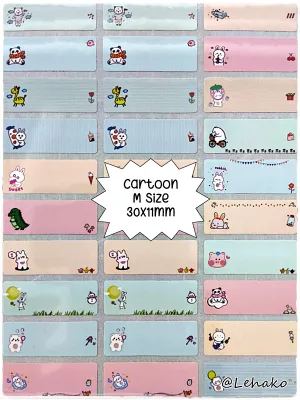
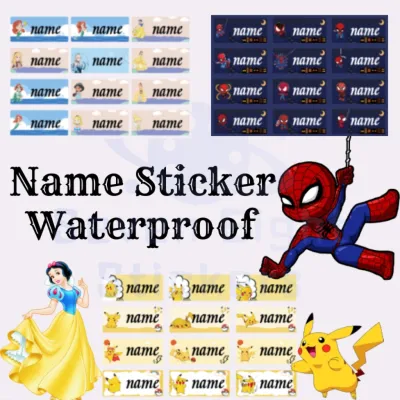
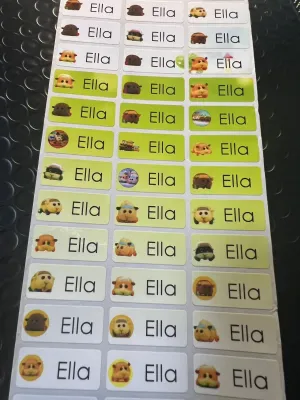
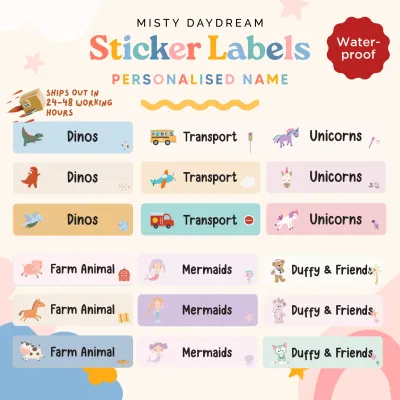
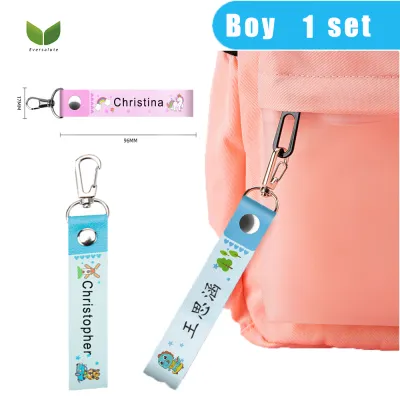
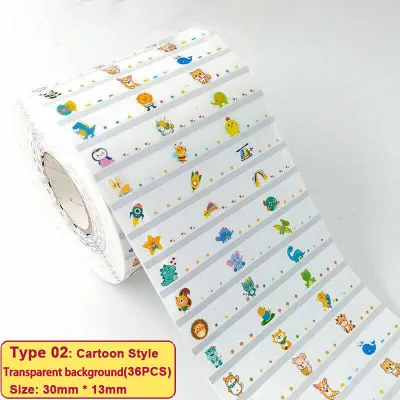
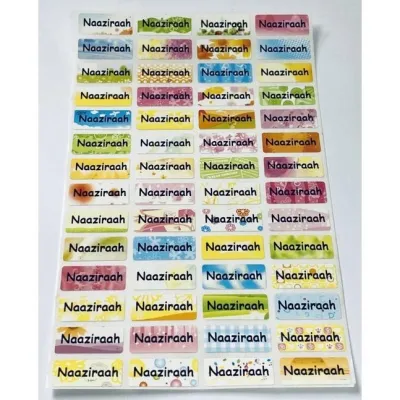
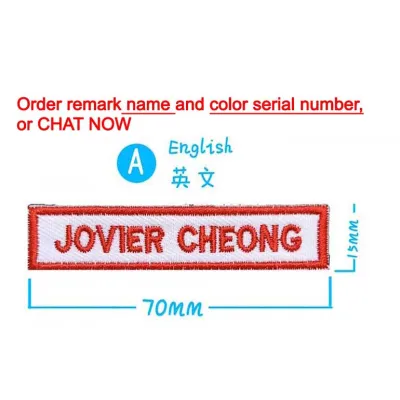
Prices are valid at publication and may change. Please refer to the product page for the latest price.
Tape width flexibility determines the versatility of the machine. A label maker that only supports a single width, such as 12mm, will struggle with very small items like pencils or very large items like textbook covers. Look for brands that offer a wide range of tape widths, typically from 3.5mm or 6mm up to 18mm or 24mm. This allows you to print tiny, wrap-around labels for stationery as well as bold, highly visible nameplates for storage boxes.
Usability factors dictate how often you will actually use the device. Physical keyboard models are self-contained and ready to print instantly, making them excellent for quick, single-line labels without needing a phone. However, they are often bulky and offer limited design customization. Smartphone app-connected models provide a highly visual design interface, allowing you to drag and drop elements, use custom fonts, and save templates. Consider your preferred workflow and whether you want a portable, battery-operated unit or one that requires an AC adapter.
Comparing Popular Label Maker Brand Categories
Laminated tape brands, most notably Brother P-touch, are widely regarded for their exceptional physical durability. These systems use a proprietary printing process where the text is printed onto the underside of a laminate layer, protecting it from scratches, water, and chemical exposure. Many of these models feature physical keyboards, allowing for standalone operation without a smartphone. When choosing this category, verify the specific waterproof and chemical-resistant ratings on the tape packaging to ensure they can withstand the high temperatures of home dishwashers.

The physical keyboard design of traditional laminated label makers makes them highly reliable for quick, repetitive labeling tasks. However, the screen on these devices is often basic, showing only a low-resolution preview of the text. This means you must rely on manual settings to adjust margins and font sizes. If you prefer a highly visual design process with custom graphics, look for hybrid models within these brands that offer both a physical keyboard and Bluetooth connectivity to a mobile app.
Office and school hybrid brands, such as Dymo, focus heavily on straightforward usability and standard tape options. These machines often utilize non-laminated plastic or paper tapes that are highly cost-effective for general labeling. While they are excellent for flat, smooth surfaces like folders and storage bins, you should carefully check the adhesive strength specifications if you plan to label curved or textured surfaces. Some standard tapes may peel at the edges when wrapped tightly around thin items like pens or circular water bottles.
Portable thermal brands, including Niimbot and Phomemo, have gained massive popularity due to their compact, app-driven designs. These pocket-sized printers connect directly to your smartphone via Bluetooth, offering an intuitive interface filled with creative fonts, cute icons, and pre-designed templates. This makes them highly appealing for creating personalized, visually engaging name stickers for children. However, because they rely on direct thermal printing, the labels are sensitive to heat and light.
Before purchasing a portable thermal printer for school items, it is critical to verify the water, heat, and fade resistance limits of the specific thermal paper rolls you intend to buy. Standard thermal paper can turn completely black if exposed to high heat, such as hot water washes or sterilization cycles. If you plan to label lunchboxes or water bottles that require daily washing, ensure the brand offers specialized synthetic or waterproof thermal labels, and test a small sample first to verify its longevity.
Professional-grade brands, such as Epson LabelWorks, offer heavy-duty durability and highly specialized tape options, including iron-on fabric tapes and extra-strong adhesives. These devices are built to handle high-volume printing and offer precise control over margins, which helps reduce tape waste. While they provide outstanding reliability, the learning curve and larger physical size of these machines may be unnecessary for casual home use. Assess whether your labeling needs extend beyond basic school gear before investing in a professional-grade system.
Matching Label Materials to Specific School Items
Water bottles, food containers, and lunchboxes represent the most demanding application for school name stickers. These items undergo daily washing, exposure to food oils, and physical abrasion inside school bags. For these applications, prioritize laminated or highly water-resistant synthetic tapes with strong adhesives. Additionally, if the label is placed near the mouthpiece of a bottle or inside a lunchbox lid, check the packaging for food-safe or non-toxic material certifications to ensure safety.
Textbooks, notebooks, and plastic folders require a different set of label characteristics. Here, the primary goal is clear legibility and scratch resistance so that teachers and students can quickly identify the owner. Standard 12mm or 18mm paper or plastic tapes with high-contrast black text on a white or yellow background work best. Because these items are rarely exposed to moisture, you can opt for more cost-effective, non-laminated thermal or paper labels without worrying about water damage.
Pencils, pens, and small stationery items present a unique physical challenge due to their narrow, curved surfaces. Standard 12mm labels are too wide and will quickly peel off when wrapped around a thin pencil. For these items, select narrow tapes, such as 6mm or 9mm widths. Alternatively, use flexible ID tapes or wrap-around transparent labels where the printed text is covered by a clear tail that wraps around the pencil, protecting the print from finger oils and friction.
When labeling high-turnover stationery or rented textbooks, adhesive residue becomes a major consideration. Some extra-strength adhesives leave a sticky, difficult-to-remove residue that can ruin book covers or attract dirt on plastic cases. Before applying labels to valuable or temporary items, check the manufacturer’s specifications regarding residue-free removal. Opt for standard or removable adhesive tapes for items that will eventually need the labels peeled off at the end of the school year.
Consumable Costs and Availability in Singapore
The initial purchase price of a label maker is only a small part of the long-term cost; the ongoing expense of replacement tapes is often much higher. Many users are tempted to buy cheap, third-party compatible tapes instead of original manufacturer consumables. While compatible tapes can offer significant cost savings, they also come with trade-offs. These can include lower adhesive quality, inconsistent print clarity, and a higher risk of the tape backing peeling off inside the machine, which can lead to printer jams or damage to the print head.
Sourcing replacement tapes locally in Singapore is an important factor for busy parents who might need to print labels urgently before the school term starts. Major laminated tape brands enjoy excellent retail distribution, with replacement cartridges readily available in physical stationery stores across Singapore. In contrast, specialized thermal paper rolls for portable app-driven brands are often harder to find in brick-and-mortar shops. For these brands, you will likely need to rely on online marketplaces, which requires planning ahead for shipping times.
The underlying printing technology also dictates the long-term cost structure. Laminated systems use a ribbon cartridge system that consumes both the label tape and the ink ribbon simultaneously, resulting in a higher cost per print. Direct thermal printers do not use ink or ribbons, relying instead on heat-sensitive paper rolls, which generally results in a lower cost per label. However, you must weigh this lower cost against the shorter lifespan and reduced durability of thermal paper in demanding environments.
Decision Framework: Which Brand Fits Your Needs?
To finalize your choice, start by identifying the primary items you need to label. If your absolute priority is maximum durability for water bottles, lunchboxes, outdoor sports gear, and items subjected to frequent washing, a laminated tape brand is the most reliable option. These machines produce labels that can withstand heat, moisture, and heavy handling without peeling or fading, making them a long-lasting investment for the entire school career.
If your focus is on aesthetic customization, creative designs, and quick printing directly from your smartphone, an app-driven portable thermal brand is the ideal fit. These devices are perfect for labeling books, folders, pencil cases, and dry storage containers where you want to use cute icons, custom fonts, and personalized borders. They offer unmatched design flexibility and are highly engaging for children who want to help design their own name stickers.
For parents who prefer a screen-free, tactile experience, a simple mechanical or embossed label maker remains a classic choice. These devices do not require batteries, apps, or ink, using physical pressure to emboss raised letters onto durable plastic tape. While they offer very limited font and design options, they are incredibly durable and safe for younger children to operate independently, turning the labeling process into a fun, hands-on activity.
Before making any final purchase, always verify that the specific tape’s adhesive is rated for the materials used in your child’s school gear. Some plastics, metals, or textured silicone surfaces repel standard adhesives, causing labels to peel off almost immediately. Check the manufacturer’s compatibility charts or product labels to ensure the tape will bond securely to the specific surfaces of your water bottles and lunchboxes, saving you time and preventing wasted consumables.
Frequently Asked Questions (FAQ)
Are thermal label makers waterproof enough for school water bottles?
Standard direct thermal paper labels are generally not waterproof and will quickly degrade, fade, or turn black when exposed to moisture, friction, and heat from washing. If you want to use a thermal label maker for school water bottles, you must verify that the manufacturer offers specialized synthetic, plastic, or waterproof thermal tapes. Always check the product specifications to ensure the tape is rated for water exposure, and consider hand-washing labeled items to extend the life of the sticker.
How do I remove name stickers from school items without leaving residue?
Removing old name stickers without damaging the underlying item requires a gentle, step-by-step approach. Start by applying gentle heat with a hairdryer to soften the adhesive, then slowly peel the label off from one corner. For any stubborn adhesive residue left behind, apply a small amount of mild oil-based remover or isopropyl alcohol to a cloth and gently wipe the area. Always test any removal method on an inconspicuous spot first, and strictly follow the item manufacturer’s care instructions to avoid damaging plastic or painted finishes.

Community discussion
Share your experience or ask a question. Comments are reviewed before publication.