
Finding the best label maker brand to create a name label sticker in Singapore depends on where you plan to stick it and how much wear and tear it will face. Singapore’s tropical humidity and heat can degrade adhesives and cause certain prints to fade prematurely, meaning the “best” brand is highly conditional on your specific surface, environment, and volume requirements.
For maximum durability on items like water bottles, lunchboxes, and school gear that undergo daily washing, Brother’s thermal transfer technology with laminated TZe tapes is the industry standard. For quick, highly customizable, and aesthetic labels featuring icons or emojis, portable Bluetooth printers like Niimbot or Phomemo are incredibly convenient. For straightforward, standalone home and office organization, Dymo remains a reliable, physical-keyboard classic, while Epson offers specialized tape options like iron-on labels for school uniforms.
Core Criteria for High-Quality Name Label Stickers
When evaluating different label maker brands specifically for creating a name label sticker, several technical and practical standards determine how well the label will perform over time. Understanding these criteria helps you look past aesthetic designs and focus on the functional longevity of the stickers.
Products mentioned in this guide
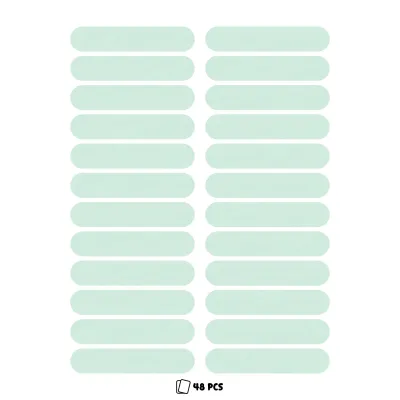
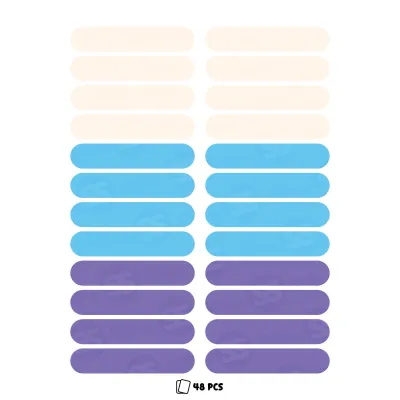
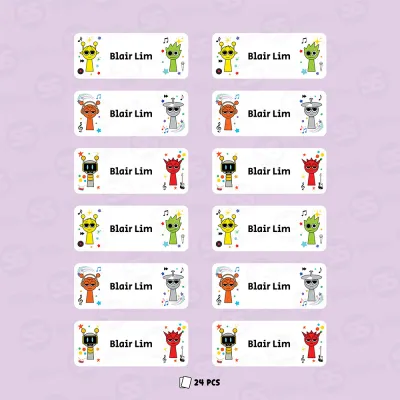
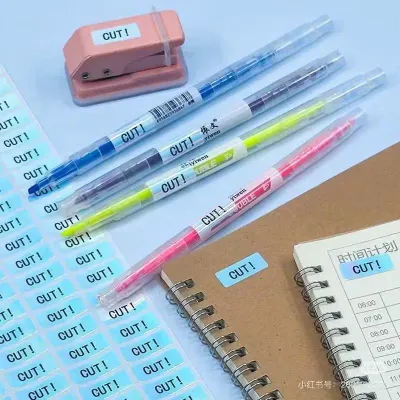
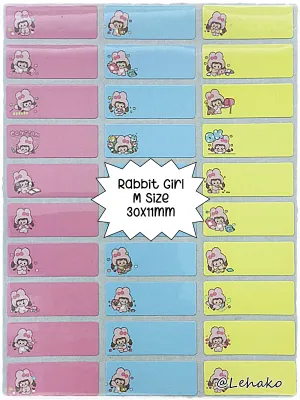
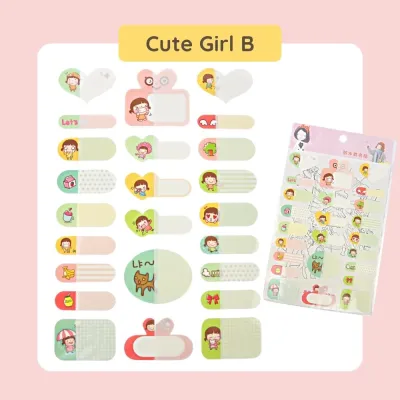
Prices are valid at publication and may change. Please refer to the product page for the latest price.
First, print clarity and resolution are essential for small-scale labeling. Most entry-level label makers print at 180 DPI (dots per inch), which is perfectly adequate for standard-sized text. However, if you need to print small name stickers for thin items like pencils, pens, cutlery, or charging cables, you should look for models offering 203 DPI or even 360 DPI. High-resolution printing ensures that tiny fonts and intricate custom icons remain crisp and legible rather than blurring into an unreadable smudge.
Second, label durability is paramount, especially in Singapore’s climate. A name label sticker applied to a child’s water bottle or food container must withstand daily dishwashing, friction from being slid into school bag pockets, and exposure to UV light. Laminated labels feature a protective top layer that shields the printed text from moisture, oils, and physical abrasion. Non-laminated labels, while cheaper, tend to peel, scratch, or fade quickly when exposed to liquids or constant handling. Always check the manufacturer’s specifications regarding water, chemical, and temperature resistance rather than assuming all plastic-looking tapes are waterproof.
Third, software usability governs how easily you can design and produce your labels. Modern label makers often connect to smartphones via Bluetooth or PCs via USB. The accompanying software determines your access to batch printing (printing multiple names or copies at once to save tape), pre-designed templates, and custom icon integration. Custom icons are particularly useful for helping young children identify their belongings before they can read. Ensure the companion app is regularly updated and compatible with your smartphone’s operating system.
Brand Comparison: Strengths and Limitations
To find the ideal fit, it is helpful to analyze the most common label maker brands available in Singapore. Each brand utilizes distinct printing technologies and tape ecosystems, resulting in different performance profiles for creating name stickers.

Brother P-touch Series
Brother is a dominant brand in the labeling industry, famous for its robust P-touch line. These machines primarily utilize thermal transfer technology, where heat transfers ink from a ribbon inside the cartridge directly onto the tape, which is then sealed beneath a protective laminate layer. This patented TZe laminated tape structure is exceptionally durable, making it highly resistant to Singapore’s high-temperature dishwashers, microwave heating, and heavy outdoor exposure without peeling or fading.
Brother offers a wide range of hardware, from standalone handheld units with physical QWERTY keyboards to desktop models that connect to computers or mobile apps. The primary trade-off with Brother is the physical design of the tape cartridges. Because they house both the ink ribbon and the tape layers, the cartridges are relatively bulky and can be expensive. Additionally, many P-touch models feed a small amount of blank tape (often 15mm to 25mm) before printing each label to ensure proper alignment, which can lead to tape waste unless you utilize batch-printing settings to print multiple name stickers in a single strip.
Dymo Label Makers
Dymo is another household name, particularly recognized for its LetraTag and LabelManager series. These devices are highly regarded for their ergonomic, user-friendly designs. Handheld Dymo models are lightweight and feature intuitive physical keyboards, making them incredibly convenient for quick, on-the-spot labeling tasks without the need to pair a smartphone or boot up a computer.
Dymo’s standard LetraTag tapes are available in paper, plastic, and metallic varieties. While these are excellent for organizing indoor environments—such as files, storage bins, pantry jars, and shelving—they do not feature the heavy-duty lamination found in Brother’s TZe line. Consequently, standard Dymo LetraTag plastic labels may start to peel or show signs of wear if subjected to frequent dishwashing, heavy friction, or wet environments. For long-lasting name stickers on items that undergo daily washing, Dymo’s standard consumer lines may require more frequent replacement, though they remain outstanding for general dry household organization.
Portable Bluetooth Printers (Niimbot & Phomemo)
In recent years, compact, pocket-sized Bluetooth label printers from brands like Niimbot and Phomemo have surged in popularity across Singapore. These devices are incredibly sleek, run on rechargeable lithium-ion batteries, and operate entirely without physical keyboards. Instead, they pair via Bluetooth with highly polished smartphone apps that offer hundreds of pre-designed templates, cute cartoon icons, border designs, and diverse fonts. This makes them the go-to choice for parents wanting to create personalized, visually appealing name label stickers for their children’s school stationery.
However, it is crucial to understand the underlying technology: most of these ultra-portable printers rely on direct thermal printing. This process uses heat-sensitive paper that darkens when exposed to the printer’s thermal head, meaning no ink or toner is required. The major limitation of direct thermal labels is their susceptibility to environmental factors. Over time, exposure to high heat (such as hot water in sink washes), friction, oil from hands, or direct sunlight will cause the thermal paper to fade or turn entirely black. To mitigate this, both Niimbot and Phomemo offer synthetic, waterproof, and oil-resistant thermal rolls. While these synthetic rolls are much more durable than standard paper thermal labels, they still do not match the multi-year lifespan of laminated thermal transfer tapes under harsh conditions.
Epson LabelWorks
Epson is a highly reliable competitor in the thermal transfer space, offering its LabelWorks series. Similar to Brother, Epson utilizes a thermal transfer system with durable tape cartridges (the LK or PX tape systems). Epson’s laminated tapes offer excellent resistance to water, heat, and abrasion, making them highly suitable for creating long-lasting name label stickers for school gear, kitchen containers, and outdoor equipment.
Epson label makers are available in both standalone keyboard models and PC/app-connected versions. One of Epson’s key strengths is its specialized tape ecosystem, which includes unique options like iron-on fabric tapes, glow-in-the-dark labels, and high-quality satin ribbons for gift wrapping. The primary consideration for Singaporean consumers is local retail availability. While Brother and Dymo tapes are widely stocked in major stationery chains and department stores across Singapore, Epson LabelWorks hardware and replacement cartridges can sometimes be harder to find on physical shelves. Users often need to procure them through online marketplaces or specialized office supply distributors, so it is wise to verify tape availability and pricing before purchasing an Epson machine.
Selecting the Right Tape for Different Surfaces
Applying a name label sticker is only half the battle; ensuring it stays firmly attached to the target surface requires matching the tape material to the object’s physical properties. Using the wrong tape type can result in labels peeling off within days, especially in Singapore’s warm and humid climate.
For smooth plastics, metals, and glass—such as water bottles, lunchboxes, and food containers—you should prioritize waterproof polyester or vinyl tapes. These materials do not absorb moisture and are highly resistant to oils. Look for labels explicitly marked as “strong adhesive” or “dishwasher-safe” on the packaging. Before applying the sticker, clean the surface thoroughly with warm soapy water or a quick wipe of isopropyl alcohol to remove any oily residues, fingerprints, or dust. Allow the surface to dry completely. Once applied, rub the label firmly with your thumb to activate the pressure-sensitive adhesive, and let it cure for at least 24 hours before exposing it to water.
For paper, cardboard, and flat wooden surfaces—such as textbooks, notebooks, school folders, and storage boxes—standard paper or non-laminated plastic tapes are highly cost-effective. Because these items remain dry and are kept indoors, you do not need to pay a premium for heavy-duty laminated tapes. These standard labels adhere easily to fibrous surfaces, though they can be difficult to peel off cleanly later if you use paper-based labels.
For fabrics and apparel—such as school uniforms, blazers, hats, towels, and canvas school bags—standard adhesive plastic labels will quickly peel off in the washing machine. Instead, you must use specialized iron-on fabric tapes, which are offered by brands like Brother, Epson, and Dymo. These tapes are made of woven fabric backed with a heat-activated adhesive. To apply them, place the printed label onto the clothing, cover it with a thin protective cloth, and press a hot iron firmly over it according to the manufacturer’s instructions. The heat melts the adhesive, fusing the label fibers directly with the garment’s fabric. Always check the clothing manufacturer’s care label first to ensure the fabric can withstand the iron’s heat.
Evaluating Long-Term Consumable Costs
When purchasing a label maker in Singapore, the initial cost of the machine is only a small part of the overall investment. The true cost of ownership lies in the ongoing purchase of replacement tapes, which can vary significantly between brands.
Traditional cartridge-based systems, such as Brother P-touch and Epson LabelWorks, typically have a higher upfront cost for both the machine and individual tape cartridges. A single genuine Brother TZe tape cartridge can cost anywhere from S$15 to S$30 depending on the width (e.g., 9mm, 12mm, or 18mm) and specialty design (such as matte, metallic, or extra-strength adhesive). However, these cartridges usually contain about 8 meters of tape. While the cost per meter is relatively high, the extreme durability of these laminated labels means you rarely have to replace them, saving money over time on items subjected to harsh daily use.
In contrast, portable direct-thermal printers like Niimbot and Phomemo often feature very affordable hardware, sometimes priced under S$30 for entry-level models. Their replacement rolls are also cheaper upfront, typically ranging from S$5 to S$12 per roll. These rolls often come as pre-cut labels (e.g., 150 small name labels per roll), which eliminates the need to manually cut the tape and minimizes blank margin waste. However, because direct thermal labels lack a laminated protective layer, they are more prone to physical wear and fading. If you find yourself constantly re-printing and replacing faded name label stickers on frequently washed water bottles, the cumulative cost of replacement rolls can eventually surpass the cost of a single durable laminated tape.
To find the best value for your specific needs, check the price per meter or price per individual label on local e-commerce platforms in Singapore. If you only need to print a few dozen highly durable name labels a year, a cartridge-based thermal transfer system is highly efficient. If you plan to print hundreds of decorative labels for temporary indoor organizing, a portable Bluetooth thermal printer will likely be much more economical.
Final Decision Guide: Which Brand Fits Your Routine?
To help you finalize your decision, consider how your daily routine and labeling volume align with each brand’s strengths.
Choose Brother P-touch if: You need ultra-durable, dishwasher-safe, and weatherproof name label stickers for children’s school gear, sports equipment, or outdoor items. This is the best choice for long-term reliability where labels must survive years of daily washing.
Choose Portable Bluetooth Printers (Niimbot or Phomemo) if: You prioritize creative customization, cute designs, emojis, and rapid batch printing. This setup is ideal for labeling kids’ school stationery, indoor pantry jars, and temporary storage bins where aesthetic variety is highly valued.
Choose Dymo if: You want a simple, standalone handheld device with a physical keyboard for quick, fuss-free home office organization. It is perfect for labeling files, folders, shelves, and dry storage containers without needing a smartphone app.
Choose Epson LabelWorks if: You want a highly reliable thermal transfer alternative to Brother with excellent specialized tape options, such as iron-on fabric labels or decorative satin ribbons, and you are comfortable sourcing your tape cartridges online.
Before making your final purchase, always verify that the specific tape width and material you require are fully compatible with the exact label maker model you choose.
Frequently Asked Questions (FAQ)
Do portable Bluetooth label makers require ink cartridges?
No, most compact, portable Bluetooth label makers do not require ink cartridges, ribbons, or toner. They utilize direct thermal printing technology, which works by using a heated printhead to activate a chemical reaction in specially treated, heat-sensitive paper or synthetic rolls. This makes them highly convenient and low-maintenance, as the only consumable you need to purchase is the label rolls themselves. However, because the paper is heat-sensitive, you must keep the printed labels away from direct sunlight, high temperatures, and friction to prevent the text from fading or turning black over time.
How can I remove name stickers from water bottles without leaving residue?
To remove old name label stickers safely without damaging your water bottle, start with gentle, low-risk methods. Soak the bottle in warm, soapy water for 15 to 20 minutes to soften the adhesive, then gently peel the label off. If any sticky residue remains, apply a small amount of a mild household oil, such as cooking oil or baby oil, to the area and let it sit for a few minutes to break down the adhesive bonds before wiping it clean with a soft cloth. Always check the manufacturer’s care instructions for both the bottle and any cleaning agents you use, and avoid harsh chemical solvents like acetone or abrasive scrubbers, which can permanently scratch or dull plastic and metal surfaces.

Community discussion
Share your experience or ask a question. Comments are reviewed before publication.