
Starting Chinese calligraphy in Singapore is an exciting journey that connects you with a rich artistic heritage. While many beginners focus heavily on selecting the perfect brush or high-quality Xuan paper, the humble ink dish (often called mo die) plays an equally critical role in your daily practice.
An ink dish holds your liquid ink, provides a surface to control the amount of ink on your brush, and helps you maintain a clean, organized workspace. Choosing the right dish ensures that your practice sessions are smooth, efficient, and free from frustrating spills or uneven ink distribution.
For those starting out in Singapore, the market offers a wide variety of options, from traditional ceramic vessels to modern, shatterproof plastic designs. Finding the ideal balance between stability, ease of cleaning, and affordability is key to establishing a sustainable practice routine. By understanding what makes an ink dish functional, you can make an informed purchase that supports your learning curve and fits seamlessly into your study space.
Products mentioned in this guide
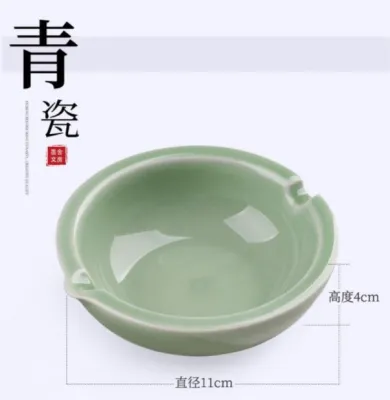
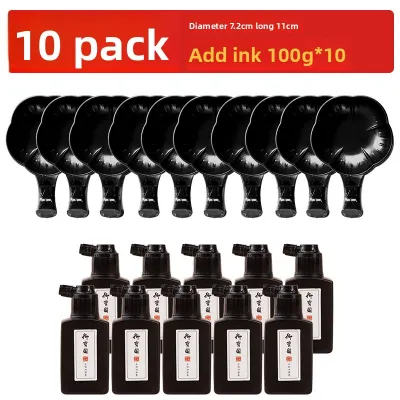
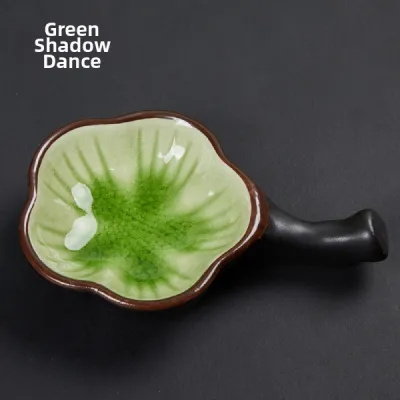
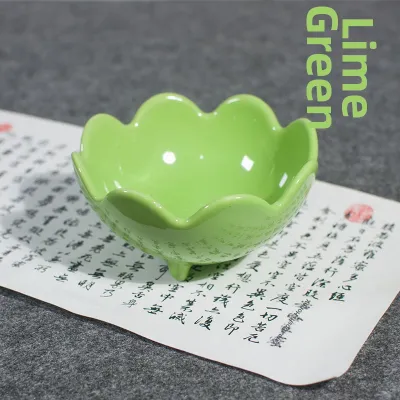
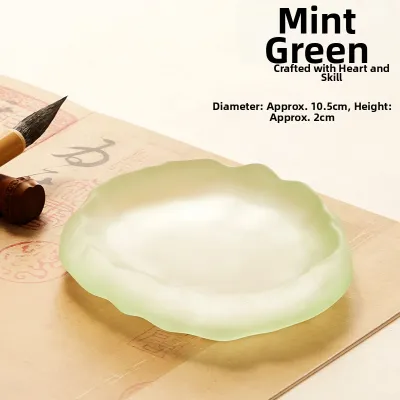
Prices are valid at publication and may change. Please refer to the product page for the latest price.
Key Features to Evaluate in a Beginner Ink Dish
When shopping for your first ink dish, several physical characteristics will directly impact your writing experience. Evaluating these features beforehand helps you avoid common pitfalls, such as tipping over your ink or damaging delicate brush hairs during practice.
The weight of the dish is paramount. A lightweight dish can easily slide across your desk or tip over when you dip a heavy, wet brush. Look for materials that offer natural heft, such as thick ceramic, porcelain, or heavy-duty resin. If you choose a lighter plastic option, ensure it has a wide, flat base or non-slip silicone feet to anchor it to your calligraphy felt pad.
The ideal depth depends on the size of the brushes you intend to use. For beginners practicing medium-sized characters using brushes with a tip length of 3 to 5 centimeters, a dish with a depth of 2 to 3 centimeters is usually sufficient. It should hold enough ink for a full practice session without requiring constant refills, yet remain shallow enough that you do not submerge the brush handle or the metal ferrule, which can ruin the adhesive holding the brush hairs.
Consider whether you will be using pre-mixed liquid ink or grinding your own ink from a traditional ink stick. For liquid ink, a smooth, glazed surface is ideal because it prevents the ink from drying out too quickly and makes cleanup effortless. If you plan to grind ink, you will need a specialized ink stone with a matte, micro-abrasive surface, as standard decorative ink dishes are too smooth to grind solid ink sticks effectively.
The rim of the dish is not just decorative; it is a functional tool for brush control. A well-designed ink dish features a smooth, slightly rounded rim or a dedicated scraping edge. This allows you to gently wipe excess ink from the brush tip, shaping the hairs into a sharp point before you touch the paper. Avoid dishes with sharp, unglazed, or highly irregular edges, as these can snag and fray the delicate natural hairs of your calligraphy brushes.
Recommended Ink Dish Types for Different Practice Styles
Different practice environments and personal preferences call for different styles of ink dishes. Understanding the strengths and limitations of each category allows you to select a tool that aligns with your specific learning setup.

Ceramic and Porcelain Dishes for Traditional Practice
Ceramic and porcelain ink dishes represent the classic choice for Chinese calligraphy, favored for centuries for their aesthetic appeal and functional weight. These dishes provide excellent stability on your writing desk, ensuring that even when you use larger, heavier brushes, the vessel remains firmly in place. The natural weight of fired clay prevents accidental slips, which is crucial when working with highly pigmented black ink that can permanently stain home furnishings.
Beyond stability, the smooth, non-porous glaze of high-quality porcelain makes cleaning incredibly straightforward. Liquid ink washes away easily under running water, even if it has dried slightly during a long practice session. Furthermore, white or light-colored ceramic dishes offer a distinct visual advantage: they provide a clear contrast against the black ink. This contrast allows you to observe the exact concentration and dilution of your ink, helping you learn how to mix water and ink to achieve different tonal gradations.
However, the primary drawback of ceramic and porcelain is their fragility. A drop onto a tiled floor or a hard desk can easily chip or shatter the dish. When handling these traditional vessels, it is important to place them away from the edge of your desk and store them securely when not in use. For beginners practicing at a dedicated home station, the benefits of weight and ease of cleaning generally outweigh the risks of breakage, making ceramic the gold standard for stationary practice.
Plastic and Resin Options for Portability and Durability
For students, children, or calligraphers who travel to community centers and classes across Singapore, plastic and resin ink dishes offer a highly practical alternative. These modern materials are virtually shatterproof, meaning you can toss them into a carrying bag alongside your brushes and copybooks without worrying about accidental damage during your commute.
While durability is a major benefit, beginners must pay close attention to the quality of the plastic. Low-grade plastics can be highly porous, leading to permanent staining as the carbon pigments in calligraphy ink seep into the material over time. To prevent this, look for high-density plastics, melamine, or heavy-duty resins that feature a smooth, polished finish designed to resist pigment absorption.
Another critical consideration is base stability. Because plastic is inherently lightweight, these dishes are more prone to sliding or tipping. To counter this, look for designs with a wide, flared base, or manually apply small adhesive silicone pads to the bottom of the dish. This simple modification increases friction against your calligraphy felt pad, providing the stability needed for confident brush dipping. Additionally, ensure the plastic material is compatible with standard water-based liquid calligraphy inks, avoiding any harsh chemical solvents during cleanup that could degrade the plastic surface.
Multi-Well and Slanted Dishes for Brush Control
Multi-well and slanted ink dishes are specialized tools designed to help beginners master the delicate art of moisture and ink control. These dishes typically feature two or more separate compartments, allowing you to keep concentrated ink in one well and clean water in another. This setup is incredibly useful for practicing ink dilution, as you can easily dip your brush into water and then lightly touch the concentrated ink to create beautiful, multi-toned strokes without muddying your main ink supply.
Slanted dishes, often featuring a gradual slope leading down to a deeper well, are particularly beneficial for managing the ink load on your brush. After dipping your brush into the deep end, you can drag the brush head up the gentle slope. This action coaxes excess ink out of the heel of the brush while keeping the tip perfectly formed and saturated. It prevents the common beginner mistake of overloading the brush, which leads to large, uncontrollable blots of ink on your practice paper.
The main trade-off with multi-well and slanted designs is their physical footprint. Because they incorporate multiple sections, they tend to take up more space on your writing desk than a simple, round dish. If you have a compact study desk, you will need to measure your available workspace to ensure the dish fits comfortably alongside your grid paper, brush hanger, and paperweights. However, if space permits, the added control these designs offer can significantly accelerate your brush-handling skills.
Where to Buy Calligraphy Ink Dishes in Singapore
Finding quality calligraphy supplies in Singapore is relatively straightforward if you know where to look. For a hands-on shopping experience, specialized art supply stores and traditional Chinese stationery shops are excellent starting points. Locations such as the Bras Basah Complex house several long-standing shops that specialize in Chinese calligraphy and painting materials. Visiting these physical stores allows you to physically feel the weight of the ink dishes, inspect the smoothness of the rims, and ask experienced staff for recommendations tailored to your budget.
If you prefer the convenience of online shopping, various e-commerce platforms and local online stationery stores offer a vast selection of ink dishes. When purchasing online, it is essential to verify the seller’s credentials and read customer reviews carefully. Look for listings that provide detailed product dimensions and material specifications to ensure you do not accidentally purchase a miniature dish meant for miniature brushes. Pay close attention to reviews mentioning the packaging quality, as ceramic items require robust wrapping to survive transit.
For absolute beginners, looking for bundle deals can be highly cost-effective. Many local retailers and online sellers offer starter kits that package an ink dish together with essential items like beginner-friendly wolf or sheep hair brushes, practice paper, and a bottle of liquid ink. Purchasing a curated bundle often provides better value than buying each component individually and ensures that all your tools are proportionally sized and compatible with one another. Prices for basic beginner dishes typically range from S$5 to S$15, making them an accessible entry point into the art.
Cleaning and Maintaining Your Ink Dish
Proper maintenance of your ink dish is essential for preserving both the vessel itself and the quality of your calligraphy brushes. Developing a consistent cleaning routine prevents dried ink from building up, which can ruin the texture of your dish and transfer unwanted debris to your brush during future practice sessions.
The most important rule of ink dish maintenance is to rinse the dish immediately after every practice session. Liquid calligraphy ink contains binders, such as animal glue or acrylic agents, which become incredibly difficult to remove once fully dried. By taking your dish to the sink right after you finish writing, you can easily wash away the wet ink with warm, running water. Avoid using harsh chemical detergents or abrasive scrubbing pads, as these can scratch the glazed surface of ceramic dishes or dull the finish of plastic ones, creating microscopic crevices where ink can trap and dry in the future.
If you do find yourself with stubborn, dried ink residue, do not scrape it with metal tools. Instead, fill the dish with warm water and let it soak for fifteen to thirty minutes to soften the binders. Once softened, gently wipe the residue away using a soft sponge or a microfiber cloth.
After washing, proper drying is crucial, especially in Singapore’s warm and humid climate. Wipe the dish thoroughly with a clean towel and allow it to air-dry completely in a well-ventilated area before storing it away. Leaving moisture in the dish or storing it in a damp, enclosed drawer can encourage the growth of mold or mildew, which can ruin your brushes and contaminate your ink supply during your next session.
Frequently Asked Questions (FAQ)
Can I use a regular kitchen sauce dish for calligraphy?
Yes, many beginners start by using a standard ceramic kitchen sauce dish, as they are readily available and highly affordable. However, while a kitchen dish can hold ink, it lacks several design features that make a dedicated calligraphy ink dish much easier to use. The primary difference lies in the rim design; kitchen dishes often have sharp, steep, or highly glazed rims that do not allow you to wipe and shape your brush tip effectively. A dedicated ink dish typically features a wider, flatter, or specially contoured rim designed specifically for scraping away excess ink without damaging the delicate brush hairs.
Additionally, kitchen sauce dishes are often lighter and have smaller bases, making them more prone to tipping over when holding a fully saturated calligraphy brush. If you do choose to use a kitchen dish to start, select a heavy, flat-bottomed ceramic option with a smooth, rounded edge, and transition to a purpose-built calligraphy dish once you begin practicing regularly.
Do I need an ink stone instead of an ink dish for beginners?
For absolute beginners, a dedicated ink dish paired with high-quality bottled liquid ink is highly recommended over an ink stone. Grinding your own ink from a solid ink stick on an ink stone is a beautiful, meditative process, but it requires a significant amount of time, patience, and physical technique to achieve the correct consistency. When you are first learning calligraphy, your primary focus should be on mastering brush grip, posture, and stroke order. Using liquid ink in an ink dish provides a consistent, ready-to-use medium, allowing you to maximize your practice time.
An ink stone becomes a valuable investment once you transition to intermediate practice and wish to explore the subtle tonal variations and archival qualities of freshly ground ink. Until then, a simple, stable ink dish is the most practical and efficient tool to support your daily learning journey.
Community discussion
Share your experience or ask a question. Comments are reviewed before publication.