
Shortening trousers at home does not require advanced tailoring skills or a sewing machine. Using a high-quality double-sided fusible web, commonly referred to as a tape for shorten pant projects, allows you to achieve a clean, invisible hem in minutes. Brands like Dritz, Prym, and Hemline offer specialized adhesives that bond fabric layers together using the heat of a household iron. To ensure a durable hold that survives regular wear and washing, you must select a tape that matches the exact weight, stretch profile, and care requirements of your garment.
The success of a no-sew hem depends entirely on choosing the correct adhesive formulation. A tape that is too thick will make lightweight suit trousers look stiff and unnatural, while a tape that is too thin will quickly fail on heavy denim or workwear. By understanding the specifications of different hemming tapes, you can confidently alter your wardrobe at home and achieve professional-looking results.
How to Choose the Right Tape to Shorten Pants
Selecting the appropriate tape to shorten pants requires evaluating the fabric characteristics of your garment alongside the adhesive properties of the fusible web. Fusible hemming tape is not a one-size-fits-all solution; it is a heat-activated polyamide or copolyester adhesive that melts into the fibers of the fabric to create a secure bond. Matching the tape’s physical properties to your pants ensures the hem remains invisible, flexible, and intact through daily wear.
Products mentioned in this guide
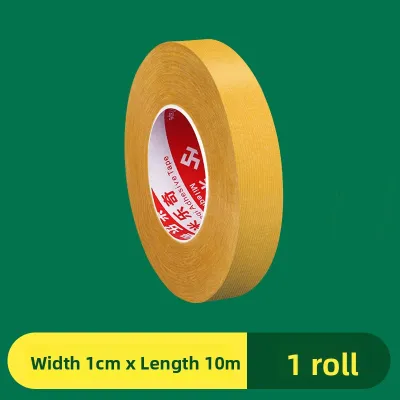
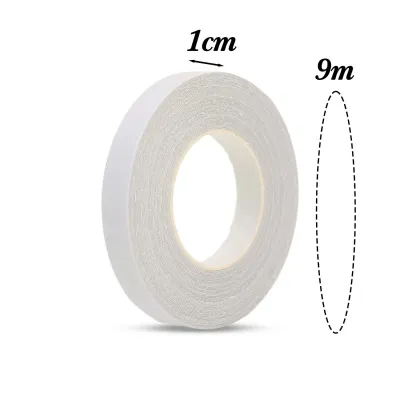
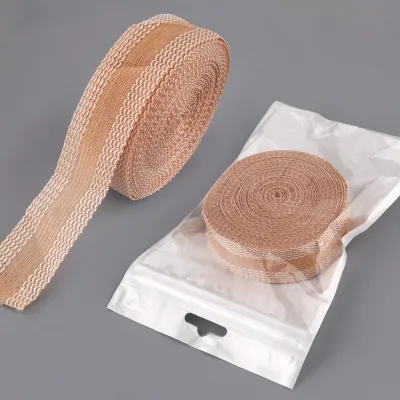
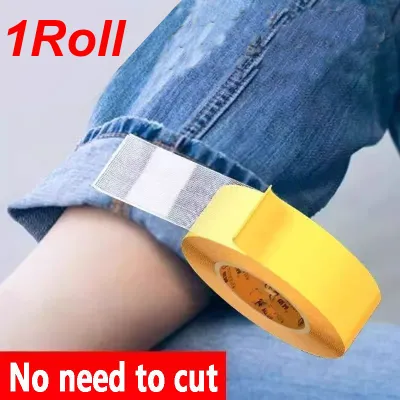
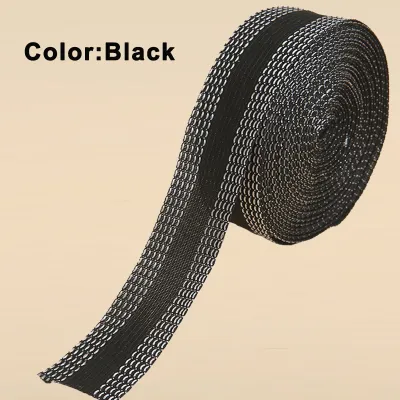
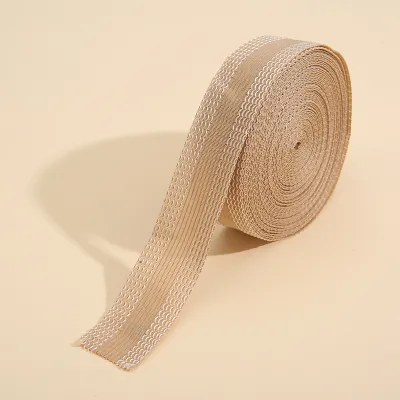
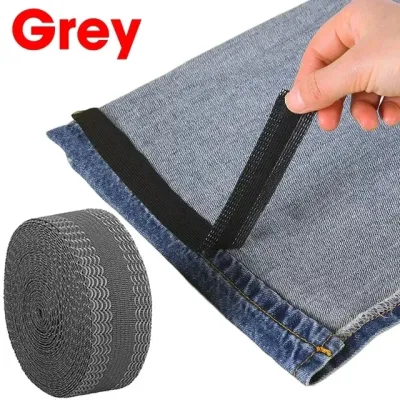
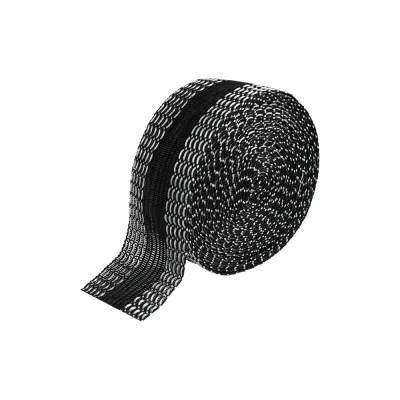
Prices are valid at publication and may change. Please refer to the product page for the latest price.
Fabric Weight Compatibility
The weight of your fabric is the primary factor in determining which hemming tape to use. Fusible tapes are categorized into lightweight, medium-weight, and heavy-duty variations. Lightweight tapes are thin, delicate webs designed to melt quickly and bond sheer or fine fabrics without adding bulk. Medium-weight tapes offer a balance of strength and flexibility, making them suitable for standard cotton chinos, linen trousers, and synthetic blends. Heavy-duty tapes feature a thick, dense web of adhesive designed to penetrate heavy, tightly woven fibers.
Using a heavy-duty tape on lightweight or delicate fabrics is a common mistake that leads to poor aesthetic results. The excess adhesive in heavy-duty tape will seep through thin fabric fibers, leaving visible, shiny glue stains on the outside of the pants. Additionally, the thick adhesive layer cures into a rigid band, stripping the fabric of its natural drape and causing the hem to look unnaturally stiff. Conversely, attempting to use a lightweight tape on heavy fabrics like denim or canvas will result in an immediate failure. The thin adhesive web cannot penetrate the deep grooves of heavy weaves, causing the hem to split open under minor physical tension.
Stretch and Flexibility
Modern garments frequently incorporate elastane or spandex to provide stretch and comfort. When altering stretch denim, joggers, knit trousers, or yoga pants, standard woven or non-woven fusible tapes are highly prone to failure. Standard hemming tapes form a rigid, non-elastic bond once cured. When the fabric stretches during movement—such as sitting, bending, or walking—the rigid adhesive bond cannot expand with the fibers. This mechanical stress causes the adhesive to snap, peel, or tear away from the fabric, ruining the hem.
To alter stretch garments successfully, you must use a specialized stretch-compatible fusible web. These tapes are manufactured using a flexible, elastomeric adhesive pattern or a knit construction that allows the cured bond to expand and contract alongside the fabric fibers. Using a stretch-friendly tape ensures that the hem remains secure and flat, preventing the puckering or wavy distortion that often occurs when rigid tapes are forced onto elastic materials.
Washability and Climate Factors
Before purchasing a tape for shorten pant projects, verify its wash-fastness against the care instructions of your garment. Most high-quality fusible tapes are formulated to withstand standard machine washing and dry cleaning. However, some light-duty or temporary basting tapes are water-soluble and will dissolve completely during the first wash cycle. Always check the product packaging to confirm that the adhesive is permanent and compatible with your preferred laundering method. High-temperature washing and high-heat tumble drying can gradually degrade the chemical bonds of fusible adhesives over time, so opting for cold or warm gentle cycles is highly recommended for extended hem longevity.
Environmental factors also play a critical role in the performance and shelf life of your hemming tape, particularly in humid tropical environments like Singapore. High relative humidity can introduce moisture to unused tape rolls stored in open air. This moisture can degrade the paper backing of fusible webs or cause the adhesive web to become sticky and clump inside the packaging, rendering it difficult to apply evenly. To protect your sewing supplies, store unused hemming tape in a cool, dry place inside an airtight container or a resealable plastic bag with a silica gel packet. This prevents premature moisture absorption and ensures the adhesive activates correctly when ironed.
Width Selection
Hemming tapes are available in various widths, typically ranging from 1/2 inch (approximately 12mm) to 1 inch (approximately 25mm) or wider. Choosing the correct width depends on the hem allowance of your pants and the weight of the fabric. The tape should always be slightly narrower than the folded hem allowance to prevent any adhesive from extending beyond the fabric edge during application.
For lightweight trousers, dress pants, and summer chinos, a 1/2-inch tape is generally ideal. It provides a discrete, narrow bond that preserves the natural movement and drape of the trouser leg without adding unnecessary stiffness. For heavy denim jeans, cargo pants, and thick workwear, a wider 1-inch tape is preferred. The wider surface area distributes the mechanical stress of the heavy fabric over a larger zone, ensuring a more robust and durable bond that can withstand the weight of the fabric and the friction of daily wear.
Reliable Hemming Tape Brands and Types for DIY Alterations
The market offers several reputable haberdashery and sewing notions brands that produce reliable fusible webs. Understanding the specific product lines, strengths, and limitations of these brands allows you to select the precise adhesive formulation required for your specific garment alteration.

Heavy-Duty Tapes for Denim and Thick Fabrics
When altering robust garments such as heavy denim jeans, work trousers, canvas overalls, or thick cotton cargo pants, you require an adhesive that can bridge the gaps in coarse fabric weaves. Standard lightweight tapes will quickly fail under the weight and friction of these materials.
- Brand/Type Focus: Dritz Stitch Witchery Heavy Duty and Hemline Heavy-Duty Fusible Web are excellent choices. Dritz features a thick, dense polyamide web that melts into a powerful, permanent bond, highly resistant to machine washing. Hemline offers a robust, heavy-duty tape designed to handle thick, heavy-weight fabrics, providing a reliable hold that prevents thick hems from unfolding or fraying.
- Use Cases: These heavy-duty tapes are best utilized on heavy denim, thick cotton canvas, corduroy, and structured workwear where a strong, rigid bond is necessary to secure the heavy layers of folded fabric.
- Limitations: The primary limitation of heavy-duty tapes is their potential to make the hem area noticeably stiff. On medium-weight fabrics, this stiffness can cause the bottom of the pants to flare out unnaturally. Additionally, activating these thick adhesives requires higher iron temperatures and longer pressing times, which can damage or scorch heat-sensitive synthetic fibers.
- Pre-Purchase Checks: Before purchasing a heavy-duty tape, locate the care label on your pants to verify the maximum safe iron temperature. If your pants are made of a synthetic blend that cannot tolerate high heat (such as polyester-spandex blends), a heavy-duty tape may not be suitable, as the iron temperature required to melt the adhesive could melt or glaze the fabric fibers.
Lightweight Tapes for Suit Trousers and Chinos
For dress pants, suit trousers, linen slacks, and lightweight cotton chinos, maintaining a natural, fluid drape is essential. The hem must look completely seamless from the outside, with no visible ridges, stiffness, or adhesive seepage.
- Brand/Type Focus: Prym Vliesofix (Bondaweb) and standard lightweight Dritz Stitch Witchery are ideal. Prym Vliesofix is a lightweight, translucent fusible web with a paper backing that allows you to iron the adhesive onto one side of the hem first, remove the paper, and then fuse the hem closed, ensuring precise alignment. Standard Stitch Witchery is a classic polyamide web that melts quickly under moderate heat, providing a secure bond while remaining soft and flexible.
- Use Cases: These lightweight tapes are perfect for office wear, wool suit trousers, linen pants, lightweight summer cottons, and delicate synthetic blends where a soft drape and invisible finish are critical.
- Limitations: Lightweight tapes have lower tensile strength than their heavy-duty counterparts. They are less resistant to heavy physical abrasion and may begin to peel if subjected to frequent high-heat washing cycles. Furthermore, if the iron temperature is set too high during application, the delicate adhesive web can vaporize or seep through the fabric, leaving a shiny residue on the exterior of the garment.
- Pre-Purchase Checks: When working with delicate suit fabrics or synthetics, check if the tape instructions recommend using a damp pressing cloth. A damp cloth is vital because it creates a protective barrier of steam, allowing the heat to melt the adhesive while preventing the direct contact of a hot iron from scorching or glazing delicate wool or polyester fibers.
Stretch-Friendly Tapes for Activewear and Blends
Traditional fusible tapes form a rigid, crystalline bond that does not stretch. If applied to stretch fabrics, the bond will crack and peel the moment the fabric is pulled. For modern activewear, knit trousers, and stretch denim, a flexible adhesive is mandatory.
- Brand/Type Focus: Dritz Stretch Stitch Witchery and flexible knit fusible webs are specifically engineered to stretch and recover along with the fabric. They maintain a flexible, elastic bond that does not restrict the movement of stretch denim or knit materials, ensuring the hem remains flat and intact during physical activity.
- Use Cases: Essential for yoga pants, athletic joggers, stretch-denim jeans, and any garment containing a high percentage of elastane or spandex.
- Limitations: Stretch-friendly tapes often have a narrower acceptable temperature window for iron activation. If the iron is too cold, the elastic bond will not fuse properly; if the iron is too hot, the elastomeric properties of the tape can be destroyed, rendering it rigid or causing it to fail.
- Pre-Purchase Checks: When shopping, always inspect the product packaging for terms such as "stretch," "flexible," "knit," or "elastic." Do not assume standard fusible tapes will work on stretch fabrics, as standard and stretch tapes are not interchangeable.
Step-by-Step Guide: Shortening Pants with Hemming Tape
Achieving a clean, durable, and professional-looking hem with fusible tape requires careful preparation and precise execution. Follow this step-by-step guide to ensure your altered pants look excellent and stay secure.
Preparation
Always wash and dry new pants before attempting to shorten them. New garments often contain factory sizing agents that can prevent the fusible adhesive from bonding securely to the fabric fibers. Furthermore, fabrics like cotton, linen, and denim are prone to shrinking during their first few wash cycles. If you alter the pants before washing them, the fabric may shrink later, causing the hem to pucker or become too short.
Once washed and dried, put the pants on while wearing the shoes you plan to pair with them. Stand naturally and have someone assist you in measuring and pinning the hem to your desired length. Use sewing pins or tailor’s chalk to mark the exact new hemline clearly around the circumference of both pant legs.
Cutting and Folding
Lay the pants flat on a clean work surface or ironing board. Measure the distance from the marked hemline downward to establish your hem allowance. A standard hem allowance is typically 1 to 1.5 inches (approximately 2.5 to 3.8 cm). This allowance provides enough fabric to fold upward inside the pant leg, creating a clean edge and giving the hemming tape a sufficient surface area to bond.
Using sharp fabric shears, carefully cut away the excess fabric below your marked hem allowance line. Be precise to ensure an even cut. Next, fold the fabric upward along the marked hemline inside the pant leg. Use a hot iron to press a sharp, crisp crease along the folded edge. This crease establishes the clean bottom edge of your shortened pants and makes inserting the tape much easier.
Tape Insertion
Unroll a length of hemming tape and cut it to match the circumference of the pant leg, adding a tiny overlap of about 1/4 inch (6mm) to ensure complete coverage. Carefully unfold the hem crease slightly and place the tape inside the fold, resting it flat against the fabric.
It is critical to position the tape so that it lies entirely within the folded hem allowance. The tape must be placed approximately 1/8 inch (3mm) away from the raw cut edge and the pressed crease. Ensure that no portion of the adhesive tape extends beyond the fabric edge. If the tape protrudes, it will melt directly onto your iron’s soleplate or your ironing board cover, creating a sticky, difficult-to-clean mess and potentially ruining your garment.
Ironing and Safety Boundaries
Before applying heat, consult the care label inside your pants and the manufacturer’s instructions for the hemming tape to determine the safe temperature limits. Set your iron to the appropriate heat setting (typically the wool or cotton setting, depending on fabric compatibility).
Always check the garment care label and the tape instructions for temperature limits before proceeding. Use a damp pressing cloth between the iron and the fabric to generate steam and protect the material. Apply steady, even pressure (do not slide the iron) for the time specified by the manufacturer (usually 10 to 15 seconds). Lift the iron, move to the next section of the hem, overlap slightly, and repeat the pressing process until the entire circumference of both pant legs has been fused.
Cooling and Curing
The chemical bonding process of fusible hemming tape is completed as the adhesive cools and solidifies. Do not pull, stretch, or test the strength of the hem while the fabric is still warm. Handling the warm hem can disrupt the adhesive bond before it has fully cured, leading to premature peeling or failure.
Lay the pants flat on a cool surface and allow them to rest undisturbed until they are completely cool to the touch. Once cooled, gently inspect the hem to ensure a secure bond. For optimal durability, allow the adhesive to cure fully by waiting at least 24 to 48 hours before washing, depending on the specific guidelines provided by the tape manufacturer.
Troubleshooting and Care for Tape-Hemmed Pants
Even with careful application, you may occasionally encounter issues with your tape-hemmed pants. Understanding how to troubleshoot common problems and care for your altered garments will help you extend their lifespan and correct any mistakes.
Glue Seepage
Glue seepage occurs when the adhesive melts excessively and bleeds through the fabric fibers, appearing as shiny, stiff, or dark patches on the outside of the pants. This is typically caused by using an iron that is too hot, applying pressure for too long, using a tape that is too wide for the fabric, or failing to use a damp pressing cloth.
If you accidentally get adhesive residue on your iron’s soleplate, do not attempt to scrape it off with metal tools, which can permanently scratch the iron. Instead, allow the iron to cool slightly until it is warm but safe to touch. Apply a specialized commercial iron cleaner to a clean cotton cloth and wipe away the softened residue. Alternatively, you can use a damp cloth with mild soap or rubbing alcohol to gently scrub the warm soleplate until the adhesive is completely removed.
Hem Peeling After Washing
If your hem begins to peel or separate after laundering, it is usually due to insufficient heat during application, washing before the cure time has elapsed, or using the wrong tape weight for the fabric.
To repair a peeling hem, you do not necessarily need to apply a new piece of tape. First, try re-pressing the area using a damp pressing cloth and a hot iron. The heat and steam may reactivate the remaining adhesive, allowing you to re-fuse the bond securely. If the adhesive has washed away or lost its bonding power, carefully remove any loose tape residue, insert a fresh strip of hemming tape, and repeat the ironing process.
Safe Removal and Adjustment
One of the greatest advantages of using fusible hemming tape is that the process is reversible. If you make a mistake, fold the hem unevenly, or need to lengthen the pants later, you can safely remove the tape without damaging the fabric.
To reverse the hem, place a damp pressing cloth over the hem area and apply a hot iron to re-apply heat, softening the adhesive. While the fabric is still warm, gently and slowly peel the fabric apart. Do not pull the fabric forcefully when it is cold, as this can tear or damage the delicate fabric fibers. If any sticky adhesive residue remains on the fabric after peeling, recommend testing any commercial adhesive removers on a hidden seam first to ensure they do not discolor or degrade the fabric before applying it to the visible areas of your pants.
Washing Care
To maximize the lifespan of your tape-altered pants, adjust your laundering routine slightly. Always turn the pants inside out before placing them in the washing machine. This simple step protects the hem edge from direct friction against the washing machine drum and other garments.
Wash the pants using a gentle or delicate cycle with cold or warm water. Avoid hot water washes, as high temperatures can soften the thermoplastic adhesive over time. Additionally, hang-drying or flat-drying your pants is highly recommended. If you must use a tumble dryer, select a low-heat setting to prevent the adhesive from overheating and losing its structural integrity.
Frequently Asked Questions (FAQ)
Will hemming tape survive regular machine washing?
Yes, high-quality, permanent fusible hemming tapes are formulated to survive regular machine washing and dry cleaning if applied correctly and allowed to cure fully. However, their long-term durability depends heavily on your laundering habits. To prevent the adhesive from degrading over time, wash your altered pants inside out on a gentle cycle using cold or warm water, and avoid high-heat tumble drying.
Can I use fabric glue instead of hemming tape for pants?
While liquid fabric glue can work to shorten pants, fusible hemming tape is generally preferred for this specific task. Liquid fabric glue is highly fluid, making it difficult to apply evenly along a long hemline. It is prone to seeping through thin fabrics, leaving stiff, visible, and permanent wet-look stains. Furthermore, fabric glue often leaves a stiff, visible ridge that can ruin the natural drape of the trousers. Fusible hemming tape provides a much more controlled, uniform, and flexible bond that preserves the garment’s original appearance.
How do I safely remove hemming tape if I make a mistake?
To safely remove hemming tape, you must reactivate the adhesive using heat and moisture. Place a damp pressing cloth over the hem and press it with a hot iron for several seconds to generate steam. Once the fabric is thoroughly heated and the glue has softened, gently and slowly peel the layers of fabric apart while they are still warm. Never attempt to pull the fabric apart when cold, as this can rip the fibers and permanently damage your pants. Any remaining adhesive residue can be lifted by pressing a scrap piece of cotton fabric over the spot or by carefully applying a fabric-safe adhesive remover after performing a spot test on a hidden seam.
Community discussion
Share your experience or ask a question. Comments are reviewed before publication.