
Teachers’ Day in Singapore is a highly anticipated occasion dedicated to honoring the educators who shape the future. While finding the perfect teachers day gifts often tops the priority list, a beautifully crafted greeting card is what truly elevates a gesture from a simple token of appreciation to a deeply personal keepsake. A card acts as the physical vessel for your gratitude, capturing memories, lessons, and thanks in a way that off-the-shelf items cannot.
To help you navigate the vibrant stationery scene in Singapore, this guide explores the best greeting card brands, independent local designers, and curated retail spaces across the island. Whether you are looking for a whimsical hand-drawn illustration that captures classroom humor, a sleek minimalist design for a tertiary lecturer, or a luxurious foil-stamped card for a retiring mentor, understanding how to match paper quality, design style, and writing compatibility is key to making your gift stand out.
How to Choose a Meaningful Teachers' Day Card
The tactile experience of a card speaks volumes before the recipient even reads the words. Paper weight is measured in grams per square meter (gsm). Standard printing paper is typically 80 gsm, whereas a premium greeting card should range between 270 gsm and 350 gsm. A card within this weight range feels substantial, resists bending, and stands proudly on a staff room desk without buckling. Finish options also play a significant role. Matte uncoated paper is highly absorbent, making it the gold standard for handwritten messages. Textured finishes, such as linen, felt, or laid paper, offer a luxurious, tactile surface but require careful pen selection to avoid skipping. Recycled paper finishes provide a rustic, organic feel with subtle natural flecks, which appeals greatly to environmentally conscious educators.
Products mentioned in this guide
![[MIN 3 CARDS] 🇸🇬SG Punny Teacher Appreciation Card Special Editions for Graduation Greeting Thank You Heartfelt Support Message Card](https://img.lazcdn.com/g/ff/kf/S46b8562713de4564b8cea4c9945a655fF.jpg_400x400q80.jpg_.webp)
Prices are valid at publication and may change. Please refer to the product page for the latest price.
The visual style of the card should reflect both the teacher’s personality and your relationship with them. Minimalist designs—featuring clean typography, generous white space, and subtle geometric accents—are excellent for secondary school teachers, junior college tutors, or university professors who appreciate a modern, sophisticated look. Illustrative cards, featuring warm, hand-drawn characters or colorful classroom scenes, are highly popular for preschool and primary school teachers, as they evoke a sense of playfulness and joy. Humorous cards that utilize clever puns, relatable school-life jokes, or lighthearted subject-specific humor (such as mathematics or science puns) work wonderfully when you share a comfortable, friendly rapport with the educator. Traditional cards with elegant floral motifs, classic borders, and formal typography remain the safest and most respectful choice for senior educators, principals, or mentors who have guided you over many years.
A common pitfall when shopping for greeting cards is overlooking the interior layout. Some heavily designed cards feature dark background colors, busy patterns, or glossy coatings on the inside pages. These design choices severely limit writing legibility and can cause ink to smudge. When evaluating cards, prioritize those with a blank, light-colored, and uncoated interior. This ensures you have ample, clean space to pen a heartfelt, multi-paragraph message without having to squeeze your handwriting into tight corners or worry about the ink bleeding through to the back.
The envelope is the very first thing a teacher touches, setting the tone for the entire gift. Avoid thin, translucent envelopes that tear easily or reveal the card’s contents through the paper. Look for envelopes crafted from heavy-weight paper (ideally 100 gsm to 120 gsm) that offer a snug fit for the card. The color and texture of the envelope should complement, rather than clash with, the card design. For instance, a rustic kraft paper envelope pairs beautifully with an organic, recycled card, while a crisp white or metallic-flecked envelope matches a premium, foil-stamped design.
Because the handwritten message is the core of the card, the interaction between your pen and the paper surface is critical. Glossy or highly coated papers do not absorb ink well, which leads to slow drying times and high susceptibility to smudging, especially if you use gel pens or fountain pens. To ensure a clean, smudge-free finish, perform a small ink test on a hidden corner of the card or a scrap piece of similar paper if available. If you are using a fountain pen, opt for uncoated, high-density paper to prevent “feathering”—a phenomenon where ink bleeds along the paper fibers, making the text look fuzzy. For textured papers, a fine-liner or a smooth-flowing ballpoint pen is often more reliable than a scratchy gel pen, as it glides over the ridges without interrupting the ink flow.
Top Greeting Card Brands and Designers to Explore in Singapore
Local Independent Stationery and Illustration Brands
Singapore’s creative scene is home to a thriving community of independent stationery designers and local illustration brands. These homegrown creators excel at designing cards that resonate deeply with the local school experience. Many of these designs incorporate nostalgic Singaporean school motifs, such as the classic green-and-white spelling books, iconic report book designs, or humorous Singlish expressions that bring a smile to any local educator’s face. Other designs feature beautifully hand-painted local flora, such as orchids and bougainvillea, or whimsical depictions of local food culture, like a warm cup of kopi paired with a message thanking the teacher for keeping the student energized and focused.

The primary appeal of choosing a local independent brand is the uniqueness of the artwork. These cards do not feel mass-produced; they carry an artistic authenticity that shows you went out of your way to find something special. This makes them highly suitable for teachers who appreciate art, local heritage, or supporting the local creative community.
When shopping for these unique designs, it is important to plan ahead. Independent creators typically produce their seasonal collections in limited batch runs. These collections are often sold directly through the brands’ official websites, at local creative makers’ markets, or via independent boutique stockists located in cultural enclaves such as Tiong Bahru, Kampong Glam, or Joo Chiat. Because stock is limited, starting your search by mid-August is highly recommended to secure the best designs before they sell out.
International Lifestyle and Premium Paper Brands
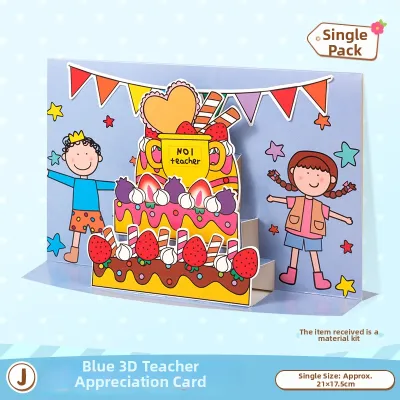
For those seeking an ultra-premium presentation, international lifestyle and heritage paper brands offer an exceptional level of craftsmanship. These global stationery houses specialize in advanced paper-engineering techniques that are difficult to find among smaller producers. Key features to look for include intricate hot foil stamping (where metallic foils are heat-pressed onto the paper for a shimmering finish), deep letterpress printing (which leaves a tactile, debossed impression in thick cotton paper), and elaborate multi-layered 3D pop-up designs that transform a flat card into a miniature sculptural display.
These premium options are particularly well-suited for formal gifting occasions. If you are writing to a school principal, a retiring senior educator, or a university professor, a sophisticated, heavy-weight international brand card conveys a high level of respect and decorum. Furthermore, because of their visual impact and artistic complexity, these premium cards can easily serve as the primary gift themselves, requiring nothing more than your heartfelt words inside to feel complete.
In Singapore, these international brands are primarily available through dedicated retail spaces. You can find them in high-end department stores along Orchard Road, specialty paper boutiques, and official online storefronts. Keep in mind that availability can fluctuate depending on seasonal import schedules, so visiting these physical retail outlets a few weeks prior to Teachers’ Day allows you to inspect the physical quality and secure your preferred designs.
Bookstore and Cultural Institution Collections
If you prefer to browse a diverse, curated selection of cards in a single location, major bookstores and cultural institution gift shops in Singapore are invaluable resources. Large, multi-story bookstores—such as those found in central shopping malls like Ngee Ann City or Bugis Junction—devote entire sections to premium imported stationery. Here, you can find a vast array of literary-themed cards, artistic prints, and educational designs that are highly relevant to a teacher’s professional passions.
For an even more specialized selection, visit the gift shops of major local museums, art galleries, or botanical gardens. The retail spaces at institutions like the National Gallery Singapore or the Singapore Botanic Gardens frequently carry exclusive, high-quality greeting cards that feature fine art reproductions, vintage botanical illustrations, or literary quotes.
These venues are ideal for finding cards that align specifically with a teacher’s subject area. An art teacher will deeply appreciate a card featuring a classic painting or a local modernist print, while a biology teacher will resonate with a detailed botanical illustration of Singapore’s native orchids. Shopping at these cultural institutions also grants access to exclusive collaborations and niche imports that are completely absent from standard supermarket aisles or neighborhood stationery shops, ensuring your card remains unique and memorable.
How to Pair Your Card with Thoughtful Teachers' Day Gifts
A greeting card should never feel like an afterthought; instead, it should work in harmony with your chosen teachers day gifts to create a cohesive, visually appealing presentation. The first step in achieving this harmony is matching the physical proportions of the card with the gift packaging. A small, delicate A6 card can easily get lost or bent if placed loosely inside a large gift hamper or shopping bag. Conversely, a large 5×7 inch card might stick out awkwardly or get damaged if forced into a compact gift box. If you are using a gift bag, look for one that features an interior pocket specifically designed to hold cards upright, or use a matching silk ribbon to tie the envelope securely to the bag’s handle. This keeps the card pristine and ensures it is the very first thing the teacher sees.
To create a polished aesthetic, match the design style of the card with the nature of the gift. If you have selected an elegant, premium card featuring gold foil accents or letterpress detailing, pair it with sophisticated, high-quality gifts. Excellent options include a structured, leather-bound notebook, a sleek refillable fountain pen, a brass desk organizer, or a tin of premium, loose-leaf artisanal tea. This combination speaks to a refined, professional aesthetic and is highly appropriate for secondary or tertiary educators.
On the other hand, if your card features a colorful, hand-drawn illustration or a lighthearted, pun-filled design, pair it with casual, practical, and vibrant everyday items. Consider matching it with a durable, insulated stainless steel tumbler in a coordinating color, a curated gift box filled with local gourmet snacks, or a practical set of high-quality classroom supplies, such as colorful grading pens, aesthetic sticky notes, and magnetic page markers. This creates a cheerful, approachable gift package that is perfect for preschool and primary school teachers.
Regardless of the physical items you choose, always remember that the handwritten message inside the card is the true emotional core of your gift. While a physical item may eventually be consumed or worn out, a heartfelt note expressing specific gratitude for a teacher’s patience, encouragement, or guidance is often kept in a desk drawer for years. The card is what elevates even the simplest token of appreciation into a deeply moving, unforgettable gesture.
Where to Shop and What to Verify Before Checkout
Choosing where to purchase your greeting cards in Singapore involves weighing the immediate, tactile benefits of physical retail against the vast variety of online shopping. Visiting physical stationery stores, local boutiques, or bookstore departments allows you to perform a hands-on quality check. You can feel the weight of the cardstock, verify the smoothness of the paper, and ensure that the card is rigid enough to stand upright. It also allows you to inspect the item for any shipping damage, bent corners, or printing registration errors before handing over your money. This is the ideal route if you are shopping last-minute or want absolute certainty regarding the card’s physical feel.
In contrast, shopping via independent brand websites or curated online marketplaces offers access to a far wider array of niche designs, personalized options, and unique artistic styles that are not stocked in physical retail stores. However, online shopping requires careful logistical planning.
Before finalizing your purchase, keep this practical checklist in mind:
- Envelope Inclusion: Do not assume every card comes with an envelope. Some independent designers sell cards as flat postcards, or package cards and envelopes separately. Always read the product description carefully to confirm an envelope is included.
- Delivery Lead Times: If ordering online, especially from local independent creators who manage their own fulfillment, allow at least 3 to 7 working days for processing and delivery. This buffer is crucial in the weeks leading up to Teachers' Day, when shipping volumes typically spike.
- Postage and Mailing Requirements: If you plan to mail the card directly to the school via SingPost, check if the card's dimensions or weight require additional postage. Square cards, oversized cards, and those featuring thick 3D pop-ups, wooden elements, or heavy metal embellishments often exceed standard letter weight and size limits, requiring non-standard postage stamps.
- In-Store Inspection: If buying in-store, always slide the card slightly out of its protective sleeve to check the spine. Heavy cardstock that has been folded without proper scoring can exhibit "cracking" along the fold line, which looks untidy and weakens the card's structure. Ensure the edges are crisp and free of fingerprint oils or smudges.
Frequently Asked Questions (FAQ)
What is the standard size for a greeting card to fit in a gift bag?
The most common standard greeting card sizes are A6 (approximately 105mm x 148mm) and 5×7 inches (approximately 127mm x 178mm). An A6 card is highly versatile and fits comfortably inside small to medium-sized gift bags without taking up excessive space. A 5×7 inch card is larger and offers more writing room, making it ideal for medium to large gift bags. If you must place a card inside a very large, unstructured, or floppy gift bag, it is highly recommended to keep the card inside a rigid mailer or place a stiff piece of backing board behind the envelope. This simple step prevents the card from bending or getting crushed by other items inside the bag during transport.
Can I find eco-friendly or recycled paper greeting cards in Singapore?
Yes, eco-friendly and sustainable greeting cards are widely available in Singapore, particularly through independent local design studios and specialty lifestyle boutiques. When shopping, look for cards labeled as FSC-certified (Forest Stewardship Council), which guarantees that the paper was sourced from responsibly managed forests. Many sustainable brands also utilize 100% post-consumer waste (PCW) recycled paper, which has a beautiful, organic texture, and print their designs using non-toxic, soy-based or vegetable-based inks. For a truly unique and zero-waste alternative, you can also find plantable seed paper cards. These cards are embedded with tiny wildflower or herb seeds; after the teacher has read and enjoyed the card, they can plant the paper in soil, water it, and watch it grow into beautiful plants, leaving absolutely no waste behind.
Community discussion
Share your experience or ask a question. Comments are reviewed before publication.