
Sending a physical card remains one of the most personal ways to celebrate milestones, express gratitude, or offer comfort. In an era dominated by instant digital messages, a tangible, well-crafted card carries a unique emotional weight that shows the recipient you took the time to select, write, and send something lasting. Whether you are celebrating a wedding, marking a colleague’s promotion, or sending a lighthearted birthday wish, finding the right card brand in Singapore ensures your message is delivered on paper that feels as premium as your sentiments.
Singapore offers a diverse stationery landscape, featuring everything from heritage international paper houses to independent local design studios. Navigating these options requires looking beyond the cover illustration to evaluate the tactile feel of the paper, the precision of the print finishes, and the ease of writing on different surfaces. By understanding what distinguishes a premium card from a generic alternative, you can make an informed choice that elevates your next handwritten message.
What to Look for When Buying Greeting Cards
Selecting a high-quality card involves assessing several physical and aesthetic dimensions. The tactile sensation of holding a card is the recipient’s first impression, making the paper specification a critical starting point.
Products mentioned in this guide
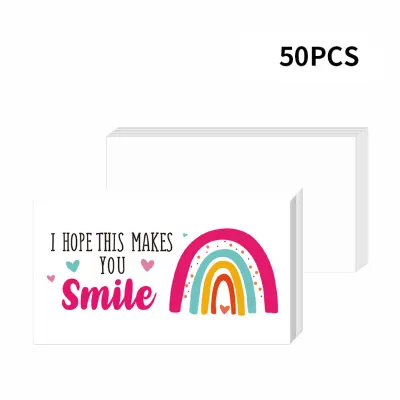
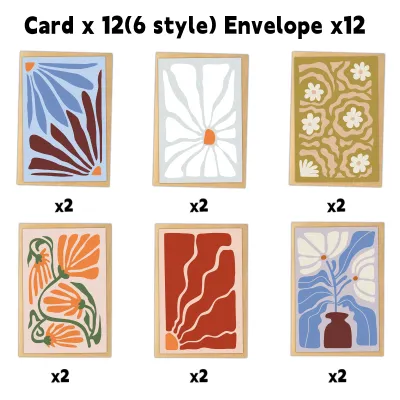
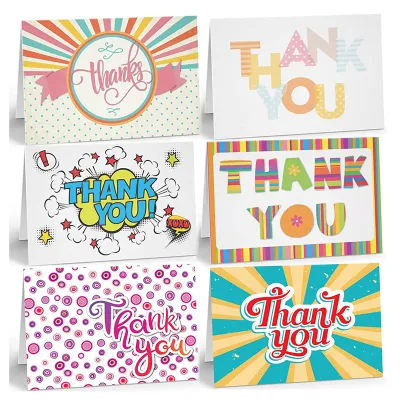
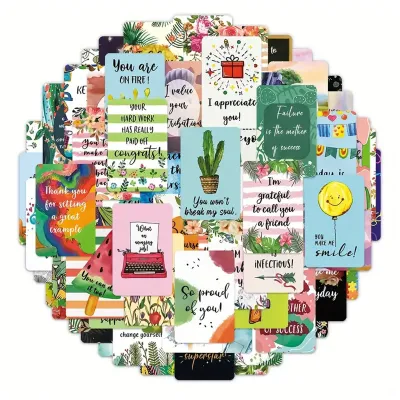
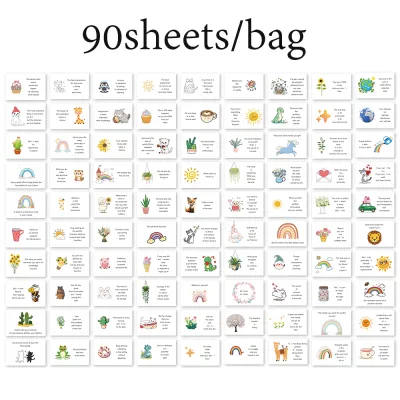
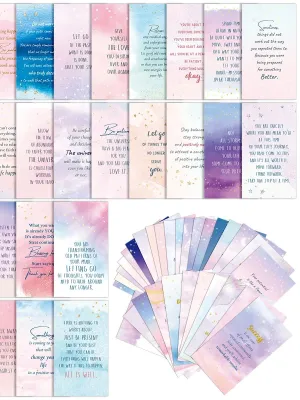
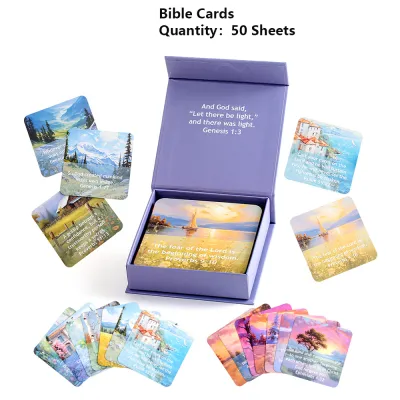
Prices are valid at publication and may change. Please refer to the product page for the latest price.
Paper Weight and Tactile Quality
Paper thickness is measured in Grams per Square Meter (GSM). Standard, budget-friendly cards often use paper between 150 and 200 GSM, which can feel flimsy and sag under its own weight. High-quality cards typically range from 250 to 350 GSM, offering a sturdy, rigid feel that stands upright on a desk or mantelpiece without warping. Beyond weight, the texture plays a vital role. Uncoated cotton blends provide a soft, luxurious, and slightly absorbent surface that is highly receptive to ink. Textured papers, such as felt-lined or laid finishes, add a sophisticated dimension, while recycled papers offer a modern, organic matte texture.
Design Styles and Print Finishes
The visual appeal of a card is determined by both the artwork and the printing techniques employed. Premium brands often elevate their designs with specialized finishes. Foil stamping utilizes heat and pressure to apply metallic gold, silver, or rose gold foil, catching the light and adding a reflective contrast to matte paper. Letterpress printing physically presses the design into thick cardstock, leaving a deep, tactile debossed impression. Embossing raises specific design elements above the paper surface. When choosing a design, match the style—whether it is minimalist typography, intricate botanical illustrations, or bold graphic layouts—to the personality of the recipient and the gravity of the occasion.
Occasion and Tone Alignment
A card should harmonize with the message inside. Formal milestones, such as weddings, major corporate achievements, or expressions of sympathy, demand elegant typography, subdued color palettes, and premium finishes. Casual events like birthdays, friendly check-ins, or congratulations on a minor achievement allow for vibrant illustrations, playful layouts, and humorous copy. Assessing the tone of the card ensures that your written message does not clash with the visual presentation.
Envelopes and Protective Packaging
A premium card is incomplete without a matching envelope. Look for envelopes made from heavy-weight paper (at least 100 to 120 GSM) that prevent the contents of the card from showing through. Elegant touches like contrasting envelope liners, deckled edges, or peel-and-seal adhesive strips enhance the unboxing experience. Additionally, check if the card is sold in a protective compostable or cellophane sleeve. This shielding prevents bent corners, dust accumulation, and fingerprint smudges before you are ready to write and present the card.
Best Greeting Card Brands for Every Occasion
To help you find the perfect match, the market can be divided into three distinct categories: premium and artistic designs, everyday and humorous picks, and eco-friendly or local artisan choices. Each category serves different gifting scenarios and aesthetic preferences.

Premium and Artistic Designs
When celebrating significant life transitions such as weddings, milestone anniversaries, or formal achievements, a luxurious presentation is paramount. These brands focus on heritage craftsmanship, heavy cardstock, and exquisite embellishments.
- Rifle Paper Co.: This globally recognized brand is famous for its hand-painted gouache floral illustrations and whimsical characters. Most of their cards are printed on high-quality, uncoated FSC-certified cover paper, often accented with delicate metallic gold foil. The uncoated finish provides an exceptionally smooth writing surface that pairs beautifully with most pen types.
- Papyrus: Known for highly detailed, multi-dimensional designs, Papyrus cards often incorporate hand-assembled embellishments, including ribbons, gems, fabric patches, and intricate die-cut elements. These cards are exceptionally heavy and come with premium envelopes featuring the brand's signature gold hummingbird seal. They are ideal when the card itself is meant to serve as a keepsake gift.
- Crane & Co.: If you seek ultimate classic elegance, Crane & Co. specializes in 100% cotton paper cards created using traditional engraving and letterpress techniques. The soft, pillowy texture of the cotton paper absorbs ink beautifully, making it the premier choice for formal thank-you notes and elegant congratulations.
Writing Considerations: Because many premium cards feature heavy foil stamping or textured, coated surfaces, you must verify your pen compatibility. Highly glossy or heavily foiled areas can repel water-based inks, leading to smudges. When writing on these cards, opt for oil-based ballpoint pens or specialized quick-drying gel pens, and allow the ink to cure fully before folding the card.
Everyday and Humorous Picks
For casual birthdays, spontaneous check-ins, office farewells, or lighthearted gestures, cards that prioritize humor, witty copy, and bright graphics are ideal. These brands focus on relatability and contemporary references.
- Hallmark (including Shoebox): As an industry giant, Hallmark offers an incredibly vast selection of cards ranging from classic sentimental messages to modern, humorous illustrations under their Shoebox line. Their cards are widely accessible and cover almost every niche occasion imaginable, making them highly reliable for last-minute shopping.
- Ohh Deer: This independent brand collaborates with a diverse collective of global illustrators to produce quirky, trend-led, and highly humorous cards. Featuring clever puns, pop-culture references, and bold, colorful graphics, Ohh Deer cards are perfect for friends and colleagues who appreciate contemporary humor.
- Emily McDowell & Friends: Known for "empathy cards" and honest, hilarious observations of modern relationships, this brand excels at finding the exact words for complex situations. Their designs rely on hand-lettered typography and warm, approachable illustrations that feel deeply personal and authentic.
Usage Advice: When opting for humorous cards, always consider the recipient’s personal boundaries and sense of humor. A joke that lands perfectly with a close childhood friend might cause unintended offense or awkwardness with a corporate supervisor. If you are a frequent card sender, look for multi-packs or bundle deals from these brands, which offer a cost-effective way to keep a curated selection of cards on hand at home.
Eco-Friendly and Local Artisan Choices
For those who prioritize sustainability or want to gift a piece of local culture, Singapore’s local design scene and eco-conscious brands offer exceptional alternatives. These cards often feature unique local themes or innovative materials.
- The Paper Bunny: Based in Singapore, this lifestyle and stationery brand is highly regarded for its clean, modern, and aesthetic designs. Their cards often feature encouraging quotes, minimalist illustrations, and elegant neutral color palettes. They prioritize responsible production, utilizing FSC-certified paper and conscious manufacturing processes.
- Left-Handesign: This local brand is a pioneer in plantable stationery in Singapore. Their cards are made from biodegradable, recycled paper embedded with viable seeds (such as wildflowers, basil, tomato, or marigold). Once the recipient has read the card, they can plant it in soil, water it, and watch it grow into real plants, leaving zero waste behind.
- Actspressions: Another notable local independent studio, Actspressions offers beautifully illustrated cards featuring watercolor artwork, encouraging messages, and local cultural references. Their products are printed on premium textured cardstock that feels substantial and premium to the touch.
Specialty Paper Care: If you are purchasing plantable seed paper cards, store them in a cool, dry place away from direct sunlight and moisture to prevent premature germination. Because the seeds embedded within the paper have a natural shelf life, advise the recipient to plant the card within 12 to 18 months of purchase for optimal growth results. When planting, tear the card into small pieces, bury them under a thin layer of moist soil, and place the pot in a sunny spot.
Where to Find and Buy These Cards Locally and Online
Finding these brands in Singapore is straightforward if you know where to look. Depending on whether you prefer to touch the paper before buying or want the convenience of browsing a massive digital catalog, several reliable retail channels are available.
Physical Retail Options in Singapore
- Major Bookstore Chains: Books Kinokuniya (particularly the flagship store at Ngee Ann City) offers one of the most extensive curated selections of international greeting cards in Singapore, including premium Japanese imports, Rifle Paper Co., and classic European brands. Popular Bookstore outlets across the island are excellent for finding mainstream brands like Hallmark and everyday card multipacks.
- Specialty Stationery and Lifestyle Boutiques: Shops like NBC Stationery & Gifts (located in major malls like Bugis Junction and Takashimaya) specialize in high-quality paper goods and unique artistic cards. For local artisan designs, independent lifestyle boutiques such as Cat Socrates (in Tiong Bahru and Joo Chiat) showcase a rich variety of cards designed by Singapore-based illustrators, often featuring local landmarks, food, and Singlish humor.
Online Purchasing Channels
- Official Brand Websites: Purchasing directly from the official websites of local brands like The Paper Bunny or Left-Handesign guarantees product authenticity, supports the creators directly, and gives you access to their complete, up-to-date catalogs. Many of these local sites offer free domestic shipping once a modest spending threshold is met.
- E-Commerce Platforms and Online Marketplaces: When shopping on general e-commerce platforms, exercise caution. To avoid low-quality counterfeit prints or damaged items, always buy from official brand storefronts or highly rated preferred sellers. Carefully read recent customer reviews, check the seller's rating, and verify the shipping origin to ensure your cards do not face long transit delays from overseas.
Shipping and Planning Considerations: If you are ordering cards online for major festive seasons like Christmas, Lunar New Year, or Hari Raya, expect postal delays. For local deliveries, allow at least 3 to 5 working days. If you are ordering from overseas independent creators on global design platforms, place your order at least 3 to 4 weeks in advance to account for international shipping times and potential customs delays.
Writing and Mailing Tips for a Perfect Finish
Once you have selected the perfect card, the final step is writing your message and sending it. Proper preparation ensures your handwriting looks pristine and the card arrives undamaged.
Matching Pen Types to Paper Finishes
Different paper surfaces react uniquely to different inks. Matching your writing instrument to the card’s finish prevents bleeding, feathering, and smudging:
- Uncoated, Cotton, or Recycled Papers: These papers are highly absorbent. Gel pens, fine-liners, and standard ballpoint pens work exceptionally well. If you prefer using a fountain pen or a liquid ink rollerball, ensure the paper is thick (above 300 GSM) to prevent the ink from feathering (spreading along the paper fibers) or bleeding through to the back of the card.
- Glossy, Coated, or Foil-Stamped Papers: These surfaces are non-porous and do not absorb liquid ink quickly. Avoid fountain pens, traditional gel pens, and liquid rollerballs, as they will pool and smudge easily. Instead, use oil-based ballpoint pens, fine-tip permanent markers, or specialized quick-drying hybrid ink pens.
The Ink Test
To avoid ruining a premium card, always perform a quick ink test. Find a small, inconspicuous area—such as the inside back cover, the inner fold, or a spare scrap of similar paper—and write a few test strokes. Check how long the ink takes to dry completely and look at the reverse side of the paper to ensure there is no ink bleed-through.
Singapore Mailing and Postage Guidelines
When mailing your card through SingPost, keeping your envelope within standard dimensions prevents delivery delays and unexpected surcharges.
- Standard Regular Mail: To qualify for standard local postage rates, your envelope must be rectangular, measure between 140mm x 90mm and 240mm x 162mm, have a thickness of no more than 6mm, and weigh under 40 grams. Most standard A6 and 5×7 inch cards fit comfortably within these limits.
- Avoid Bulky Additions: If your card features heavy 3D embellishments, thick ribbons, or wax seals, it may exceed the 6mm thickness limit. In these cases, the envelope will be classified as Non-Standard or Large Mail, requiring additional postage stamps.
- Verify Rates: Always check the latest local and international postage rates on the official SingPost website or app before dropping your card into a posting box, especially when sending cards to overseas recipients.
Frequently Asked Questions (FAQ)
What is the standard greeting card size for standard mail?
The most common standard greeting card sizes are A6 (approximately 105mm x 148mm) and 5×7 inches (approximately 127mm x 178mm). In Singapore, envelopes containing these sizes generally qualify for SingPost’s Standard Regular mail rates, provided the total thickness of the envelope does not exceed 6mm and the weight remains under 40 grams. Always measure and weigh your card if it features thick embellishments to ensure you apply the correct postage.
How do I prevent ink from smudging on glossy greeting cards?
To prevent smudging on glossy or coated card surfaces, use a fine-tip permanent marker or an oil-based ballpoint pen rather than a water-based gel or fountain pen. After writing, leave the card open and undisturbed in a well-ventilated area for at least five minutes to let the ink dry completely. For stubborn inks, you can apply a very light dusting of translucent cosmetic setting powder or baby powder over the written text, gently brushing away the excess after a few seconds to lock the ink in place.
Can I include small gifts or cash inside a mailed greeting card?
You should avoid mailing loose cash, coins, or rigid, bulky items like metal keychains inside a standard greeting card. Automated postal sorting machines apply immense pressure and bend envelopes as they pass through rollers; rigid items can jam the machinery, tear the envelope, and cause the contents to be lost. If you wish to send a monetary gift, use flat, lightweight alternatives like paper gift vouchers or shopping gift cards, and ensure the envelope seams are reinforced with clear adhesive tape.

Community discussion
Share your experience or ask a question. Comments are reviewed before publication.