
Finding the perfect greeting card in Singapore involves balancing visual appeal with tactile quality. Whether you are celebrating a milestone birthday, honoring a wedding, or expressing professional gratitude, the physical card serves as a tangible medium for your message. High-quality cardstock, thoughtful typography, and precise printing techniques elevate a simple note into a lasting keepsake. In an increasingly digital landscape, a carefully chosen, physical card carries significant emotional weight and demonstrates genuine intentionality.
Selecting the right card requires an understanding of paper engineering, printing processes, and how different materials interact with writing instruments. By evaluating these technical elements alongside the recipient’s personality and the occasion, you can ensure your message is presented beautifully and preserved for years to come.
How to Choose the Right Greeting Card Quality and Style
To assess the quality of a greeting card before purchasing, you must first look at its physical specifications. The most critical factor is paper weight, measured in Grams per Square Meter (GSM). Standard printer paper typically ranges from 70 to 100 GSM, which is far too flimsy for a greeting card. High-quality cards generally feature a paper weight between 250 and 350 GSM. Cardstock within this range possesses the structural integrity required to stand upright on a mantlepiece or desk without bowing or warping over time under environmental humidity.
Products mentioned in this guide
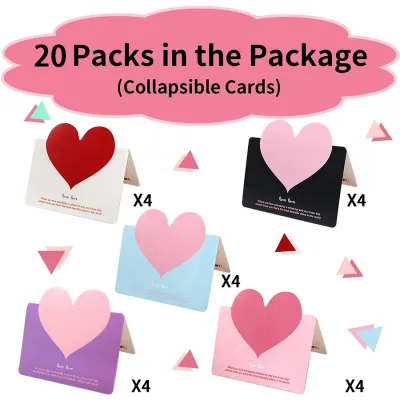
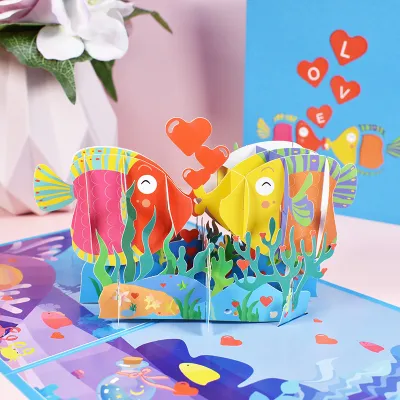
Prices are valid at publication and may change. Please refer to the product page for the latest price.
Beyond weight, the paper texture significantly influences both the visual character of the card and your writing experience.
- Matte Paper: Uncoated or lightly coated matte paper offers a smooth, non-reflective surface. It absorbs ink evenly, making it highly compatible with a wide range of pens, including fountain pens and gel rollers, with minimal risk of smudging.
- Glossy Paper: This finish features a high-shine, reflective coating that enhances color saturation and contrast, making it ideal for vibrant photographic designs or bold graphic prints. However, glossy surfaces resist water-based inks, requiring specialized writing instruments to prevent smearing.
- Linen Paper: Embossed with a subtle, cross-hatch pattern that mimics the texture of woven linen fabric, this paper provides a highly tactile, classic feel that immediately signals premium quality.
- Cotton-Rag Paper: Made from cotton fibers rather than wood pulp, this paper is exceptionally soft, durable, and highly absorbent. It is the premier choice for luxury stationery and traditional printing techniques.
Printing methods also dictate the card’s overall aesthetic and price point. Foil stamping utilizes heat and pressure to transfer a thin metallic foil onto the paper, creating a reflective, luxurious accent that catches the light. Letterpress is an ancient relief printing technique where an inked, raised plate is pressed directly into thick, soft cardstock (often cotton-rag), leaving a deep, tactile impression that you can feel. Embossing and debossing create raised or recessed three-dimensional designs without ink, relying on shadow and physical depth to define the imagery. Flat digital printing, while lacking these tactile dimensions, offers crisp, high-resolution details and unlimited color variations, making it highly versatile for complex illustrations.
An often-overlooked component of greeting card quality is the envelope. A premium card paired with a thin, translucent envelope feels incomplete and cheapens the overall presentation. Look for envelopes crafted from paper with a minimum weight of 100 to 120 GSM to ensure privacy and protection during transit. The envelope should feature clean, precise cuts, secure seams, and reliable sealing mechanisms, such as traditional moisture-activated gummed seals or convenient peel-and-seal adhesive strips. The color and texture of the envelope should complement, rather than clash with, the card design.
Finally, you must match the card’s overall tone to the recipient and the specific event. Formal occasions, such as corporate milestones or traditional weddings, demand classic layouts, muted color palettes, elegant serif typography, and premium finishes like foil stamping. Casual celebrations, such as a close friend’s birthday, allow for playful graphic designs, bold hand-lettering, and humorous, modern copywriting. Aligning these visual and material cues with the recipient’s preferences ensures your gesture feels personal and appropriate.
Best Greeting Card Brands for Birthdays
Birthday cards span a wide spectrum of styles, from highly interactive, three-dimensional structures designed for children to deeply sentimental, classic designs suited for older relatives. Because a birthday is a highly personal celebration, selecting a brand category that aligns with the recipient’s life stage and relationship to you is essential for making a lasting impression.

Playful and Colorful Brands for Kids and Teens
Cards designed for younger recipients should prioritize vibrant, engaging visuals and interactive structural elements. Many specialty brands focus on three-dimensional pop-up mechanisms, intricate laser-cut scenes, or integrated sound modules that play music or sound effects when opened. These interactive elements turn the card into an engaging toy or display piece that children can interact with repeatedly.
When choosing cards for this demographic, look for brands that utilize durable, heavy-weight cardstock (at least 300 GSM) or laminated board to withstand repeated handling and folding. Ensure the inks used are non-toxic and soy-based, especially for younger children. It is also critical to inspect the card for safety: verify that there are no loose, small detachable parts—such as plastic buttons, stick-on rhinestones, or pull-tabs—that could detach and pose a choking hazard for toddlers. If the card contains an electronic sound module, check that the battery compartment is completely sealed and inaccessible.
Humorous and Contemporary Brands for Friends
For peers and close friends, contemporary stationery brands often bypass traditional floral motifs and formal language in favor of bold typography, minimalist graphic illustrations, and witty, trend-aware copywriting. These cards focus on relatable humor, shared experiences, and clever punchlines that subvert traditional, overly sentimental birthday wishes.
When selecting a humorous card, prioritize brands that use high-quality matte paper, which allows the graphic design and text to stand out without glare. It is important to verify that the humor aligns with your friend’s personal sensibilities and cultural context. Humor is highly subjective; a joke that feels lighthearted to one person might be misunderstood by another. In Singapore’s multicultural environment, choosing humor that is universally positive and avoids sensitive personal or cultural topics ensures your joke is received with a genuine smile.
Elegant and Classic Brands for Older Relatives
When choosing a birthday card for older relatives or formal acquaintances, the design should convey deep respect, warmth, and timeless elegance. Traditional brands specializing in classic motifs—such as delicate botanical illustrations, soft watercolor landscapes, and elegant calligraphy—are ideal for these recipients. These cards often feature premium embellishments like gold or silver foil borders, embossed textures, or deckled edges.
For older family members, the physical writing experience inside the card is highly important, as they often treasure long, handwritten personal messages. Look for brands that offer cards with completely blank, unlined, matte white or cream interiors. Avoid cards with heavy pre-printed generic poems that leave little room for your own words. The interior paper should have a smooth, uncoated finish that accepts ink easily from standard ballpoint, gel, or fountain pens without skipping, feathering, or smudging.
Top Greeting Card Brands for Weddings and Anniversaries
Matrimonial milestones and long-term commitments are formal, highly significant events that demand a higher baseline of material quality. Wedding and anniversary cards are frequently preserved in memory books or keepsake boxes for decades, meaning the card you choose must be durable enough to resist yellowing, fading, or structural degradation over time.
Premium and Formal Stationery Brands
Formal wedding celebrations call for classic, high-end stationery brands that utilize traditional printmaking techniques and ultra-premium materials. The hallmark of a premium formal card is double-thick cardstock, often reaching weights of 400 GSM or higher, which feels incredibly substantial in hand. These cards frequently feature deckled (torn) edges, which provide an organic, heritage aesthetic, and subtle blind embossing, where a design is pressed into the paper without ink to create a sophisticated play of light and shadow.
Many luxury stationery brands craft their cards from 100% cotton-rag paper, which is naturally acid-free and archival-grade, ensuring the card will not discolor or become brittle over the years. When purchasing from these premium brands, verify if they offer matching envelopes with luxury details, such as silk or metallic paper inner linings. These envelopes should also be thick enough to support the application of hot sealing wax without warping or tearing when the recipient opens the seal.
Modern Minimalist and Boutique Designers
For contemporary couples who prefer understated elegance over traditional, ornate designs, modern minimalist and boutique designer brands offer an excellent alternative. These brands focus on the artistic use of negative space, clean sans-serif typography, and delicate, hand-drawn line art. Rather than heavy gold foil or complex pop-up structures, they rely on the beauty of the paper itself and subtle, modern finishes.
Many boutique brands apply a “soft-touch” matte lamination to their cards, which gives the surface a smooth, velvety texture that is highly satisfying to hold and resistant to fingerprint smudges. Small-batch artisan brands often print on sustainable, textured papers—such as bamboo or hemp-blend cardstock—which feature natural, irregular fibers that make each card unique. This hand-finished, non-mass-produced quality adds a deeply personal, thoughtful touch to your wedding congratulations.
Best Greeting Card Brands for Thank-You Notes and Professional Greetings
Expressing gratitude in a professional or formal context requires a delicate balance. The card must convey genuine sincerity and respect without crossing into overly casual, whimsical, or excessively ornate territory. The quality of the stationery you use in professional correspondence acts as a direct reflection of your personal brand and professional standards.
Professional and Corporate-Friendly Brands
For colleagues, clients, business partners, or formal mentors, select corporate-friendly stationery brands that offer clean, understated designs. These cards typically feature neutral or classic color palettes—such as navy blue, slate gray, forest green, cream, or off-white—and simple, elegant typography. A classic “Thank You” or “With Gratitude” printed in a crisp, foil-stamped serif font is highly appropriate.
Avoid cards with glitter, loud colors, or humorous illustrations in professional settings, as these can detract from the sincerity of your message. The paper quality must be exceptionally high; choose smooth, highly sized paper that is optimized for professional writing instruments. High sizing prevents fountain pen or rollerball ink from feathering (spreading along the paper fibers) or bleeding through to the back of the card, ensuring your handwriting remains sharp, clean, and legible.
Eco-Friendly and Handcrafted Artisan Brands
For a thoughtful, environmentally conscious expression of gratitude, eco-friendly and handcrafted artisan brands offer unique material options that carry a story of sustainability. These brands utilize recycled post-consumer waste, cotton-rag paper made from textile scraps, or innovative plantable seed paper, which is embedded with wildflower or herb seeds that germinate when the card is planted in soil.
When evaluating eco-friendly brands, look for official environmental certifications printed on the back of the card, such as the Forest Stewardship Council (FSC) logo, which guarantees the paper was sourced from responsibly managed forests. Keep in mind that highly textured, recycled, or handmade papers have unique writing characteristics. Because these papers are highly fibrous and absorbent, they can cause liquid inks to feather or dry slowly. When writing on these surfaces, avoid scratchy fountain pen nibs and instead use high-quality gel pens or felt-tip pigment markers that glide smoothly over the irregular texture without catching or smudging.
Where to Buy Greeting Cards in Singapore and Pre-Purchase Checklist
Singapore offers a diverse retail landscape for sourcing high-quality greeting cards, ranging from physical boutiques to online platforms. Understanding where to shop and what to inspect before buying ensures you secure a card that meets your quality expectations.
Retail Channels in Singapore
Physical retail stores provide a major advantage when shopping for premium stationery: they allow for tactile verification. By visiting physical stores, you can personally feel the paper weight, inspect the texture, check the alignment of foil stamping, and test how easily the card slides into its envelope. Excellent physical locations include:
- Specialty Paper Merchants and Historic Art Hubs: Locations like Bras Basah Complex house long-standing paper merchants and art supply stores that stock high-grade international cardstock and classic stationery.
- Independent Lifestyle Boutiques: Neighborhoods like Tiong Bahru feature curated lifestyle shops that showcase unique, small-batch cards from local illustrators and international boutique brands.
- Major Bookstores and Department Stores: Large bookstores in Orchard Road offer extensive stationery sections with a wide range of global brands, from classic humorous cards to premium formal options.
- Civic District Museum Shops: Gift shops at major cultural institutions, such as the National Gallery Singapore, are excellent sources for artistic, high-concept, and locally designed cards.
Online marketplaces and specialized e-commerce platforms offer unmatched convenience and access to a vast global inventory of independent designers. However, buying online carries risks, such as receiving cards with bent corners due to poor transit packaging, or discovering that the physical color of the card differs significantly from how it appeared on your digital screen.
Pre-Purchase Checklist
To ensure your greeting card is flawless and ready for presentation, run through this practical checklist before finalizing your purchase:
- Verify Envelope Inclusion and Fit: Always check that the card comes with its matching envelope. Slide the card into the envelope to ensure it fits comfortably with a few millimeters of clearance on all sides; it should not require force to insert, nor should it slide around excessively.
- Check Card Dimensions: Ensure the card's physical dimensions fit your planning. If you are enclosing a gift card, cash, or a photo, measure to confirm they fit inside without folding. If you plan to mail the card, verify that the dimensions comply with local postal standards to avoid extra shipping fees.
- Inspect for Physical Defects: For physical purchases, closely examine the fold line (the spine) of the card. Heavy cardstock must be properly scored before folding; if it is not, the paper fibers will crack, leaving an unsightly, jagged edge. Check that foil stamping is perfectly aligned with the printed design, with no flaking or missing metallic flecks.
- Review Shipping Timelines and Return Policies: When ordering online, check the estimated delivery window, allowing a buffer of at least three to five working days before your event. Review the seller’s return or replacement policy for items that arrive damaged, bent, or creased during transit.
Frequently Asked Questions (FAQ)
What are the standard greeting card sizes for mailing in Singapore?
The most common greeting card sizes available in Singaporean stationery stores are A6 (approximately 105mm x 148mm), which fits into a standard C6 envelope, and 5×7 inches (approximately 127mm x 178mm). These standard rectangular shapes are highly compatible with Singapore Post (SingPost) standard mail guidelines.
To qualify for standard local postage rates, your envelope must be rectangular, weigh under 20 grams, and measure no thicker than 6mm. Square envelopes, oversized cards, or cards featuring bulky three-dimensional embellishments (such as thick pop-ups, ribbons, or wooden elements) exceed these limits and are classified as non-standard mail, which requires additional postage. Always measure and weigh non-standard cards at a post office before mailing to ensure correct postage is applied.
Which pen types work best on textured or glossy greeting cards?
The ideal pen depends entirely on the card’s surface treatment. Glossy cards feature a clay or plastic-based coating that prevents water-based inks from absorbing into the paper fibers. If you use a fountain pen, standard gel pen, or liquid rollerball on a glossy surface, the ink will pool on top and smudge immediately. For glossy cards, always use oil-based ballpoint pens or permanent fine-line markers (such as alcohol-based pigment pens), which dry quickly via solvent evaporation.
Conversely, highly textured, handmade, or recycled papers are highly absorbent and have rough, irregular fibers. Fine, scratchy fountain pen nibs can catch on these fibers, leading to ink clogging or feathering, where the ink bleeds outward along the paper grain. For textured papers, choose pigment-based gel pens with a medium tip (0.7mm) or felt-tip fine-liners. These instruments lay down a consistent line of ink that sits cleanly on top of the textured surface without catching or bleeding.
Can I find locally designed greeting cards featuring Singaporean landmarks or colloquialisms?
Yes, Singapore has a highly active community of local illustrators, graphic designers, and independent stationery brands. These designers create beautiful, high-quality cards that feature hand-drawn illustrations of iconic local landmarks (such as traditional shophouses, historic civic buildings, and local botanical flora) as well as humorous designs incorporating local colloquialisms and Singlish terms.
These locally designed cards are highly popular for sending to overseas friends or celebrating local milestones. You can find them consistently stocked in independent bookstores, museum gift shops, local design markets, and curated lifestyle boutiques located in cultural hubs like Tiong Bahru, Bras Basah, and the Civic District.

Community discussion
Share your experience or ask a question. Comments are reviewed before publication.