
Finding the ideal greeting card for Teacher’s Day in Singapore involves balancing thoughtful design with physical quality. The right card serves as a lasting keepsake of appreciation, making the choice of paper, print craftsmanship, and brand category highly important. Whether you select a premium international brand, a culturally resonant local Singaporean design, or a highly personalized custom-printed card, understanding what makes a card stand out ensures your gesture of gratitude is both respectful and memorable.
Because Teacher’s Day in Singapore is celebrated annually with great enthusiasm, planning your purchase early in August allows you to secure the best designs before stock runs low. By evaluating cards based on material standards, ink compatibility, and appropriate design themes, you can find a card that perfectly matches the educator’s impact and the student’s educational level.
What Defines a High-Quality Greeting Card?
Selecting a premium greeting card requires looking beyond the cover illustration. The physical construction of the card determines how well it stands on a desk, how it feels in the hand, and how beautifully it preserves your handwritten message over time.
Products mentioned in this guide
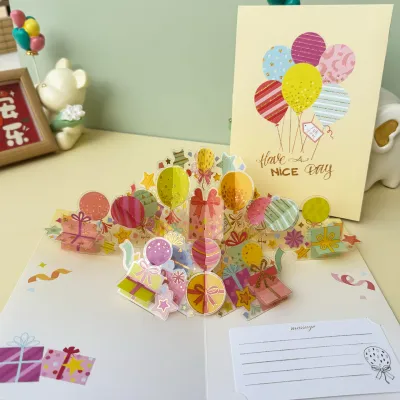
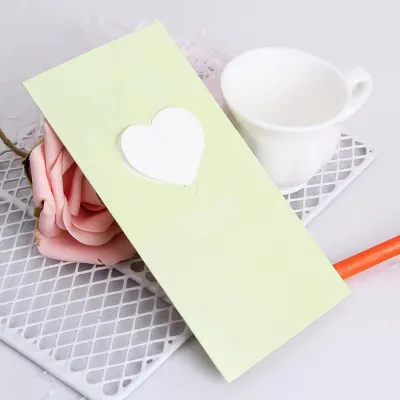
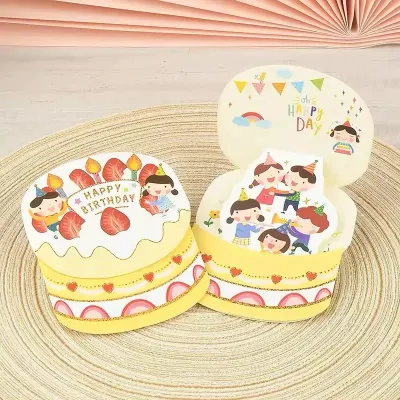
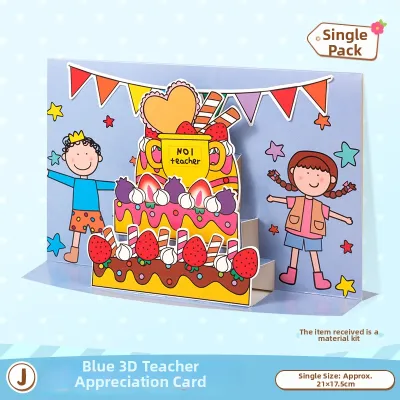
Prices are valid at publication and may change. Please refer to the product page for the latest price.
Paper Quality and Weight (GSM) The thickness and density of cardstock are measured in grams per square meter (GSM). High-quality greeting cards typically use paper weights between 250 GSM and 350 GSM. Cardstock within this range feels substantial, resists bending at the corners, and stands upright on a flat surface without sagging. In contrast, cards made from paper under 200 GSM often feel flimsy and cheap. The choice of paper finish also affects the card’s tactile appeal. Matte finishes offer a clean, modern look, while textured surfaces like linen or felt-pressed paper provide a premium, organic texture that elevates the physical presentation.
Surface Texture and Ink Compatibility Writing smoothness, drying speed, and bleed resistance depend entirely on the specific combination of cardstock and pen ink. Uncoated, fibrous papers (such as recycled or felt-pressed stocks) absorb ink quickly, making them highly compatible with fountain pens and liquid gel pens. However, highly absorbent papers can sometimes cause ink feathering, where the ink spreads along the paper fibers. Coated or glossy surfaces present vibrant colors and crisp details but are highly non-porous. Water-based gel pens or fountain pen inks written on glossy cardstock will smear easily and take an exceptionally long time to dry. If you plan to use a gel pen, verify the paper’s absorption by performing an observable trial: write a small test dot on a hidden corner of the card or the inside back flap to check the drying speed and bleed resistance before writing your complete message. For glossy cards, opt for a quick-drying ballpoint pen or a fine-tip permanent marker.
Print Quality and Craftsmanship Examine the card closely for crisp print registration and sharp color boundaries. High-quality cards are printed using advanced offset lithography or professional-grade digital presses, which prevent the visible halftone dots or blurry text common in low-cost alternatives. Premium cards often feature specialized embellishments that add depth and texture. Look for clean, sharp foil stamping that does not flake off when touched, and precise embossing or debossing that aligns perfectly with the printed design. If you choose an interactive card—such as a 3D pop-up, a laser-cut gatefold, or a sliding pull-tab design—verify the structural integrity of the paper hinges. The moving elements should glide smoothly without catching, tearing, or requiring excessive force to open.
Design Originality and Aesthetics A well-designed card avoids tired clichés like generic cartoon apples or basic blackboard motifs. Look for cards that feature thoughtful typography, balanced color palettes, and original illustrations. Sophisticated botanical patterns, hand-drawn sketches, or clever localized motifs offer a more personal and refined aesthetic. Original designs demonstrate that you took the time to select something unique, reflecting a higher level of respect and appreciation for the recipient.
Envelope Quality and Protection The envelope is the first thing a teacher sees, and it plays a crucial role in protecting the card. A high-quality card should be paired with a sturdy envelope made from paper weighing at least 100 GSM to 120 GSM. The envelope must fit the card snugly—standard card sizes like A6 (105mm x 148mm) or A5 (148mm x 210mm) should match their corresponding standard envelope dimensions perfectly to prevent the card from sliding around and damaging its edges. Check the sealing mechanism; peel-and-seal strips or high-quality moisture-activated gum seals ensure the envelope remains securely closed. Additionally, look for cards packaged in protective cellophane sleeves, which shield the paper from moisture, dust, and scuffing while being transported in a student’s school bag.
Exploring Greeting Card Brand Categories in Singapore
To find the best card, it helps to understand the different brand categories available in Singapore. Each category offers distinct advantages in terms of design style, customization options, price points, and accessibility.

Established International Stationery Brands
Established international brands are widely recognized for their consistent production quality, classic design sensibilities, and broad availability across Singapore. These brands have refined their manufacturing processes over decades, ensuring that every card meets strict standards for paper weight, foil registration, and envelope fit.
Consistent Quality and Professional Aesthetics International brands offer a highly polished, professional look. They frequently collaborate with renowned illustrators and designers, resulting in collections that feature elegant typography, intricate laser-cut patterns, and rich embellishments like ribbons, gems, or multi-layered paper constructions. Because these brands operate on a global scale, their cards are highly reliable; you can trust that the ink will behave predictably on their standard matte or satin-coated interior pages.
Price Expectations and Value Cards from major international brands generally fall into a mid-to-high price bracket, typically ranging from S$5.00 to S$15.00 per card, depending on the complexity of the design and the level of hand-finished embellishments. While more expensive than generic multi-packs, these cards offer excellent value when you want to present a formal, highly polished token of gratitude to an educator.
Ideal Use Cases These cards are highly suited for secondary school teachers, junior college lecturers, or university professors, where a more formal, traditional, and elegant expression of appreciation is appropriate. The classic designs convey a sense of respect and maturity that aligns well with higher educational environments.
Local Singaporean Design and Paper Craft Brands
Singapore is home to a vibrant community of independent design studios, illustrators, and paper craft brands. Supporting local creators allows you to find unique, culturally resonant designs that stand out from mass-produced international alternatives.
Cultural Resonance and Localized Humor The primary appeal of local design brands lies in their ability to capture the unique Singaporean school experience. Many local illustrators create cards featuring witty Singlish puns, relatable classroom humor (such as references to “Cher,” remedial classes, or spelling tests), and nostalgic illustrations of local school icons like uniform designs, school bus trips, or classic canteen snacks. These localized motifs build an instant emotional connection and bring a lighthearted, joyful smile to teachers who recognize the shared cultural context.
Boutique Charm and Limited Runs Local brands typically print their cards in small, limited-run batches, often using premium, environmentally sustainable paper stocks. This means the card you purchase is highly unique and unlikely to be duplicated by other students in the same class. The hand-drawn or hand-painted watercolor styles common among local artists add a warm, personal, and artisanal touch that mass-market cards cannot replicate.
Availability and Planning Considerations Local artisan cards are generally priced between S$6.00 and S$12.00. Because they are produced in smaller quantities, stock can be highly seasonal and sell out rapidly as late August approaches. To secure these unique designs, it is best to shop early in the month through independent lifestyle stores, local craft markets, or directly from the artists’ official online storefronts.
Online Customization and Print-on-Demand Platforms
For those who want to create a truly one-of-a-kind keepsake, digital-first customization and print-on-demand platforms offer a flexible and highly personalized alternative to pre-made cards.
Personalization and Collaborative Design Online platforms allow you to design a card from scratch or customize existing templates with personal photographs, custom text, and digital artwork. This is particularly advantageous for whole-class initiatives. A class monitor or parent representative can collect digital photos of the students, compile written messages from everyone, and arrange them into a beautiful, multi-page folding card or a large-format poster card. This ensures every student’s voice is represented in a neat, professional layout without the clutter of mismatched handwriting on a single physical card.
Pre-Purchase Quality Checks When using online print services, you must perform several quality checks to ensure the physical product meets your expectations. Always request and carefully review a digital PDF proof to check for spelling errors, layout alignment, and image resolution. Low-resolution images (under 300 DPI) will appear pixelated and blurry when printed. Pay close attention to paper selection during the checkout process; opt for premium matte or heavy satin cardstock of at least 300 GSM, and avoid standard thin paper options. Be aware that colors can vary slightly between your computer screen (which uses RGB) and the physical print (which uses CMYK), so expect minor differences in color saturation.
Lead Times and Shipping to Singapore Because custom cards are printed to order, they require additional processing and shipping time. If the printing facility is located overseas, delivery to Singapore can take anywhere from 7 to 14 business days. To avoid missing Teacher’s Day, place your order at least three weeks in advance. Always review the platform’s return and reprint policies regarding printing defects or shipping damage, as custom items are generally non-refundable unless a clear manufacturing error has occurred.
Where to Shop for Teacher's Day Cards in Singapore
Singapore offers a variety of retail channels for purchasing greeting cards, ranging from highly convenient physical bookstores to specialized online platforms. Planning where to shop helps you find the right balance of selection, quality, and convenience.
Major Bookstore Chains For convenience and reliable stock, major bookstore chains like Popular, Kinokuniya, and Times are excellent options. Popular stores are highly accessible across heartland malls, offering a wide range of budget-friendly cards, multi-packs, and standard regional brands. If you are looking for premium, imported, or highly artistic cards, Kinokuniya (especially the main store at Ngee Ann City) boasts an extensive stationery section featuring unique Japanese 3D pop-up cards, elegant Western imports, and high-quality writing paper.
Boutique Stationery and Lifestyle Shops If you prefer curated, niche, or local artisan cards, visit boutique lifestyle shops located in creative hubs like Tiong Bahru, Bras Basah Complex, or downtown shopping centers. These specialized stores source unique designs from independent global and local artists. Shopping at a boutique allows you to physically feel the paper texture and inspect the print quality before buying. Additionally, these shops often stock premium gift-wrapping accessories, such as matching ribbons, decorative stickers, and sealing wax, allowing you to elevate your presentation.
Department Stores and Gift Retailers During the mid-to-late August season, major department stores like Takashimaya, Tangs, and BHG frequently set up dedicated seasonal gifting counters. These sections often feature curated bundles that pair beautiful greeting cards with practical gifts, such as premium hand creams, artisanal tea sets, or high-quality planners. This is a highly efficient option if you want to purchase a coordinated card and gift set in a single trip.
Online Channels and Local E-commerce Shopping online offers maximum variety and the convenience of home delivery. You can purchase directly from the official websites of local design studios or browse major e-commerce platforms. When using online marketplaces, always filter your search by “Local Seller” or “Ships from Singapore” to ensure fast domestic shipping and avoid long transit delays from overseas warehouses. Check customer reviews for uploaded photos of the physical cards to verify that the print colors and paper thickness match the product descriptions.
Matching the Card Design to the Educational Level
To make your gesture of appreciation feel appropriate and thoughtful, match the tone and design of the card to the recipient’s teaching environment and the student’s age group.
Preschool and Kindergarten Educators Early childhood educators appreciate bright, cheerful, and highly visual designs. Look for cards featuring playful animal illustrations, smiling characters, or tactile elements like felt shapes, ribbons, or textured paper that appeal to young children. The inside of the card should have ample blank space. This allows a young child to draw a colorful picture, paste decorative stickers, or practice writing their own name in large, developing handwriting. A handmade feel or a card that encourages child participation is highly cherished by preschool teachers.
Primary and Secondary School Teachers For primary and secondary school teachers, look for cards that reflect relatable school-life experiences or subject-specific themes. A card featuring a clever science pun, a stack of classic literature books, or mathematical formulas can be a highly personalized nod to a teacher’s specific field. The tone should be respectful yet warm and encouraging. Designs that highlight a teacher’s patience, guidance, and dedication during exam seasons or school projects are highly resonant and show that you appreciate their hard work.
Tertiary Lecturers, Tutors, and Enrichment Instructors For polytechnic lecturers, university professors, private academic tutors, or music and art instructors, opt for minimalist, elegant, and sophisticated designs. Choose cards featuring clean typography, abstract geometric patterns, or subtle botanical illustrations on high-quality textured paper (such as linen or cotton cardstock). The messaging should focus on intellectual mentorship, professional inspiration, and academic guidance. This maintains an appropriate, respectful, and mature boundary while conveying sincere professional gratitude.
Elevating the Gift: Personalization and Presentation Tips
A beautiful card is only the canvas; how you personalize and present it completes the gesture of appreciation. Taking a few extra steps to craft a sincere message and present the card neatly ensures your gift is received with warmth.
Crafting a Sincere, Structured Message Avoid generic, pre-printed sentiments that offer little personal connection. Instead, write a handwritten note using a simple, meaningful three-part framework:
- Express Clear Gratitude: Start with a direct statement of appreciation (e.g., "Thank you for your dedication and support this semester.").
- Share a Specific Memory: Mention a particular instance where the teacher helped you or made a difference (e.g., "I really appreciated how you took extra time to explain the physics concepts after class when I was struggling.").
- State the Positive Impact: Explain how their teaching has helped you grow (e.g., "Your encouragement has given me the confidence to participate more actively in class.").
This structured approach transforms a simple card into a deeply personal keepsake that many teachers keep for years.
Appropriate, Policy-Compliant Pairings In Singapore, Ministry of Education (MOE) guidelines require public school teachers to declare physical gifts to maintain professional integrity and transparency. To avoid putting teachers in an awkward position, keep gifts modest, practical, and low in monetary value. Excellent, policy-compliant pairings include high-quality, everyday stationery items like smooth-writing gel pens, functional notebooks, or highlighters. Alternatively, a modest digital voucher for a local coffee chain is a practical and widely appreciated option. Avoid expensive luxury items, jewelry, or high-value cash-equivalent gift cards, as these may have to be declined or declared under school policies.
Pristine Presentation and Handling Ensure the card and envelope remain pristine from the moment you write the message to the moment it is handed over. If a student is carrying the card to school, place it inside a rigid folder or a protective plastic sleeve within their school bag to prevent bent corners, creases, or moisture damage from water bottles. Write the teacher’s full name, the student’s name, and their class clearly on the front of the envelope. If you are preparing cards for multiple subject teachers, organize them neatly with paper clips or a ribbon to ensure they are distributed correctly and look professional when presented in the classroom.
Community discussion
Share your experience or ask a question. Comments are reviewed before publication.