
Embroidery has experienced a significant resurgence among crafters in Singapore, with many turning their attention to the highly customizable art of patch-making. Creating a durable, professional-looking patch requires a different approach than standard surface embroidery on delicate linens. Because patches feature dense stitching and require clean, secure edges, selecting the right tools from the outset is critical to preventing beginner frustration.
There is no single “best” brand for beginners making patches in Singapore; the ideal choice depends on balancing tool quality, local availability, and specific project needs. Navigating the array of options in local craft shops and online marketplaces can be overwhelming for a novice. By focusing on observable material standards and understanding how different tools interact with patch fabrics, you can build a reliable starter kit that supports your learning curve.
This guide provides a practical framework to compare and select reliable embroidery tools—needles, threads, hoops, and stabilizers—from brands accessible to Singapore crafters. Rather than relying on unverified performance claims, you will learn how to evaluate tools based on physical specifications, material composition, and suitability for the dense stitching that patch-making demands.
Products mentioned in this guide
![[SG SELLER] MORALE VELCRO PATCHES EMBROIDERED RUBBER PVC PIN MORALE PATCHES MANY STYLES AND DESIGNS TO CHOOSE FROM](https://img.lazcdn.com/g/p/f7b82ab0c9877d7953b5d4e0ed80534a.jpg_400x400q80.jpg_.webp)
![[SG SELLER] MORALE VELCRO PATCHES EMBROIDERED RUBBER PVC MORALE PATCHES MANY STYLES AND DESIGNS TO CHOOSE FROM](https://img.lazcdn.com/g/p/b9fa49cfaad867782d87349c4da42368.png_400x400q80.png_.webp)
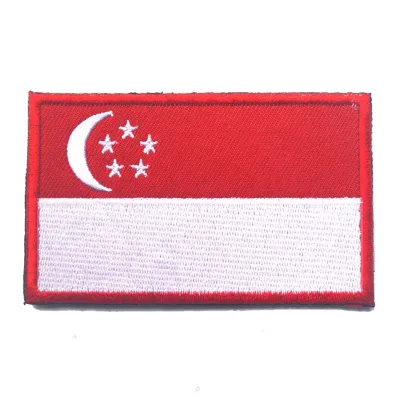
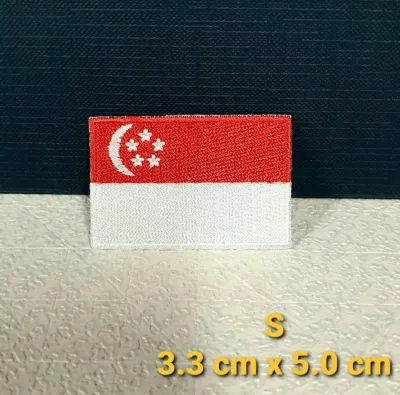
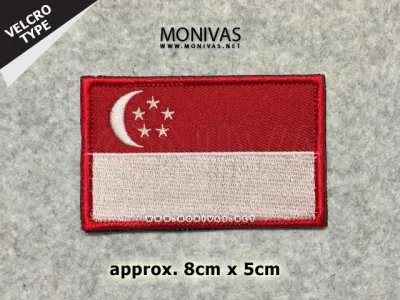
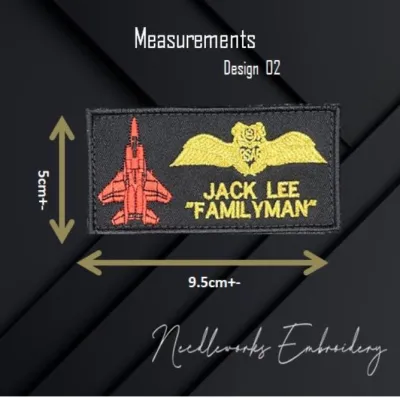
Prices are valid at publication and may change. Please refer to the product page for the latest price.
Core Tools for Patch-Making: What Beginners Actually Need
Before purchasing any supplies, it is essential to understand how patch-making differs from traditional embroidery. Standard embroidery often uses light, breathable fabrics like linen or light cotton, where the design integrates into the garment. Patches, however, are independent structural items that must withstand handling, washing, and attachment to heavy materials like denim jackets, canvas bags, or backpacks.
Consequently, patch-making requires a much sturdier foundation and denser stitching to ensure the design does not distort or fray over time. The base fabric must be robust enough to support thousands of needle penetrations in a concentrated area. Heavy cotton twill, dense canvas, or high-quality wool felt are the preferred choices for patch bases, as they do not warp easily under the tension of dense satin stitches.
To work with these heavy base fabrics, beginners require four core tool categories: specialized embroidery needles, high-tensile embroidery thread or floss, a high-grip tension hoop, and a suitable stabilizer backing. Each of these components plays a specific role in maintaining fabric structural integrity during the stitching process. Omitting any of these core tools or using sub-standard alternatives often results in puckered fabric, broken threads, and distorted designs.
Understanding these requirements prevents unnecessary purchases of delicate tools designed for fine lace or light crewel work. For instance, while ultra-fine needles are excellent for delicate silk shading, they will bend or snap when forced through heavy patch canvas. By focusing your budget on these four essential categories, you ensure that every tool in your starter kit directly contributes to a successful patch-making experience.
Evaluating Embroidery Brands Available in Singapore
When sourcing embroidery tools in Singapore, crafters generally choose between established global heritage brands and generic or house brands found on local ecommerce platforms. Global brands, often originating from Europe or Japan, have spent decades refining their manufacturing processes to ensure consistent thread dye lots, polished needle eyes, and warp-resistant hoops. These brands are widely distributed through specialized craft boutiques and long-standing haberdasheries across the island.

In contrast, generic or house brands offer highly competitive pricing and are easily accessible through online marketplaces. While these budget-friendly options are tempting for beginners, they often exhibit variable quality control. For example, generic embroidery floss may suffer from inconsistent thickness, rough textures that snag on fabric, or dyes that bleed when the finished patch is washed.
Beginners must also weigh the convenience of pre-assembled embroidery kits against the flexibility of purchasing individual components. Many online sellers offer complete “patch-making starter kits” that bundle hoops, threads, needles, and pre-printed designs. While convenient, these kits often contain lower-grade tools that can hinder your progress. Purchasing individual components from recognized brands allows you to select the exact specifications needed for heavy patch-making, ensuring a smoother learning process.
To evaluate any brand effectively, look for clear labeling on the packaging. Reliable brands explicitly state the material composition, such as 100% long-staple Egyptian cotton for threads or nickel-plated carbon steel for needles. They also provide standardized sizing metrics, such as needle numbers and thread color codes. This transparency allows you to replicate successful projects and replace specific colors or needle sizes with absolute consistency.
Comparing Tool Categories for Patch Projects
Selecting the right tools requires looking beyond brand names and examining the physical specifications of each item. Because patch-making involves dense stitching on heavy fabrics, the physical demands on your needles, threads, hoops, and stabilizers are significantly higher than in standard embroidery. Understanding how to match these tools to your project requirements is the key to achieving a professional finish.
Needles and Threads for Dense Patch Stitching
The interaction between your needle and thread determines how smoothly your stitches glide through the patch fabric. For patch-making, crewel needles (often labeled simply as embroidery needles) are the standard choice. These needles feature a sharp point to pierce dense fabrics and a medium-long eye that accommodates multiple strands of embroidery floss without causing excessive friction.
When selecting needle sizes, beginners should look for an assortment pack containing sizes 5 through 10. A size 5 or 7 needle is ideal for working with three to six strands of floss, which are commonly used to fill large areas of a patch quickly. The needle eye must be wide enough for the thread to pass through easily, yet the shaft must not be so thick that it leaves visible, permanent holes in your base fabric.
Thread selection is equally critical for achieving the vibrant, dense coverage characteristic of high-quality patches. Six-strand cotton embroidery floss is the most versatile option for hand-embroidered patches. Look for mercerized cotton threads, which undergo a chemical treatment that increases luster, tensile strength, and dye affinity. This results in a smooth thread with a subtle sheen that resists fraying and color fading.
Before starting a project, perform a simple quality check on your thread. Cut a 50-centimeter length of floss and gently separate the strands. High-quality floss should separate cleanly without tangling or leaving excessive lint. Run a single strand between your fingers; it should feel smooth and uniform in thickness. If the thread feels rough, has visible slubs, or snaps easily under moderate hand tension, it will likely cause frustration during dense stitching.
Hoops and Stabilizers for Fabric Tension
Maintaining consistent fabric tension is one of the greatest challenges for beginners making patches. If the fabric slips or sags during stitching, the dense embroidery will pull the fabric inward, resulting in a puckered, distorted patch once it is removed from the hoop. Choosing the right combination of hoops and stabilizers is essential to prevent this issue.
Embroidery hoops are available in wood, plastic, and silicone-bound designs. While traditional wooden hoops made of beechwood are aesthetically pleasing, budget bamboo hoops often warp or fail to grip heavy fabrics evenly. For patch-making, high-quality plastic hoops featuring a molded groove-and-ridge system on the inner ring offer superior grip, preventing heavy canvas or twill from slipping under the pressure of dense stitching.
Stabilizers are non-woven materials applied to the back of the fabric to provide temporary or permanent structural support. For hand-embroidered patches, cut-away stabilizers are generally preferred over tear-away varieties. Cut-away stabilizers remain permanently behind the design, providing continuous support that prevents the dense satin borders of the patch from collapsing or distorting during wear and washing.
To verify your setup before committing to your design, perform a manual tension test. Hoop your base fabric together with a layer of cut-away stabilizer, tightening the hoop screw securely. Tap the center of the hooped fabric with your finger; it should emit a clear, drum-like sound. Gently press down on the fabric near the inner edge of the hoop; if the fabric slips or forms waves, adjust the hoop or consider wrapping the inner wooden ring with cotton twill tape to increase friction.
Where to Source Reliable Tools in Singapore
Acquiring authentic, high-quality embroidery tools in Singapore requires a strategic approach to both physical and online shopping. For beginners who prefer a hands-on experience, visiting specialized craft and stationery stores in central shopping districts or established haberdasheries in older housing estates is highly beneficial. These physical stores allow you to inspect the smoothness of needle eyes, feel the texture of embroidery floss, and test the clamping strength of various hoops before making a purchase.
If you prefer the convenience of online shopping, navigating local ecommerce platforms requires careful vetting to avoid counterfeit products. Popular global thread brands are frequently counterfeited, resulting in sub-standard threads that break easily and bleed dye when washed. To ensure authenticity, look for official brand storefronts or authorized local distributors on these platforms, which often carry verification badges.
When evaluating online listings, pay close attention to user reviews and shipping origins. Filter reviews to look for specific feedback regarding thread breakage, needle bending, or hoop warping. A high volume of positive reviews from local buyers in Singapore is a strong indicator of reliable product quality and fast shipping. Additionally, choosing sellers with local shipping origins reduces transit times.
Building Your First Patch-Making Kit
Synthesizing these criteria into a practical shopping list allows you to build a highly functional starter kit tailored to patch-making without overspending. Your foundational checklist should include one pack of assorted crewel needles (sizes 5 to 10), five to eight essential colors of six-strand mercerized cotton floss (including black and white for outlines and borders), one 5-inch or 6-inch plastic tension hoop, and a small roll of medium-weight cut-away stabilizer.
When allocating your budget, prioritize spending on tools that directly impact the stitching experience. Allocate approximately S$15 to S$20 for high-quality needles and branded embroidery floss, as these components experience the most friction and tension. You can economize on the hoop by purchasing a single, versatile 6-inch plastic hoop for around S$5 to S$8, which is the ideal size for most standard-sized patches and fits comfortably in hand.
As you complete your first few patches, you will naturally identify personal friction points that indicate when it is time to upgrade your tools. If you experience hand fatigue from holding the hoop, investing in a table-clamp hoop stand can significantly improve comfort. If you transition to iron-on patches, adding double-sided fusible adhesive web allows you to seal the back of your patches.
Frequently Asked Questions (FAQ)
Can I use regular sewing thread instead of embroidery floss for patches?
Regular sewing thread is not recommended for creating the main body of embroidered patches. Sewing thread is typically a thin, 2-ply strand designed to sink into fabric seams to hold pieces of cloth together. Embroidery floss, on the other hand, is a thicker, 6-ply divisible thread designed to sit on top of the fabric to provide visual coverage and a rich, textured sheen. Using regular sewing thread to fill a patch design would require an excessive number of passes, increasing the risk of fabric distortion, needle clogging, and a flat, lifeless finish.
How do I prevent my patch fabric from puckering in the hoop?
Puckering occurs when the fabric is pulled unevenly or when the stitch tension is tighter than the fabric can support. To prevent this, always hoop your base fabric together with a high-quality cut-away stabilizer, ensuring both layers are drum-tight before you begin stitching. When executing dense stitches like satin stitch or long-and-short stitch, pull the thread until it lies flat against the fabric, but avoid pulling it so tightly that it cinches or puckers the base material. Additionally, ensure your hoop maintains consistent tension throughout your stitching session, retightening the screw if you notice any fabric slippage.
Community discussion
Share your experience or ask a question. Comments are reviewed before publication.