
Embroidery is a deeply rewarding, meditative craft, but your initial experience depends heavily on the materials you choose. For beginners in Singapore, investing in a high-quality embroidery threads set is a critical decision that influences how smoothly your needle glides through fabric and how well your stitches hold their tension. Starting with the wrong materials can lead to fraying, tangling, and color bleeding, which often discourages new crafters before they can finish their first project. The ideal beginner setup balances thread quality, color variety, and local availability, ensuring you can focus on mastering basic stitches rather than fighting with your materials.
In Singapore’s humid tropical climate, fiber choice and storage also play a significant role in the longevity of your craft supplies. High humidity can weaken low-quality synthetic fibers and cause poor-quality dyes to bleed when exposed to moisture. Therefore, understanding the structural differences between premium and budget threads is the first step toward a successful stitching journey. This guide will help you navigate the options available in local shops and online marketplaces, ensuring you select a threads set that matches your budget and skill level.
What to Look for in a Beginner Embroidery Threads Set
When browsing for your first embroidery threads set, the sheer volume of options can be overwhelming. To make an informed choice, you must evaluate threads based on their material composition, structural integrity, color curation, and included accessories.
Products mentioned in this guide
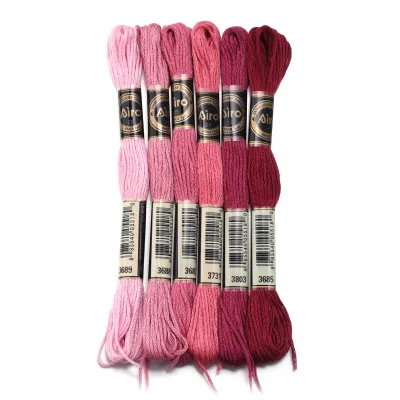
![[SG SELLER]30 Pcs/Set Polyester Sewing Threads Set Embroidery Threads for Upholstery Sewing Machine (250 Yards / Roll)](https://img.lazcdn.com/g/p/99320171026eaf046e806d59bcb7c85c.jpg_400x400q80.jpg_.webp)
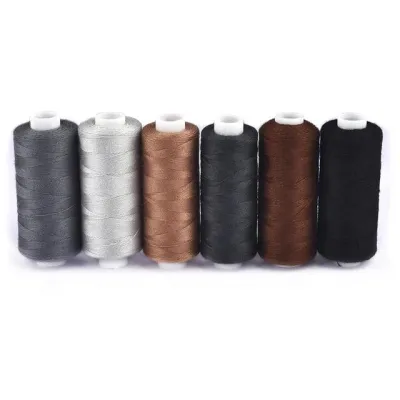
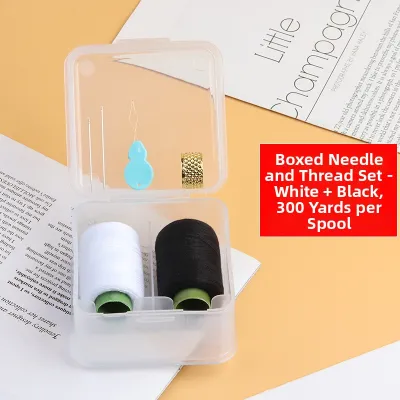
Prices are valid at publication and may change. Please refer to the product page for the latest price.
Material Composition and Fabric Grip
The fiber content of your thread dictates how it behaves under tension and how it interacts with your embroidery fabric. For beginners, 100% long-staple cotton is the gold standard. Cotton threads offer a natural grip against fabrics like linen, cotton calico, or aida cloth, preventing your stitches from slipping or loosening over time. Many high-quality cotton threads undergo a process called mercerisation, where the fibers are treated with sodium hydroxide to increase their lustre, strength, and affinity for dyes. This results in a smooth, slightly shiny thread that glides effortlessly through the fabric weave. In contrast, synthetic polyester threads or cheap blends can feel slippery, static-prone, and rough on your fingers, making it difficult to maintain consistent stitch tension.
The Standard 6-Strand Structure
Standard embroidery floss is constructed as a 6-strand thread. These six individual plies are loosely twisted together to form a single thick strand (the skein). The beauty of this design is its versatility: you can separate the strands to achieve different line weights and textures. For a beginner, the ease of strand separation is a crucial usability factor. High-quality threads are spun so that individual plies slide apart cleanly without clinging or knotting. Poorly manufactured threads often have uneven twist levels, causing the fibers to split, fray, or bunch up into frustrating micro-knots when you try to pull them apart.
Color Palette Sizing and Curation
It is highly tempting to purchase a massive box containing 100 or 150 different colors, but larger sets are often counterproductive for beginners. Massive, cheap sets frequently contain redundant shades, uneven dye lots, and low-grade fibers. Instead, look for a curated threads set of 20 to 50 essential colors. A smaller, well-balanced palette—featuring primary colors, a few pastel shades, neutrals like black and white, and a couple of earthy tones—is far more practical. It reduces decision fatigue, helps you learn color coordination, and ensures you are investing your budget in higher-quality threads rather than sheer volume.
Value-Added Accessories
To reduce initial setup friction, look for sets that include basic organization tools. Threading needles, paper or plastic bobbins, a simple thread cutter, and a storage container are highly beneficial. Bobbins are particularly important because they allow you to wind up loose skeins, preventing them from turning into an untamable nest of knots. Some premium sets also include color cards or printed color charts, which are invaluable when you want to match shades for future projects or follow specific commercial patterns.
Verifying Dimensions and Standards
Always check the technical specifications of the skeins in the set. The global standard for a single embroidery thread skein is 8 meters (approximately 8.7 yards) in length. Some budget-friendly online listings sell miniature skeins that are only 4 or 5 meters long. While these may look identical in photos, they offer half the material, which can leave you stranded mid-project. Ensure the product description explicitly states the standard 8-meter length per skein.
Top Embroidery Thread Brands and Set Types for New Crafters
Selecting the right brand ensures you receive consistent thread thickness and reliable color performance. Here is how different thread categories and brands stack up for beginners in Singapore.

Premium Standard Brands for Color Consistency
For crafters who want to avoid material frustration entirely, premium heritage brands are the safest investment. Brands like DMC (Dolls-Mieg & Compagnie) and Anchor are the undisputed global benchmarks for high-quality embroidery threads. These brands manufacture their threads from 100% double-mercerised Egyptian cotton, ensuring a brilliant, silk-like sheen, exceptional strength, and complete colorfastness.
The primary advantage of using these premium brands is their standardized color coding system. DMC, for example, uses a highly structured numbering system for its hundreds of solid colors. Almost all commercial embroidery patterns, modern PDF guides, and cross-stitch kits reference these exact DMC color codes. If you run out of a specific shade of blue (such as DMC 820) while working on a project, you can walk into almost any needlework shop in Singapore and purchase that exact replacement skein, knowing it will match your existing stitches perfectly.
Rather than buying a massive retail display of individual skeins, beginners should look for curated “beginner bundles” or themed color packs from these premium brands. These sets typically contain 8 to 24 skeins grouped by color schemes, such as “Pastels,” “Earthy Tones,” or “Primary Colors.” These bundles offer the perfect entry point, giving you premium quality at a manageable price point (usually ranging from S$12 to S$35 per set).
Budget-Friendly and All-in-One Starter Kits
If you are unsure whether embroidery will become a long-term hobby, spending a significant amount on premium threads might feel premature. In this scenario, budget-friendly starter kits or craft-store house brands are viable alternatives.
These all-in-one kits are highly convenient because they bundle a selection of threads with essential hardware: wooden or plastic embroidery hoops, pre-printed or plain cotton fabric, needles, and basic instruction booklets. They eliminate the need to source multiple components separately, allowing you to start stitching immediately.
However, these budget sets come with distinct trade-offs. The threads included in cheap kits are often unbranded and made of polyester or low-grade, short-staple cotton. These threads lack the smooth sheen of mercerised cotton and are highly prone to fraying, splitting, and static build-up. More importantly, they rarely use standardized color codes, making it nearly impossible to find an exact replacement shade if you run out.
To evaluate a budget threads set before buying, use this checklist:
- Check the material label: Opt for sets that explicitly claim "100% cotton" rather than "polyester-cotton blend" or "synthetic fiber."
- Verify the strand count: Ensure the threads are true 6-strand floss that can be easily separated.
- Look for colorfastness claims: Avoid sets that do not mention dye stability, as these threads are highly likely to bleed when washed.
- Inspect the twist: If the thread looks fuzzy or loosely wound in the product photos, it will likely fray during use.
Specialty and Textured Thread Options
Once you master the basics of standard 6-strand cotton floss, you may want to experiment with different textures and visual effects. Specialty thread sets offer unique aesthetics but require a bit more handling care.
Common specialty options include matte cotton threads (such as DMC Retors du Nord), lightly variegated (color-changing) threads, metallic threads, and eco-friendly organic cotton sets. Variegated threads feature subtle color gradients that shift along the length of the strand, creating beautiful, organic textures in floral or landscape designs. Matte threads offer a rustic, modern finish devoid of any shine, which is highly popular in contemporary hand embroidery.
However, specialty threads behave differently under tension. Metallic threads, for instance, are notoriously stiff, slippery, and prone to shredding; they require short working lengths and specialized needles. Organic, unmercerised cotton has a rougher texture, creating more friction as it passes through the fabric, which can lead to premature fraying if your stitches are too long. Beginners should generally stick to standard mercerised cotton sets for their first few projects, transitioning to these specialty options only after developing consistent hand tension and needle control.
Where to Buy Reliable Embroidery Threads in Singapore
Sourcing your embroidery supplies from reputable sellers is essential to avoid low-quality counterfeits and ensure you get genuine materials. Singapore offers several excellent brick-and-mortar and online options for needlecrafters.
Physical Craft and Needlework Shops
For beginners, visiting a physical store is highly recommended. It allows you to feel the texture of the threads, inspect the sheen under natural light, and verify the colors firsthand.
- Spotlight: With major retail locations in Plaza Singapura (Dhoby Ghaut) and Westgate (Jurong East), Spotlight is a highly accessible destination. They stock an extensive range of genuine DMC threads, starter kits, embroidery hoops, and specialized fabrics. It is an excellent place to browse curated beginner bundles and pick up basic accessories.
- Golden Dragon: Located in People's Park Centre in Chinatown, Golden Dragon is a legendary institution for Singaporean crafters. This dedicated needlework shop boasts an incredibly deep inventory of embroidery threads, fabrics, ribbons, and tools. The highly knowledgeable staff can guide you toward the right products and offer valuable advice on material compatibility.
- Japanese Variety Stores (Daiso): For those on an extremely tight budget, Japanese variety stores like Daiso offer basic embroidery starter sets, including small thread assortments and plastic hoops, typically priced around S$2.16. While these threads are synthetic and not suitable for detailed heirloom projects, they are perfectly adequate for absolute beginners who want to practice basic stitch movements on scrap fabric.
Navigating Online Marketplaces
Online shopping offers unparalleled convenience and a wider selection of curated kits, but it requires careful navigation to avoid poor-quality products.
When shopping on major e-commerce platforms and online marketplaces in Singapore, always look for official brand flagship stores or established local craft distributors. These sellers are authorized to distribute genuine brands like DMC or Anchor, ensuring you do not receive counterfeit goods.
Take the time to read verified buyer reviews. Look specifically for customer-uploaded photos to check the thread’s actual sheen and color accuracy. Pay attention to comments regarding shipping times; local Singapore-based sellers typically deliver within 2 to 4 business days, whereas overseas sellers may take several weeks to arrive.
Avoiding Counterfeits and Low-Quality Listings
Be highly skeptical of online listings offering massive assortments—such as “100 skeins of premium embroidery thread”—for prices like S$10 or S$12. In Singapore, a single genuine skein of premium mercerised cotton from DMC or Anchor typically retails between S$1.50 and S$2.00. Therefore, any listing offering bulk quantities at incredibly low prices is almost certainly selling counterfeit products. These counterfeits are usually made of cheap, industrial-grade polyester that is rough, highly prone to tangling, and dyed with unstable pigments that will bleed and ruin your fabric the moment they touch water.
How to Test and Handle Your Threads for a Smooth Experience
Even with a high-quality threads set, proper handling and testing are key to preventing common embroidery frustrations. Implementing a few simple habits will ensure your crafting sessions remain enjoyable and stress-free.
The Water Test for Colorfastness
Before dedicating hours of work to an embroidery project, always verify that your threads are colorfast, especially if you plan to wash the finished piece to remove marking lines. Cut a short, 10-centimeter piece of thread from the skein. Wet it thoroughly with room-temperature water, then press it firmly between two layers of clean white paper towel or a scrap piece of white cotton fabric. Leave it to dry completely. If you notice any dye bleeding onto the paper towel or fabric, the thread is not colorfast. If bleeding occurs, you must avoid washing the finished embroidery, or stick to dry-cleaning methods to prevent the colors from running and ruining your background fabric.
The Proper Technique for Pulling a Single Strand
One of the most common beginner mistakes is cutting a length of thread and trying to pull multiple strands apart simultaneously, which instantly creates a tangled knot. To separate strands cleanly, follow this simple method:
- Pull the loose end of the thread from the skein until you have a length of about 45 to 50 centimeters. This is the optimal working length; anything longer will cause excessive friction and fraying as you stitch. Cut the thread cleanly with sharp embroidery scissors.
- Hold the cut piece of thread vertically between your non-dominant thumb and index finger, pinching it gently about 2 centimeters from the top.
- With your dominant hand, grab a single strand of thread.
- Gently pull the single strand straight up and out. The remaining five strands will bunch up beneath your fingers, but do not panic—simply let go, and the bunched strands will easily slide back into a straight, untangled line.
- Repeat this process for each individual strand you need, then recombine them before threading your needle.
Storage and Organization in Singapore’s Climate
Singapore’s high relative humidity poses a unique challenge for storing natural fibers like cotton. If left loose in open baskets, cotton threads can absorb moisture from the air, making them susceptible to mold, dust accumulation, and fiber degradation over time.
To protect your investment, wind your loose skeins onto plastic or heavy cardboard bobbins immediately after opening them. Write the brand name and color code clearly on the corner of the bobbin using a fine-tip permanent marker. Store your wound bobbins in clear, compartmentalized plastic organizer boxes. These boxes keep your threads organized by color family, protect them from dust and moisture, and allow you to see your entire collection at a glance. For added protection in humid environments, toss a small packet of silica gel desiccant into your storage box to absorb any trapped moisture.
Frequently Asked Questions (FAQ)
How many strands of thread should I use for basic embroidery?
Standard embroidery floss consists of 6 strands, but you will rarely use all 6 at once. For most beginner projects on medium-weight fabrics like linen or cotton calico, using 2 or 3 strands is the industry standard. This thickness provides a clean, highly defined line that is easy to control, ensuring smooth stitches while preventing the fabric from puckering or warping under tension.
Can I mix different brands of embroidery thread in one project?
Yes, you can mix different thread brands within a single project, provided they share the same material composition (such as 100% cotton) and a similar thickness. Combining a highly shiny, double-mercerised cotton thread with a matte synthetic thread in the same design can lead to uneven stitch tension and an inconsistent visual finish. Always verify that both brands have similar washing instructions if you plan to clean the finished piece.
Why does my embroidery thread keep twisting and knotting?
As you stitch, the natural circular motion of your hand slowly twists the needle, which builds up rotational tension in the thread and leads to knots. To resolve this, simply let your needle hang freely below your fabric every few stitches so the thread can untwist itself naturally. Additionally, keep your thread lengths under 50 centimeters, as excessively long threads suffer from increased friction and are much more prone to tangling.
Community discussion
Share your experience or ask a question. Comments are reviewed before publication.