
Choosing a daily planner is not merely a matter of picking an attractive cover; it is an investment in your daily cognitive workflow. The layout you choose dictates how you process tasks, manage time, and reduce mental fatigue. A mismatch between your planning style and your planner’s structure often leads to empty pages, frustration, and eventual abandonment of the tool altogether.
To find the ideal daily planner, you must align the physical format of the book with your natural cognitive habits. If your day is dictated by back-to-back appointments, a structured hourly scheduling planner is essential. If you prefer absolute creative control and task migration, a high-quality dot-grid notebook serves as the perfect bullet journal. If you require guided frameworks to align daily actions with long-term strategic objectives, a structured goal-tracking system is your best match. By analyzing these styles and their corresponding physical features, you can select a tool that actively supports your productivity.
Identify Your Core Planning Style and Layout Needs
Before evaluating specific brands, you must diagnose your daily planning habits and cognitive preferences. Daily planning generally falls into three distinct methodologies: detailed hourly scheduling, flexible bullet journaling, and structured goal tracking. Each style addresses a different cognitive load. Selecting the wrong layout creates friction, while the right layout fits seamlessly into your daily routine.
Products mentioned in this guide
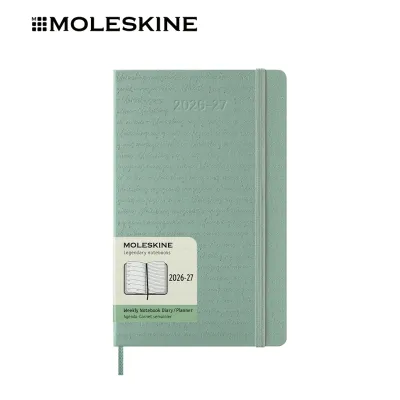
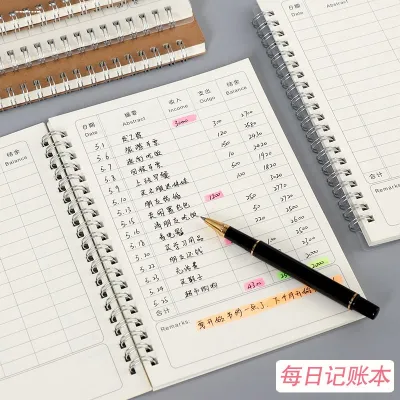
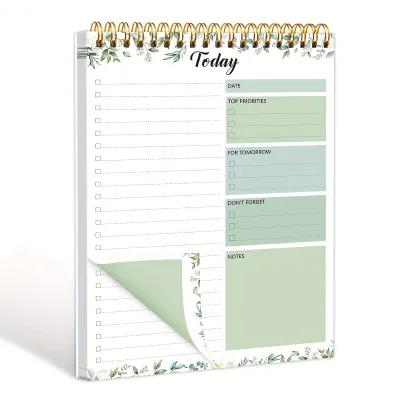
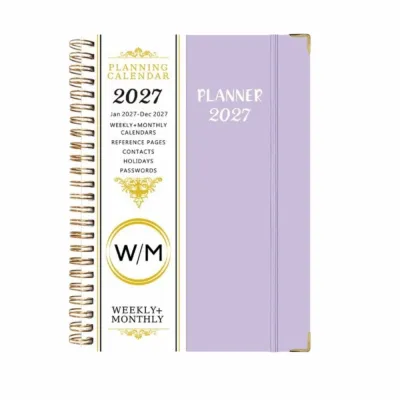
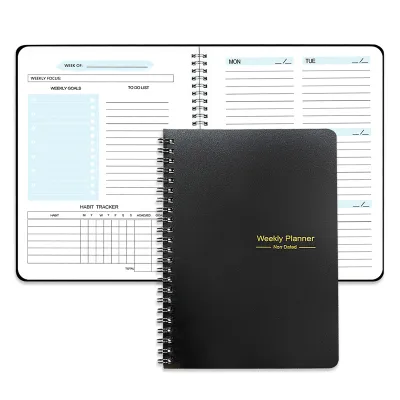
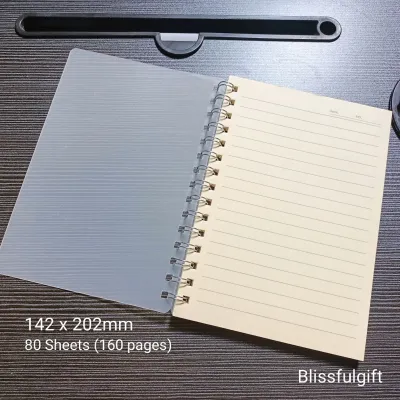
Prices are valid at publication and may change. Please refer to the product page for the latest price.
To identify your planning style, observe your daily tasks and how you naturally organize them. Ask yourself the following questions:
- Do you manage a calendar-driven day? If you need to track 30-minute intervals for client meetings, consultations, or strict project blocks, you require an hourly scheduling layout.
- Do you prefer complete creative freedom? If you find pre-printed boxes restrictive and prefer drawing your own layouts, rapid-logging tasks, and migrating notes organically, your style is bullet journaling.
- Do you need external accountability and reflection? If you require weekly reflection prompts, habit trackers, and a dedicated space to define your top priorities, you will benefit most from a structured goal-tracking planner.
Matching the planner’s inherent structure to your natural workflow prevents the common cycle of planner abandonment. When a planner forces you into an unnatural layout, updating it becomes an chore rather than a productivity aid. For instance, an open-ended creative thinker will feel restricted by rigid hourly columns, leaving them blank and feeling a sense of wasted space. Conversely, a busy executive with back-to-back meetings will find a blank notebook overwhelming, as they must constantly draw timelines to visualize their day. Identifying your style first ensures that the physical tool supports, rather than hinders, your daily execution.
Top Daily Planner Brands for Detailed Hourly Scheduling
For professionals, freelancers, and students whose days are defined by appointments and time-blocking, a detailed hourly planner is indispensable. These planners provide a highly structured, visual representation of the day, allowing you to see exactly when you are committed and where open gaps exist. The primary objective of this layout is to prevent overcommitment and ensure precise time management.

Several prominent brands specialize in hourly daily layouts, each offering distinct design philosophies:
- Hobonichi Techo: This Japanese brand is renowned for its daily pages featuring a subtle 3.7mm grid and a 24-hour vertical timeline. The Hobonichi Techo Cousin (A5 size) and Original (A6 size) use ultra-thin, high-quality Tomoe River paper, which allows a full 365-day planner to remain remarkably compact and portable.
- Day Designer: Designed for high-density scheduling, this brand features a clear, vertical daily column broken down by the hour (typically from 5:00 AM to 10:00 PM). Alongside the schedule, it provides dedicated blocks for top priorities, to-do lists, and evening notes, bound in a durable, lay-flat wire-o format.
- FranklinPlanner: A classic choice for corporate professionals, this system uses highly structured daily inserts with a focus on hourly scheduling, task ranking, and detailed daily notes, designed to fit into multi-ring binders.
When evaluating an hourly planner, several physical specifications require close inspection. First, check the binding method. A planner used for desk-bound scheduling must have lay-flat capability—either through Smyth-sewn thread binding (as seen in Hobonichi) or high-quality twin-wire binding (as seen in Day Designer). If the book resists lying flat, writing near the inner margins becomes difficult. Second, verify the exact time intervals printed on the page. Some planners cover a standard 8:00 AM to 6:00 PM workday, while others offer a full 24-hour scale or a 6:00 AM to 11:00 PM range. Choose a span that matches your actual waking and working hours.
The primary limitation of highly structured hourly planners is their rigidity. On weekends, holidays, or low-task days, the hourly columns can remain largely empty. For some users, these blank spaces can trigger subtle psychological pressure or a sense of underproductivity. If your schedule varies significantly from day to day, a rigid hourly structure may feel more restrictive than helpful.
Best Daily Planner Brands for Flexible Bullet Journaling
If you find pre-printed schedules and boxes confining, the bullet journal method offers a flexible alternative. This approach utilizes a blank or dot-grid notebook, allowing you to design custom daily spreads, change your layout from day to day, and integrate sketching, journaling, and task lists on the same page. The system expands and contracts based on your daily needs.
Several notebook brands are highly favored by the bullet journaling community for their paper quality and structural durability:
- Leuchtturm1917: Widely regarded as the classic bullet journaling notebook, Leuchtturm1917 offers medium (A5) dot-grid journals. While their standard notebooks feature 80gsm paper, they also offer a specialized "Edition 120g" line, which features thicker 120gsm paper designed to handle wetter inks with minimal ghosting.
- Archer & Olive: This brand is famous for its ultra-thick 160gsm crisp white paper. The pages are thick enough to handle watercolor, gouache, heavy brush pens, and fountain pens without any bleed-through or ghosting, making it ideal for highly artistic planning styles.
- Scribbles That Matter: Known for its smooth, synthetic-feel 120gsm or 160gsm paper, this brand offers robust notebooks with pre-printed key pages, index pages, and pen-test pages, catering specifically to structured bullet journalers.
Paper thickness, measured in grams per square meter (GSM), is a critical factor for bullet journaling. Standard office paper is typically 70 to 80gsm, which is prone to “ghosting” (where writing is visible on the reverse side of the page) and “bleeding” (where ink penetrates through the paper fibers). If you use gel pens, brush markers, or fountain pens, look for a minimum of 120gsm paper. If you plan to use wet mediums or heavy markers, opt for 160gsm.
Beyond paper weight, pay attention to paper texture, often referred to as “tooth.” Highly coated, smooth papers allow pens to glide effortlessly but result in longer ink drying times. Toothy papers offer more tactile feedback and faster drying times but can cause fine brush pens to fray over time. Additionally, ensure the notebook features durable thread-stitched binding (Smyth-sewn) so that it can withstand daily carry, repeated opening, and lie completely flat during long writing sessions.
Recommended Daily Planner Brands for Structured Goal Tracking
For individuals who want their daily planner to act as a personal coach, guided productivity planners are the ideal choice. These planners integrate daily task lists with long-term goal-setting frameworks, habit trackers, weekly reviews, and mindfulness prompts. They are designed to keep you aligned with your broader life objectives, preventing daily busywork from overshadowing strategic progress.
Several prominent brands offer goal-tracking frameworks:
- Full Focus Planner: Developed by productivity expert Michael Hyatt, this system operates on a 90-day achievement cycle. It guides you through setting quarterly goals, establishing daily rituals, and prioritizing your "Daily Big 3" tasks to ensure you focus on high-leverage activities.
- Passion Planner: This layout features weekly and daily spreads alongside a "Passion RoadMap," which helps you map out lifetime, three-year, one-year, and three-month goals, subsequently breaking them down into actionable daily steps.
- Panda Planner: Utilizing cognitive behavioral science principles, this planner focuses on daily gratitude, morning motivation, and evening review sections, alongside standard task and schedule blocks, to foster a positive mindset alongside productivity.
These planners rely on built-in cognitive frameworks to drive behavior. By forcing you to identify your top priorities each morning, they help you filter out distractions. Weekly review templates encourage you to reflect on what worked, what failed, and how to adjust your approach for the upcoming week. This continuous feedback loop is highly effective for building discipline and maintaining focus on long-term career or personal milestones.
However, the highly structured nature of guided planners presents distinct trade-offs. The abundance of prompts, reflection pages, and tracking grids requires a consistent time commitment. If you experience a busy week and skip several pages, the empty templates can induce guilt or feel like wasted paper. Additionally, because these planners incorporate extensive guided pages, they are physically thicker and heavier than standard diaries. For instance, the Full Focus Planner requires four separate books to cover a full year, which increases both the physical storage space required and the annual cost.
Quick Comparison: Matching Planner Features to Your Workflow
To help you quickly evaluate which planning style aligns with your daily operational needs, the table below summarizes the key physical specifications, ideal use cases, and limitations of each method.
| Planning Style | Ideal Layout | Key Feature to Check | Best For | Potential Limitation |
|---|---|---|---|---|
| Hourly Scheduling | Vertical columns with printed time increments | Exact time span (e.g., 24-hour vs. 12-hour), lay-flat binding | Back-to-back meetings, strict time-blocking, appointment management | Rigid structure can feel restrictive or empty on low-task days |
| Bullet Journaling | Dot-grid or blank pages with index and page numbers | Paper weight (120–160 GSM), binding durability, paper tooth | Custom layout design, creative tracking, rapid task logging | Requires significant upfront time to draw and set up daily pages |
| Goal Tracking | Guided priority lists, habit grids, and reflection prompts | Date format (dated vs. undated), book weight, 90-day vs. 12-month format | Aligning daily tasks with long-term strategic milestones | High structure can cause guilt or feel tedious if pages are skipped |
What to Verify Before Buying a Daily Planner in Singapore
When purchasing a daily planner in Singapore, physical and logistical factors play a major role in how successfully you will integrate the tool into your life. The first factor to consider is physical dimension. Planners generally come in standard international sizes:
- A5 (148mm x 210mm): Offers a balanced canvas with ample writing space, making it ideal for desk-bound work or carrying in a standard backpack or tote bag.
- B6 (125mm x 176mm): A highly popular intermediate size that offers more writing area than a pocket notebook while remaining exceptionally compact and lightweight for daily commuting.
- A6 or Personal Size (105mm x 148mm): Highly portable and easily fits into small bags or deep pockets, though it limits your daily writing space to brief bullet points.
Paper performance is highly sensitive to local environmental conditions. Singapore’s high relative humidity can cause paper fibers to absorb ambient moisture over time. This absorption can prolong the drying time of fountain pen inks, heavy gel pens, and rollerballs, leading to accidental smudges when you close your planner quickly. To mitigate this, look for planners with high-quality, ink-resistant paper coatings, or consider carrying a sheet of blotting paper to place between pages. Always check the manufacturer’s stated GSM and paper type; if you use wet inks, opt for uncoated, absorbent high-GSM paper, or highly engineered coated papers like Tomoe River, which resist feathering despite their thinness.
Finally, verify local availability and authenticity before making your purchase. High-end planner brands, particularly Hobonichi and Leuchtturm1917, are subject to counterfeit versions on unauthorized online marketplaces. To ensure you receive genuine paper that performs as advertised, purchase directly from official brand stores, authorized physical stationery retailers (such as Kinokuniya or Hands), or reputable online storefronts. Buying through authorized local channels also provides reliable shipping, clear return policies, and immediate access to matching accessories like protective plastic covers, pen loops, and specialized carrying cases.
Frequently Asked Questions (FAQ)
Can I use a standard bullet journal notebook as a daily planner?
Yes, you can easily use a standard bullet journal notebook as a daily planner. The primary difference is that a blank or dot-grid notebook requires you to manually draw your daily layouts, write out dates, and set up your own tracking systems. This demands a consistent upfront investment of time and effort. However, this manual setup grants you absolute flexibility; you can use a single page for a highly detailed day, and compress quiet days into a single line, completely eliminating the wasted blank pages common in pre-printed planners.
Should I choose a dated or undated daily planner?
Your choice between a dated and undated planner should depend on your planning consistency. Dated planners are pre-printed with specific calendar days, providing immediate setup and strict daily accountability, making them ideal for consistent, everyday users. Undated planners require you to write in the dates yourself. This format is highly advantageous if your schedule is unpredictable, if you plan to take breaks during vacations, or if you are starting your planner mid-year, as it ensures you never waste blank pages during inactive periods.
Community discussion
Share your experience or ask a question. Comments are reviewed before publication.