
Starting your crochet journey in Singapore is an exciting step into a creative and relaxing hobby. However, walking into a craft store or browsing online marketplaces can quickly become overwhelming when faced with hundreds of different tools. For absolute beginners, a highly reliable choice is a medium-sized, ergonomic aluminum hook, typically in the 4.0 mm to 5.5 mm range. This specific combination offers a smooth glide through yarn, comfortable handling for untrained hand muscles, and clear visibility of your stitches. By focusing on a few high-quality, versatile tools rather than a massive, cheap starter kit, you can avoid early frustration and build your skills with confidence.
Understanding Crochet Hook Anatomy and Styles
To choose the right tool, it helps to understand how a crochet hook is constructed. Every hook consists of a point, a head, a throat, a shaft, a thumb rest, and a handle. The design of these components determines how easily the tool slips through yarn loops and how comfortable it feels in your hand over long periods.
The two primary styles of hook heads are inline and tapered. Inline hooks feature a straight, flat-sided throat that aligns perfectly with the shaft, along with a deeper, more pointed head. This design helps beginners maintain highly consistent stitch sizes because the working loop always rests on a shaft of uniform width. However, the sharper point of an inline hook can sometimes split loosely spun yarn if your tension is tight.
Products mentioned in this guide
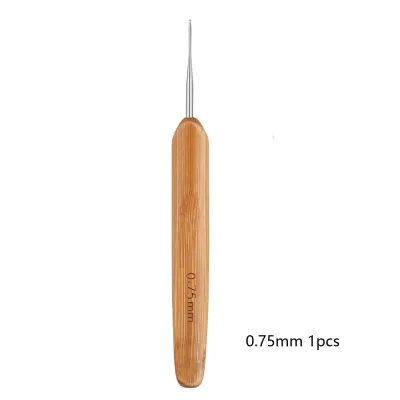
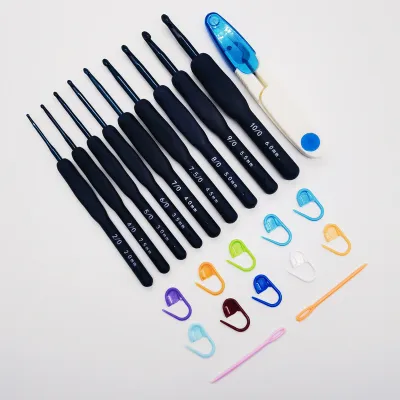
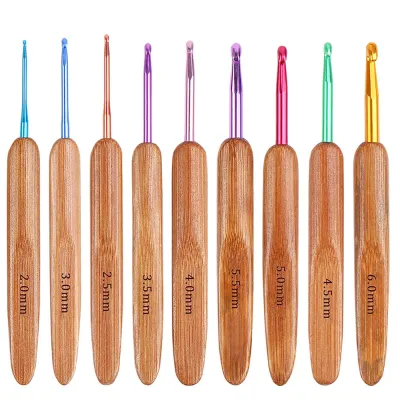
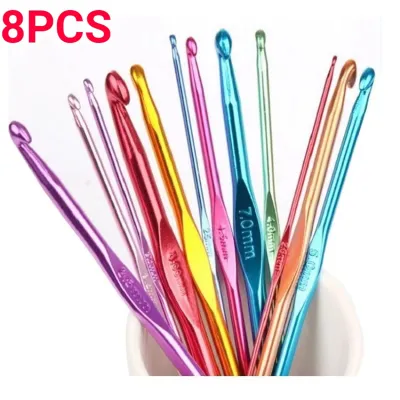
Prices are valid at publication and may change. Please refer to the product page for the latest price.
Tapered hooks, on the other hand, have a rounded head and a shallower, gently sloping throat. This rounded profile glides effortlessly through stitches without catching on individual yarn plies, making it a highly popular choice for those still mastering their hand movements. The trade-off is that the varying diameter of the tapered throat requires a bit more attention to ensure your loops do not become too tight or uneven.
Beyond the head, the handle design plays a massive role in preventing hand fatigue. Traditional hooks are simple, thin metal cylinders, which can cause cramping if you grip them too tightly. Modern ergonomic hooks feature flattened thumb rests or padded, rubberized grips that conform to the natural shape of your hand. These ergonomic designs are highly recommended for beginners who are still training their fine motor skills.
The way you hold your hook also influences which handle style will feel most natural. Crafters generally use either the “pencil grip,” holding the hook like a pen, or the “knife grip,” grasping the handle overhand. If you prefer the pencil grip, a lighter hook with a distinct, flat thumb rest often provides the best control. For knife-grip crafters, a slightly thicker, rounded ergonomic handle helps distribute pressure evenly across the palm.
Choosing the Right Material for Your First Crochet Stick
The material of your crochet stick—a term often used interchangeably with crochet hook—directly affects how smoothly yarn slides across its surface. Different materials offer varying levels of friction, weight, and temperature, all of which impact your stitching speed and comfort.

Aluminum is widely considered the gold standard material for beginner crochet tools. These hooks are incredibly durable, completely smooth, and allow almost any type of yarn to glide effortlessly without snagging. This low friction is highly beneficial for beginners, as it prevents the yarn from sticking and makes it easier to maintain a steady rhythm. Aluminum hooks are also highly affordable and widely available across Singapore.
Bamboo and wooden hooks offer a completely different tactile experience. These natural materials are warm to the touch and have a slight natural texture that provides more grip on the yarn. This extra friction is incredibly helpful when working with slippery fibers like silk, rayon, or high-quality bamboo yarn, as it keeps the loops from sliding off the hook accidentally. However, in Singapore’s humid tropical climate, natural wood and bamboo require careful storage to prevent moisture absorption, warping, or mold.
Plastic and acrylic hooks are lightweight, highly affordable, and often come in bright, fun colors. They are excellent for thick, bulky yarns because large plastic hooks are much lighter and easier to wield than heavy metal ones. However, smaller plastic hooks can feel flexible or flimsy, and some synthetic yarns tend to “squeak” or stick to plastic surfaces, which can be frustrating when you are trying to learn the basics.
When selecting your first crochet stick, consider starting with aluminum for your standard projects. If you find that your stitches are constantly slipping off the hook, switching to a bamboo alternative can provide the control you need to slow down and perfect your technique.
Which Hook Sizes to Buy First
One of the most common mistakes new crafters make is buying a massive set containing dozens of hook sizes, most of which they will not use for months or even years. Understanding how hook sizes work and which ones are the most versatile will save you money and storage space.
Crochet hook sizes are primarily measured in millimeters (mm), which refers to the diameter of the shaft. This metric system is the standard used in Singapore and is the most precise way to match your hook to your yarn. You may also encounter US letter systems (such as G, H, or I) or UK regional numbers, but checking the millimeter measurement is the safest way to ensure accuracy.
For absolute beginners, the ideal size range is between 4.0 mm and 5.5 mm. This middle-of-the-road range is perfect for working with medium-weight yarns, such as 8-ply, double knitting (DK), or worsted weight acrylic and cotton. Stitches made with these sizes are large enough to see clearly, making it much easier to count your rows and identify mistakes before you progress too far.
Using a hook that is too small, such as a 2.0 mm or 3.0 mm, is highly discouraged for beginners. These fine hooks are designed for delicate lace or tight amigurumi (stuffed toys), but they require excellent eyesight and precise tension control that takes time to develop. Conversely, very large hooks, like 8.0 mm and above, require bulky yarn that can be heavy to hold and awkward to manipulate when you are still learning basic hand movements.
To find the perfect match for your first project, always check the paper band wrapped around your skein of yarn. This label almost always features a small icon of a crochet hook with a recommended size range. As a beginner, sticking strictly to the manufacturer’s recommended size on the yarn label is the easiest way to guarantee your stitches will turn out beautifully.
Building a Practical Beginner Crochet Set
Assembling your first crochet kit does not require a massive financial investment. By focusing on a few high-quality essentials, you can create a highly functional setup that supports your learning without cluttering your workspace.
Beyond your primary crochet stick, you will need a few basic notions to complete almost any project. A pair of small, sharp yarn snips or embroidery scissors is essential for cleanly cutting your yarn without fraying the ends. You will also need a pack of locking stitch markers, which clip directly onto your stitches to mark the beginning of rounds or highlight specific pattern repeats. Finally, a few blunt-tipped tapestry needles are necessary for weaving in loose yarn tails securely when your project is finished.
When deciding how to allocate your budget, prioritize buying one or two high-quality individual hooks over cheap, unbranded bulk sets. Low-cost bulk sets often suffer from poor quality control, resulting in rough metal seams, sharp edges that split yarn, or rubber handles that slide off the metal shaft during use. Spending S$5 to S$12 on a single, well-crafted ergonomic hook from a reputable brand will provide a vastly superior crafting experience than a S$15 set of twelve poorly finished hooks.
Avoid falling for gimmicky accessories that promise to make crocheting easier but often just add unnecessary complexity. Light-up crochet hooks, digital row counters that fit on your finger, and complex tension rings are rarely necessary for beginners. Focus instead on mastering your hand tension and learning to read your stitches visually, which are the true foundations of successful crocheting.
Where to Source Crochet Supplies in Singapore
Singapore has a vibrant crafting community, offering several excellent avenues for sourcing high-quality crochet tools both in-person and online. Knowing where to look ensures you get genuine, durable products that make your learning experience enjoyable.
For those who prefer a hands-on shopping experience, visiting physical craft stores and specialty yarn boutiques in Singapore is highly recommended. Physical stores allow you to hold different hooks in your hand, letting you test the weight, handle thickness, and grip comfort before making a purchase. Many of these local shops are staffed by experienced crafters who can offer personalized advice on matching your hook to your chosen yarn.
If you prefer the convenience of online shopping, e-commerce platforms and local online marketplaces offer a vast selection of tools. When browsing online, always check the seller’s ratings and read customer reviews carefully. Look for reviews that specifically mention the smoothness of the hook head and whether the handles feel secure, as this helps filter out low-quality counterfeits.
Be cautious of unverified online listings that offer extremely cheap sets, as these often feature inaccurate metric sizing or rough, unpolished surfaces that will snag your yarn. Stick to reputable online craft distributors or official brand storefronts to ensure you are purchasing authentic, high-quality tools. Investing in reliable gear from the start will save you from the frustration of snagged yarn and hand fatigue, allowing you to fully enjoy your new hobby.
Frequently Asked Questions (FAQ)
Do I need to buy a full crochet hook set as a beginner?
No, you do not need a full set to start learning. Purchasing a single 4.0 mm or 5.0 mm ergonomic hook along with a skein of matching medium-weight yarn is more than enough for your first few weeks of practice. This approach allows you to test whether you enjoy the hobby and find your preferred handle style before investing in a wider range of sizes.
Why does my yarn keep splitting when I use my crochet stick?
Yarn splitting is usually caused by using a hook with a very sharp, inline head, or by working with a hook that is too small for your yarn weight. If your crochet stick constantly catches on individual plies of yarn, try switching to a tapered hook with a more rounded head, or increase your hook size by 0.5 mm to give the yarn more room to glide.
How do I clean and maintain wooden or bamboo crochet hooks?
To maintain natural wood or bamboo hooks, simply wipe them down with a clean, dry microfiber cloth after each use to remove natural hand oils. Avoid washing them with water or exposing them to high humidity, which can cause the wood to swell or warp. If a hook develops a rough spot or splinter over time, you can gently smooth it out using a very fine-grit sandpaper.
Community discussion
Share your experience or ask a question. Comments are reviewed before publication.