
For beginners starting their artistic journey in Singapore, choosing the right crayon brand depends heavily on the artist’s age, motor skills, and creative goals. Toddlers and young children benefit most from brands that prioritize safety and washability, while older children and adult beginners require richer pigments and smoother blending capabilities. Crayola stands out as the premier choice for young children due to its reliable washability, while Faber-Castell offers excellent ergonomic designs for developing hands. Budget-conscious creators and school projects are well-served by Mungyo’s bulk offerings, whereas adult beginners looking to explore mixed media will find premium performance in brands like Pentel and Caran d’Ache.
Selecting the perfect set of crayons involves balancing cost, usability, and performance. Because Singapore’s warm, humid climate can affect the storage and texture of wax-based mediums, understanding the characteristics of each brand ensures your art supplies remain usable and vibrant over time.
How to Choose the Right Crayons for Beginners
Selecting the ideal crayon set requires looking beyond bright packaging to evaluate how the physical properties of the crayons align with the user’s developmental stage and artistic intent. By focusing on ergonomics, safety certifications, material composition, and ease of cleanup, you can make an informed purchase that supports creative expression without unnecessary frustration.
Products mentioned in this guide
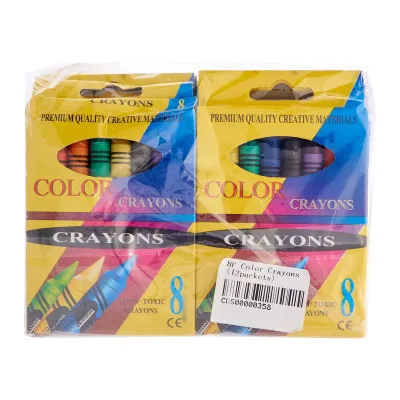
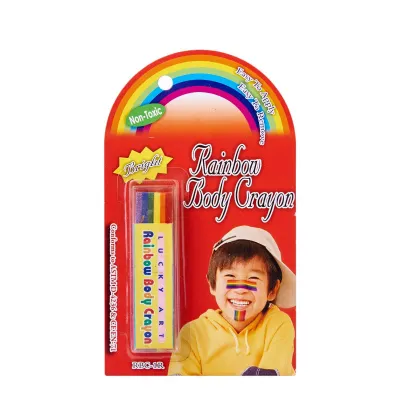
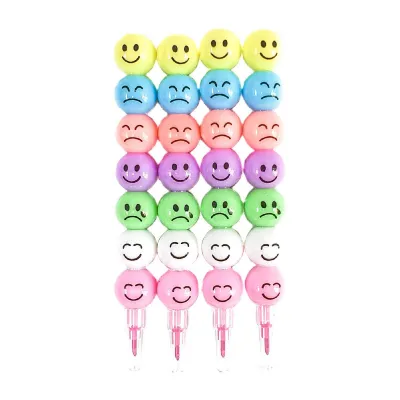
Prices are valid at publication and may change. Please refer to the product page for the latest price.
User Profile and Ergonomics
The physical shape and size of a crayon directly influence how comfortably a beginner can hold and control it. Toddlers and very young children who are still developing their fine motor skills typically use a palmar grasp, gripping objects with their entire fist. For these early learners, jumbo, egg-shaped, or thick triangular crayons are ideal because they are easy to hold and resist breaking under heavy pressure. Triangular crayons also offer the added benefit of preventing the tools from rolling off study desks, which is particularly useful in busy classrooms or home study areas.
As writers and artists mature, they transition to a tripod grasp, using their thumb, index, and middle fingers. Older children, teenagers, and adult beginners are better suited to standard cylindrical crayons, which allow for finer detail work and more precise control. Using a crayon that matches the user’s developmental stage reduces hand fatigue and encourages longer, more enjoyable drawing sessions.
Safety and Non-Toxic Labels
Safety is a paramount consideration, especially for younger children who may inadvertently put art supplies in their mouths. You should never assume that all crayons sold in retail stores are automatically safe. Instead, look for recognized international safety certifications printed on the packaging.
The Art and Creative Materials Institute (ACMI) offers the AP (Approved Product) seal, which identifies art materials that are safe and certified in a toxicological evaluation to contain no materials in sufficient quantities to be toxic or injurious to humans. For products imported from or sold in Europe and Singapore, look for the CE mark and compliance with the EN71 safety standard, which specifically regulates toy safety, including chemical migration limits. Verifying these labels on the box ensures peace of mind, particularly when purchasing imported brands online.
Wax Composition and Performance
The ratio of wax binder to color pigment determines how a crayon behaves on paper. Standard budget crayons often contain a higher proportion of paraffin wax and less pigment. This composition makes the crayons harder and more durable, but it also results in a scratchy application, lighter color payoff, and poor blending capabilities. If you want vibrant, saturated colors that glide smoothly across the page, look for crayons with a higher pigment load.
Many reputable brands market their products as “break-resistant.” While manufacturers use various techniques to strengthen their crayons—such as core reinforcement or specialized wax blends—it is always wise to verify these claims. You can read user reviews or conduct a small-scale test by applying varying degrees of pressure on a scrap piece of paper to observe how much flex the crayon can tolerate before snapping.
Washability
For households with young children, washability is often the most critical feature of a crayon set. Traditional wax crayons contain hydrophobic binders that resist water, making accidental marks on walls, wooden furniture, and clothing difficult to clean. Washable formulas incorporate special additives or emulsifiers that allow the wax to break down when exposed to mild soap and water.
While washable crayons greatly simplify cleanup, keep in mind that washability varies depending on the surface material and how long the mark has been left to set. Highly textured walls, matte paint finishes, and porous fabrics can trap pigment even if the crayon is labeled washable. To prevent permanent damage, always perform a quick spot test by marking a small, hidden area of the surface or fabric and attempting to clean it before allowing unrestricted use.
Top Crayon Brands for Beginners in Singapore
Singapore offers a diverse retail landscape for art supplies, ranging from neighborhood stationery shops to specialized art boutiques. The following brands represent the best options currently available for beginners, categorized by their primary strengths and target users.

Crayola: The Reliable Standard for Kids and Casual Art
Best For: Toddlers, young children, and parents prioritizing easy cleanup and certified safety.
Crayola is globally recognized for its consistent quality and child-friendly formulations. The brand’s primary strength lies in its specialized washable lines, such as the “Ultra-Clean Washable” series. These crayons are engineered to wash clean from skin, most washable clothing, and painted walls with just warm water and a sponge, making them an incredibly practical choice for busy Singaporean households.
However, standard Crayola crayons are designed primarily for coloring books and basic drawing. They have a relatively high wax-to-pigment ratio, which means they do not layer or blend well. If you attempt to build up multiple layers of color, the surface can become slick and resist subsequent applications, limiting their usefulness for advanced artistic techniques or adult hobbyists.
When purchasing Crayola for the first time, look for their “My First Crayola” or “Jumbo” lines, which are specifically sized for tiny hands. Be sure to check the packaging carefully to confirm that the specific box is labeled as “Washable.” Some specialty lines, including metallic, glitter, or neon crayons, use different formulations that may not wash out of fabrics as easily as the standard washable line.
Faber-Castell: Ergonomic and Vibrant Options
Best For: Preschoolers transitioning to standard grips and older beginners seeking smoother, richer color application.
Faber-Castell is highly regarded for its focus on ergonomic design and product quality. Their student-grade crayons, particularly the triangular jumbo and “Grip” series, feature raised non-slip grip dots that naturally guide a child’s fingers into the correct tripod position. This design is highly beneficial for young students in Singapore who are preparing for primary school handwriting demands.
In terms of performance, Faber-Castell crayons generally offer a smoother glide and higher color saturation than basic budget brands. The wax formulation is softer, allowing colors to lay down evenly without requiring excessive physical pressure. This makes them excellent for shading and basic color mixing experiments.
Because of their superior construction and ergonomic features, Faber-Castell products sit at a mid-to-premium price tier. While they are highly durable, they may not be the most economical choice for high-volume environments like large childcare centers where supplies are quickly consumed or misplaced. For the best value, beginners should focus on Faber-Castell’s “Red” or “Blue” student lines, which deliver excellent performance at a sensible price point.
Mungyo: Budget-Friendly Bulk Options
Best For: School art projects, large families, and budget-conscious beginners who want a wide palette of colors.
Mungyo, a well-known South Korean stationery brand, is popular in Singapore for providing highly cost-effective art supplies. If you are looking for a massive assortment of colors—such as sets of 48 or 64 shades—without spending a fortune, Mungyo is an exceptional choice. Having access to a broad color palette allows beginners to experiment freely with color theory and shading without the fear of wasting expensive professional materials.
The trade-off for this affordability lies in the crayon’s physical texture. Mungyo’s budget wax crayons tend to be harder than Faber-Castell’s offerings. As a result, users must apply more downward pressure to achieve deep, vibrant colors, which can lead to hand fatigue during long drawing sessions. Additionally, because the wax is more brittle, these crayons are more prone to snapping if dropped on hard surfaces, such as the ceramic tile flooring common in many Singaporean homes.
These crayons are best suited for older children and adult beginners who have developed stable hand control and can regulate their writing pressure. When purchasing Mungyo products, always check the box to verify that the specific batch carries non-toxic safety certifications, as packaging details can vary across different import batches.
Caran d'Ache and Pentel: For Adult Beginners and Mixed Media
Best For: Adult beginners, art journalers, and creators interested in layering, blending, and mixed-media art.
For those who want to move beyond basic coloring and explore crayons as a serious artistic medium, premium brands like Pentel and Caran d’Ache offer unmatched performance. Caran d’Ache, a Swiss manufacturer, produces the legendary Neocolor I series. These are permanent, water-resistant wax oil crayons known for their exceptionally high pigment concentration, buttery texture, and superior lightfastness, which ensures your artwork will not fade when exposed to light.
These premium crayons allow for advanced techniques such as sgraffito (scratching through a top layer of color to reveal a lighter color underneath), heavy layering, and blending. Because Neocolor I is completely water-resistant, adult beginners can pair them with watercolor washes to create beautiful resist art, where the wax crayon lines repel the wet paint to preserve the drawing underneath.
The primary limitation of these brands is their premium pricing. A small set of Caran d’Ache crayons can cost significantly more than a large bulk box of student crayons, making them impractical for young children or casual, high-volume scribbling. To manage costs, start by purchasing a small, curated set of 10 or 15 essential colors. This allows you to test the medium and develop your skills before committing to a larger, more expensive set.
Where to Buy Crayons in Singapore
Finding authentic, high-quality crayons in Singapore is straightforward if you know where to look. Depending on whether you prefer to feel the product in person or shop from the comfort of your home, several reliable retail channels are available.
Physical Stationery and Craft Stores
Visiting a physical store is highly recommended for beginners because it allows you to inspect the packaging, verify safety seals, and sometimes test swatches to feel the wax consistency.
- Art Friend: With prominent locations at Bras Basah Complex, Plaza Singapura, and Clementi, Art Friend is Singapore's premier destination for fine art supplies. It is the best place to find premium brands like Caran d'Ache, as well as a wide range of student-grade options.
- Popular Bookstore: As Singapore's most ubiquitous neighborhood bookstore chain, Popular is incredibly convenient for sourcing student-grade crayons from brands like Crayola, Faber-Castell, and Mungyo. You can find a Popular outlet in almost every major heartland shopping mall.
- Spotlight: Located at Plaza Singapura and Westgate, Spotlight carries a solid selection of craft-focused crayon sets and kids' art supplies, making it a great stop for family-friendly shopping.
Supermarkets and Department Stores
For quick, convenient purchases, major local supermarkets such as NTUC FairPrice (particularly FairPrice Xtra and Finest outlets) and department stores like BHG or Metro often carry basic stationery sections. While their inventory is usually limited to standard, entry-level sets from mainstream brands like Crayola or Faber-Castell, they are highly convenient for picking up school supplies during routine grocery runs.
Online Marketplaces
Shopping on major e-commerce platforms offers unparalleled convenience and access to a wider variety of international brands. However, online shopping requires extra vigilance to avoid counterfeit products, which may contain uncertified chemical binders or low-quality pigments.
To ensure safety and quality, always buy from official brand flagship stores, authorized local distributors, or highly rated local sellers. Avoid buying unbranded, unusually cheap crayon sets from overseas sellers, as these products rarely undergo rigorous safety testing.
Verification Tip for Singapore's Climate
Because Singapore experiences high year-round temperatures and humidity, wax crayons can soften, warp, or even melt if they are left in hot delivery vans, unventilated transit hubs, or metal mailboxes for extended periods. When ordering online, read recent customer reviews to see if previous buyers complained about broken or melted items. Additionally, choose sellers with flexible return or replacement policies so you can easily exchange your crayons if they arrive damaged during transit.
Quick Comparison of Beginner Crayon Brands
To help you narrow down your options, use the comparison table below to match your budget, target user, and primary artistic goals with the right brand. This table summarizes the key characteristics of each brand discussed to help you make a swift, informed decision.
| Brand | Best Suited For | Key Strength | Price Tier | Recommended Retail Channel |
|---|---|---|---|---|
| Crayola | Toddlers and young children | Exceptional washability and non-toxic safety | $ | Popular Bookstore, Supermarkets |
| Faber-Castell | Preschoolers and student beginners | Ergonomic shapes and smooth color glide | $$ | Popular Bookstore, Art Friend |
| Mungyo | School projects and budget buyers | Affordable bulk color variety for experimentation | $ | Online Marketplaces, Popular Bookstore |
| Caran d'Ache / Pentel | Adult beginners and mixed media | High pigment density and excellent blending | $$$ | Art Friend, Specialty Art Stores |
Frequently Asked Questions (FAQ)
What is the difference between wax crayons and oil pastels?
While wax crayons and oil pastels look similar, they are made from different binding agents, resulting in distinct handling characteristics on paper. Wax crayons are formulated using paraffin wax, beeswax, or synthetic wax binders mixed with color pigments. This composition makes them relatively hard, clean to hold, and durable. They do not produce dust or smudge easily, making them perfect for coloring books, detailed line drawings, and activities where clean hands are a priority.
In contrast, oil pastels are made using a mixture of non-drying oil and wax binders. This gives them a soft, buttery, and creamy consistency. Oil pastels glide effortlessly across paper and can be blended easily with your fingers, a blending stump, or even mineral spirits to create painterly, expressive effects. However, they smudge very easily, leave a residue on hands, and cannot be sharpened to a fine point. Beginners should choose wax crayons for controlled, clean drawings and oil pastels for expressive, blended artwork.
How do I safely remove crayon marks from walls or furniture?
If accidental crayon marks find their way onto your walls or furniture, always start with the gentlest, most reversible cleaning methods first to protect the underlying finish. A melamine sponge (often sold as a magic eraser) dampened with a small amount of water is highly effective. Use light, circular pressure to lift the wax off the surface without scrubbing away the wall paint.
Alternatively, you can create a natural cleaning paste by mixing baking soda with a small amount of water. Apply the paste to a damp microfiber cloth and gently rub the crayon marks. The mild abrasive action of the baking soda helps break down the wax binder without scratching most surfaces.
Avoid using harsh chemical solvents, abrasive scouring pads, or high heat sources like hairdryers. While heat can melt the wax, it often causes the liquid pigment to penetrate deeper into porous drywall or wood grain, leading to permanent staining or discoloration. Before applying any cleaning method to a highly visible area, always perform a test run on a small, hidden spot—such as behind a door or under a table leg—to ensure it does not damage the paint or wood finish.
Community discussion
Share your experience or ask a question. Comments are reviewed before publication.