
Understanding Cotton Yarn for Crochet: Benefits and Limitations
Cotton is a staple fiber in the fiber arts community, prized for its natural origin and distinct structural properties. When compared to animal fibers or synthetic alternatives, cotton stands out for its exceptional stitch definition. Because the fiber lacks a fuzzy halo or significant surface crimp, every single loop, chain, and post stitch remains highly visible and crisp. This makes it a favorite choice for intricate stitch patterns, textured stitches like bobbles or cables, and geometric motifs.
Beyond aesthetics, cotton is highly valued for its breathability, durability, and cooling properties, which are particularly advantageous in Singapore’s year-round warm and humid climate. Garments made from cotton allow air to circulate freely and absorb moisture efficiently, keeping the wearer comfortable. Additionally, cotton fibers are incredibly strong and actually become stronger when wet, allowing finished items to withstand frequent washing and heavy daily use without degrading.
However, working with cotton requires adjusting to its inherent physical limitations, most notably its lack of natural elasticity. Unlike wool, which possesses a springy memory that allows it to stretch and snap back into shape, cotton is relatively rigid. This rigidity means that if you crochet with a tight tension, the yarn will not yield, which can lead to hand and wrist fatigue during extended crafting sessions. It also means that finished cotton items can sag or stretch permanently over time if subjected to weight or tension, a crucial factor to consider when planning your projects.
Products mentioned in this guide
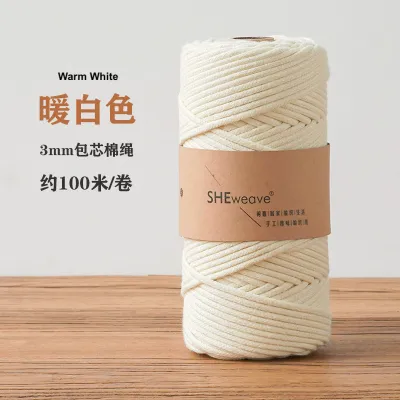
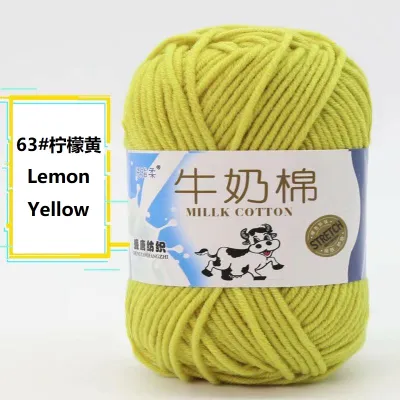
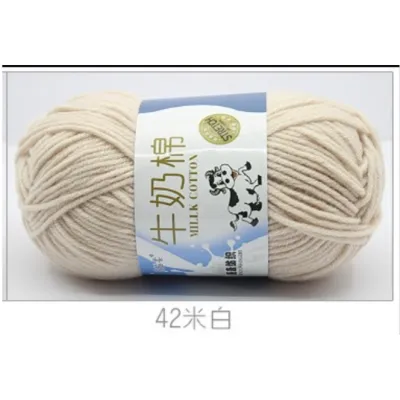
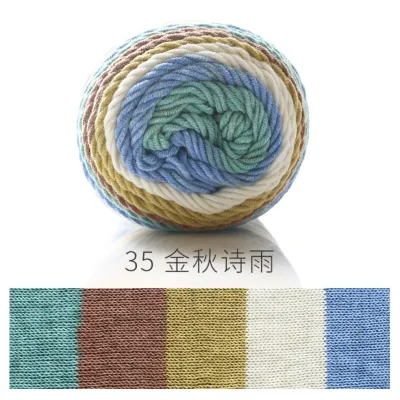
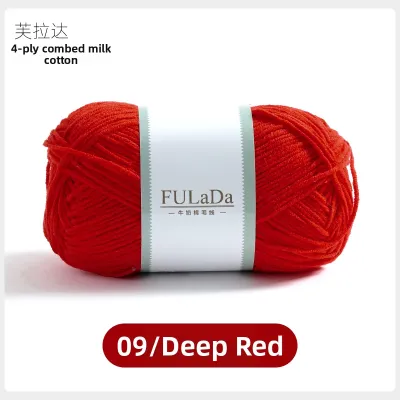
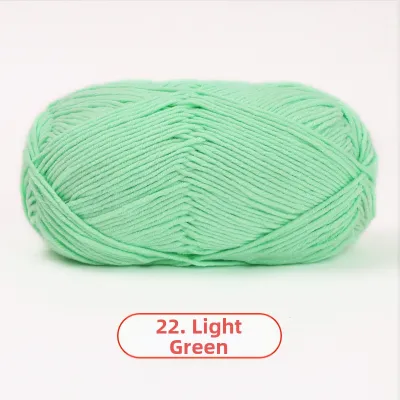
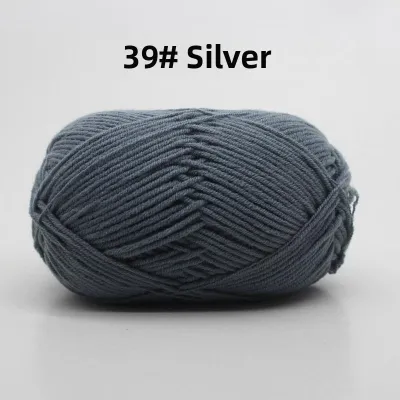
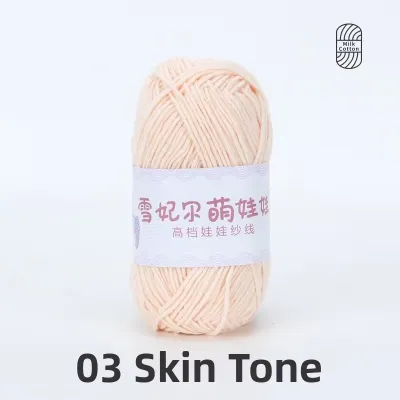
Prices are valid at publication and may change. Please refer to the product page for the latest price.
Understanding these characteristics helps you match the fiber to the correct project. Cotton is the gold standard for items requiring structural integrity, such as amigurumi, coasters, dishcloths, market bags, and home decor. Conversely, it is less suitable for projects that demand high elasticity or snug fits, such as winter beanies, ribbed cuffs, or form-fitting garments, unless it is blended with a more elastic fiber.
How to Select the Right Cotton Yarn for Your Crochet Project
Selecting the perfect crochet cotton yarn requires an understanding of how the fiber is processed and structured. The first major decision point is choosing between mercerized and unmercerized cotton. Mercerization is a chemical treatment where the cotton fiber is exposed to a sodium hydroxide bath, followed by neutralizing acid. This process causes the cell wall of the fiber to swell, straightening its physical structure and increasing its surface area.

The physical results of mercerization are highly distinct. Mercerized cotton possesses a smooth, lustrous finish with a noticeable sheen that reflects light beautifully. This treatment also increases the fiber’s affinity for dye, resulting in exceptionally vibrant, rich colors that resist fading over time. Furthermore, mercerized yarn is highly resistant to pilling and friction, making it slide effortlessly over your crochet hook. This makes it the ideal candidate for detailed decorative work, amigurumi, and jewelry.
In contrast, unmercerized cotton bypasses this chemical treatment, leaving the cotton fibers in their natural, matte state. This yarn is significantly softer to the touch and has a slightly textured, rustic appearance. Because the fibers have not been sealed or smoothed by chemical processing, unmercerized cotton is incredibly absorbent, acting like a sponge to soak up water. This makes it the superior choice for practical, utility-focused items such as kitchen dishcloths, bath towels, and face scrubs where skin comfort and absorbency are paramount.
Another critical factor is the twist and ply structure of the yarn. Ply refers to the number of individual strands spun together to form a single yarn thread. The twist rate—how tightly these plies are wound around each other—directly impacts your crocheting experience. A loose twist can cause the yarn to split easily, meaning your crochet hook slips between the plies rather than catching the entire strand. This can lead to messy stitches and immense frustration. A tight twist keeps the plies locked together, ensuring a smooth, uninterrupted glide.
Finally, you must match the yarn weight and hook compatibility to your project goals. Cotton yarn is available in a wide spectrum of weights, from ultra-fine lace weights (often categorized as size 10 or 20 thread) to sport, DK, and worsted weights. Always inspect the manufacturer’s label on the yarn band to identify the recommended metric hook size. However, because cotton has no stretch, your personal tension is a critical variable. If you tend to crochet tightly, consider moving up a half-millimeter hook size to prevent your finished fabric from becoming uncomfortably stiff and dense.
Top Cotton Yarn Brands for Crochet Available in Singapore
Navigating the array of yarn options in Singapore can be overwhelming, but categorizing your choices by project type simplifies the decision. Different brands specialize in specific spinning techniques, fiber treatments, and dye processes, making them better suited for either structured toys, wearable garments, or heavy-duty home accessories.
Best for Amigurumi and Detailed Stitchwork
For amigurumi—the Japanese art of crocheting small, stuffed yarn creatures—and highly detailed stitchwork, you require a yarn that offers exceptional structural support and stitch definition. The premier recommendation in this category is Scheepjes Catona. This is a 100% mercerized cotton yarn in a sport weight, highly celebrated for its extensive color palette of over 100 shades, allowing for incredibly detailed colorwork and subtle gradients.
The tight twist of Scheepjes Catona ensures that your crochet hook glides effortlessly through stitches without splitting the yarn. This structural tightness is essential for amigurumi because it creates a dense, firm fabric that prevents the polyester fiberfill stuffing from poking through the gaps. Additionally, the mercerized finish gives the finished toy a clean, professional look with a subtle sheen that highlights the shaping of the character.
Another excellent option for even finer, more delicate work is DMC Cebelia or DMC Petra. These are highly mercerized, combed cotton threads designed for fine lace, doilies, and micro-amigurumi. Their extreme strength and smooth glide make them perfect for working with tiny steel crochet hooks (often ranging from 0.75mm to 1.5mm), ensuring that intricate motifs remain sharp and unyielding.
While these mercerized options excel at maintaining shape, they do carry limitations. The chemical treatment makes the yarn relatively stiff, which means it lacks the soft, flowing drape required for comfortable clothing. When planning your project, always verify the yardage on the yarn band, as sport and lace weight skeins are often smaller (typically 25g or 50g) than standard worsted skeins, requiring you to purchase multiple skeins of the same dye lot to complete your work.
Best for Wearables and Summer Garments
Creating garments that are comfortable to wear in Singapore’s tropical environment requires a completely different approach to yarn selection. Instead of stiff, heavy cottons, you should look for softer combed cottons or cotton-blend yarn cakes. A standout product in this category is Scheepjes Whirl, a fingering-weight yarn cake composed of a 60% cotton and 40% acrylic blend.
The inclusion of acrylic or other synthetic fibers like bamboo is highly deliberate. Pure cotton garments can become incredibly heavy, dragging downward under their own weight and losing their original shape. By blending cotton with acrylic, the yarn becomes significantly lighter, cooler, and gains a touch of elasticity. This blend provides a gorgeous, fluid drape that moves naturally with the body, making it ideal for summer shawls, lightweight cardigans, and breezy tops.
When working with cotton or cotton-blend wearables, creating a gauge swatch is an indispensable step. Because cotton behaves differently when washed, you must crochet a small square, measure its stitch count, and then wash and block it according to the care instructions. Blocking—the process of wetting the fabric and pinning it flat to dry—allows the cotton fibers to relax and settle. This step reveals the true final dimensions and drape of the fabric, preventing unpleasant surprises like a garment stretching several inches longer after its first wash.
Best for Home Decor and Practical Items
For functional home accessories such as dishcloths, pot holders, coasters, bath mats, and heavy-duty market bags, durability and moisture absorption are the primary requirements. The undisputed classic in this category is Lily Sugar ‘n Cream, a 100% unmercerized worsted-weight cotton yarn. This yarn is widely recognized for its thick, robust structure and natural matte finish.
Because Lily Sugar ‘n Cream is unmercerized, its thirsty fibers are highly absorbent, making it incredibly efficient at wiping up spills or drying dishes. The worsted weight (or Aran weight) allows you to use larger crochet hooks (typically 4.5mm to 5.0mm), resulting in a thick, sturdy fabric that can withstand high heat, heavy friction, and repeated cycles through the washing machine.
For large-scale home decor projects such as textured throw blankets, decorative pillows, or floor rugs, purchasing small 50g skeins can quickly become expensive and result in dozens of yarn ends to weave in. To address this, look for brands that offer their utility cottons in large cones or oversized solid-colored skeins. This packaging provides a continuous strand of yarn, reducing joins and offering a much more cost-effective solution for substantial projects.
When crafting items that will be frequently exposed to water or washed regularly, it is vital to verify the colorfastness of the yarn. Unmercerized cottons, particularly in deep or vibrant shades like red, navy, and forest green, can sometimes bleed excess dye during their initial washes. Checking the manufacturer’s care label and washing the finished item separately in cold water for the first few times will protect your other laundry and keep your crochet work looking vibrant.
Where to Source Crochet Cotton Yarn in Singapore
Finding these specialized cotton yarn brands in Singapore is highly convenient, thanks to a mix of physical retail locations and dedicated online boutiques. For those who prefer a hands-on shopping experience, visiting physical craft and fabric stores is highly recommended. Major retailers like Spotlight (located in central hubs such as Plaza Singapura and Westgate) carry a reliable selection of basic cotton yarns, blends, and essential crochet tools. Additionally, neighborhood haberdashery shops, particularly those nestled in Chinatown’s People’s Park Centre, offer a nostalgic browsing experience where you can find budget-friendly utility cottons.
The primary advantage of physical shopping is the ability to touch and feel the yarn before purchasing. You can physically assess the softness of an unmercerized cotton, test the tightness of a yarn’s twist by rolling it between your fingers, and verify the exact color shades under natural light. This tactile feedback is invaluable for ensuring that the yarn matches your project’s tactile requirements, helping you avoid hand fatigue or mismatched textures.
For access to premium international brands like Scheepjes, DMC, and specialized Japanese cottons, local online yarn retailers are an exceptional resource. Singapore-based e-commerce boutiques (such as Tiny Rabbit Hole, Golden Dragon, or Wish I Were Stitching) curate high-quality selections specifically tailored for crocheters and knitters. These platforms provide highly detailed product descriptions, specify exact fiber contents and weights, and offer reliable local shipping within a few business days, making it easy to restock your stash without leaving home.
If you choose to source your yarn from general online marketplaces, exercising caution is essential to ensure a positive experience. Always search for official brand stores or highly rated local sellers who specialize in craft supplies. To avoid long international transit times and potential shipping delays, verify the seller’s shipping origin. Most importantly, carefully examine customer reviews and look for close-up photos of the yarn band to confirm the authenticity of the brand, the fiber composition, and to ensure that you are purchasing matching dye lots for your project.
Quick Comparison: Matching Cotton Yarn to Your Crochet Project
To help you quickly match the right cotton yarn to your specific crochet goals, the table below summarizes the key characteristics and ideal projects for each primary yarn category.
| Yarn Type / Category | Finish | Best Project Types | Key Characteristic |
|---|---|---|---|
| Mercerized Sport Cotton (e.g., Catona) | Mercerized | Amigurumi, detailed motifs, structured toys | High stitch definition, low pilling, vibrant colors |
| Cotton-Acrylic Blend (e.g., Whirl) | Unmercerized (Blended) | Wearables, shawls, summer garments, drapes | Lightweight, soft drape, excellent shape retention |
| Worsted Kitchen Cotton (e.g., Sugar 'n Cream) | Unmercerized | Dishcloths, coasters, market bags, bath mats | High absorbency, thick and durable, matte finish |
| Fine Cotton Thread (e.g., Cebelia) | Highly Mercerized | Lace doilies, micro-crochet, delicate edgings | Exceptional strength, ultra-smooth glide, thin profile |
Frequently Asked Questions (FAQ)
Does cotton yarn stretch when crocheted?
Yes, but the way cotton stretches is different from animal fibers. Because 100% cotton lacks natural elasticity and physical memory, it does not stretch or spring back while you are actively crocheting. However, once the project is completed, the weight of the cotton fabric itself—especially in larger items like sweaters, cardigans, or heavy blankets—can cause the stitches to sag, pull downward, and stretch permanently over time.
To prevent your finished items from losing their shape, you can employ several practical strategies. Consider using tighter, denser stitch patterns (such as single crochet or waistcoat stitch) rather than loose, open stitches. For structured items like market bags or purses, sewing a fabric lining inside will absorb the weight of the contents and prevent the crochet fabric from stretching out of proportion. Alternatively, choosing a cotton-blend yarn that incorporates acrylic, nylon, or wool will introduce the necessary elasticity to help the garment retain its shape.
How do I prevent cotton yarn from splitting while crocheting?
Yarn splitting occurs when your crochet hook catches only a few plies of the yarn strand rather than pulling the entire thread through the loop. This is a common challenge with cotton because it lacks the natural cohesive fuzz of wool that keeps plies bound together. To minimize splitting, consider upgrading your tools; using a crochet hook with an inline throat (where the hook head is perfectly aligned with the flat thumb rest and shaft) rather than a tapered throat will help you grab the entire yarn strand more securely.
Your stitching technique also plays a major role in preventing splits. Try working at a slightly slower, more deliberate pace, especially when inserting your hook into tight or complex stitches. Focus on maintaining a consistent, relaxed tension, as overly tight stitches force you to shove the hook forcefully into the stitch, increasing the likelihood of splitting the fibers. Finally, investing in high-quality, tightly plied yarn brands that are specifically spun to resist splitting will immediately improve your stitching experience.
Community discussion
Share your experience or ask a question. Comments are reviewed before publication.