
When preparing for a relocation, finding the right cling wrap furniture protection is essential for ensuring your household goods arrive undamaged. While many people assume they can use standard household plastic film, the demands of transporting heavy, bulky, or delicate household items require specialized materials. Choosing the correct plastic wrap involves understanding the differences in material composition, thickness, and width to prevent surface damage, secure moving parts, and withstand the physical stresses of transit.
Why You Need Moving Wrap Instead of Kitchen Cling Film
Many homeowners embarking on a do-it-yourself move make the mistake of grabbing a roll of standard kitchen food wrap from their pantry. In the moving and logistics industry, the term “cling wrap” does not refer to thin, food-grade polyvinyl chloride (PVC) or low-density polyethylene (LDPE) film. Instead, professionals use industrial-grade stretch wrap, also known as moving wrap, tension wrap, or furniture wrap. Understanding this distinction is the first step toward protecting your belongings during a transition.
Kitchen cling film is engineered to be thin, usually ranging between 8 and 12 microns in thickness. It is designed to adhere to smooth glass or ceramic surfaces with minimal static cling, and it tears easily under the slightest tension. If you attempt to wrap a heavy chest of drawers or a wooden dining chair with kitchen film, the plastic will puncture the moment it encounters a sharp corner, a metal hinge, or the edge of a moving truck. It lacks the tensile strength required to hold drawers shut or compress soft cushions, leaving your furniture vulnerable to shifting and damage.
Products mentioned in this guide
![[Hommly SG Instock] Shrink Wrap | Stretch Film | Cling Wrap | Pallet Furniture Wrap | Plastic Wrap | Plastic Film|Moving](https://img.lazcdn.com/g/p/e09c6c058a9d85d92a83a2dc21a98bbc.jpg_400x400q80.jpg_.webp)
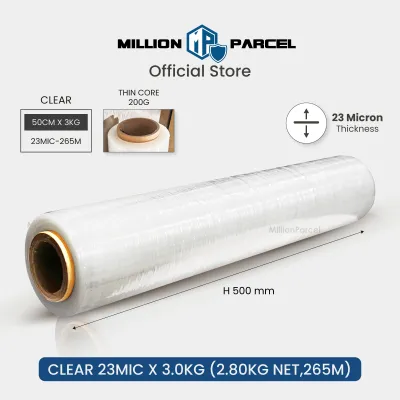
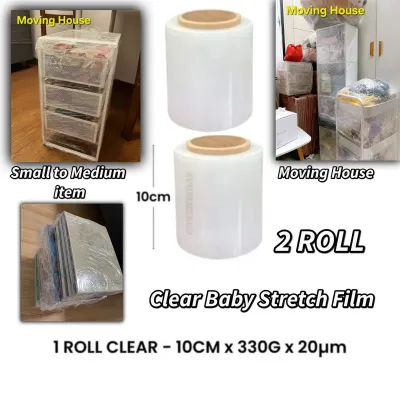
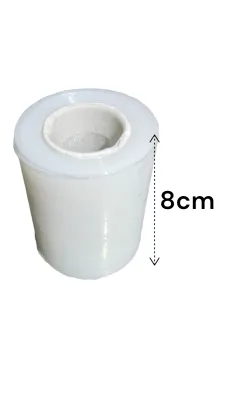
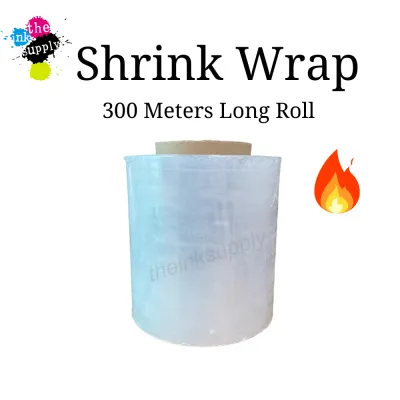
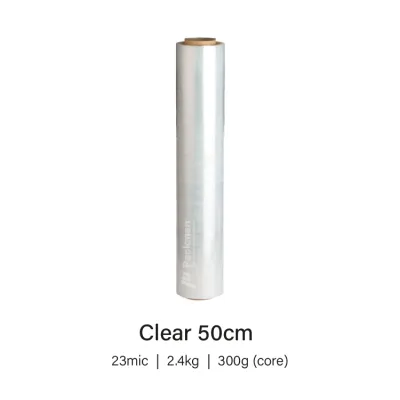
Prices are valid at publication and may change. Please refer to the product page for the latest price.
In contrast, professional moving wrap is manufactured from highly durable polymers designed to stretch under tension without breaking. The primary goal of using this specialized wrap is to immobilize moving parts—such as cabinet doors, drawers, and sliding shelves—while shielding surfaces from dust, dirt, and minor abrasions. When applied correctly, it compresses the item, providing structural stability and preventing pieces from sliding around during transport. This high-tension, puncture-resistant barrier is essential for keeping your furniture intact as it is navigated through tight corridors, stairwells, and lift doors.
Key Specifications for Choosing the Right Cling Wrap for Furniture
Selecting the right wrap requires looking closely at the product specifications rather than simply grabbing the cheapest roll on the shelf. The performance of the wrap depends on three critical factors: its chemical composition, its thickness (measured in microns or gauge), and its physical width. Evaluating these specifications ensures you buy a product that matches the weight, shape, and surface sensitivity of your furniture.

Material Grade and Adhesive Properties
The safest and most common material used for high-quality moving wrap is Linear Low-Density Polyethylene (LLDPE). This polymer is highly valued in the packaging industry because of its exceptional elasticity and resistance to tears. LLDPE moving wraps do not use chemical adhesives to stick to surfaces; instead, they rely entirely on static cling and the tension created when the plastic is stretched. This makes them incredibly safe for most furniture surfaces, as there is no glue or sticky residue left behind when the wrap is removed.
You must contrast pure LLDPE stretch wrap with PVC films or specialized high-tack adhesive protection films. While some surface protection films feature a mild adhesive backing to keep them in place on glass or metal, they can be highly destructive if applied directly to finished wood, varnish, or leather. In warm, humid environments, chemical adhesives can bond permanently with wood finishes or cause the top layer of leather to peel away during removal. Always check the product label for “non-adhesive,” “residue-free,” or “static cling” designations before wrapping sensitive household items.
Thickness (Gauge/Microns) and Stretch Capacity
The thickness of moving wrap determines its puncture resistance and load-bearing capacity. In metric-based markets, thickness is measured in microns (µm), while some imported products use gauge. A standard moving wrap typically ranges from 15 to 17 microns (60 to 70 gauge). This thickness is highly versatile, providing excellent flexibility and sufficient strength for securing lightweight drawers, wrapping boxed items, or holding protective moving blankets in place around wooden furniture.
For heavy-duty applications, such as wrapping large solid wood wardrobes, metal frames, or items with sharp, protruding corners, look for wrap with a thickness of 20 to 23 microns (80 to 90 gauge) or higher. Heavy-duty wrap resists tearing when dragged against rough surfaces or bumped against door frames. Additionally, pay attention to the stretch capacity, which should ideally fall between 200% and 300%. High stretch capacity means the plastic can be pulled tight, activating its “stretch memory”—the physical property that causes the plastic to constantly try to shrink back to its original size, maintaining a tight, secure grip throughout the journey.
Width and Handle Ergonomics
Moving wrap is available in various widths, and matching the roll size to the task at hand will save you significant time and physical effort. Standard wide rolls, measuring 15 to 20 inches (approximately 38 to 50 cm), are the workhorses of any move. These wide rolls are designed to cover large surface areas quickly, making them ideal for wrapping upholstered sofas, mattresses, dining tables, and tall cabinets. Using a wide roll ensures seamless coverage with fewer overlapping seams, which enhances the overall protective barrier.
For smaller, detailed securing tasks, narrow banding rolls measuring 3 to 5 inches (approximately 7.6 to 12.7 cm) are far more practical. These compact rolls allow you to wrap chair legs, bundle loose cables, or secure protective bubble wrap around delicate table legs without wrestling with a heavy, bulky roll. Usability is further improved by choosing rolls with extended cardboard cores or plastic handle dispensers. These ergonomic features allow the roll to spin freely in your hands as you walk around the furniture, preventing friction burns on your palms and allowing you to apply consistent, even tension.
Recommended Wrap Types for Specific Furniture Categories
Not all furniture items should be wrapped in the same manner or with the same type of plastic. Applying the wrong wrap to a delicate surface can lead to costly damage, while using an under-specified wrap on a heavy item can result in structural failure during transit. Matching the specific wrap type to the material of your furniture is essential for a successful move.
Heavy-Duty Stretch Wrap for Upholstered and Large Wood Furniture
Upholstered furniture, such as fabric sofas, armchairs, and mattresses, benefits immensely from thick, high-tension PE stretch wrap. Because fabric is porous and highly susceptible to dust, dirt, and moisture, a complete layer of heavy-duty wrap acts as an excellent shield. It keeps cushions compressed and securely in place while preventing the fabric from getting soiled during loading and unloading. This is particularly valuable in tropical climates where sudden rain showers can occur during transit.
However, when dealing with solid wood furniture, you must observe a critical limitation. Never apply heavy-duty stretch wrap directly onto untreated, freshly polished, or antique wood finishes. Wood is a natural, porous material that needs to breathe. Direct contact with plastic wrap can trap ambient moisture, leading to condensation, wood warping, or a cloudy, ruined finish. For these delicate wooden items, always place a protective, breathable barrier—such as a clean cotton moving blanket or plain packing paper—over the wood first, then use the stretch wrap to secure the blanket in place.
Low-Tack Surface Protection Film for Delicate Finishes
For flat, non-porous surfaces that are highly prone to scratching, standard stretch wrap may slide around, failing to provide adequate protection. In these scenarios, specialized low-tack surface protection films are highly recommended. These films are engineered specifically for glass tabletops, mirror glass, polished metal fixtures, lacquered wood, and leather. They feature a very mild, pressure-sensitive acrylic adhesive that allows the film to lay perfectly flat against the surface without shifting.
When using these adhesive-backed films, you must verify the manufacturer’s instructions and compatibility guidelines. Ensure the product is explicitly rated for the specific material you are protecting, as using a metal-protection film on a delicate leather sofa can cause severe peeling. Additionally, pay close attention to the maximum recommended application time, which is typically limited to 30 or 60 days. Leaving adhesive film on a surface past this window, especially when exposed to heat, can cause the adhesive to bake into the finish, leaving a sticky residue that is incredibly difficult to remove.
Narrow Banding Wrap and Pre-Cut Bands for Legs and Hardware
When preparing furniture for a move, the smaller components—such as table legs, chair legs, power cords, and assembly hardware—often pose the greatest packing challenge. Narrow banding wrap, typically 3 to 5 inches wide, is the ideal solution for these awkward items. Rather than wasting a wide, heavy roll of stretch wrap, these narrow bands allow you to wrap tightly around slender wooden or metal legs, providing scratch protection and preventing them from knocking against other items in the moving truck.
This narrow wrap is also highly effective for bundling loose items together, such as curtain rods, bed slats, or the disassembled pieces of a shelving unit. Additionally, you can use it to secure small plastic bags containing screws, dowels, and shelf pins directly to the main furniture frame. This ensures that when you arrive at your destination, all the necessary hardware for reassembly is exactly where it needs to be, eliminating the frustration of lost components.
How to Wrap Furniture Safely Without Causing Damage
Applying moving wrap may seem straightforward, but doing so without a systematic plan can lead to trapped moisture, surface scratches, or broken furniture joints. Following a professional, step-by-step wrapping process ensures that your furniture remains fully protected while avoiding the common pitfalls of improper application.
- Step 1: Clean and thoroughly dry the surface. Before any plastic touches your furniture, wipe down every surface to remove dust, grit, and moisture. If dust is trapped between the plastic wrap and a polished wood or glass surface, the friction created during transit will act like sandpaper, leaving fine, unsightly scratches. Furthermore, ensuring the surface is completely dry prevents moisture from being sealed in, which is a primary cause of mold and finish clouding.
- Step 2: Use a protective barrier for sensitive surfaces. For finished wood, leather, painted surfaces, or delicate antiques, never apply plastic wrap directly to the material. Place a clean moving blanket, bubble wrap, or thick packing paper over the item first. This protective layer cushions the furniture against impacts while allowing the surface to breathe, preventing the plastic from sticking or trapping moisture directly against the finish.
- Step 3: Apply with consistent tension. When wrapping, hold the roll firmly and pull it tight as you encircle the furniture. The plastic should stretch slightly to activate its cling properties and create a secure, compressive hold. Start from the bottom of the item and work your way upward, overlapping each preceding layer by approximately 50%. This overlapping technique builds structural strength and creates a continuous, water-resistant barrier.
- Step 4: Avoid over-tensioning around fragile areas. While tight tension is necessary to secure drawers and blankets, you must exercise caution around weak joints, delicate wood carvings, or glass edges. Pulling the wrap too tightly around a fragile table leg or a decorative trim can apply excessive lateral pressure, causing the wood to snap or joint adhesives to fail. Maintain a firm but gentle tension around these vulnerable points.
- Step 5: Secure the end of the wrap safely. Once the item is fully wrapped, cut the plastic from the roll. To secure the loose end, simply press it firmly against the wrapped layers; the static cling of high-quality PE wrap will naturally hold it in place. If you feel the need to use packing tape for added security, ensure you only tape the plastic wrap to itself. Never allow packing tape to touch any exposed wood, leather, or painted surface of the furniture, as the aggressive adhesive will cause permanent damage upon removal.
Common Mistakes to Avoid During the Wrapping Process
Even with the best materials, simple errors in judgment during the wrapping process can result in severe damage to your household goods. Being aware of these common mistakes allows you to take preventive action and ensure your furniture survives the relocation process completely unscathed.
One of the most frequent errors is wrapping damp or freshly cleaned furniture. This is particularly problematic in tropical climates like Singapore, where high relative humidity levels can quickly lead to condensation. Trapping moisture beneath a non-breathable layer of plastic wrap creates a perfect breeding ground for mold and mildew. Within just a few days in a warm moving truck or storage container, trapped dampness can warp wood, ruin upholstery, and cause polyurethane finishes to turn a cloudy white color that is costly to repair.
Another critical mistake is leaving plastic wrap on furniture for extended periods in long-term storage. Stretch wrap is designed for short-term transit, not permanent protection. If wrapped furniture is stored in a non-air-conditioned facility or a humid environment for months, the plastic can degrade. Over time, the heat can cause the plastic to soften and chemically fuse with varnishes, lacquers, or synthetic leather finishes, leaving permanent, unsightly textures or marks that cannot be wiped away.
Finally, avoid using incorrect materials, such as standard kitchen cling wrap or high-tack industrial tapes directly on raw wood. Kitchen wrap offers no structural support and will tear immediately, leaving your furniture unprotected. Meanwhile, applying heavy-duty adhesive tape directly to wooden frames or leather surfaces will pull away finishes and leave sticky residues that attract dirt. Always stick to high-quality LLDPE moving wrap and use protective blankets as intermediate barriers.
Frequently Asked Questions (FAQ)
Can I use regular food cling wrap to protect my furniture during a move?
No, you should not use regular food cling wrap for moving furniture. Food wrap is designed to be extremely thin (usually under 12 microns) and lacks the tensile strength, puncture resistance, and elastic recovery required for heavy-duty tasks. It will tear instantly when exposed to sharp corners, rough handling, or friction. Furthermore, food wrap does not provide the compressive force needed to keep heavy drawers closed or hold protective moving blankets securely in place.
Will moving wrap leave a sticky residue on my wood furniture?
Standard polyethylene (PE) moving wrap is completely non-adhesive and relies entirely on static cling and tension to hold itself in place, meaning it will not leave a sticky residue on your furniture. However, if you apply plastic wrap directly to finished wood and leave it on for an extended period in a hot, humid climate, it can trap moisture and cause the wood finish to cloud or warp. To prevent this, always place a breathable barrier like a moving blanket between the wood and the plastic wrap.
How many rolls of moving wrap do I need for a standard home move?
For a standard three-bedroom home or HDB flat in Singapore, you will typically need two to three wide rolls (approximately 50 cm wide by 500 meters long) of standard 15-to-17-micron moving wrap, along with one narrow banding roll for smaller items. When planning your purchase, evaluate the total length and width of the rolls rather than just the roll count, as roll lengths can vary significantly between brands. It is always highly recommended to purchase one extra roll as a buffer to ensure you do not run out of materials midway through your packing process.
Community discussion
Share your experience or ask a question. Comments are reviewed before publication.