
Knitting with thick yarn has become increasingly popular in Singapore, offering a satisfying way to create cozy blankets, statement home accessories, and plush winter wear in a fraction of the time required for lighter weights. Because thick yarn works up rapidly on large needles, it provides instant gratification for beginners and experienced crafters alike. However, shopping for these bulky materials in a tropical climate presents unique challenges. Finding the right balance between fiber comfort, project durability, and local availability is essential to ensuring your creative efforts yield lasting results.
The ideal chunky yarn brand for your project depends heavily on what you plan to make. A structured, hard-wearing floor rug requires vastly different fiber characteristics than a soft, breathable throw blanket meant for an air-conditioned living room. By understanding how different brands construct their thick yarns and evaluating where to source them in Singapore, you can avoid common pitfalls like excessive pilling, fiber shedding, or unexpected shipping costs.
How to Choose the Right Chunky Yarn for Your Knitting Project
Selecting the perfect yarn requires looking beyond appealing colors and soft textures. To achieve the correct drape and scale for your project, you must first understand how yarn thickness is categorized and how different fiber blends perform under Singapore’s specific environmental conditions.
Products mentioned in this guide
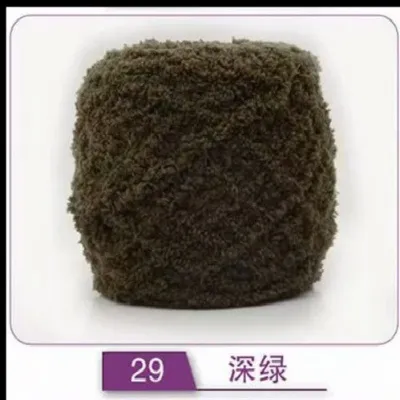
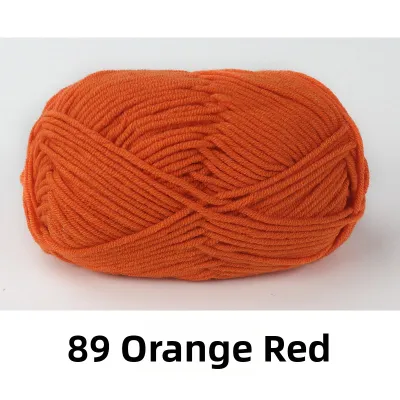
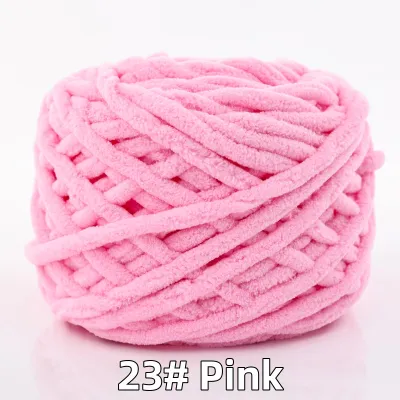
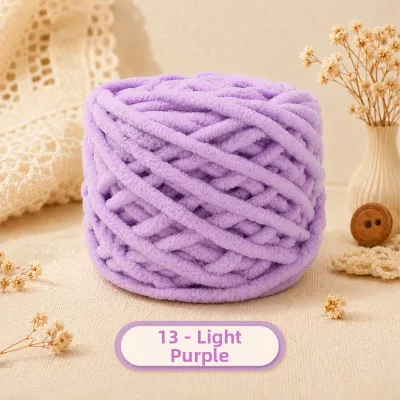
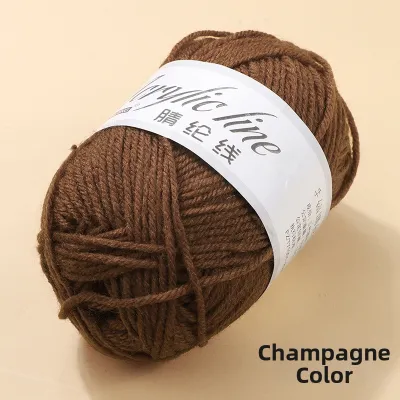
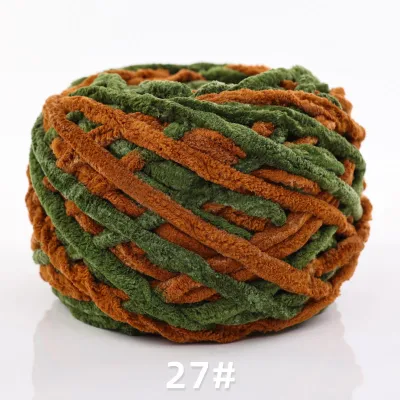
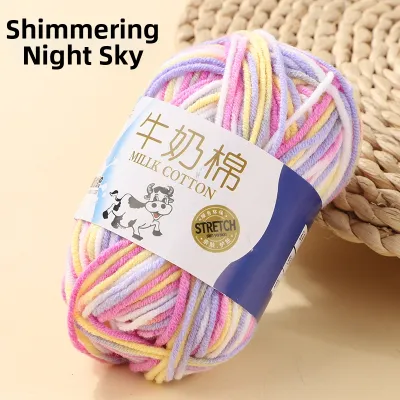
Prices are valid at publication and may change. Please refer to the product page for the latest price.
Understanding Yarn Weights (Chunky vs. Super Chunky vs. Jumbo)
The craft industry classifies yarn using a standardized numbering system established by the Craft Yarn Council. Thick yarns generally span three distinct categories, each requiring specific needle sizes and yielding different stitch definitions:
- Category 5 (Chunky/Bulky): This category typically includes 12-ply to 14-ply yarns. It is best worked on knitting needles ranging from 6.0 mm to 8.0 mm (US 10 to 11). Chunky yarn is highly versatile, making it excellent for structured cardigans, thick winter beanies, and cozy sweaters intended for overseas travel.
- Category 6 (Super Chunky/Super Bulky): Considerably thicker than Category 5, super chunky yarn is usually worked with 9.0 mm to 15.0 mm (US 13 to 19) needles. This weight is ideal for quick-knit accessories like oversized scarves, cowls, and heavy throw blankets that showcase dramatic stitch patterns.
- Category 7 (Jumbo): This is the thickest classification available, designed for needles larger than 15.0 mm (US 19) or for arm-knitting techniques. Jumbo yarn is most commonly used for massive, high-texture blankets, pet beds, and statement home decor items.
Matching your pattern’s recommended gauge to the correct weight class is critical. Choosing a Category 7 yarn for a pattern designed for Category 5 will result in a stiff, unyielding fabric that is far too heavy and lacks the intended drape.
Material Matters: Acrylic, Wool, and Cotton Blends
Singapore’s tropical climate plays a decisive role in fiber selection. While traditional wool is prized in colder countries for its exceptional warmth and elasticity, it can be impractical for local daily use unless the finished item is strictly reserved for heavily air-conditioned spaces or planned winter holidays.
Acrylic chunky yarns are highly popular because they are budget-friendly, lightweight, and exceptionally easy to care for. Brands like Paintbox Yarns offer acrylic chunky ranges that are machine washable, making them practical for households with pets or young children. However, 100% acrylic can sometimes feel static-prone and lacks the natural breathability of organic fibers.
Wool and wool-blend chunky yarns, such as Lion Brand Wool-Ease Thick & Quick, offer excellent bounce, stitch definition, and insulation. The addition of acrylic to a wool base enhances durability and helps the yarn hold its shape under the weight of larger stitches. For premium projects, 100% merino wool brands like Rowan Big Wool provide unparalleled softness, though they require meticulous hand-washing and are prone to heat-induced felting if mishandled.
Cotton and cotton-blend chunky yarns are an outstanding alternative for Singapore’s humidity. Brands like Hoooked specialize in recycled cotton ribbon or t-shirt yarns (such as RibbonXL), which provide a heavy, clean drape without trapping heat. These are ideal for structural home decor like storage baskets, plant pot covers, and summer-friendly cushions. Always check the physical product label for the exact fiber percentages rather than relying on descriptive marketing names like “wooly soft,” which may contain no actual wool.
Key Traits of Reliable Chunky Yarn Brands
When evaluating chunky yarn brands, look beyond initial aesthetics. High-quality manufacturing ensures that your project remains beautiful even after repeated handling, washing, and wear.

Durability and Pilling Resistance
Because thick yarns consist of larger bundles of fiber, they are inherently more susceptible to friction, which leads to pilling (the formation of small, fuzzy balls on the fabric surface) and shedding. The primary defense against pilling is the yarn’s structural twist.
Tightly spun, multi-ply chunky yarns hold their fibers securely in place, making them highly durable and resistant to friction. If you are knitting a high-use item like a daily wear cardigan or a sofa blanket, prioritize brands that feature a distinct, visible twist in their yarn strands.
Conversely, unspun roving-style yarns—often sold in massive, cloud-like skeins for arm knitting—have almost no twist. While they look incredibly soft and luxurious in photos, they shed heavily and pill almost immediately upon contact with skin or furniture. Roving yarns should be reserved strictly for decorative wall hangings or low-contact items, as they cannot withstand regular washing or daily friction.
Softness and Skin Sensitivity
For wearable items like scarves and sweaters, skin comfort is paramount. Coarse wool fibers can cause itching and irritation, especially in warm, humid weather where skin is more sensitive.
The itchiness of wool is determined by its micron count; lower micron counts indicate finer, softer fibers. When shopping for wool-based chunky yarns, look for brands that explicitly label their products as “Merino,” “Baby Alpaca,” or “Superfine.” These fibers have a low micron count and are much gentler against the skin.
Keep in mind that how a skein feels in your hand at the store does not always reflect how the finished, blocked fabric will behave. Synthetic sizing agents applied during manufacturing can make lower-quality yarns feel artificially soft in the shop, only for them to become stiff or scratchy after washing. If you are planning a large, expensive project, buy a single test skein first to knit, wash, and wear-test a small swatch against your skin before investing in a full sweater’s worth of yarn.
Colorfastness and Dye Lot Consistency
Large chunky projects require multiple skeins of yarn, making dye consistency crucial. Even minor variations in color will appear as highly visible, distracting horizontal bands across your finished knitting.
To prevent this, always verify that every skein you purchase shares the exact same dye lot number printed on the paper band. Reputable brands maintain strict quality control over their dye lots, but minor variations between batches are inevitable due to water temperature, chemical balances, and fiber absorption rates.
Additionally, highly saturated colors—especially deep reds, blues, and dark greys—can sometimes bleed when washed. This is a common issue with hand-dyed artisan chunky yarns. If you are combining contrasting light and dark colors in a single project, perform a simple pre-wash test by soaking a small multi-colored swatch in water to check for color bleeding before committing to the full knit.
Where to Source Chunky Yarn in Singapore
Acquiring chunky yarn in Singapore requires navigating a mix of traditional local retail shops and online distribution channels, each offering distinct advantages depending on your budget and project timeline.
Local Brick-and-Mortar Craft Stores
Shopping in person allows you to physically assess the yarn’s texture, twist, weight, and true color, eliminating the guesswork of online photos. In Singapore, traditional craft hubs like Chinatown (specifically People’s Park Centre) house long-standing shops like Golden Dragon, which stock established commercial brands. Specialty boutique knitting shops also carry premium international brands like Rowan or Malabrigo.
However, because chunky and jumbo yarns are physically bulky, they occupy a massive amount of shelf space. Consequently, local brick-and-mortar stores often carry a highly curated, limited selection of super chunky or jumbo weights compared to standard double-knit (DK) or worsted weight options. Stock levels can fluctuate rapidly based on shipment arrivals. To save yourself a wasted trip, it is highly recommended to call the shop or check their local website inventory before traveling to the physical store.
Online Marketplaces and Specialty Yarn Shops
For a broader selection of colors, brands, and fiber types, online sourcing is highly effective. Dedicated online yarn retailers based locally or internationally (such as LoveCrafts or Wool Warehouse) offer extensive catalogs of reliable brands like Paintbox Yarns, Drops, and Debbie Bliss. These platforms provide detailed fiber breakdowns, reliable dye-lot matching services, and extensive customer reviews.
When shopping on regional ecommerce marketplaces, you will find highly competitive prices on unbranded thick yarns. While budget-friendly, these listings sometimes feature inaccurate material descriptions—often labeling 100% polyester or acrylic yarns as “wool blends.” To verify seller credibility, carefully examine user-submitted reviews containing photos to evaluate the actual thickness, twist quality, and color accuracy of the yarn.
Furthermore, keep shipping costs in mind. Because super chunky and jumbo yarns are physically large, international shipping fees are often calculated based on volumetric weight (the space the package occupies) rather than actual weight. A box of ten jumbo yarn skeins can incur surprisingly high shipping fees, so always factor these costs into your overall project budget before finalizing your purchase.
Practical Tips for Knitting with Thick Yarn
Working with chunky materials requires adjusting your physical technique and project care to accommodate the heavy weight of the fibers.
- Manage Physical Strain: Knitting with heavy yarn and large needles puts significant pressure on your wrists, hands, and shoulders. To minimize fatigue, use circular needles even when knitting flat projects; this allows the weight of the growing fabric to rest in your lap rather than hanging off the tips of straight needles. Take frequent breaks and consider using ergonomic wooden or bamboo needles, which offer a warmer grip and better fiber control than slick metal needles.
- Use Tools Designed for Scale: Standard locking stitch markers and row counters are often too small to fit over chunky needles or may get lost in thick stitches. Invest in oversized stitch markers specifically rated for large needle sizes, or make your own using loops of contrasting scrap yarn.
- Weave in Ends Secretly: Because the yarn itself is so thick, simply weaving in loose ends can create unsightly, stiff lumps on the back of your work. To prevent this, split the plies of your yarn tail, trim half of the plies away to reduce bulk, and weave the remaining thinned plies into the surrounding stitches using a large crochet hook or a specialized blunt tapestry needle.
- Account for Humid Blocking: Wet blocking is essential to relax the stitches and achieve a professional finish, but thick fibers hold an immense amount of water. In Singapore's humid climate, a thick wool blanket can take days to air-dry, putting it at risk of developing mildew or a musty odor. To speed up drying, roll your freshly washed project tightly inside several dry bath towels and step on them to press out excess moisture. Dry the item flat in an air-conditioned room or directly in front of a circulating fan, turning it over regularly until it is completely dry.
Frequently Asked Questions (FAQ)
How do I calculate the yardage needed for a chunky knit blanket?
The total yardage required depends on your desired blanket dimensions, the stitch pattern used (ribbing and cables consume more yarn than basic garter stitch), and the specific meterage per skein of your chosen brand. To calculate this accurately, knit a gauge swatch measuring approximately 15 cm by 15 cm using your chosen yarn and needles. Weigh the finished swatch on a kitchen scale to find its weight in grams, and calculate its surface area. By dividing your total planned blanket area by the swatch area, you can determine how many swatches’ worth of yarn you need, allowing you to calculate the exact total weight and number of skeins required without running out mid-project.
What needle size should I use for super chunky yarn?
You should always begin by checking the manufacturer’s recommended needle size printed on the yarn band, which typically ranges from 9.0 mm to 15.0 mm (US 13 to 19) for Category 6 super chunky yarns. However, you may need to adjust this size based on your personal knitting tension and the desired structure of your project. If you knit tightly, or if you want a flowing, soft drape for a scarf, go up a needle size. If you knit loosely, or if you are making a structured item like a basket or a heavy cushion cover that needs to hold its shape, go down a needle size to create a denser, firmer fabric.
Community discussion
Share your experience or ask a question. Comments are reviewed before publication.