
To find the perfect planner or calendar in Singapore, you must align its physical specifications with your daily cognitive load, writing habits, and mobility needs. Whether you are managing back-to-back corporate meetings in the Central Business District (CBD), tracking university modules, or documenting personal reflections, the right layout acts as an external hard drive for your brain. The ideal choice is highly individual: a busy project manager requires structured hourly blocks, while a creative journaler thrives on the blank canvas of dotted paper. By understanding your specific lifestyle demands and checking key structural details before purchasing, you can select a tool that seamlessly integrates into your daily routine.
How to Match Planner Specifications to Your Daily Routine
Selecting a planner requires evaluating physical characteristics that directly impact your writing comfort and portability. The standard paper sizes serve different environments. An A5 size (148mm x 210mm) offers a generous writing area that is ideal for desk-bound professionals and students who take detailed notes. For those who commute via the MRT or work on the move, a more compact B6 (125mm x 176mm) or pocket-sized A6 (105mm x 148mm) fits easily into small bags while still providing enough room for essential lists.
Paper weight, measured in grams per square meter (GSM), determines how well the pages handle different writing instruments. Standard planners typically use paper ranging from 60 to 80 GSM, which is lightweight but prone to ghosting when using heavy ink. If you prefer using gel pens, highlighters, or fountain pens, look for paper weights of 100 GSM to 160 GSM to ensure clean, bleed-resistant pages.
Products mentioned in this guide
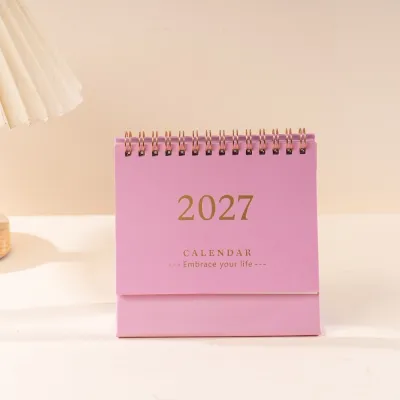
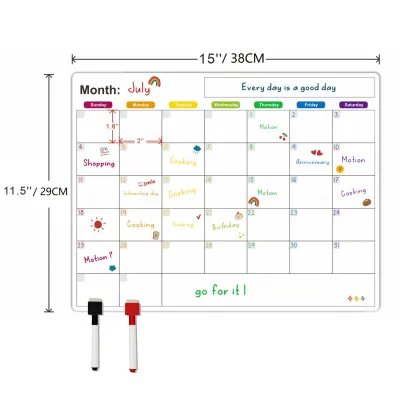
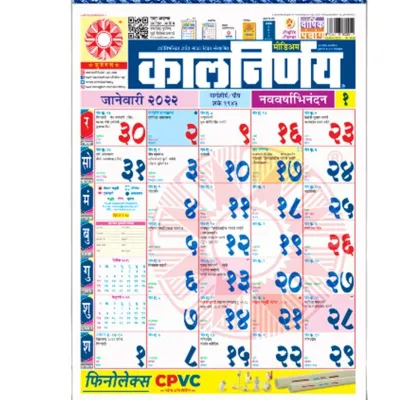
Prices are valid at publication and may change. Please refer to the product page for the latest price.
The binding method dictates how the book behaves on your desk. Thread-bound planners are highly durable and often allow the book to lie completely flat, which prevents the spine from fighting your hand as you write. Spiral or wire-bound options offer the flexibility of folding the cover completely back, making them excellent for cramped spaces, though the metal coil can sometimes obstruct your hand. Disc-bound and ring-bound systems provide the ultimate customization, allowing you to insert, remove, and rearrange pages as your scheduling needs evolve.
Inner page layouts must match how your brain processes time. Daily time-blocks are perfect for individuals with packed hourly schedules who need to visualize every meeting and task. Weekly horizontal spreads offer a traditional diary view with ample space for general notes, while weekly vertical columns are ideal for time-blocking and tracking sequential events. Monthly grids provide a high-level bird’s-eye view of project milestones, deadlines, and social commitments, making them excellent companions to digital calendars. Dotted and blank pages offer complete layout freedom, allowing you to design custom trackers and journals from scratch.
Because “best” is a subjective label, your choice should balance cognitive load, writing volume, and portability. If a planner requires too much setup time or is too heavy to carry, it will likely be abandoned by mid-year.
Here is a quick-reference guide to help you map your lifestyle needs to the recommended specifications:
| Lifestyle Focus | Recommended Size | Ideal Paper Format | Key Layout Features |
|---|---|---|---|
| Corporate Work | A5 or Slim B6 | Weekly Vertical Columns | Hourly time-blocks, monthly project overviews, minimalist aesthetic |
| Academic Study | A5 or B5 | Weekly Horizontal or Dated Grid | Subject tracking zones, assignment deadlines, monthly exam calendars |
| Creative Journaling | A5 or Square | Dotted or Blank Pages | High GSM paper, lay-flat binding, minimal pre-printed guides |
| On-the-Go Tasks | A6 or Pocket | Monthly Grid + Memo Pages | Ultra-lightweight, tear-out notes, durable cover material |
Planner Brand Features for Work and Professional Scheduling
Professional-grade planners are designed to streamline corporate workflows, manage complex project timelines, and maintain a polished appearance in meeting rooms. These planners typically prioritize clean, minimalist aesthetics, high-quality cover materials like vegan leather or durable hardcovers, and highly structured interior layouts. The primary goal is to minimize administrative friction, allowing busy professionals to see their daily commitments, follow-up tasks, and long-term milestones at a single glance.

Different brands approach professional scheduling with distinct design philosophies. Some brands focus on highly structured, pre-printed hourly grids that run from early morning to late evening. These layouts are ideal for corporate executives, consultants, and service providers who live by their billable hours and need to account for every block of time. Other brands offer modular, ring-bound, or traveler-style systems where you can combine a slim monthly calendar with separate project management inserts, blank meeting notebooks, and business card holders. This modular approach is highly beneficial for project managers who need to adapt their planning tools as client portfolios change throughout the year.
However, highly structured, pre-printed daily planners carry specific limitations. If your daily schedule is highly unpredictable, or if you spend most of your day in ad-hoc discussions that cannot be scheduled in advance, a rigid hourly layout can quickly lead to empty pages. This blank space can create a sense of planning failure or guilt, which often leads to abandoning the book entirely. For professionals with fluid schedules, a hybrid layout that combines a high-level weekly overview with a blank page for task lists is often a more sustainable choice.
Before purchasing a professional planner, use this buyer’s checklist to verify its practical utility:
- Flat-Lay Capability: Ensure the binding allows the book to lay completely flat on a desk without requiring paperweights, allowing you to write comfortably near the inner margins during long meetings.
- Project Tracking Pages: Look for dedicated Gantt-style charts, annual overviews, or quarterly milestone trackers that help you monitor long-term project phases alongside your daily tasks.
- Professional Reference Sections: Check if the planner includes useful professional utilities, such as world time zone maps, international dialling codes, or dedicated pages for project expense logging.
- Cover Durability: Verify that the cover material can withstand being repeatedly pulled out of a laptop bag and placed on various meeting room surfaces without fraying or scuffing.
Calendar and Planner Choices for Students and Academic Tracking
Students and academic learners require planning tools that can accommodate the unique rhythm of the school year, manage multiple course modules, and track assignment deadlines without adding unnecessary weight to a heavy backpack. Unlike corporate planners that follow the standard calendar year, academic planners are often structured around semesters, typically starting in the mid-year months. They must provide ample writing space for daily lecture notes, homework assignments, and exam preparation steps, while remaining durable enough to survive constant handling.
To support academic success, specialized student planners often incorporate dedicated tracking features that go beyond simple date grids. These include semester class timetables, GPA calculators, assignment status trackers, and exam countdown sections. Some brands design their pages with tear-out corners or integrated ribbon bookmarks, allowing students to flip instantly to the current week during a fast-paced lecture. Additionally, many student-focused layouts feature subtle grid lines or divided columns, making it easy to separate tasks by subject or distinguish between homework, study groups, and personal activities.
When choosing an academic planning system, you must weigh the trade-offs between comprehensive student planners and lightweight minimalist calendars. Comprehensive planners offer specialized tracking templates and extensive space for every detail, but their thick paper and extra pages make them heavy and bulky to carry across campus. Conversely, a lightweight, slim monthly calendar takes up minimal space in a backpack but requires you to carry supplementary notebooks or use digital apps to track detailed assignment steps and lecture notes.
If you are shopping for an academic planner, keep this buyer’s checklist in mind:
- Paper GSM and Ink Compatibility: Verify that the paper is at least 80 to 100 GSM, especially if you plan to use colorful gel pens, fineliners, or highlighters to color-code your subjects. Lower-quality paper will cause ink to bleed through, ruining the reverse side of the page.
- Academic Calendar Alignment: Carefully check the start and end months of the planner. Ensure it covers your specific school terms, whether you need a mid-year academic start (e.g., July or August) or a standard calendar year start (January).
- Binding Strength: Opt for double-loop wire binding or reinforced stitched binding that can withstand being stuffed into a crowded backpack alongside laptops and textbooks.
- Cover Protection: Look for water-resistant plastic or heavy-duty laminated covers that protect your notes from accidental spills or sudden tropical downpours during your commute.
Ideal Planner Options for Personal Journaling and Bullet Planning
For those who view planning as a form of mindfulness, creative expression, or highly customized organization, standard pre-printed grids can feel overly restrictive. Personal journaling and bullet planning focus on layout freedom, encouraging users to design custom habit trackers, mood logs, gratitude lists, and reflective journal entries. Dotted or completely blank pages are the preferred medium here, providing a subtle guide for straight lines and checkboxes without the visual clutter of dark, rigid lines.
This desire for absolute flexibility explains the popularity of hybrid search terms like “balendar” among the journaling community. This term represents the integration of structured calendar elements with the freeform nature of bullet journaling. Instead of drawing every single monthly calendar grid by hand—which can be incredibly time-consuming—users often combine pre-printed monthly calendar inserts or adhesive calendar stickers with blank, dotted notebook pages. This hybrid approach gives you the immediate structural benefit of a ready-made monthly overview while preserving blank pages for daily journaling and creative layouts.
The journaling community highly values specific brand characteristics that support artistic mediums. A true 180-degree lay-flat binding is essential, as it allows for seamless two-page spreads and uninterrupted drawing across the center fold. Furthermore, paper quality is paramount; journalers often seek out premium paper with a weight of 100 GSM to 160 GSM. This heavy paper is designed to handle wet inks, fountain pens, watercolor washes, and heavy marker pens without feathering, bleeding, or ghosting through to the next page.
While the creative freedom of a blank or dotted planner is liberating, it comes with clear limitations. Setting up weekly spreads, habit trackers, and monthly calendars from scratch requires a significant, ongoing investment of time and mental energy. If you experience busy weeks where you cannot dedicate time to drawing your layouts, your planning system can quickly fall behind. For some, this manual setup becomes a chore rather than a relaxing ritual, leading to a complete abandonment of the planning habit.
Before committing to a journaling or bullet planning system, review this buyer’s checklist:
- Paper Compatibility: If you have a favorite writing instrument, such as a fountain pen or a specific brush marker, check user reviews or brand specifications regarding ink feathering and dry time on their specific paper.
- Page Numbers and Indexing: Look for planners that include pre-printed page numbers and a blank index section at the front, which are crucial for keeping track of different journal entries and custom collections.
- System Expandability: Verify if the brand offers supplementary accessories, such as adhesive pen loops, coordinating sticker kits, stencils, or protective clear covers to keep your journal safe.
- Pocket Storage: Check if the back cover features an expandable inner pocket, which is highly useful for storing loose sticker sheets, stencils, and paper scraps.
What to Verify Before Buying a Planner in Singapore
Whether you are browsing the shelves of a local stationery boutique in Singapore or shopping online from a global brand’s official store, taking a few moments to verify key technical details can save you from a disappointing purchase. Buying a planner is an investment in your daily productivity, and a mismatch in paper quality, size, or layout can disrupt your planning habits for the entire year.
When shopping in physical retail environments, such as the major bookstores and stationery shops in Orchard Road, Bugis, or local shopping malls, take the opportunity to perform hands-on quality checks. Open the sample display copy and lay it on a flat surface to test if the binding truly lays flat without assistance. Run your fingers across the paper to evaluate its texture; smooth paper is ideal for ballpoints and gel pens, while slightly textured paper provides a pleasant feedback for pencils and fountain pens. Inspect the edges of the book for any manufacturing defects, such as misaligned page cutting, loose threads in the binding, or misprinted date grids.
If you are purchasing online through official brand storefronts or regional e-commerce platforms, you must rely on specifications rather than touch. Always check the exact dimensions in millimeters rather than relying on generic terms like “medium” or “large,” ensuring the planner will fit into your favorite everyday bag or existing leather covers. Carefully read the product description to confirm the paper weight (GSM) and look for explicit mentions of fountain pen friendliness if you use liquid inks. Additionally, check the seller’s return policy regarding manufacturing defects, as misaligned printing or damaged corners during shipping can occasionally occur.
Finally, always double-check the specific calendar year and the start month before finalizing your purchase. During mid-year sales or promotional events, retailers often clear out remaining stock of the current year’s planners at deep discounts. It is easy to accidentally purchase an outdated planner or one that only has a few months remaining if you do not carefully read the title and product specifications. Ensure the planner covers the exact timeframe you need to keep your schedule organized and continuous.
Frequently Asked Questions (FAQ)
How do I prevent ink from bleeding through my planner pages?
Ink bleed-through occurs when the paper fibers absorb liquid ink too quickly, causing it to seep through to the opposite side of the page. This is determined by the relationship between the paper’s GSM and the viscosity of your pen’s ink. To prevent this, match your writing instrument to your planner’s paper weight; for standard paper that is 80 GSM or below, stick to dry ink formulas like ballpoint pens, fine-liners, or quick-dry gel pens. If you prefer using wetter pens like fountain pens, rollerballs, or heavy art markers, place a sheet of thick cardstock or dedicated blotter paper directly behind the page you are writing on to absorb any excess ink and protect the subsequent pages.
Should I choose a dated or undated planner?
The choice between a dated and an undated planner depends on your personal consistency and how frequently your scheduling needs change. Dated planners offer a highly structured, ready-to-use framework with pre-printed days and months, which saves you setup time and helps you maintain a disciplined daily routine. However, if you skip a few days or weeks, those pages remain blank and are effectively wasted. Undated planners offer complete flexibility, allowing you to start planning at any point in the year and skip weeks without wasting paper, making them ideal for those with highly variable schedules, frequent travelers, or project-based workers. The trade-off is that you must invest time in manually writing down the dates and months yourself.
Community discussion
Share your experience or ask a question. Comments are reviewed before publication.