
When shipping fragile items across Singapore or exporting them internationally, relying on generic packaging can lead to costly damages and frustrated customers. Finding the best bubble wrap packing bag brands requires looking past flashy marketing terms and focusing on verifiable physical specifications. In Singapore’s bustling e-commerce and logistics landscape, reliable protection depends on material composition, bubble structure, and manufacturing consistency rather than brand name alone. By understanding how to evaluate film thickness, bubble size, and layer construction, you can secure your products against the bumps and drops of local courier transits.
How to Evaluate Bubble Wrap Brands for Fragile Items
Brand reputation in the packaging industry is built entirely on consistent manufacturing standards. While many generic sellers label their products as “premium” or “heavy-duty,” true protective performance is determined by measurable technical specifications. When sourcing bubble wrap packing bags in Singapore, you should always check the product specifications for three critical parameters: bubble diameter, film thickness, and layer construction.
The bubble diameter dictates the type of protection the bag provides. Small bubbles, typically measuring around 10mm in diameter and 3mm to 4mm in height, are designed to protect items from surface scratches, abrasions, and minor vibrations. They form a dense, flexible cushion that conforms easily to intricate shapes. In contrast, large bubbles—usually 25mm to 30mm in diameter and up to 12.7mm in height—are engineered for shock absorption and void filling. They act as robust air cushions that prevent heavy or bulky items from shifting and bottoming out when dropped.
Products mentioned in this guide
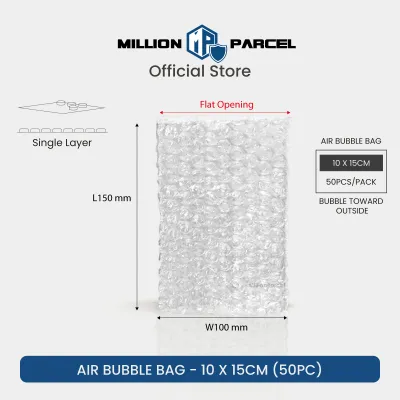
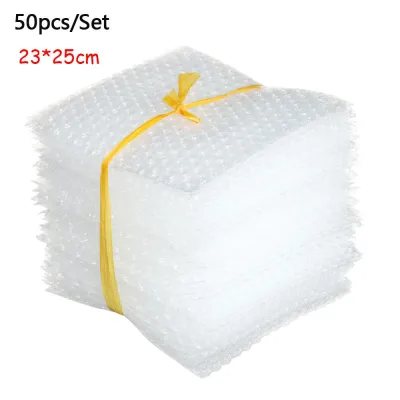
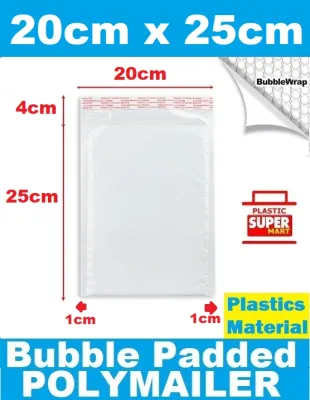
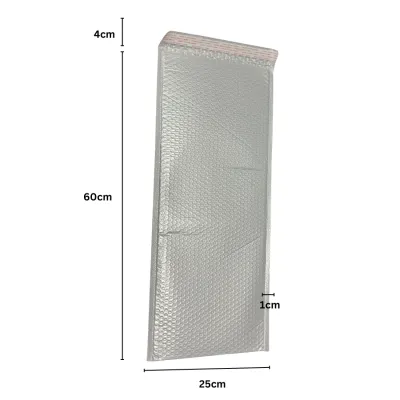
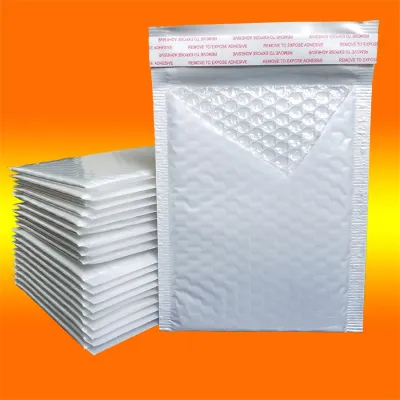
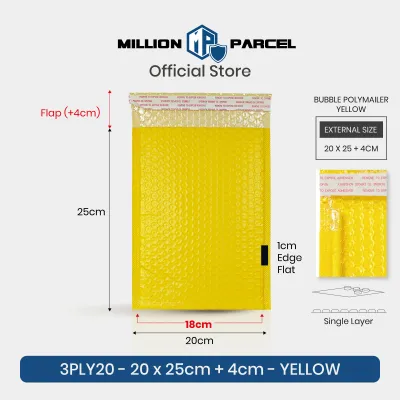
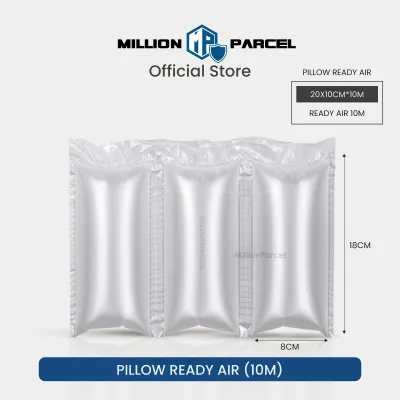
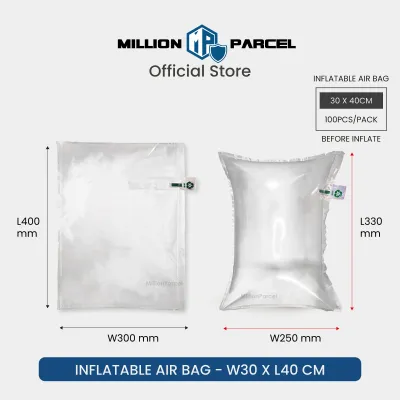
Prices are valid at publication and may change. Please refer to the product page for the latest price.
Film thickness is another vital metric, typically measured in microns (µm) or mils (one-thousandth of an inch). Standard, light-duty bubble bags often feature a thickness of 40 to 50 microns, which is suitable for lightweight, non-fragile items. For fragile goods, you should look for brands that specify a thickness of 75 microns to 100 microns or more. This added thickness increases the puncture resistance of the plastic film and prevents the bubbles from bursting under sudden impact or sustained pressure.
The construction of the film layers also plays a decisive role in long-term air retention. Low-cost bubble bags are often made from a single layer of polyethylene laminated to a flat sheet. These single-layer bubbles tend to lose air quickly under load because polyethylene is naturally permeable to air. High-quality brands utilize co-extruded multi-layer films, which incorporate a thin barrier layer of nylon or ethylene vinyl alcohol (EVOH) sandwiched between layers of polyethylene. This co-extruded barrier prevents air from escaping, ensuring the bubbles remain fully inflated throughout the entire shipping journey.
You can visually and physically inspect bubble wrap bags to assess their material purity and structural integrity. High-quality brands use clear, uniform virgin low-density polyethylene (LDPE) resin, which offers excellent stretchability and strength. When you hold these bags up to the light, they should appear transparent and free of embedded particles or bubbles of irregular sizes. Conversely, lower-tier options often look cloudy, yellowed, or greyish, and they may emit a strong, unpleasant chemical odor. These are clear indicators of a high percentage of low-grade recycled plastics or degraded materials, which are significantly more brittle and prone to premature popping.
Always remember that subjective marketing phrases like “unbreakable” or “industrial strength” carry no regulatory weight. Instead of relying on these claims, ask your supplier for technical data sheets that specify the actual micron thickness, material composition, and burst strength. Verifying these parameters ensures you are paying for actual protective performance rather than empty marketing promises.
Recommended Bubble Wrap Bag Types for Specific Fragile Goods
Different types of fragile items demand tailored protective environments. A single, one-size-fits-all bubble bag cannot adequately protect a delicate ceramic vase, a heavy glass bottle, and a sensitive computer graphics card simultaneously. To optimize your packaging strategy, you must match the specific structural design of the bubble wrap bag to the physical characteristics and vulnerabilities of the item you are shipping.

Heavy-Duty Co-Extruded Bags for Glass and Ceramics
Glassware, ceramics, and porcelain are highly dense, rigid materials that are exceptionally vulnerable to shock and vibration. When these items collide with hard surfaces or other packages during transit, the localized impact can easily cause cracks or complete shattering. To protect these high-density objects, you need bubble wrap packing bags constructed from heavy-duty co-extruded multi-layer films.
Co-extruded bags, typically featuring 3 to 5 distinct layers of plastic, provide the necessary tensile strength to withstand the sharp edges and heavy concentrated weight of glass and ceramic items. The multi-layer structure prevents the air bubbles from popping when subjected to localized pressure. For these items, a dense cushioning matrix is ideal. Look for bags with small to medium bubble sizes, ranging from 10mm to 15mm in diameter. This tighter bubble pattern ensures that every square centimeter of the hard glass or ceramic surface is continuously supported by an air cushion, distributing the force of any external impact evenly across the entire surface area.
Furthermore, the structural integrity of the bag’s seams is just as important as the bubbles themselves. When shipping heavy glass bottles or ceramic mugs, the momentum of the item during handling can place immense stress on the edges of the bag. High-quality brands utilize advanced heat-sealing technology to create wide, reinforced side seams that resist splitting. Additionally, look for bags equipped with wide, high-tack self-adhesive sealing strips on the flaps. A secure, tamper-evident seal prevents the heavy item from sliding out of the protective sleeve during rapid sorting and transit.
Large-Bubble and Air Column Bags for Bulky Fragiles
Bulky, heavy, or oddly shaped fragile items—such as large vases, small household appliances, and framed artwork—present a different packaging challenge. These items possess significant mass, meaning any drop or sudden deceleration generates substantial kinetic energy. Standard small-bubble bags are entirely inadequate for these goods; the small volume of air inside each bubble will easily compress to its limit, causing the item to “bottom out” against the hard outer box and suffer severe damage.
To protect bulky items, you must use bags with large bubbles (25mm to 30mm in diameter) or specialized air column bags. Air column bags are constructed from multiple independent, vertical air chambers that are inflated using a hand pump or an air compressor. Because these chambers are filled with high-pressure air and sealed with individual one-way valves, they create an incredibly rigid, shock-absorbing shield around the item. If one column is punctured, the surrounding columns remain fully inflated, maintaining the protective barrier.
Reputable packaging brands design these large-bubble and air column solutions with reinforced edges and proprietary high-air-retention barrier films. This is crucial for long-distance shipping or items stored in warehouses for extended periods, as it prevents gradual deflation. When selecting these bags, ensure that they fit the dimensions of your outer shipping carton precisely. Using a large-bubble bag in a box with excessive empty space defeats its purpose, as the item will still bounce around. The goal is to create a snug, cushioned fit where the large bubbles or air columns bridge the gap between the item and the rigid outer walls of the box.
Anti-Static Bags for Delicate Electronics
Delicate electronic components, such as computer processors, graphics cards, hard drives, and printed circuit boards (PCBs), require protection from two distinct hazards: physical impact and electrostatic discharge (ESD). Standard plastic bubble wrap is a highly effective insulator, which means triboelectric charging—the friction of the item rubbing against the plastic during transit—can easily generate thousands of volts of static electricity. This static charge can silently destroy sensitive microchips without leaving any visible external damage.
To safeguard electronics, you must select bubble wrap packing bags that are explicitly manufactured with anti-static additives. These bags are easily recognizable by their distinctive pink or red tint, which is an industry-standard color coding for static-dissipative materials. The anti-static additives are blended into the polyethylene resin during extrusion, lowering the surface resistivity of the plastic. This allows any static charge to dissipate safely across the surface of the bag rather than building up and discharging into the electronic component.
When sourcing anti-static bubble bags, always verify the surface resistivity specifications on the product’s technical data sheet. Reliable brands will specify a surface resistivity within the dissipative range, typically between 10^10 and 10^12 ohms per square. Additionally, keep in mind that anti-static bubble wrap only prevents the generation of static electricity; it does not shield the item from external electrostatic fields. For highly sensitive, high-value components, you should use a dual-packaging approach: first, seal the electronic component inside a metalized static shielding bag, and then insert that bag into a pink anti-static bubble wrap bag for physical cushioning.
Where to Source Reliable Packaging Brands in Singapore
Finding authentic, high-quality bubble wrap packing bags in Singapore involves navigating a market filled with both premium industrial suppliers and low-grade, unbranded imports. To ensure your fragile items are protected, you should source your packaging materials from reputable channels that provide clear product specifications and consistent quality.
The primary sourcing channels in Singapore include local industrial packaging distributors, specialized stationery and shipping supply stores, and established sellers on major e-commerce platforms. Industrial packaging distributors located in areas like Ubi, Kallang, and Jurong often cater to businesses and offer bulk purchasing options. These distributors carry high-specification products and can provide detailed technical data sheets for their inventory. For smaller quantities, specialized local stationery and shipping supply stores offer the convenience of immediate purchase, allowing you to physically inspect the thickness and bubble quality before buying.
When assessing brand quality, global industry benchmarks serve as an excellent reference point. Sealed Air, the original inventor of Bubble Wrap®, is widely recognized for its superior air retention and puncture resistance due to its proprietary co-extruded barrier technology. While genuine Sealed Air products are highly reliable, they often come at a premium price. You can look for authorized local distributors of these global brands or seek out reputable regional packaging manufacturers that offer equivalent high-specification, multi-layer co-extruded bags.
If you prefer the convenience of online marketplaces, you must vet sellers carefully to avoid substandard products. Many online listings use generic stock photos and vague descriptions like “super thick” or “high quality.” To find reliable sellers, look for listings that provide explicit technical details, such as the exact micron thickness, bubble diameter, and material composition. Read verified buyer reviews, focusing specifically on feedback regarding “bubble pop resistance,” “seam strength,” and “thickness.” If you are purchasing in bulk for business operations, it is highly recommended to contact the seller directly and request physical samples. Testing a few sample bags under real-world conditions—such as dropping a wrapped dummy item—is the best way to verify their protective performance before committing to a large order.
Avoid purchasing unbranded, ultra-cheap bulk bags from unverified overseas sellers. While the low price tags may be tempting, these products are almost always manufactured from thin, single-layer recycled plastics. They are highly susceptible to popping during transit, have poor air retention, and often feature weak, easily split seams that can fail under the weight of your items. Investing in verified, high-quality bubble wrap bags is a minor cost compared to the expense and reputational damage of shipping broken goods.
Packing Best Practices to Maximize Cushioning Performance
Even the highest-quality bubble wrap packing bag cannot protect your fragile items if it is used incorrectly. Proper packing techniques are essential to maximize the shock-absorbing properties of the bubbles and ensure your items arrive at their destination intact.
The first step is mastering the “wrap and seal” technique. When using a bubble wrap bag, ensure the fragile item fits snugly inside without stretching the plastic or forcing the seams. The bag should fully enclose the item, and the self-adhesive flap must be sealed tightly. If the bag is slightly larger than the item, fold the excess material over and secure it with high-quality packing tape to prevent the item from shifting or sliding around inside the bag. Any movement within the packaging reduces the effectiveness of the cushioning.
Next, always pair your bubble wrap bags with a rigid, appropriately sized outer corrugated box. Bubble bags are designed to provide localized cushioning, but they do not possess the structural rigidity required to withstand the crushing forces of heavy packages stacked on top of them in a delivery truck. Choose a box that allows for at least two inches (about five centimeters) of space on all sides of the wrapped item. Fill this empty space with additional void fill, such as packing peanuts, crumpled kraft paper, or air pillows. This eliminates any empty spaces and prevents the wrapped item from shifting toward the outer walls of the box during transit.
A common mistake is over-compressing the bubble wrap by forcing a wrapped item into an outer box that is too small. When you squeeze a wrapped item into a tight space, you place constant, high pressure on the bubbles. This pre-pressurization makes the bubbles much more likely to pop under minor impacts, destroying their shock-absorbing capacity before the package even leaves your hands. The fit should be snug but comfortable, allowing the bubbles to remain fully inflated and flexible.
Finally, pay close attention to the orientation of the item and the security of the outer box. Place the most fragile or protruding parts of the item facing the thickest part of the bubble cushion. When sealing the outer corrugated box, use high-quality, pressure-sensitive packing tape. Apply the tape using the “H-tape” method: seal the center seam of the box, and then seal the edge seams on both the top and bottom. This reinforces the structural integrity of the box and prevents dust, moisture, or handling forces from compromising the package.
Frequently Asked Questions (FAQ)
Can I reuse bubble wrap packing bags for fragile items?
Reusing bubble wrap packing bags is only safe if all the individual bubbles remain fully inflated, the plastic film is free of tears or punctures, and the self-adhesive seal is still functional. You should avoid reusing these bags for high-value or extremely fragile items, as microscopic stress fractures in the plastic can lead to sudden deflation during subsequent transits.
Is thicker bubble wrap always better for protection?
While a thicker plastic film (higher microns) enhances puncture resistance and prevents bubbles from popping under heavy loads, the bubble size (diameter and height) determines the actual shock absorption capacity. For optimal protection, you must match the bubble size to the item’s weight and fragility rather than simply choosing the thickest plastic available.
Community discussion
Share your experience or ask a question. Comments are reviewed before publication.