
When preparing items for shipment, storage, or relocation, selecting the right protective packaging is crucial to ensure your goods arrive intact. In Singapore’s bustling e-commerce and logistics landscape, bubble wrap remains one of the most reliable and versatile cushioning materials available. However, not all bubble wrap is created equal. While many generic rolls look identical at a glance, variations in material quality, film thickness, and bubble size can mean the difference between a pristine delivery and a damaged product.
Finding the best bubble wrap for packaging in Singapore involves understanding the technical specifications that define product reliability. Rather than focusing solely on brand names—which are often unbranded or white-labeled by local industrial suppliers—smart buyers evaluate bubble wrap based on physical performance metrics. This guide will walk you through how to assess bubble wrap quality, match specific roll types to your packaging needs, navigate local sourcing channels, and apply professional wrapping techniques to maximize protection.
How to Evaluate Bubble Wrap Quality and Brand Reliability
To make an informed purchasing decision, you must look beyond marketing claims and focus on the technical specifications of the packaging material. Reliable local suppliers and manufacturers in Singapore provide detailed product descriptions that outline these key metrics. Understanding what these specifications mean will help you identify durable bubble wrap that won’t fail during transit.
Products mentioned in this guide
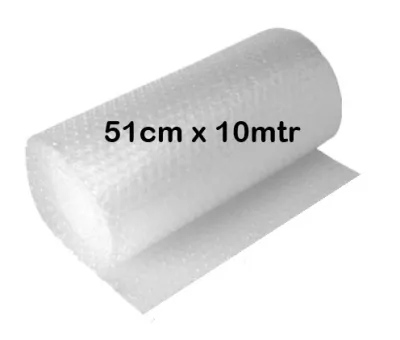
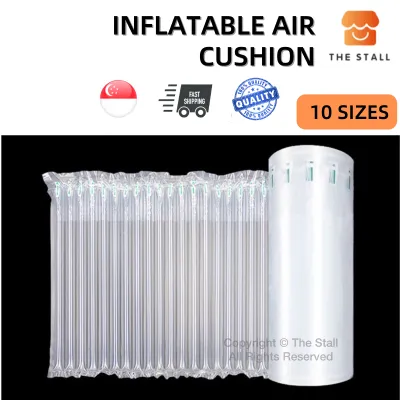
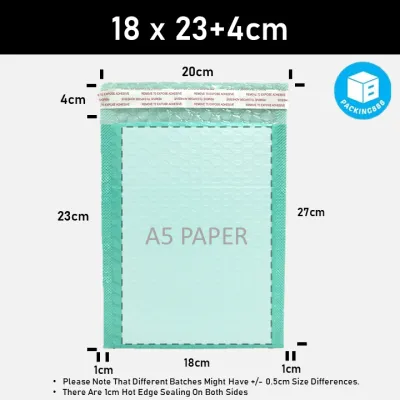
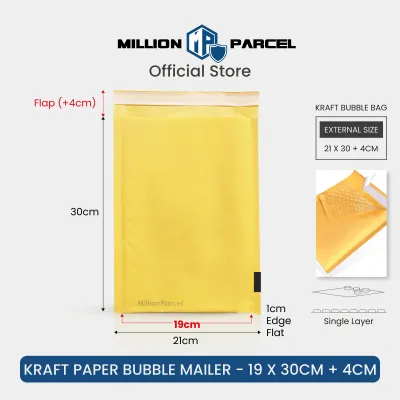
Prices are valid at publication and may change. Please refer to the product page for the latest price.
Bubble Consistency and Film Thickness The durability and puncture resistance of bubble wrap are primarily determined by its film thickness, which is measured in microns (µm). Standard, light-duty bubble wrap typically ranges from 30 to 45 microns. While this is sufficient for lightweight items and short-distance shipping, it is highly susceptible to puncturing when exposed to sharp edges or rough handling. For medium-duty and international shipments, look for rolls with a thickness of 50 to 60 microns. Heavy-duty applications, such as wrapping machinery or heavy industrial parts, require robust films of 75 microns or more. Thick films ensure that the bubbles do not burst under pressure, maintaining a continuous protective barrier around your items.
Virgin vs. Recycled Plastics The raw material used in manufacturing significantly affects the strength and clarity of the bubble wrap. Virgin Low-Density Polyethylene (LDPE) is made from brand-new plastic resin. It offers exceptional tensile strength, high elasticity, and excellent clarity. Virgin LDPE bubble wrap is highly resistant to tearing and stretching, making it the preferred choice for fragile, high-value, or heavy items. Recycled LDPE, made from post-consumer or post-industrial plastic waste, is an environmentally conscious choice. While modern manufacturing has improved the quality of recycled plastics, they may exhibit slightly lower tear resistance, a minor reduction in bubble clarity, and a slightly rougher texture. Recycled options are highly suitable for general-purpose void fill and wrapping non-fragile items where maximum puncture resistance is not critical.
Edge Sealing Integrity and Air Retention A common issue with low-grade bubble wrap is rapid deflation. High-quality bubble wrap is manufactured using a co-extrusion process that incorporates a nylon barrier layer between the polyethylene films. This barrier prevents air from slowly diffusing through the plastic membrane when subjected to constant pressure. Cheap, single-layer bubble wrap lacks this barrier, causing the bubbles to flatten out within days of being wrapped. Additionally, check the edge sealing of the bubbles; well-manufactured rolls feature consistent, hermetically sealed pockets that distribute pressure evenly without leaking air.
How to Verify Specifications When browsing supplier catalogs or online marketplaces in Singapore, verify these specifications by checking the product’s technical data sheets or detailed descriptions. Look for explicit mentions of micron thickness, roll weight, and material composition. If a seller only lists the roll’s length and width without specifying the thickness or weight, it is often a sign of a lower-grade, thin-film product. Reading user reviews can also provide valuable insights; pay close attention to feedback regarding bubble firmness, ease of popping, and whether the roll arrived with pre-deflated sections.
Matching Bubble Wrap Specifications to Your Packaging Needs
Selecting the right bubble wrap requires matching the physical characteristics of your items to the appropriate bubble size and specialized material properties. Using the wrong specification can lead to inadequate protection or unnecessary packaging bulk.

Small Bubbles for Delicate and Smooth Surfaces
Small bubble wrap, featuring bubbles that are typically 10mm in diameter and 3mm to 4mm in height, is the most common and versatile choice for everyday packaging. Its primary advantage lies in its high flexibility, allowing it to conform tightly to complex shapes and intricate contours.
This size is ideal for protecting delicate, lightweight items such as glassware, ceramics, cosmetics, books, and small home decor pieces. Because the smaller bubbles are densely packed, they distribute the item’s weight across a large number of contact points, minimizing localized pressure. When wrapping items with highly polished or sensitive surfaces, such as polished metals or varnished wood, ensure the bubble wrap is clean and free of dust. Wrapping the item snugly with small bubbles prevents surface-to-surface friction and protects against minor abrasions and scratches during handling.
Large Bubbles for Heavy or Irregularly Shaped Goods
Large bubble wrap, with bubbles measuring 20mm to 30mm in diameter and up to 12.7mm in height, is designed for heavy-duty cushioning and shock absorption. These larger air pockets provide a thicker cushion that can absorb significant impact forces from drops or sudden movements.
This specification is highly recommended for wrapping heavy or bulky items, including consumer electronics, household appliances, furniture legs, and large industrial components. The generous height of the bubbles also makes them exceptionally efficient for void-filling applications inside shipping cartons. By filling empty spaces with large bubble wrap, you prevent items from shifting or sliding during transit, which is a primary cause of shipping damage. However, due to its stiffness and bulk, large bubble wrap is not suitable for wrapping very small or intricately shaped objects, as it cannot bend tightly around sharp corners.
Anti-Static Options for Sensitive Electronics
Standard plastic films are excellent electrical insulators, which means they easily generate and retain static electricity through friction during handling. For sensitive electronic components, this static buildup poses a severe risk. Electrostatic discharge (ESD) can instantly destroy internal circuitry without leaving any visible external damage.
To protect these items, you must use anti-static bubble wrap. This specialized material is treated with an antistatic additive that prevents the accumulation of electrostatic charges. It is easily identifiable by its distinct pink color, which serves as a visual indicator for logistics handlers that the contents are ESD-sensitive. Anti-static bubble wrap is essential for packaging computer components, graphics cards, motherboards, RAM sticks, hard drives, and medical instruments. Using standard clear bubble wrap for these items can compromise their functionality, making anti-static wrap a critical requirement for electronics shipping.
Where to Source Quality Bubble Wrap in Singapore
Singapore offers several procurement routes for bubble wrap, depending on your volume requirements, budget, and business needs. Understanding where to buy can help you optimize your packaging costs while ensuring consistent material quality.
Industrial Packaging Distributors For e-commerce businesses, logistics firms, or individuals planning a large-scale residential move, sourcing directly from local industrial packaging distributors is the most cost-effective solution. These suppliers operate out of industrial estates in areas such as Jurong, Woodlands, Ubi, and Kaki Bukit. They offer full-sized rolls (typically 100 meters in length, with widths of 0.5m, 1m, or 1.5m) and provide wholesale pricing. Many distributors also offer customization services, such as slitting a wide roll into narrower widths or adding perforations for easy tearing. Buying from these specialists ensures consistent material specifications and reliable bulk supply chains.
Office Supply Retailers If you run a small home office, sell items occasionally online, or have an immediate, low-volume packaging need, local office supply retailers and neighborhood stationery shops are highly convenient. These outlets stock smaller, pre-cut rolls, typically ranging from 5 to 10 meters in length. While the cost per meter is significantly higher than wholesale bulk rolls, purchasing from retail stores eliminates the need to store massive rolls in limited residential spaces. It is a practical, hassle-free option for quick, occasional shipping tasks.
General Online Marketplaces Local digital marketplaces and e-commerce platforms offer a vast selection of bubble wrap from various independent merchants. This channel is highly useful for comparing prices, finding niche products (such as heart-shaped bubbles or pre-cut bubble bags), and reading customer feedback. However, because quality can vary widely among online sellers, it is crucial to verify the seller’s reputation and product specifications before purchasing. Look for merchants who clearly state the roll’s weight or film thickness rather than relying on generic product images.
Shipping Costs and Volumetric Weight Because bubble wrap consists mostly of air, it is incredibly lightweight but highly bulky. When ordering bubble wrap online or from local distributors, you must pay close attention to delivery fees. Most local courier services in Singapore calculate shipping rates based on volumetric weight (calculated as Length x Width x Height in centimeters divided by 5000) rather than actual physical weight. A single bulk roll of bubble wrap can incur substantial shipping surcharges due to its large physical volume. To minimize these costs, look for local suppliers that offer free delivery for orders exceeding a specific monetary threshold (often S$100 to S$150) or consider self-collection if you have access to a suitable vehicle.
Practical Wrapping Techniques and Storage Guidelines
To ensure your bubble wrap provides maximum protection, you must apply correct packaging techniques and store the material properly to prevent premature degradation.
Bubbles Facing Inward vs. Outward The golden rule of using bubble wrap is that the bubbles should always face inward, directly against the surface of the item you are protecting. This orientation is designed for optimal engineering performance: the individual air pockets can flex and conform to the item’s unique shape, cradling it securely and distributing external shock forces evenly. Additionally, having the flat, smooth side of the film on the outside makes it much easier to wrap the item tightly, secure the seams with tape, and apply shipping labels. If the bubbles face outward, they are more susceptible to popping from external friction, and adhesive tape will not adhere as securely to the uneven, textured surface.
Securing the Wrap Safely When wrapping an item, ensure it is covered completely with at least two layers of small bubble wrap or one layer of large bubble wrap, overlapping the edges by a few centimeters. Fold the excess wrap over the corners and ends of the item—similar to wrapping a gift—to provide extra corner protection, which is where drops usually occur. Secure all seams and folds with high-quality packaging tape, such as oriented polypropylene (OPP) tape. Avoid using weak household tapes like masking tape or standard cellophane tape, as they can lose adhesion under humid conditions, causing the wrap to unravel during transit.
Storage and Preservation Guidelines Low-density polyethylene (LDPE) is sensitive to environmental degradation. To maintain the integrity of your unused bubble wrap rolls, store them in a cool, dry indoor environment away from direct sunlight and heat sources. Singapore’s high ambient temperatures and intense UV exposure can accelerate polymer degradation, causing the plastic film to turn yellow, lose its elasticity, and become brittle. Over time, heat also increases the rate of air diffusion, leading to deflated bubbles. Keep the rolls wrapped in their original protective plastic packaging to prevent dust and dirt from settling on the film, which can severely reduce tape adhesion when you eventually use the wrap.
Frequently Asked Questions (FAQ)
Is bubble wrap recyclable in Singapore?
Yes, bubble wrap is technically recyclable as it is made from Low-Density Polyethylene (LDPE), which is classified under plastic recycling code 4. However, in Singapore, you should not toss soft plastics like bubble wrap directly into the standard blue household recycling bins. Soft plastics can easily get tangled in the automated sorting machinery at materials recovery facilities, causing operational delays and damage. Instead, you should collect your clean, dry bubble wrap and deposit it at dedicated plastic film recycling drop-off points, which are commonly located at major supermarkets and specialized recycling hubs across the island. Ensure all paper shipping labels and heavy adhesive tapes are completely removed before recycling.
How do I calculate how much bubble wrap I need?
To estimate the amount of bubble wrap required for your packaging needs, start by measuring the dimensions of the items you plan to ship. Calculate the surface area of a single item by using the formula for a rectangular prism: 2 x (Length x Width + Width x Height + Height x Length). For adequate protection, you will typically need to wrap the item at least twice (two layers). Multiply the calculated surface area by two, and then add a 20% margin to account for overlapping, folding over corners, and securing the ends. Finally, multiply this total by the number of packages you expect to ship to determine the total square meters of bubble wrap required, allowing you to purchase the most cost-effective roll size.
Can I reuse bubble wrap for multiple shipments?
Reusing bubble wrap is an excellent, eco-friendly practice that helps reduce packaging waste and lower shipping costs. You can safely reuse bubble wrap provided that the material is clean, dry, and structurally sound. Before wrapping a new item, inspect the roll or sheet carefully: press down on various sections to ensure the bubbles are still fully inflated and have not lost their air pressure. If a significant portion of the bubbles have popped or deflated, the wrap will no longer provide adequate shock absorption. For highly fragile, heavy, or high-value items, always use fresh, uncompromised bubble wrap to ensure maximum protection during transit.
Community discussion
Share your experience or ask a question. Comments are reviewed before publication.