
Planning a wedding in Singapore involves balancing contemporary elegance with deep-rooted cultural traditions. Among the most cherished elements of a Malay or Muslim wedding is the berkat kahwin, the traditional wedding favor gifted to guests as a token of appreciation for their presence and blessings. While the favor itself is a physical gift, the accompanying stationery—specifically the favor tags and thank you cards—serves as the primary medium for conveying heartfelt gratitude. These small but highly visible details act as a crucial touchpoint, uniting the wedding’s overall aesthetic theme while reflecting the couple’s attention to detail. Selecting the right brand or design studio to print these items is essential to ensure they match your vision, respect cultural nuances, and fit seamlessly onto your chosen packaging. This guide provides a comprehensive framework to help you evaluate greeting card brands, independent designers, and online printing platforms in Singapore, ensuring your wedding stationery makes a lasting impression.
Key Criteria for Choosing Berkat Kahwin Card Brands
To find the perfect stationery partner, couples must look beyond basic aesthetics and evaluate vendors against specific criteria that ensure both functional utility and cultural alignment.
Cultural Appropriateness and Motif Sensitivity
Products mentioned in this guide
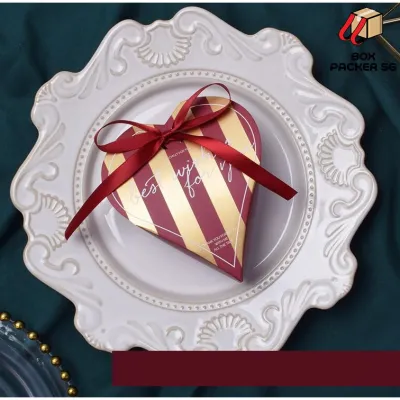
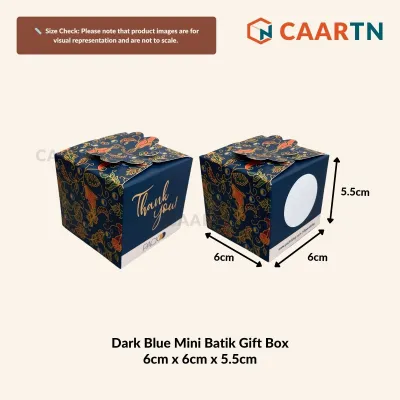
![ITEMS IN SINGAPORE!Hari Raya Fancy Gift Candy Holder Berkat - Trophy Silver Ramadan Deco [LOCAL SELLER!]](https://img.lazcdn.com/g/p/39c21a0f3c976e35ba49d5abbe88b078.jpg_400x400q80.jpg_.webp)
Prices are valid at publication and may change. Please refer to the product page for the latest price.
The first and most critical filter is a brand’s understanding of Malay and Muslim wedding traditions. The design of a berkat kahwin tag should respect Islamic and cultural sensibilities. This means selecting motifs that align with themes of modesty, grace, and community. Traditional floral patterns, elegant botanical illustrations, and geometric designs are highly favored, while imagery that conflicts with Islamic principles must be avoided. A knowledgeable designer or brand will understand how to integrate traditional Malay greetings, such as “Terima Kasih” (Thank You) or blessings like the “Doa” for the newlyweds, in a layout that is both visually balanced and culturally respectful.
Material, Paper Weight, and Print Quality
The tactile feel of a card or tag speaks volumes about the quality of the event. When evaluating stationery brands, pay close attention to the cardstock weight, measured in grams per square meter (GSM). For favor tags and thank you cards, a minimum weight of 250 GSM is recommended to prevent the paper from bending or tearing easily. Premium options often utilize 300 GSM to 350 GSM cardstock, which provides a sturdy, luxurious feel.
Beyond weight, consider the texture and finish of the paper:
- Uncoated and Matte Finishes: Excellent for a classic, understated look. They absorb ink deeply, preventing glare under wedding hall lighting.
- Linen or Textured Paper: Features a subtle crosshatch pattern that adds physical depth and a sophisticated, tactile quality.
- Cotton Paper: Highly soft and fibrous, making it the ideal medium for letterpress printing, where the design is physically pressed into the paper.
- Premium Embellishments: Look for brands offering hot foil stamping (in gold, rose gold, or silver), embossing (raised patterns), or debossing to add a metallic, reflective dimension to names or borders.
Customization Flexibility and Typography
Standard templates rarely capture the unique identity of a couple. A reliable brand should offer robust customization options, particularly regarding typography and language. In Singapore’s multicultural context, many couples opt for bilingual text, featuring English on one side and Malay on the other, or integrating both seamlessly on a single face. The brand’s design interface or design team must support formatting that accommodates longer Malay phrases without compromising readability. Verify that the fonts offered include elegant serif, sans-serif, and script options that remain legible even when printed in small sizes on a favor tag.
Packaging Compatibility and Finishing Details
A beautiful tag is useless if it cannot be easily attached to your berkat packaging. Whether you are using traditional glass jars, modern acrylic boxes, organza pouches, or woven baskets, the tag must scale proportionally. Ensure the brand offers various sizing options and, crucially, the option to include pre-punched holes. The standard hole size is typically 3mm to 5mm, which accommodates various attachment materials. Ask the vendor if they provide coordinating hardware, such as satin ribbons, rustic jute twine, or metallic eyelets, to streamline your assembly process.
Where to Find the Best Designs: Brand Categories in Singapore
Couples in Singapore have access to a diverse ecosystem of stationery providers, ranging from physical retail boutiques to digital web-to-print platforms and bespoke local artisans. Each channel offers distinct advantages and trade-offs depending on your budget, timeline, and desired level of customization.

Local Boutique Stationers and Paper Goods Shops
For couples who value a hands-on, sensory shopping experience, local boutique stationers in Singapore offer an invaluable service. Visiting a physical showroom allows you to touch different paper weights, compare matte and gloss finishes under natural light, and observe how different ink colors render on textured paper. These boutiques often curate premium, imported paper stocks and carry exclusive designer lines that are not available on mass-market platforms.
Working with a local boutique provides the opportunity for face-to-face consultations, where experienced staff can guide you through paper compatibility and suggest color palettes that complement your wedding venue. However, this high-touch service comes with certain trade-offs. Boutique stationers generally operate at higher price points due to retail overheads and the premium nature of their curated inventory. Additionally, while they offer excellent semi-custom templates where you can change text and colors, they may have less flexibility for fully bespoke, ground-up custom designs unless they have an in-house design studio.
Online Custom Print Platforms
Online custom print platforms have revolutionized wedding stationery by offering unparalleled convenience, vast template libraries, and highly competitive bulk pricing. These web-to-print services are ideal for couples managing large guest lists who want a streamlined, self-service experience. The typical workflow involves selecting a pre-designed wedding template, using an online editor to input your names, wedding date, and personal message, and viewing an instant digital proof on your screen.
The primary advantage of online platforms is efficiency. They offer transparent pricing tiers where the cost per unit decreases significantly as your order volume increases, which is highly beneficial for large Singaporean weddings where guest counts can easily exceed several hundred. Most platforms also provide rapid turnaround times and direct delivery to your doorstep. The main limitation is the reliance on digital screens, which can misrepresent colors due to varying monitor calibrations. To mitigate this risk, always order a physical sample pack from the platform before placing your final bulk order. This allows you to verify the actual paper thickness, texture, and color accuracy in person.
Independent Designers and Handmade Studios
For couples seeking a truly unique, artisanal touch for their berkat kahwin, independent designers and handmade studios in Singapore offer bespoke design services. These local artists and calligraphers can create entirely custom illustrations, hand-lettered typography, or watercolor paintings of your wedding venue or favorite flowers. They are also highly flexible with materials, often working with non-traditional mediums such as laser-cut wood, frosted acrylic, or handmade deckled-edge paper.
Collaborating with an independent designer allows you to craft a completely cohesive stationery suite, from the main invitation card to the favor tags and thank you notes. However, this bespoke path requires a larger financial investment and significantly longer lead times. Custom design work involves multiple rounds of revisions, and manual assembly or specialty printing (like letterpress or laser cutting) takes time. When hiring an independent creator, it is vital to vet their portfolio thoroughly and read reviews from past clients on local wedding forums, social media, or online marketplaces to ensure they are reliable and can deliver high-quality work within your wedding timeline.
Design Themes and Cultural Considerations for Malay Weddings
The visual design of your wedding stationery should harmonize with the cultural significance of the event while reflecting modern design sensibilities. Several key design themes are particularly well-suited for Malay wedding stationery in Singapore.
Botanical and Floral Motifs
Florals and botanical illustrations remain a timeless and highly popular choice for favor tags. Delicate watercolor paintings of local blooms, such as orchids, jasmine, or hibiscus, or elegant foliage like eucalyptus and ferns, add a soft, romantic touch. These motifs are universally appreciated, elegant, and culturally safe, making them an excellent choice for any wedding theme, from rustic outdoor garden ceremonies to grand ballroom receptions.
Islamic Geometric Patterns (Arabesque)
For couples wishing to incorporate a more explicit cultural touch, modern interpretations of Islamic geometric patterns or arabesque motifs offer a sophisticated solution. Rather than heavy, overly complex designs, contemporary stationery brands use subtle, fine-line geometric borders or faded background patterns. These designs pay homage to traditional Islamic art while maintaining a clean, minimalist aesthetic that feels fresh and sophisticated.
Minimalist Typography
The minimalist design movement has strongly influenced wedding stationery. This style relies on clean layouts, generous negative space, and a careful selection of high-quality fonts. A minimalist favor tag might feature only the couple’s names in an elegant, flowing script font, paired with the wedding date in a clean, modern sans-serif typeface. This approach is highly effective for smaller tags where clutter can make the text unreadable.
Calligraphy and Script Integration
Incorporating elegant calligraphy—whether in English, Malay, or Jawi script—adds an immediate sense of formality and artistry. Jawi script, in particular, is a beautiful way to honor cultural heritage. However, because Jawi is written from right to left and utilizes unique character connections, standard word processors often fail to render it correctly. It is crucial to work with a designer or brand that has experience with professional Arabic/Jawi typesetting or to hire a professional calligrapher to write the text, which can then be digitized for printing.
Navigating Cultural Boundaries
While modern designs offer great creative freedom, it is important to remain mindful of cultural boundaries. Avoid designs that feature animal silhouettes or symbols that could conflict with Islamic principles. Keep the focus on natural elements, geometric art, and elegant typography. If you are unsure about a specific design element, consult with family elders or your stationery designer to ensure the final product is respectful and appropriate for all your guests.
Practical Tips for Ordering and Customizing Favor Tags
To ensure your production process runs smoothly and without costly errors, keep these practical steps in mind when ordering your wedding stationery.
Measure Your Packaging First
Before finalizing your tag order, obtain a physical sample of your wedding favor packaging. Measure its dimensions carefully and hold different paper cutouts against it to determine the ideal tag size. A tag that is too large will overwhelm the favor, while a tag that is too small will be difficult to read and may get lost visually.
Check Proofs and Bleed Lines
When reviewing the digital proof from your printer, do not just look at the overall design. Check every letter of the spelling, verify the wedding date, and ensure that bilingual text is translated correctly. Pay close attention to the printer’s bleed lines (the area of the design that extends past the cutting line) and safe zones. All critical text and design elements must remain well inside the safe zone to prevent them from being cut off during the mechanical trimming process.
Plan for Lead Times and Buffers
Wedding planning timelines can be unpredictable, and stationery printing is no exception. Standard printing and shipping can take anywhere from one to three weeks, while bespoke designs or specialty finishes like foil stamping can take six to eight weeks. Always add a two-week buffer to your timeline to account for shipping delays, potential printing errors, or last-minute adjustments to your guest list.
Coordinate Your Attachment Hardware
Decide how you will attach the tags to your favors early in the process. If you plan to use ribbon or twine, verify whether your selected stationery brand provides these materials or if you need to source them separately. Matching the color and texture of your ribbon (such as silk, satin, or organza) or twine (such as rustic jute) to the paper stock of your tag creates a cohesive, high-end look.
Frequently Asked Questions (FAQ)
What is the standard size for a berkat kahwin tag?
While there is no single mandatory size, standard favor tags typically range from 5cm x 5cm for square designs to 5cm x 7.5cm or 7cm x 10cm for rectangular tags. The ideal size depends entirely on your favor packaging. For small items like organza pouches or miniature jars, a smaller tag is preferred, whereas larger gift boxes or paper bags can accommodate a more substantial tag or a folded thank you card. Always measure your physical packaging before placing a bulk order.
Can I include Jawi script on my thank you cards?
Yes, including Jawi script is a beautiful and culturally meaningful way to personalize your thank you cards. However, because standard computer fonts and word processors often fail to render the connected Arabic characters of Jawi correctly, you should avoid relying on basic digital templates. It is highly recommended to work with a professional designer, a local calligrapher, or a specialized wedding stationer who can provide verified, professionally typeset Jawi script to ensure correct spelling, proper character connection, and high-quality print resolution.
Community discussion
Share your experience or ask a question. Comments are reviewed before publication.