
Selecting the right black fabric paint starter set in Singapore requires balancing chemical formulation, ease of application, and climate-appropriate storage. For beginners looking to customize t-shirts, tote bags, or canvas shoes, brands like Jacquard, Pebeo, and Tulip offer reliable entry-level kits that deliver dense, lightfast black pigments. These sets are widely available through established local art supply stores and official online marketplaces, providing an accessible entry point into textile customization. Because black pigment is highly unforgiving of cracking, fading, or bleeding, starting with a high-quality, well-formulated kit is essential for achieving a professional, long-lasting finish.
What Defines a High-Quality Black Fabric Paint Starter Set?
A reliable starter set must balance ease of application with clear, beginner-oriented instructions. Beginners often struggle with paint consistency and application techniques, making detailed step-by-step guides invaluable. The documentation should clearly outline the preparation, application, drying, and curing stages. Without explicit instructions, users risk applying the paint too thickly or failing to set the pigment correctly, which leads to premature washing wear.
Checking for non-toxic safety certifications on the packaging is a critical step before purchasing any art supply. Look for the AP (Approved Product) seal from the Art and Creative Materials Institute (ACMI) or equivalent European CE safety markings. These certifications verify that the formulation has been evaluated by a toxicologist and contains no materials in sufficient quantities to be toxic or injurious to humans. This is especially important for home crafters working in enclosed, poorly ventilated spaces or executing projects with children.
Products mentioned in this guide
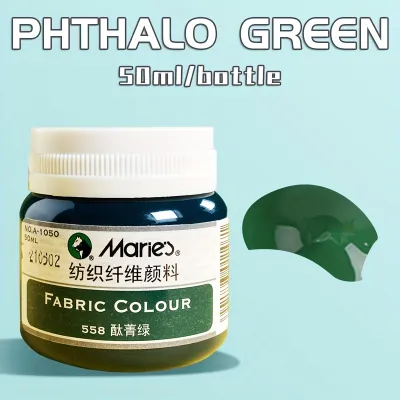
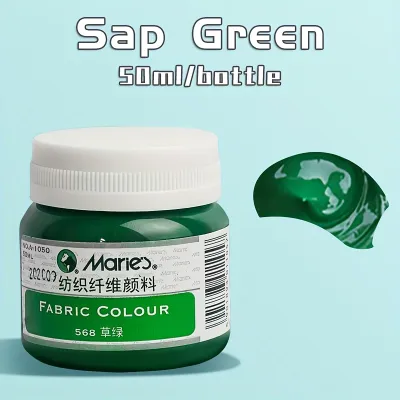
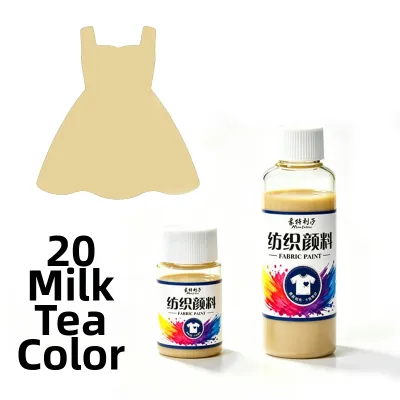
Prices are valid at publication and may change. Please refer to the product page for the latest price.
Black is not a single uniform color, and starter sets vary significantly in the exact hue and finish they deliver. When selecting a kit, verify whether the black paint is formulated with cool blue, warm brown, or neutral charcoal undertones, as these subtle variations affect the final appearance on different fabric colors. Furthermore, the label should specify the dried finish, such as matte, glossy, metallic, or 3D dimensional. A matte finish is typically preferred for classic textile designs, while glossy or metallic finishes suit specialty accents.
The best sets for beginners include an adequate volume of paint for practice without overwhelming them with excessive, hard-to-manage color variations. A starter kit containing bottles ranging from 20ml to 59ml (approximately 2 ounces) provides sufficient material to complete several small projects and practice brushwork on scrap fabric. Avoid purchasing massive bulk containers initially, as unused fabric paint can dry out or degrade over time once the airtight seal is broken.
Packaging design also plays a significant role in usability and pigment preservation. Squeeze bottles with fine-tip applicators are excellent for direct line work and detailed outlining, while wide-mouth jars are better suited for brush dipping, stenciling, and sponge applications. Ensure the kit’s containers seal tightly to prevent air exposure, which causes the acrylic binders to cure inside the bottle.
Decoding the Label: Opacity, Flexibility, and Washability
To ensure your project succeeds, you must verify performance claims using manufacturer labels and specifications rather than relying on generic marketing terms. Opacity is the paint’s ability to obscure the underlying fabric color. This specification is crucial when painting black designs on dark or heavily textured fabrics, such as navy denim or black canvas. Look for the word “Opaque” or a high opacity rating on the label; transparent or semi-opaque black paints will sink into dark fabrics, resulting in a dull, muddy appearance rather than a crisp, high-contrast design.

Flexibility indicators on the label are essential for minimizing the risk of the paint cracking or peeling when the fabric is stretched, worn, or laundered. High-quality fabric paints use elastomeric acrylic polymers that bond with the textile fibers and stretch alongside them. Labels that feature phrases like “soft hand,” “highly flexible,” or “fabric-grade binder” indicate that the dried paint layer will remain pliable, preserving the natural drape and feel of the garment.
Permanent washability is not automatic and depends strictly on following the specific curing and heat-setting guidelines provided by the manufacturer. The label must explicitly state that the paint is washable and outline the exact heat-setting parameters required. Most professional-grade fabric paints require heat-setting with a dry household iron or a commercial heat press to cross-link the resins and lock the pigment into the fibers permanently. Skipping this step will result in the design fading or washing out during the first laundry cycle.
Before committing to your main project, always perform a small, hidden patch test on a scrap piece of the same fabric. Apply a small stroke of the black paint, let it dry completely, heat-set it according to the instructions, and then wash it. This trial allows you to observe the actual drying time, check for color bleeding, verify the opacity on that specific material, and evaluate the final hand-feel. It is the most reliable way to confirm compatibility before applying paint to an expensive garment.
Fabric compatibility should be clearly detailed on the product packaging. Standard fabric paints are formulated primarily for natural fibers like cotton, linen, and silk, which have porous structures that easily absorb water-based binders. If you are working with synthetic blends, polyester, or nylon, you must verify that the paint label explicitly lists these materials as compatible, or purchase a specialized synthetic fabric medium to blend with the paint.
Comparing Formulations: Acrylic-Based vs. Dye-Based Black Paints
Understanding the chemical differences between acrylic-based fabric paints and dye-based or ink-based formulations allows you to match the product to your specific project needs. Acrylic-based fabric paints consist of pigments suspended in an acrylic polymer emulsion. They are thick, opaque, and sit on top of the fabric fibers, making them the industry standard for stenciling, block printing, stamping, and detailed brushwork. Because they form a physical layer on the surface, they require heat-setting to cure the polymer binder.
Dye-based or ink-based fabric colors, conversely, feature ultra-fine pigments or dyes dissolved in a liquid carrier that penetrates deep into the textile fibers. These formulations do not alter the physical texture of the fabric, maintaining a completely soft hand-feel. They are ideal for tie-dye, batik, watercolor techniques, and silk painting. However, because they are thin and transparent, they are generally unsuitable for dark fabrics, as the black dye will blend into the background rather than standing out.
Fabric compatibility varies significantly between these two formulations. Natural fibers easily accept both types, but synthetic fibers present unique challenges. Polyester and nylon repel water-based dyes, meaning dye-based paints will bleed or wash out completely. For synthetic fabrics, an acrylic-based paint formulated with a specialized synthetic adhesive agent is required to ensure proper surface adhesion.
| Feature | Acrylic-Based Fabric Paint | Dye-Based / Ink-Based Fabric Color |
|---|---|---|
| Consistency | Thick, paste-like, opaque | Thin, liquid, transparent to semi-opaque |
| Ideal Application | Stencils, stamping, detailed brushwork | Tie-dye, wash effects, silk painting |
| Fabric Compatibility | Cotton, linen, synthetics (with medium) | Primarily natural fibers (cotton, silk) |
| Expected Texture | Slightly raised, detectable "hand-feel" | Soft, weightless, fully integrated |
| Curing Method | Heat-setting (iron/dryer) required | Air-curing, steam, or chemical fixative |
| Bleed Resistance | High (stays where applied) | Low (designed to spread and penetrate) |
Using the incorrect formulation can lead to poor adhesion, excessive bleeding, or a stiff, unwearable garment. Always cross-reference the paint’s chemical type with the fiber content tag on your textile. If the fabric is an unidentified blend, stick to a highly flexible acrylic-based paint and perform a thorough wash test on a sample piece before proceeding.
Evaluating the Accessories: Brushes, Mediums, and Prep Solutions
Evaluating the non-paint components included in a starter kit determines its true value and readiness for your first project. Comprehensive sets often include synthetic brushes, which are vastly superior to natural hair brushes for fabric painting. Synthetic bristles (such as nylon or taklon) are resilient and maintain their spring when loaded with thick, heavy acrylic binders. Natural bristles absorb water, lose their shape, and clog easily, resulting in uneven paint distribution and sloppy lines.
Fabric medium is another critical accessory that is sometimes included in premium starter sets or sold alongside them. A fabric medium is a pigment-free acrylic polymer that can be mixed with thick black paint to improve its flow, transparency, and workability. Unlike water, which dilutes and weakens the acrylic binder, a fabric medium thins the paint’s consistency without compromising its adhesive strength, flexibility, or washability.
Fabric preparation solutions or specialized textile cleaners are occasionally included to ensure optimal paint absorption. New garments are treated with sizing, starches, and chemical finishes during manufacturing to keep them looking crisp on store shelves. These coatings act as a barrier that repels water-based fabric paints. Pre-washing the fabric with a gentle prep solution or standard mild detergent is essential for stripping away these residues, allowing the paint to bond directly with the raw textile fibers.
Reusable mixing palettes, palette knives, and stencils add substantial practical value to a beginner’s kit. A plastic or ceramic palette allows you to portion out small amounts of black paint, preventing the main container from drying out during long painting sessions. Palette knives are excellent for blending paints or mixing in fabric mediums smoothly without wasting pigment inside the brush bristles.
Beginners should critically assess the quality of the tools included in a starter set. While bundled brushes are excellent for learning basic strokes, they may lack the precision required for ultra-fine detail work or wide, flat washes. If your project involves intricate linework or calligraphy, plan to purchase a few high-grade, dedicated synthetic detail brushes separately to complement your starter kit.
Sourcing and Verifying Art Supplies in Singapore's Climate
Sourcing authentic fabric paint starter sets in Singapore requires purchasing from reputable, established local art and stationery retailers. Physical stores such as Art Friend (located at Bras Basah Complex, Plaza Singapura, and Clementi), Overjoyed (at Cathay Cineleisure), and Straits Art Co. offer a reliable selection of professional brands. Buying from these brick-and-mortar stores allows you to physically inspect the packaging seals and check for any signs of leakage or damage before making a purchase.
If you prefer shopping online, prioritize official brand storefronts or highly rated local distributors on major e-commerce platforms. Reading recent buyer reviews is crucial for verifying seller authenticity and ensuring you do not receive counterfeit, diluted, or expired products. Be cautious of listings with unusually low prices, as these often indicate unauthorized gray-market imports that may have been stored incorrectly.
Singapore’s tropical climate, characterized by high humidity and warm temperatures, has a significant impact on the shelf life and integrity of art supplies. High humidity can cause moisture to accumulate inside poorly sealed paint jars, leading to mold growth or bacterial contamination. When purchasing a starter set, verify that the inner foil seals are completely intact and airtight to ensure the paint has not dried out or separated during transit and storage.
Always check the manufacturing or expiration dates printed on the bottom of the paint bottles or outer packaging upon delivery. Fabric paints generally have a shelf life of two to three years when stored unopened under optimal conditions. Expired fabric paint often experiences binder breakdown, resulting in a clumpy texture, a sour odor, or a complete loss of its adhesive and flexible properties once cured.
To preserve your fabric paint starter set in Singapore’s climate, store the bottles in a cool, dry cupboard away from direct sunlight and heat sources. Ensure that the bottle threads are wiped clean of excess paint before screwing the caps back on tightly. If you only paint occasionally, storing your sealed paint containers inside an airtight plastic bin with a few silica gel packets will help absorb excess moisture and prolong the paint’s usability.
Frequently Asked Questions (FAQ)
Do I need to pre-wash the fabric before applying black fabric paint?
Yes, pre-washing the fabric is a mandatory step for successful paint adhesion. New textiles are coated with factory sizing, starches, and chemical finishes that prevent water-based fabric paints from absorbing into the fibers. Wash the garment using a standard mild detergent and warm water. Avoid using fabric softeners or dryer sheets during this wash, as they leave a microscopic silicone coating on the fibers that repels paint and causes peeling.
Can I mix black fabric paint with standard acrylics?
Mixing standard craft acrylics directly with fabric paint is not recommended because it dilutes the specialized flexible binders. Standard acrylic paint dries into a rigid, plastic-like layer that is highly prone to cracking, peeling, and washing out when applied to flexible garments. If you must use standard acrylics, you should mix them with a dedicated fabric medium in a 1:1 ratio. This medium adds the necessary flexibility and washability to standard acrylic pigments.
How do I heat-set the paint if I don't have an iron?
If a household iron is unavailable, you can heat-set cured fabric paint by using a domestic tumble dryer. Place the fully dried garment into the dryer and run it on a high-heat setting for 30 to 40 minutes. Alternatively, for small, localized designs, you can use a hand-held hair dryer set to high heat. Hold the hair dryer approximately 15 centimeters away from the design and move it continuously over the painted area for several minutes, ensuring you verify if these alternative methods are approved by the specific manufacturer’s label.
Community discussion
Share your experience or ask a question. Comments are reviewed before publication.