
Finding the perfect birthday card in Singapore involves balancing personal sentiment, design aesthetics, and budget. Whether celebrating a close friend’s milestone, a colleague’s promotion, or a family member’s special day, the card you choose serves as a physical keepsake of your relationship. The local market offers an impressive array of options, from mass-market, budget-friendly choices found in major shopping malls to premium, imported designer stationery and quirky, homegrown creations that capture unique Singaporean humor. Navigating these choices requires understanding what makes a card stand out, where to find specific styles, and how to match the card’s physical qualities with the recipient’s personality.
How to Evaluate Birthday Card Quality and Style
Paper weight, or grams per square meter (GSM), is the most reliable indicator of a card’s physical quality. Standard greeting cards typically range from 250 GSM to 350 GSM. A card with a higher GSM feels substantial, stands upright without bending on a display shelf, and resists warping when written on with heavy ink. Selecting a card with a solid weight ensures it maintains its shape and premium feel long after it has been opened.
Texture plays an equally important role in the tactile experience of receiving a card. Smooth, uncoated cardstock offers a clean surface that is easy to write on with almost any pen, while textured options like linen, felt, or laid paper add a sense of luxury and craftsmanship. Recycled papers often feature a slightly rustic, speckled finish that communicates an organic, eco-friendly aesthetic. The tactile feedback of the paper immediately signals the level of care put into selecting the card.
Products mentioned in this guide
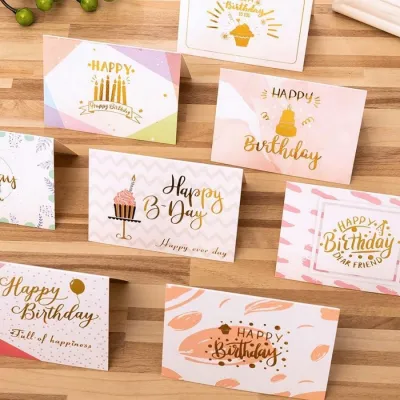
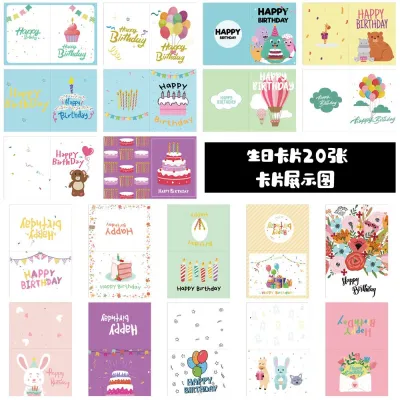
![[ local stocks ] Small Mix Cards / Birthday Tag cards/ Thank you Tag Cards ( 16 pcs per pack/ 20 pcs per pack)](https://img.lazcdn.com/g/ff/kf/S5ae4df8e72154fbaa4376a58392b231ed.jpg_400x400q80.jpg_.webp)
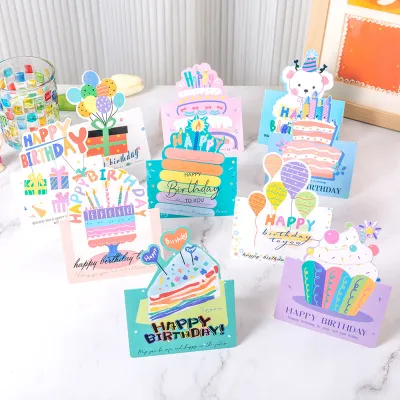
![[GC 06] Greeting Card | Gift Card | Happy Birthday Card | 生日快乐](https://img.lazcdn.com/g/p/2b327199f0fb368acb276d6693210ae1.jpg_400x400q80.jpg_.webp)
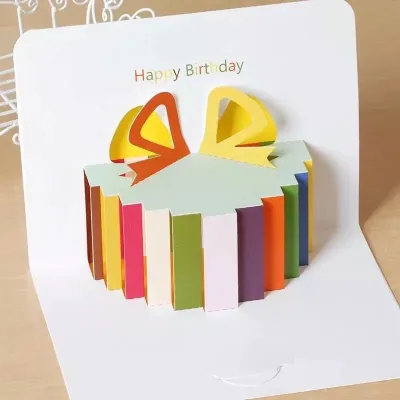
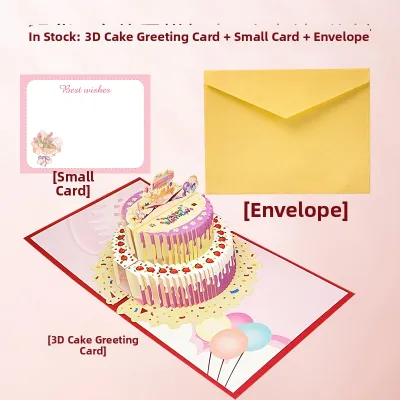
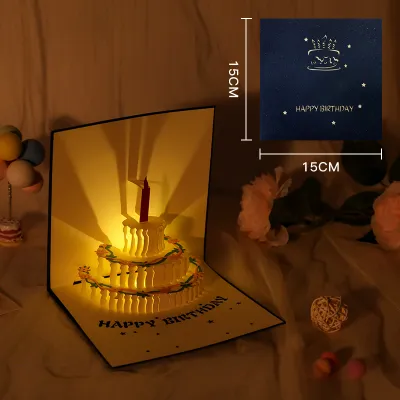
Prices are valid at publication and may change. Please refer to the product page for the latest price.
Envelope compatibility is a detail that is often overlooked but highly critical. High-quality cards are paired with envelopes of matching or complementary paper weight, often featuring a gummed flap or a peel-and-seal strip. The envelope should provide a snug fit without crushing the corners of the card, and premium options may even include patterned or foiled inner linings. A sturdy envelope also protects the card from damage during transit or when tucked into a gift bag.
Design aesthetics generally fall into distinct categories: minimalist, illustrative, typography-driven, and interactive or pop-up formats. Minimalist designs rely on clean space and subtle accents, making them ideal for professional settings. Illustrative and typography-driven cards use vibrant artwork or bold, hand-lettered quotes to convey emotion, which works well for close friends and family. Pop-up or interactive cards offer a playful, three-dimensional experience that is particularly popular for children’s birthdays or major milestone celebrations.
To match a card style to a relationship, consider the level of familiarity and the occasion. For professional contacts, opt for classic, elegant typography on heavy, neutral-colored cardstock. For close friends, humorous, quirky, or pop-culture-themed cards are highly effective. For family milestones, such as a 21st, 50th, or 80th birthday, a premium, artistic card that can be kept as a memento is the most appropriate choice.
Top Budget-Friendly Brands for Everyday Celebrations
Budget-friendly birthday cards in Singapore typically range from S$2.00 to S$6.00. These options are characterized by their wide retail availability, trendy designs, and accessible pricing, making them ideal for casual birthdays, office celebrations, or last-minute gatherings where a simple yet stylish greeting is needed.

Typo
- Signature Style: Bold typography, pop-culture references, and humorous or sarcastic quotes that appeal strongly to teenagers and young adults.
- Pros: Highly accessible with physical stores in major shopping malls across Singapore, frequent stock rotation to reflect current internet trends, and highly economical bundle deals.
- Limitations: Mass-produced feel, lighter paper weight (often around 200 to 250 GSM) that may not suit formal gifting, and a higher likelihood of the recipient having seen the design before.
Mainstream Bookstore and Lifestyle House Brands
- Signature Style: Traditional floral designs, classic birthday wishes, simple modern illustrations, and occasional musical or light-up cards.
- Pros: Extremely easy to find in almost every residential heartland and commercial hub, highly affordable with prices starting as low as S$1.50, and a safe, polite aesthetic suitable for any recipient.
- Limitations: Can feel generic or old-fashioned, lacks the distinct artistic voice of independent illustrators, and paper and print quality can vary significantly between different publishers.
Premium Brands for Milestones and Elegant Greetings
Premium birthday cards in Singapore generally range from S$8.00 to S$15.00 or more. This category is defined by the use of heavy, luxurious cardstock (often exceeding 300 GSM), specialized printing techniques such as hot foil stamping, embossing, or letterpress, and beautifully coordinated envelopes that elevate the entire gifting experience.
Rifle Paper Co. and Premium Import Stockists
- Signature Style: Whimsical hand-painted gouache illustrations, vibrant floral patterns, delicate gold foil accents, and vintage-inspired color palettes.
- Pros: Exceptional keepsake quality, instantly recognizable artistic design, thick high-quality stock, and luxurious matching envelopes that are often lined with coordinating patterns.
- Limitations: Premium pricing (typically S$8.50 to S$12.00 per card) and limited physical availability, requiring visits to specialty stationery stores or major bookshops.
Paperblends and Artistic Hardcover Cards
- Signature Style: Intricate cover designs inspired by historical bookbindings, fine art, and global textile patterns, often featuring textured finishes, magnetic closures, or multi-fold structures.
- Pros: Feels like a substantial gift on its own, highly durable, and perfect for significant milestone birthdays where the card is meant to be signed by many people and kept for decades.
- Limitations: Relatively bulky and heavy to mail, requiring higher postal rates, and highly decorative or dark interior papers that require specific pens to write legibly.
Local Singaporean Brands for Unique and Relatable Designs
Choosing homegrown Singaporean stationery brands supports the local creative community while offering designs that are uniquely relatable. These brands excel at incorporating local humor, Singlish expressions, iconic neighborhood imagery, and shared cultural experiences that resonate deeply with anyone who calls Singapore home.
The Paper Bunny
- Signature Style: Minimalist aesthetics, pastel color palettes, clean typography, and uplifting, positive messaging that aligns with modern lifestyle trends.
- Pros: Strong local identity, premium paper feel, and designs that pair beautifully with their popular bags, planners, and lifestyle accessories.
- Limitations: Design themes can be relatively niche and lifestyle-oriented, and cards are primarily available at their flagship store or through their official online store.
Independent Local Illustrators and Concept Stores
- Signature Style: Clever local slang, nostalgic illustrations of old-school HDB playgrounds, traditional local food items like Ang Ku Kueh, or custom hand-painted watercolors.
- Pros: Highly unique, deeply personal, serves as an excellent conversation starter, and directly supports the local arts and design ecosystem.
- Limitations: Small print runs mean popular designs sell out quickly, and finding them physically usually requires visiting indie concept stores in creative enclaves.
Eco-Friendly Brands for the Environmentally Conscious
For recipients who prioritize environmental sustainability, eco-friendly birthday cards offer a thoughtful way to celebrate without contributing to paper waste. This category focuses on cards made from post-consumer recycled materials, FSC-certified sustainable wood pulp, non-toxic soy-based inks, and innovative biodegradable alternatives that leave a minimal ecological footprint.
Plantable Seed Paper Options
- Signature Style: Rustic, textured, handmade paper with visible embedded seeds, featuring simple, minimalist illustrations and organic color tones.
- Pros: Zero waste, interactive and memorable experience, and transforms a temporary paper greeting into a living plant (such as basil, wildflowers, or tomatoes) that continues to grow.
- Limitations: Highly textured and uneven surface makes writing difficult (requires a smooth ballpoint pen or fine-liner), and designs are usually simpler because intense heat or heavy chemical inks can damage the seeds.
Recycled and Sustainable Cardstock Brands
- Signature Style: Natural kraft paper tones, organic speckled textures, soft matte finishes, and clean, eco-conscious messaging.
- Pros: Low carbon footprint, appeals to environmentally conscious recipients, and typically packaged in compostable sleeves or completely plastic-free bands.
- Limitations: The natural brown or off-white base of recycled paper can absorb ink differently, resulting in slightly muted colors that may not suit highly detailed or vibrant digital illustrations.
Where to Shop for Birthday Cards in Singapore
Finding the perfect birthday card in Singapore is highly convenient if you know where to look, with options spread across physical retail hubs, independent boutique neighborhoods, and digital platforms. For a massive physical selection under one roof, major bookstores and department stores are the premier destinations. Books Kinokuniya’s flagship store at Ngee Ann City (Orchard Road) boasts an extensive stationery section featuring premium imported brands, local designs, and artistic cards. NBC Stationery & Gifts, located in malls like Bugis Junction and Takashimaya, is another excellent spot for curated Japanese and international stationery.
If you are searching for unique, artisanal, or local indie designs, exploring independent concept stores and neighborhood boutiques is highly recommended. Areas like Tiong Bahru and Haji Lane host curated lifestyle shops that stock limited-edition cards from local illustrators. These shops offer a relaxed browsing experience where you can discover one-of-the-kind designs that are not available in mainstream shopping malls.
For maximum convenience or when searching for specific niche brands, online platforms and official brand websites are invaluable resources. Buying directly from the official websites of local brands like The Paper Bunny or independent artist portfolios ensures you get their latest collections. When ordering online, always check the delivery lead times—especially for imported cards or custom designs—to ensure the card arrives well before the birthday celebration. If purchasing through online marketplaces, verify the seller’s reviews and ratings to ensure you are receiving authentic products rather than low-quality counterfeits.
Frequently Asked Questions (FAQ)
Here are the answers to some of the most common practical and logistical questions about choosing, writing, and sending birthday cards in Singapore.
What is the standard size for a birthday card?
The most common standard sizes for birthday cards are A6 (105mm x 148mm) and 5×7 inches (127mm x 178mm). Choosing a card in these standard dimensions ensures it will fit perfectly into readily available envelopes and can be mailed using standard SingPost postage rates. Non-standard shapes, such as square cards or oversized formats, often require special envelopes and may incur higher postal charges due to their dimensions or weight.
Can I get custom birthday cards printed in Singapore?
Yes, numerous local print-on-demand services and independent graphic designers offer custom printing options for personalized birthday cards. When ordering custom cards, it is important to check the service provider’s minimum order quantities (MOQ), as some platforms allow single-card printing while others require bulk orders. Additionally, ensure your design files meet the recommended resolution requirements (typically 300 DPI in PDF or JPEG format) and allow a production lead time of at least 3 to 7 working days before you need the card.
Which pens work best on textured or recycled cardstock?
For textured, recycled, or highly porous cardstock, the best options are fine-liners, high-quality gel pens, or standard ballpoint pens. These pens distribute ink evenly without feathering or bleeding into the fibers of the paper. Avoid using traditional fountain pens, heavy calligraphy inks, or alcohol-based markers on these surfaces, as the porous nature of eco-friendly and textured paper will cause the ink to spread rapidly, resulting in smudged, illegible writing.

Community discussion
Share your experience or ask a question. Comments are reviewed before publication.