
Selecting a bamboo folding fan as a Singapore souvenir offers a delightful intersection of historical artistry and modern utility. These portable cooling tools serve as elegant keepsakes that capture the cultural tapestry of the region while providing immediate relief from the tropical heat. To find a piece that truly resonates as a meaningful gift, you must look beyond mere aesthetics and evaluate the structural integrity, material choices, and cultural stories woven into each design.
By focusing on authentic craftsmanship and local design motifs, you can select a fan that is both a functional accessory and a beautiful piece of art. This guide outlines how to assess the quality of bamboo folding fans, choose designs that reflect local heritage, and locate the best places to purchase these memorable souvenirs.
The Appeal of Bamboo Folding Fans as Singapore Souvenirs
Handheld folding fans carry a rich historical legacy in Southeast Asia, serving for centuries as symbols of status, refinement, and artistic expression. In Singapore, where Chinese, Malay, Indian, and Peranakan cultures converge, the folding fan has evolved into a canvas that showcases this unique multicultural heritage. Gifting a fan is not merely presenting a decorative item; it is sharing a piece of regional history that has been adapted over generations.
Products mentioned in this guide
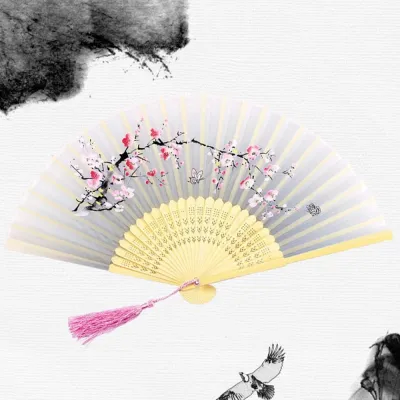

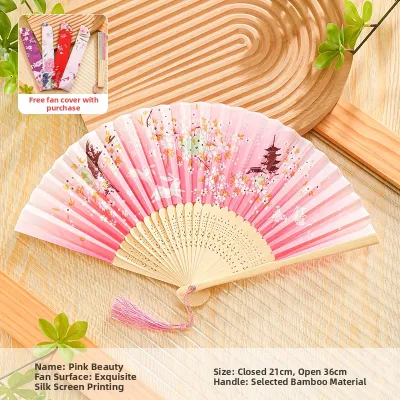
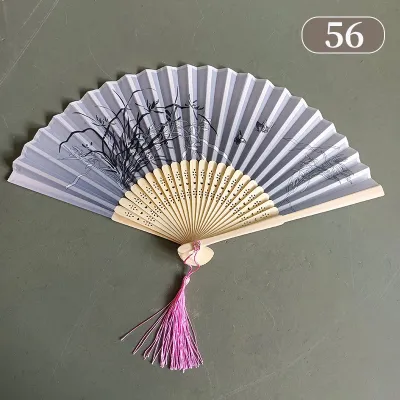
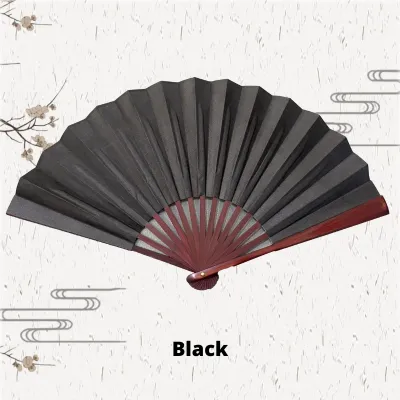
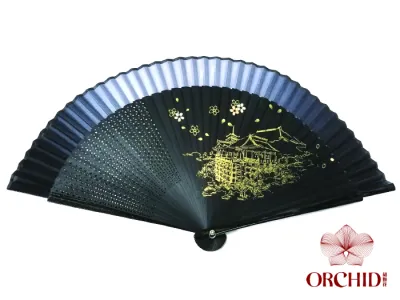
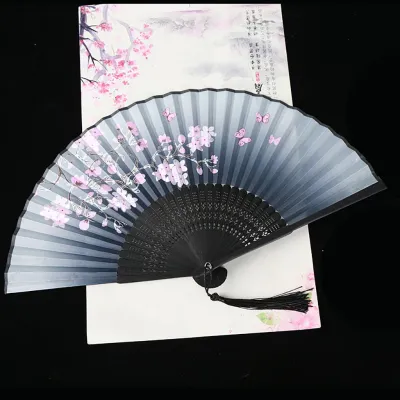
Prices are valid at publication and may change. Please refer to the product page for the latest price.
Beyond their cultural significance, these fans offer immediate practical value. Singapore’s tropical climate is characterized by high humidity and warm temperatures year-round. A lightweight, manual fan provides instant, battery-free cooling while you explore outdoor heritage sites, bustling street markets, or lush botanical gardens. It is a functional companion that fits effortlessly into a pocket or small bag.
For travelers, bamboo folding fans represent the ideal souvenir due to their highly packable nature. Unlike fragile ceramics, heavy books, or liquid items that complicate airport security checks, a folded fan is flat, compact, and exceptionally lightweight. It can be easily tucked into carry-on luggage without adding bulk, making it a stress-free gift to transport home to friends, family, or colleagues.
How to Evaluate Craftsmanship and Materials
To ensure your souvenir survives regular use or long-term display, you must carefully evaluate the raw materials and construction techniques. The foundation of any high-quality folding fan lies in its bamboo ribs. Inspect the outer guard ribs—the two thicker, protective pieces on the outside—as well as the thinner inner ribs. High-grade bamboo should be smoothly polished, free of splinters, and completely devoid of hairline cracks or warping. Gently press the ribs to check their flexibility; they should yield slightly to pressure without feeling brittle or stiff.

The material used for the fan face significantly influences its durability, texture, and visual appeal. Paper faces offer a classic, crisp fold and are excellent for displaying sharp, printed graphics or traditional calligraphy, though they are more susceptible to moisture damage and tearing over time. Silk faces provide a luxurious, semi-translucent sheen that elevates the fan’s aesthetic, handling delicate painted details beautifully while offering superior resistance to wear. Cotton and linen faces are the most robust options for daily use, offering a tactile, matte finish that resists tearing and handles frequent folding exceptionally well.
Finally, examine the pivot and hinge mechanics at the base of the fan. This small metal pin or rivet holds the entire structure together and bears the tension of every opening and closing motion. Test the movement to ensure the pin allows the fan to glide open smoothly. If the pivot is too loose, the fan will fail to hold its shape when extended; if it is too tight, you risk tearing the face material or snapping the inner ribs during use. Look for a sturdy, flush-fitting metal rivet rather than a plastic alternative, as metal offers far greater longevity.
Choosing Designs and Cultural Motifs
When selecting a design, look for motifs that tell a story unique to the region. Traditional patterns featuring the orchid—specifically the Vanda Miss Joaquim, Singapore’s national flower—are highly popular, symbolizing resilience, beauty, and local identity. Another deeply meaningful choice is the intricate geometric and floral patterns inspired by Peranakan tiles. These colorful, heritage-rich designs reflect the unique Straits Chinese culture and add a vibrant, vintage aesthetic to the fan face.
If you prefer a more contemporary look, seek out modern interpretations created by local designers and illustrators. Many contemporary fans feature minimalist line art of the iconic Marina Bay skyline, playful illustrations of local culinary favorites like laksa or durian, or modern calligraphy. These designs bridge the gap between traditional craftsmanship and modern urban culture, making them excellent conversation starters.
For an extra layer of thoughtfulness, inquire if the retailer or artisan offers customization options. Some specialty boutiques and cultural workshops allow you to personalize the fan. This might involve having a local calligrapher write the recipient’s name or a meaningful blessing directly onto the paper or silk face, or having a craftsman engrave a short message onto the outer bamboo guard rib. A personalized touch transforms a beautiful souvenir into a deeply cherished heirloom.
Where to Source Authentic Fans in Singapore
To find authentic, high-quality bamboo folding fans, steer away from generic souvenir stalls and head toward Singapore’s dedicated cultural heritage districts. Neighborhoods like Chinatown and Kampong Glam are home to traditional craft shops that have operated for decades. Here, you can find classic hand-painted fans, traditional calligraphy pieces, and regional artifacts. Exploring these shops allows you to interact with knowledgeable merchants who can explain the origins of their inventory.
For premium, artisan-made fans that support the local creative community, visit museum gift shops and curated design boutiques. Outlets at the National Museum of Singapore or the Asian Civilisations Museum often stock exclusive, high-quality fans created in collaboration with local artists. These venues prioritize ethical sourcing and superior material standards, ensuring that your purchase directly supports regional craftsmanship and heritage preservation.
Before setting out to explore physical stores, utilize online marketplaces and official brand websites to research local makers. Many independent Singaporean designers showcase their portfolios online, detailing the specific materials, dimensions, and design inspirations behind their collections. Researching ahead of time helps you identify which physical boutiques or creative markets to prioritize during your visit, saving you time and ensuring you find a piece that matches your aesthetic preferences.
Pre-Purchase Inspection Checklist
Before finalizing your purchase, conduct a quick, systematic physical inspection of the specific fan you intend to buy. Retail displays can sometimes expose items to dust or minor handling wear, so it is always best to verify the condition of your exact piece.
- Visual Inspection: Hold the fan up to a light source. Check the fan face thoroughly for any uneven dye, misaligned prints, or visible adhesive residue along the folds. Inspect the bamboo ribs for any dark spots, discoloration, or signs of mold that can occasionally develop in humid storage environments.
- Tactile Checks: Run your fingers gently along the edges of the outer guard ribs to ensure they are perfectly smooth and free of splinters. Gently fan out the inner ribs to verify they are evenly spaced and that the adhesive binding the face material to each individual rib is secure and clean from top to bottom.
- Functional Test: Open and close the fan two or three times. It should expand smoothly with a gentle flick of the wrist and close without catching or sticking. Listen for a clean, crisp snap when the fan is fully opened, which indicates proper tension and structural stability.
Frequently Asked Questions (FAQ)
How should I care for a bamboo folding fan to prevent mold?
To protect your bamboo fan from mold in humid climates, store it in a well-ventilated, dry area away from direct sunlight. Avoid keeping the fan sealed inside non-breathable plastic sleeves or damp drawers for extended periods, as this traps moisture. If the fan becomes damp from humidity or sweat during use, leave it fully open in an air-conditioned room or near a gentle fan until it dries completely before folding it away. For routine maintenance, gently dust the ribs and face with a soft, dry microfiber cloth.
Are bamboo folding fans suitable for everyday use or just for display?
This depends entirely on the materials and construction of the fan. Fans crafted with sturdy cotton or heavy silk faces and thick, well-riveted bamboo ribs are highly durable and designed for daily cooling. Conversely, fans featuring delicate, thin paper faces, intricate lace, or hand-painted gold leaf details are much more fragile. These delicate pieces are best reserved for display on a dedicated fan stand or framed as decorative wall art to preserve their intricate details.
What is the best way to pack a folding fan for air travel?
To prevent your folding fan from being crushed or bent during transit, always slide it into a protective fabric sleeve or a hard-shell glasses case. Pack the protected fan in your carry-on luggage rather than checked baggage to shield it from the rough handling and heavy shifting of suitcases. Position the fan flat against a rigid surface inside your bag, such as a laptop compartment or an interior pocket, ensuring it is kept away from heavy, bulky items that could exert uneven pressure.

Community discussion
Share your experience or ask a question. Comments are reviewed before publication.