
Choosing the right automatic bookmark for a student in Singapore depends heavily on their academic stage, the physical format of their books, and their daily study habits. As students progress from primary to secondary education, their reading materials transform from large-print, highly illustrated storybooks to dense, multi-page textbooks and literature texts. An automatic bookmark—a device designed to dynamically track a reader’s place, clip securely to follow page turns, or isolate lines of text—can significantly enhance reading efficiency, but the ideal mechanism changes as a student’s academic needs evolve.
For primary school students, the primary challenge is maintaining focus, developing tracking skills, and preventing line-skipping. For secondary school students, the focus shifts to organizing multiple subjects, managing thick reference volumes, and ensuring that study tools survive daily commutes in packed school bags. Selecting the correct tool requires understanding how different bookmark mechanisms interact with standard school materials and the local tropical environment.
What to Look for in an Automatic Bookmark by Grade Level
In the stationery landscape, the term “automatic bookmark” encompasses several distinct designs. These include sliding line trackers, transparent window page holders, auto-locking page clips, and mechanical progress markers that automatically slip onto the next page as it is turned. Each mechanism serves a different functional purpose, making it essential to match the bookmark’s design to the student’s cognitive development and physical dexterity.
Products mentioned in this guide
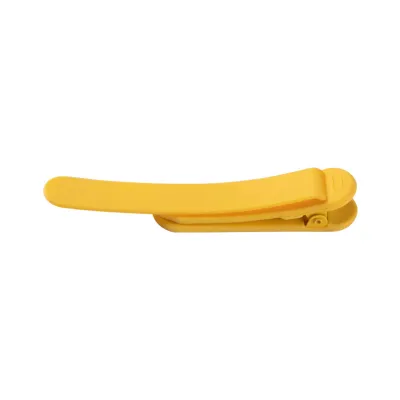
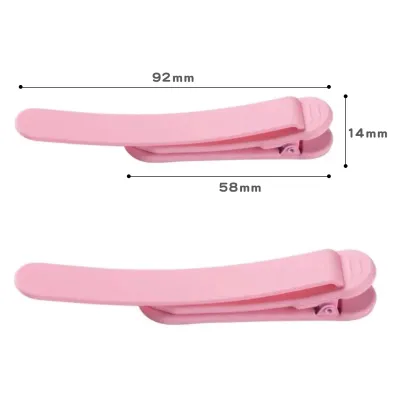
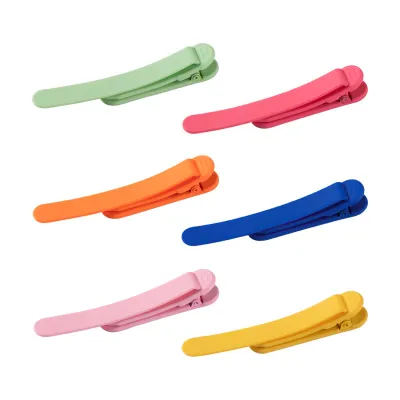
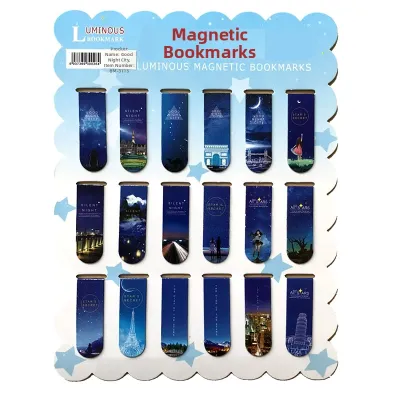
Prices are valid at publication and may change. Please refer to the product page for the latest price.
Primary school students are still developing their fine motor skills and visual tracking capabilities. Their reading materials often feature larger fonts, wider line spacing, and thinner paper stock in activity workbooks. For these younger learners, an automatic bookmark must act as a visual anchor. It needs to be highly durable, simple to operate without adult assistance, and bright enough to serve as a visual cue that encourages reading. If a bookmark is too complex or requires precise mechanical adjustment, a primary student may become frustrated and abandon it entirely.
Conversely, secondary school students deal with a massive volume of printed material, including dense Ministry of Education (MOE) approved textbooks, thick science manuals, and delicate paperback literature novels. These books feature smaller fonts, narrow line spacing, and thin paper that is easily creased. Older students require low-profile automatic bookmarks that do not damage the book’s spine when closed or add unnecessary bulk to an already heavy school bag. Their bookmarks must offer multi-subject organization, secure page-holding power during transit on the MRT or bus, and a more mature, discreet aesthetic.
When evaluating these tools, parents must consider the physical interaction between the bookmark and the paper. High-tension metal clips might hold securely, but they risk tearing the thin paper common in local school publications. On the other hand, weak magnetic markers might slip off during a hectic school day. Finding the right balance ensures the student can focus on learning rather than managing slipping pages or damaged materials.
Best Automatic Bookmark Types for Primary School Students
Primary school students benefit most from automatic bookmarks that actively aid concentration, reduce visual fatigue, and withstand the rough-and-tumble environment of a primary school classroom. At this stage, stationery items are frequently dropped, shared, or stuffed hastily into school bags. Therefore, structural resilience and physical safety are paramount.

Safety is a critical consideration for younger children. Parents should look for bookmarks made from non-toxic, BPA-free plastics, high-grade silicone, or flexible PET. Edges must be rounded and smooth to prevent accidental scratches during use. Furthermore, because primary school classrooms can be high-energy environments, the bookmarks must be shatter-resistant and flexible enough to bend without snapping into sharp fragments.
Transparent Window Line Trackers
Transparent window line trackers are highly effective for lower primary students who are transitioning from picture books to early chapter books. These bookmarks feature a solid, opaque outer frame with a clear, tinted, or highlighted horizontal window in the center. As the student reads, they slide the tracker down the page, isolating one or two lines of text at a time while blocking out the surrounding visual clutter.
This design serves as an excellent focus tool for children who struggle with visual tracking or tend to skip lines. The tinted window (often in soft blue, green, or yellow) provides a high-contrast background that makes black text stand out, reducing eye strain under typical classroom fluorescent lighting.
When selecting a transparent window tracker, prioritize optical clarity. The plastic window must be completely free of distortion, bubbles, or scratches, as any optical warping can cause visual confusion for a developing reader. Look for trackers made from thick, scratch-resistant PET or acrylic. The sliding mechanism must be smooth and require minimal physical effort, allowing the child to advance the tracker effortlessly down the page without snagging or tearing the paper.
Clip-On Page Holders with Reading Pointers
Clip-on page holders with reading pointers combine a secure page clip with an adjustable, pointing arm that indicates the exact word or line where the reader paused. The clip attaches firmly to the top or side of the page, while a flexible, colored pointer can be swiveled or slid to target a specific spot on the paper.
This type of automatic bookmark is ideal for primary students who need their hands free to complete workbook exercises or write notes. It prevents the page from blowing shut in ventilated classrooms or under ceiling fans, which are common in Singapore school halls. The physical pointer acts as a concrete progress marker, giving students a clear starting point when they resume reading after a break.
When choosing a clip-on pointer, pay close attention to the clip’s tension. The clamping force must be gentle enough to avoid tearing or leaving deep indentations on thin paper, yet secure enough to stay in place. Look for clips with padded or silicone-lined contact points that grip the page gently. The pointer arm should be constructed from flexible, durable silicone or soft plastic that can withstand repeated bending without breaking. Bright, high-contrast colors like orange, red, or blue are recommended to help the student quickly locate their place.
Best Automatic Bookmark Types for Secondary School Students
Secondary school students face a demanding academic schedule that requires them to manage multiple subjects simultaneously. Their automatic bookmarks must be highly durable, compact, and capable of organizing dense information across thick reference volumes without damaging the books.
For these older students, the ideal bookmark is highly functional and low-profile. It must fit snugly within the pages of a closed book, ensuring that the book can be packed tightly into a school bag without warping the spine or bending the pages. The materials must be robust enough to handle constant daily use throughout the academic year.
Magnetic or Auto-Locking Page Clips
Magnetic or auto-locking page clips are the gold standard for secondary students dealing with heavy textbooks. These bookmarks use low-profile, high-strength magnets (often folded over the page) or miniature, spring-loaded mechanical clips that lock onto the edge of the sheet. Once attached, they remain firmly in place, even if the book is dropped or shaken inside a backpack.
This secure grip is essential for students who study during their daily commutes on public transport. Standard paper or plastic bookmarks easily slip out when a book is jostled, leading to lost progress and wasted study time. A magnetic or auto-locking clip ensures that the exact page remains marked, allowing the student to open their book and resume studying instantly.
When evaluating magnetic or auto-locking clips, look for a slim, lightweight profile. Bulky clips can distort the book’s binding over time, leading to loose pages or a cracked spine. The magnetic surface should be fully laminated or covered in a smooth, non-abrasive plastic film to prevent the metal from rubbing against the paper and leaving gray marks. For spring-loaded mechanical clips, ensure the contact pads are perfectly smooth and flat to distribute pressure evenly and prevent deep paper creases.
Multi-Tab Automatic Progress Trackers
Multi-tab automatic progress trackers are designed for students who need to navigate complex, multi-chapter reading assignments. These tools typically consist of a main base clip that attaches to the book’s cover or back page, from which multiple independent, flexible tracking tabs extend. Each tab can be placed on a different page, allowing the student to mark key reference charts, glossary pages, and their current reading progress simultaneously.
This multi-tab system is incredibly useful for secondary subjects like Geography, History, and Literature, where students must constantly cross-reference maps, character lists, or explanatory notes while reading the main text. Instead of flipping back and forth blindly, the student can use the dedicated tabs to transition smoothly between sections.
Select trackers that feature reusable, non-damaging adhesive strips or gentle clip-on mechanisms that allow the tabs to be repositioned hundreds of times without losing grip or leaving sticky residue. Trackers with integrated progress scales, rulers, or small writing surfaces for labeling are highly beneficial, as they allow students to write quick chapter codes or subject names directly on the tab for rapid identification.
Quick Comparison: Matching Bookmarks to Student Needs
To help parents and students identify the most suitable automatic bookmark, the table below summarizes how different designs address specific academic challenges and textbook formats.
| Student Level | Primary Reading Challenge | Recommended Bookmark Type | Key Design Feature | Textbook Compatibility |
|---|---|---|---|---|
| Primary (Lower) | Line-skipping, visual fatigue, and distraction | Transparent Window Line Trackers | Tinted, high-contrast visual window that isolates text | Best for large-print books, early readers, and activity workbooks |
| Primary (Upper) | Hands-free study, losing place during writing tasks | Clip-On Page Holders with Reading Pointers | Flexible, brightly colored pointer arm with gentle clip | Suitable for medium-thickness workbooks and storybooks |
| Secondary (General) | Bookmarks falling out during active transit and commutes | Magnetic or Auto-Locking Page Clips | Low-profile, high-strength magnetic or spring-loaded grip | Ideal for thick textbooks, science manuals, and literature novels |
| Secondary (Advanced) | Cross-referencing multiple chapters and reference charts | Multi-Tab Automatic Progress Trackers | Multiple independent, repositionable tracking tabs | Perfect for dense reference volumes, study guides, and exam papers |
Pre-Purchase Checklist for Singapore Textbooks and Climate
Before purchasing any automatic bookmark, parents and students should verify that the product is fully compatible with local school materials and Singapore’s unique environmental conditions. A bookmark that works well in a dry, cool climate may perform poorly in our tropical environment.
- Size and Format Compatibility: Verify the bookmark's physical dimensions against standard MOE-approved textbooks. Many primary school workbooks are printed in wide A4 or B5 formats with thin paper covers. Ensure that the clip depth of the bookmark is sufficient to grip these larger pages securely without bending the edges of the cover. For secondary school textbooks, which can exceed 400 pages, ensure that magnetic or mechanical clips can accommodate varying paper thicknesses without losing their grip.
- Climate Resilience: Singapore's high relative humidity can severely affect stationery materials. Avoid bookmarks that rely on low-grade adhesives, as the humidity can cause the glue to degrade, slide, or leave a stubborn, sticky residue on textbook pages. Similarly, check that any magnetic coatings are fully sealed; exposed magnetic sheets can degrade or become sticky when exposed to moisture. Plastics should be high-quality PET, PP, or acrylic, which do not warp, yellow, or become brittle in tropical heat.
- Paper Safety and Ink Interaction: Inspect the contact points of any mechanical, plastic, or magnetic clip. Run your finger over the edges to ensure there are no sharp plastic flashing lines or rough metal burrs that could scratch or tear paper. Because students frequently highlight text or write notes in pencil, test the bookmark on a small, non-essential area of the page first. Ensure that the sliding or clipping action does not smudge graphite pencil marks, smear fresh gel pen ink (such as standard school pens), or lift highlighter ink off the page.
- Maintenance and Cleaning: Transparent window bookmarks and plastic trackers quickly accumulate fingerprints, natural skin oils, and graphite smudges from pencils. Confirm that the material can be easily wiped clean. Matte finishes are often more resistant to visible smudging than high-gloss plastics, though high-gloss materials sometimes offer slightly better optical clarity when perfectly clean.
Frequently Asked Questions (FAQ)
Will automatic page clips damage my textbook pages?
Whether an automatic page clip damages your pages depends on its design, material, and clamping tension. Damage typically occurs when a clip has excessive spring tension, sharp plastic edges, or exposed metal parts that scrape against the paper. High-tension clips can leave permanent indentations, while rough edges can cause micro-tears along the margins of thin textbook paper.
To prevent damage, always inspect the clip before use. Ensure the contact surfaces are smooth, rounded, or padded with silicone. It is highly recommended to test the clip on a scrap piece of paper or a back page of the textbook first to check the pressure. Additionally, avoid leaving high-tension clips clamped on the exact same page for extended periods (such as over school holidays), as the prolonged pressure can compress the paper fibers and cause permanent creasing.
How do I clean a transparent window bookmark that has become cloudy?
Transparent window bookmarks can become cloudy over time due to the accumulation of skin oils, dust, graphite dust from pencils, and ink residue. To restore optical clarity without scratching the plastic, you must use gentle cleaning methods and avoid abrasive materials.
Start by wiping the window gently with a dry, clean microfiber cloth (such as those used for eyeglasses). If the cloudiness persists, damp the cloth slightly with plain water or a highly diluted, mild dish soap solution. Avoid using rough paper towels, tissue paper, or polyester cloths, as these can create microscopic scratches that permanently dull the plastic. Never use alcohol-based solvents, acetone, or harsh chemical cleaners, as these solvents can chemically react with acrylic or PET, causing them to crack, warp, or turn permanently opaque.
Community discussion
Share your experience or ask a question. Comments are reviewed before publication.