
If you are looking to start your creative journey in Singapore, choosing your first set of acrylic paints can feel overwhelming given the sheer variety of brands, formats, and price points available. Fortunately, finding the right acrylic painting color palette does not require a massive financial investment. For most beginners, a student-grade tube set containing 12 to 24 colors offers the absolute best balance of affordability, ease of use, and educational value. These sets allow you to learn the fundamentals of color mixing, brush control, and layering without the pressure of wasting expensive materials.
Acrylic paint is a highly versatile, water-based medium that dries quickly to form a durable, flexible, and water-resistant plastic film. This quick-drying nature makes it incredibly popular for hobbyists, but it also presents specific challenges in Singapore’s warm, humid climate, where paint can dry on your palette faster than in cooler regions. Understanding the different types of starter sets—from heavy-body tubes to fluid bottles and comprehensive all-in-one kits—is the first step toward a successful and frustration-free painting experience.
How to Choose the Right Acrylic Paint Set for Beginners
To make an informed decision, it is essential to understand the core dimensions of acrylic paint sets. The right choice depends on your budget, your preferred painting style, and whether you want to focus on traditional canvas painting or casual crafting.
Products mentioned in this guide
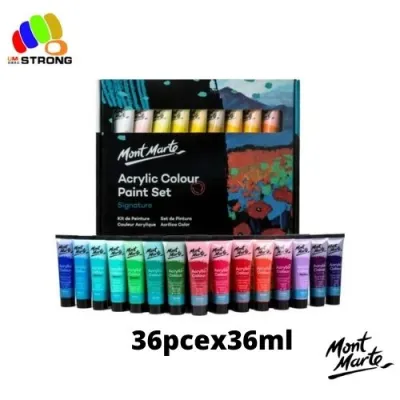
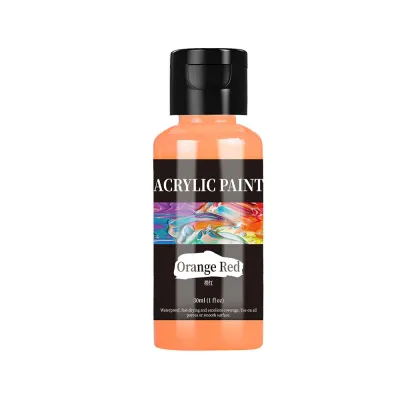
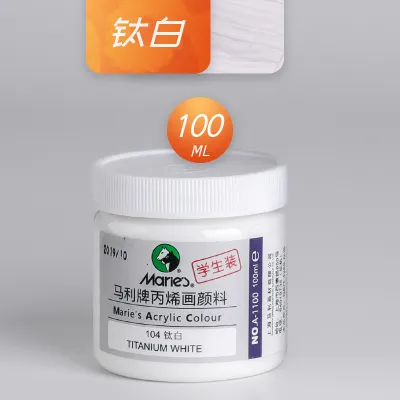
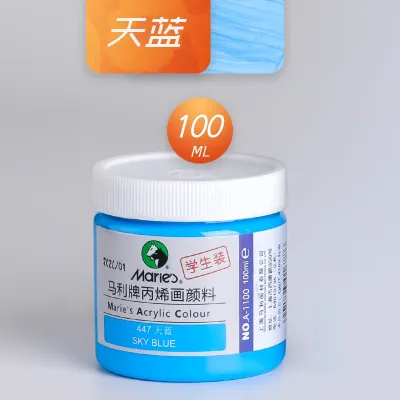
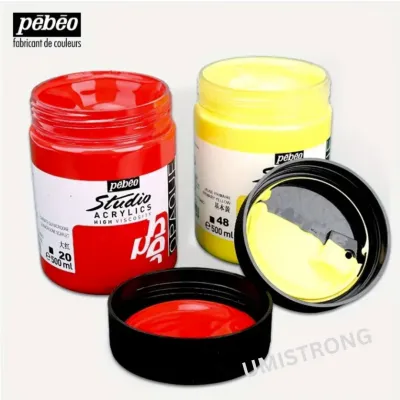
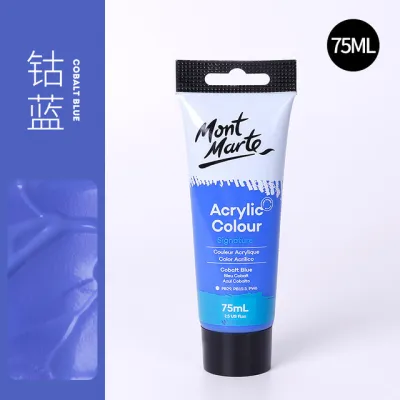
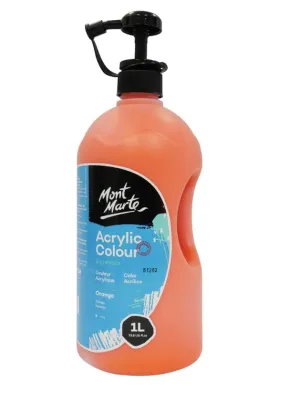
Prices are valid at publication and may change. Please refer to the product page for the latest price.
Student-Grade vs. Professional-Grade Paints Art brands generally divide their acrylic paint lines into two categories: student-grade and professional-grade. Student-grade paints are formulated with lower pigment concentrations and may contain fillers or synthetic substitutes for expensive organic pigments. While this means the colors might appear slightly less vibrant when heavily thinned, student-grade paints are highly cost-effective (typically ranging from S$15 to S$40 for a comprehensive starter set) and incredibly forgiving for beginners. Professional-grade paints, on the other hand, utilize pure, single pigments and a high binder concentration, offering exceptional lightfastness and color intensity. However, they are significantly more expensive and are best reserved for when you have mastered basic techniques and are ready to produce long-lasting, exhibition-quality work.
Color Selection Strategy When browsing starter sets, you will generally face a choice between minimalist sets containing primary colors plus white and black, and larger sets with 24 or more pre-mixed shades. A minimalist set (typically 5 to 6 tubes) is highly recommended by art educators because it forces you to learn color theory. By mixing your own secondary and tertiary colors, you develop a deep understanding of how pigments interact. Conversely, large pre-mixed sets are highly convenient, saving you the time of mixing common shades like foliage green or skin tones. However, relying solely on pre-mixed colors can limit your mixing skills and sometimes result in muddy, flat paintings if you do not understand the underlying color relationships. A 12-to-24 color set strikes the perfect middle ground, offering a solid foundation of primary and secondary colors while still encouraging hands-on mixing.
Packaging Formats: Tubes vs. Bottles The packaging of your acrylic paint directly influences its consistency and application. Tubes typically contain heavy-body or medium-body acrylics, which have a thick, buttery consistency similar to oil paints. This format is ideal for palette knife mixing, creating textured brush strokes (impasto), and working on vertical canvases. Bottles, on the other hand, contain fluid or craft acrylics. These paints are pre-thinned to a pourable consistency, making them excellent for covering large, flat areas, performing acrylic pouring techniques, or decorating wood, ceramics, and plastic crafts. For traditional painting on canvas or paper, tubes are generally the superior choice as they offer greater control over paint thickness and texture.
Included Accessories: Kits vs. Separate Purchases Many brands offer all-in-one kits that bundle paint tubes with essential accessories like synthetic brushes, plastic palettes, palette knives, and small pre-primed canvas boards. For an absolute beginner with zero existing supplies, these kits offer outstanding value and eliminate the friction of researching and purchasing tools individually. However, keep in mind that the brushes and palettes included in budget kits are often basic in quality. As your skills progress, you will likely want to upgrade to higher-quality synthetic brushes that hold their shape better and a more durable mixing surface. If you already own basic brushes or prefer to choose your own tools, buying a standalone paint set is often the more cost-effective route.
Selecting Your First Acrylic Painting Color Palette: Top Starter Sets to Consider
To help you navigate the market, we have categorized the most common starter sets available in Singapore based on their specific use cases, target audiences, and inherent limitations.

Best Overall: Standard Student-Grade Tube Sets (12–24 Colors)
Standard student-grade tube sets are the gold standard for beginners who are committed to learning traditional painting techniques, color theory, and brushwork. These sets typically feature 12ml to 22ml tubes from reputable global art manufacturers, providing a reliable balance of pigment load, smooth flow, and affordability.
- Target Audience: Aspiring artists, art students, and hobbyists who want to practice blending, layering, and building texture on canvas or heavy paper.
- Why It Works: These sets offer a highly consistent formulation across all colors, ensuring they mix predictably without turning muddy. The medium-to-heavy body consistency allows you to experiment with both thick, textured strokes and thin, watercolor-like washes. A 12-to-24 color range provides a comprehensive palette, including warm and cool variations of primary colors, which is essential for accurate color mixing.
- Limitations: These sets are strictly paint-only. You will need to purchase your own brushes, mixing palettes, water cups, and painting surfaces separately, which increases the initial setup cost.
- Pre-Purchase Check: Always verify the tube volume before purchasing, as some sets contain very small 10ml tubes that can run out quickly, especially white and blue. Look for standard 22ml or 36ml tubes for better longevity. If buying from third-party online sellers, check the packaging carefully to ensure the seals are intact and the paint has not separated or dried out due to poor storage.
Best for Absolute Beginners: All-in-One Painting Kits
All-in-one painting kits are designed to remove all barriers to entry, providing everything a first-time painter needs to start creating immediately. These kits are highly popular as gifts and are perfect for those who want to try acrylic painting as a weekend hobby without committing to a large financial investment.
- Target Audience: Absolute beginners, children, families looking for a creative weekend activity, and gift buyers.
- Why It Works: These kits are incredibly convenient, bundling a selection of acrylic paint tubes with essential tools such as a set of synthetic brushes in various shapes (flat, round, detail), a plastic mixing palette, a palette knife, and sometimes even a tabletop easel and pre-primed canvas boards. This comprehensive packaging saves you the hassle of sourcing individual items from different stores.
- Limitations: To keep these kits affordable, manufacturers often include entry-level brushes that may shed bristles or lose their shape after a few uses. The paint tubes are also typically smaller (often 12ml), meaning you will need to restock your favorite colors relatively quickly.
- Pre-Purchase Check: Ensure the kit includes a proper, non-porous mixing surface (like a plastic or wooden palette) rather than paper-based alternatives. Check customer reviews to confirm that the paint tubes arrive fully sealed and are not dried out or hardened, which can occasionally happen with older stock.
Best for Casual Crafters: Budget-Friendly Bottle Sets
If your artistic goals lean more toward DIY home decor, customizing wooden crafts, painting terracotta pots, or exploring the popular trend of acrylic pouring, a budget-friendly bottle set is the ideal choice. These sets feature fluid craft acrylics packaged in squeeze bottles.
- Target Audience: Crafters, DIY enthusiasts, hobbyists decorating non-traditional surfaces, and those interested in high-volume pouring art.
- Why It Works: Bottle sets are exceptionally cost-effective on a per-milliliter basis and are incredibly easy to dispense. Because the paint is pre-thinned, it flows smoothly across large, flat surfaces and does not require dilution with water. Additionally, bottle sets often include a wide array of pre-mixed specialty colors, such as metallics, pastels, and neons, which are difficult to mix manually from standard tube sets.
- Limitations: Fluid craft acrylics have a much lower pigment concentration and a thinner consistency than tube paints. They are not suitable for traditional impasto techniques, as they will flatten out as they dry. They also tend to be less opaque, requiring multiple layers to achieve solid coverage on dark surfaces.
- Pre-Purchase Check: Check the nozzle design of the bottles to ensure they are easy to clean and seal, as clogged nozzles are a common frustration with bottle paints. Verify whether the paint is explicitly labeled as "craft paint" or "multi-surface acrylic," as multi-surface variants offer better adhesion on slick surfaces like glass or plastic.
Where to Buy Art Supplies in Singapore
Finding quality acrylic paint sets in Singapore is relatively straightforward, but choosing the right purchasing channel can impact your buying experience, product authenticity, and budget.
Local Specialty Art and Stationery Stores For beginners, visiting a physical art supply store in Singapore is highly recommended. The most iconic destination is the Bras Basah Complex, which houses several long-standing, multi-story art and stationery retailers. Major shopping malls across the central and suburban regions also host modern boutique art supply shops. Shopping in person allows you to physically inspect the paint tubes, view accurate color swatches painted on real paper, and seek personalized advice from knowledgeable staff who are often artists themselves. Furthermore, physical stores guarantee that the paint has been stored in a climate-controlled, air-conditioned environment, preserving its consistency.
Online E-Commerce Platforms Online marketplaces and official brand storefronts offer unparalleled convenience, home delivery, and highly competitive pricing. Starter sets online typically range from S$10 to S$50, with frequent promotions and bundle deals. This is an excellent option if you already know which brand you want or if you are looking to purchase bulk supplies.
Verification Steps for Online Buyers When purchasing art supplies online, it is crucial to take steps to avoid counterfeit goods or damaged inventory. Always check the seller’s rating and read recent customer reviews. Look specifically for feedback regarding packaging quality; paint tubes can easily burst during transit if not padded properly. Verify the authenticity of premium brands by purchasing from official brand digital storefronts or highly rated local sellers. Counterfeit acrylic paints often contain substandard pigments that fade rapidly, and in some cases, may contain toxic chemical fillers that emit strong, unpleasant odors.
Climate Considerations Singapore’s tropical climate—characterized by high temperatures and humidity—can negatively affect liquid and paste art supplies. Prolonged exposure to extreme heat during transit or storage can cause the acrylic emulsion to separate, resulting in a watery, unusable mess. When buying online, try to purchase from local sellers who store their inventory in air-conditioned warehouses rather than hot, outdoor storage facilities. Once your order arrives, avoid leaving the package in outdoor delivery risers or letterboxes exposed to direct sunlight for extended periods.
Essential Care and Usage Tips for Acrylic Paints
Proper care and usage will not only extend the lifespan of your acrylic paint set but also ensure a much more enjoyable painting process. Acrylics are incredibly user-friendly, but their unique chemical properties require a few specific habits.
Preventing Premature Drying Because acrylic paint is water-based, it dries via evaporation. In Singapore’s warm climate, a thin layer of acrylic paint on a standard plastic palette can begin to skin over and dry within 10 to 15 minutes. To prevent this premature drying and reduce paint waste, consider using a “stay-wet” palette. This specialized palette uses a damp sponge layer underneath a sheet of permeable acrylic paper, continuously supplying moisture to the paint from below and keeping it workable for days. Alternatively, keep a small spray bottle filled with clean water nearby and lightly mist your palette every 15 minutes to maintain the paint’s moisture levels.
Brush Cleaning Protocol The golden rule of acrylic painting is to never let paint dry on your brushes. Once acrylic paint cures, it becomes a highly water-resistant plastic polymer that cannot be dissolved with water. If paint dries inside the bristles, it will ruin the brush’s shape and flexibility, forcing you to discard it. Always keep your active brushes submerged in a jar of clean water while painting. Once your session is finished, wash your brushes immediately with lukewarm water and a mild soap or dedicated brush cleaner. Gently massage the bristles, paying close attention to the area near the metal ferrule where paint tends to accumulate. Rinse thoroughly, reshape the damp bristles with your fingers, and lay the brushes flat on a towel to dry; storing them upright while wet can cause water to seep into the wooden handle, loosening the glue and causing the bristles to shed.
Proper Storage To maintain the consistency of your paints, store your tubes and bottles upright in a cool, dry place away from direct sunlight. Extreme temperature fluctuations can cause the acrylic binder to separate from the pigment. Given Singapore’s high relative humidity, storing your paints in a sealed plastic container with a few silica gel packets can help prevent mold from growing on the caps and labels. Always wipe the threads of your paint tubes with a damp cloth before screwing the caps back on; otherwise, dried paint will glue the caps shut, making them incredibly difficult to open next time.
Surface Preparation While acrylic paint is highly adhesive and can stick to almost anything, painting on unprepared surfaces can lead to poor results. If you are painting on canvas, ensure it is pre-primed with gesso, which prevents the paint from sinking into the fabric fibers and losing its vibrancy. If you prefer painting on paper, select heavy-weight, acid-free acrylic or watercolor paper (at least 300 gsm). Thin paper will absorb the water from the paint, causing it to warp, buckle, and tear, which can ruin your hard work.
Frequently Asked Questions (FAQ)
Do I need to buy extra mediums or varnishes as a beginner?
As a beginner, you do not need to purchase extra mediums or varnishes immediately. Clean water is perfectly adequate for thinning your acrylic paint and cleaning your brushes during your initial learning stages. Once you are comfortable with basic brushwork and color mixing, you can explore optional mediums like gloss or matte mediums to alter the paint’s texture and finish, or retarders to slow down the drying time. A final varnish is only necessary when you want to protect completed, fully cured paintings from dust and UV damage over the long term.
Can I use student-grade acrylics on regular paper?
No, you should avoid using regular printer paper or thin writing paper for acrylic painting. Because acrylic paint contains a significant amount of water, thin paper will quickly absorb the moisture, causing it to warp, buckle, and tear under the brush. For the best results, use heavy-weight mixed media paper, watercolor paper, or dedicated acrylic painting pads with a minimum weight of 300 gsm. These heavy papers can handle multiple layers of wet paint without warping, allowing you to practice blending and layering techniques effectively.
Community discussion
Share your experience or ask a question. Comments are reviewed before publication.