
To begin your journey with acrylic painting in Singapore, choosing the right brand of paint is the most critical first step. For beginners, the ideal choice lies in established student-grade acrylic paint lines. Brands like Liquitex Basics, Winsor & Newton Galeria, Daler-Rowney System 3, and Amsterdam Standard Series are widely considered the benchmark options. These lines offer a balanced combination of high-quality pigments, manageable drying times, and forgiving formulations at a price point that allows you to experiment freely. By selecting a reliable starter brand, you ensure that your early painting experiences are defined by smooth color mixing and consistent coverage rather than the frustration of chalky, low-pigment alternatives.
What Makes an Acrylic Paint Brand Ideal for Beginners?
When you are learning to paint, the physical behavior of the medium dictates how quickly you master basic techniques. Acrylic paint is highly favored for its versatility, but not all formulations are easy for a novice to control. The ideal beginner paint must excel in four primary areas: viscosity, blending capability, opacity, and value.
Viscosity, or the thickness of the paint, determines how the medium responds to your brush. Beginners generally benefit most from a “heavy body” or medium-viscosity paint. Heavy-body paints mimic the thick, buttery feel of oil paints, holding brushstrokes and knife marks cleanly. This structural integrity makes it easier to learn how to load a brush and control paint application on canvas. A paint that is too runny or fluid can be difficult to manage, often leading to accidental drips and uneven layers.
Products mentioned in this guide
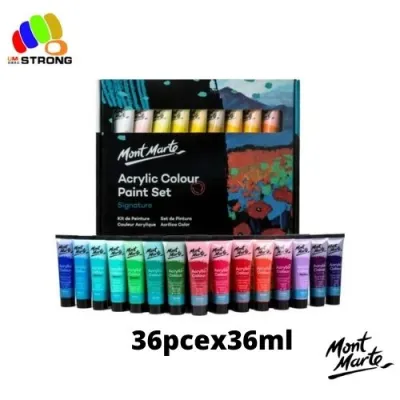
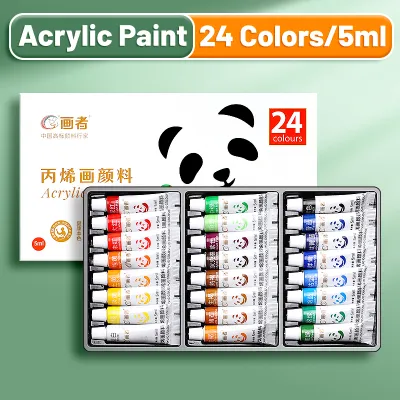
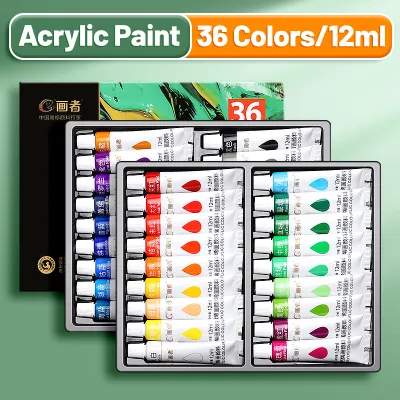
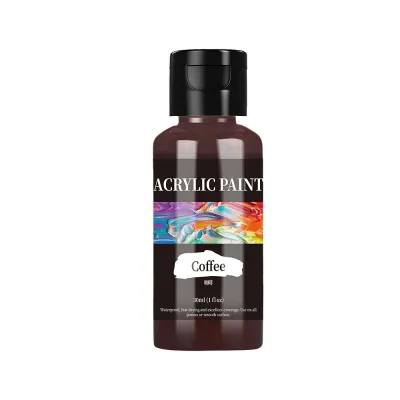
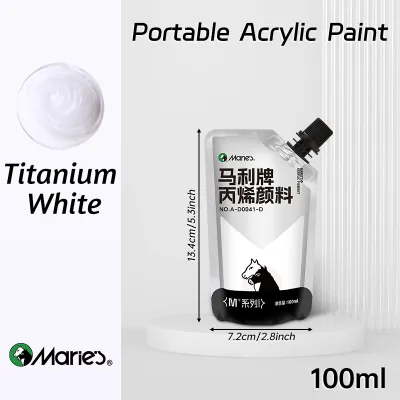
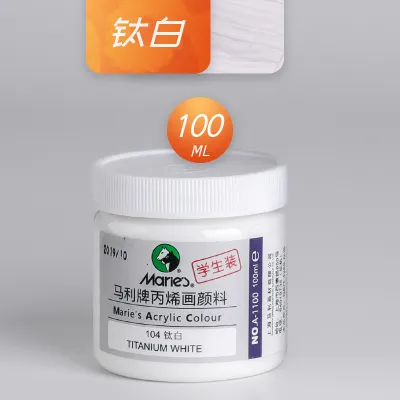
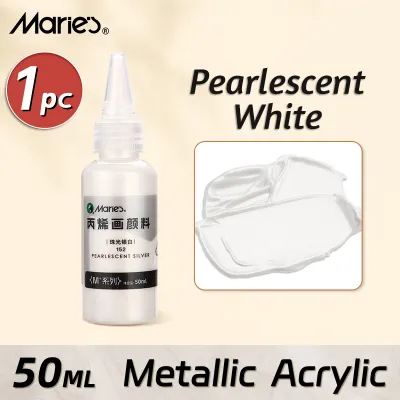
Prices are valid at publication and may change. Please refer to the product page for the latest price.
The drying time of acrylics is notoriously fast, which can be both an advantage and a challenge. While rapid drying allows you to layer colors quickly without muddying your work, it limits your ability to blend smooth gradients on the canvas. High-quality beginner brands formulate their paints to offer a slightly extended “open time”—the window during which the paint remains wet and workable. This extra time is crucial when you are practicing soft transitions, such as painting skies or skin tones.
Opacity and coverage are equally vital for those still refining their hand-eye coordination. A forgiving paint should have sufficient pigment load to cover pencil sketches or underlying mistakes in one or two coats. If a paint is too translucent due to excessive fillers, you will find yourself painting four or five layers just to achieve an even field of color, which can be deeply discouraging.
Finally, value for money must be balanced against quality. While it is tempting to purchase the cheapest generic paints available at local discount shops, these products often contain very little actual pigment and a high proportion of chalky fillers. This results in dull, muddy mixtures. A proper beginner-friendly brand provides enough pigment purity to teach you how colors actually interact, without the premium price tag of professional-grade lines.
Student-Grade vs. Professional-Grade: Understanding the Differences
Understanding the distinction between student-grade (often labeled as “studio” or “academic”) and professional-grade (or “artist-grade”) acrylics is essential before making your first purchase. The primary differences lie in the ingredients, the manufacturing process, and the behavior of the paint as it cures.

The core of any acrylic paint consists of two main components: pigment particles and an acrylic polymer binder. Professional-grade paints maximize the pigment load, using pure, finely ground minerals and organic compounds with minimal binders and no added fillers. This results in intense, vibrant colors that retain their brilliance even when heavily diluted with water or mediums. In contrast, student-grade paints replace expensive pigments with synthetic alternatives (often labeled as “hues”) and introduce extenders or fillers like calcium carbonate or barium sulfate. While this keeps the cost low, it slightly reduces the vibrancy and tinting strength of the paint.
This difference in formulation directly impacts how the paint behaves during the drying process, specifically regarding “color shift.” Acrylic binder is milky white when wet but dries completely transparent. Because of this, almost all acrylic paints experience a color shift, appearing slightly darker once dry. In student-grade paints, the presence of fillers and lower-quality binders can make this color shift more pronounced and harder to predict. As you gain experience, learning to anticipate this shift is a key milestone, and student-grade paints provide a low-stakes environment to practice this adjustment.
For a beginner, starting with student-grade paints is highly recommended. When you are learning, you need to feel free to make mistakes, cover canvases, and experiment with thick applications without worrying about the cost of every brushstroke. Professional paints can cost three to four times more per tube, which often causes beginners to use the paint too sparingly, hindering their artistic growth.
You should consider upgrading to professional-grade paints once you find yourself limited by the mixing capabilities of your current set. If you are attempting complex color mixtures and finding they consistently turn gray or muddy, the high pigment purity of professional paints will resolve this. Additionally, if you begin selling your artwork or exhibiting in galleries, the guaranteed archival quality, precise lightfastness, and single-pigment formulations of professional lines become necessary investments.
Popular Beginner-Friendly Acrylic Paint Brands to Consider
Several globally recognized brands offer excellent student-grade acrylic paint lines that are widely available in Singapore. Each brand has unique characteristics that suit different painting styles and preferences.
Liquitex Basics
Liquitex is a pioneer in acrylic paint manufacturing, and its Basics line is one of the most popular student-grade paints worldwide. This line is characterized by its classic heavy-body consistency, which mimics professional paints by holding brushmarks and palette knife textures beautifully. It dries to a pleasing satin finish, which sits comfortably between matte and gloss, minimizing distracting reflections on your finished canvas.
The color range of Liquitex Basics is extensive, offering dozens of hues including traditional earth tones, vibrant modern organics, and even metallic options. Because it is formulated to be highly versatile, you can apply it to a wide variety of surfaces beyond canvas, including wood, plaster, paper, and clay. When purchasing Liquitex Basics in Singapore, you will find it sold in various sizes, from small 118ml tubes perfect for trial sets to large 946ml tubs for background work. Be sure to check with your local art retailer for current stock sizes and set configurations.
Winsor & Newton Galeria
Winsor & Newton is a historic British brand renowned for its art supplies, and the Galeria line is its dedicated student-grade acrylic. Galeria is famous for its exceptionally smooth, buttery consistency. It flows easily from the brush while still retaining enough body to hold texture if applied thickly. This makes it highly popular among beginners who prefer traditional, painterly styles with smooth blending and detailed brushwork.
Galeria paints are formulated with a generous pigment load for a student-grade line, resulting in excellent color strength and clarity. The color shift from wet to dry is remarkably minimal for this category, making color mixing much more intuitive for beginners. The line is typically packaged in durable plastic tubes and squeeze bottles, which are easy to handle and help prevent the paint from drying out prematurely.
Daler-Rowney System 3
Daler-Rowney System 3 is a highly versatile, medium-viscosity acrylic paint designed specifically for students and art enthusiasts. It is slightly softer and more fluid than Liquitex Basics, allowing for rapid coverage of large areas without the need for heavy dilution. This makes it an outstanding choice for graphic art, illustration, murals, and mixed-media projects.
System 3 is highly praised for its rapid drying time and excellent adhesion to diverse surfaces. It dries to a consistent semi-matte finish, which is highly desirable for illustrators and designers who want to photograph or scan their artwork without glare. The pigments used in System 3 are robust and offer high opacity, meaning you can easily layer light colors over dark backgrounds with minimal bleed-through.
Amsterdam Standard Series
Produced by Royal Talens in the Netherlands, the Amsterdam Standard Series is a modern, high-quality acrylic paint that bridges the gap between student and professional grades. It features a medium-viscosity body that offers a great balance between smooth application and texture retention. One of its standout features is its commitment to lightfastness, with almost all colors rated highly for archival permanence.
The Amsterdam range is particularly famous for its clean, vibrant color selection, which includes a wide array of contemporary shades, neon colors, and metallic finishes. The binder used is 100% acrylic emulsion, resulting in an exceptionally flexible paint film that resists cracking even when applied to flexible supports like rolled canvas or heavy paper. Because of its excellent alkali resistance, it is also a preferred choice for outdoor murals and decorative home projects.
How to Evaluate and Compare Acrylic Paints Before Buying
As you shop for acrylic paints, learning how to decode the information printed on the paint tubes will help you make informed decisions without relying solely on brand marketing. Paint manufacturers print standardized technical specifications directly on the packaging.
The first metric to look for is the lightfastness rating, which indicates how resistant the paint is to fading when exposed to light over time. Most reputable brands use the ASTM (American Society for Testing and Materials) standard. Look for “ASTM I” (Excellent lightfastness) or “ASTM II” (Very good lightfastness). For beginner practice, ASTM II is perfectly acceptable, but avoid any paints that do not list a lightfastness rating or are rated ASTM III or lower, as these will fade rapidly even indoors.
Next, look for the opacity symbol, which is usually represented by a small square. A completely black or filled square indicates an opaque paint, which blocks out underlying layers completely. A half-filled square represents semi-opaque or semi-transparent paint, while an empty outline indicates a fully transparent paint. Beginners should aim for a mix of opaque colors (for solid base layers and corrections) and transparent colors (for glazing and clean color mixing).
You should also locate the Pigment Index Name, which consists of letters and numbers indicating the exact chemical pigments used. For example, “PW6” stands for Pigment White 6 (Titanium Dioxide), and “PB29” stands for Pigment Blue 29 (Ultramarine). If a tube lists only one pigment code, it is a single-pigment paint, which will mix cleanly with other colors. Tubes listing multiple pigment codes are pre-mixed convenience colors; while useful, mixing too many multi-pigment paints together often results in dull, muddy tones.
Additionally, verify the compatibility of the paint with your intended stationery or medium. For acrylic painting, standard drawing paper is too thin and will warp or pill under moisture. Ensure you are using primed canvas boards, stretched canvas, or heavy-weight, acid-free acrylic paper (ideally 300 gsm or higher). Because characteristics like smoothness, bleed resistance, and drying speed depend heavily on the exact combination of paint brand and paper surface, you should always perform a quick trial swatch. Paint a small gradient and a solid block on a scrap piece of your chosen medium to observe brush drag, how quickly the paint skins over, and whether the moisture causes any bleeding or fiber pilling on the reverse side.
The following table outlines what to look for on a standard acrylic paint tube label to guide your purchasing decisions:
| Label Metric | What it Means | Ideal Beginner Target |
|---|---|---|
| Lightfastness Rating | Resistance to fading under light exposure | ASTM I or ASTM II (or equivalent brand star rating) |
| Opacity Symbol | How much of the background the paint covers | A balanced mix of opaque (solid square) and transparent (empty square) |
| Pigment Index Code | The specific chemical pigments in the formulation | Single-pigment codes (e.g., PB29) for cleaner color mixing |
| Binder Type | The polymer emulsion holding the pigment | 100% acrylic emulsion for maximum flexibility and durability |
| Grade Label | The market tier of the paint formulation | "Student," "Studio," "Basics," or "Standard" for cost-effective learning |
Buying Art Supplies in Singapore: What to Check Before Checkout
When shopping for art supplies in Singapore, local environmental factors and purchasing channels play a significant role in the longevity and quality of your paints. Whether you are buying from brick-and-mortar art shops in central areas like Bras Basah Complex or ordering through established online marketplaces, physical verification is key.
First, always inspect the physical integrity of the paint tubes before finalizing your purchase. If shopping in person, gently squeeze the tube to check for any hardened spots, which indicate that the seal has been compromised and air has entered. Check the plastic or metal cap for cracks, and ensure the safety seal under the cap is intact. Avoid tubes that appear bloated or bulging; this is often a sign of bacterial contamination inside the tube, which can cause the binder to break down and emit a foul odor.
Singapore’s tropical climate, characterized by high humidity (often exceeding 80%) and ambient temperatures around 30°C, presents unique challenges for storing acrylic paints. High humidity does not significantly affect the drying time of acrylics once applied, but it can encourage mold growth on wet paint palettes or inside poorly sealed tubes. To maintain binder stability and prevent the paint from separating into a watery layer and thick pigment, store your tubes in a cool, dark, and dry place. A closed drawer, cabinet, or plastic storage bin away from direct sunlight and air conditioning drafts is ideal. Never store your paints near windows or balconies where temperature fluctuations are extreme.
Keep the threaded nozzles of your tubes clean. After each painting session, wipe away any excess wet paint from the screw threads with a damp cloth before twisting the cap back on. If paint dries on the threads, it creates an imperfect seal, allowing air to slowly enter and solidify the remaining paint inside the tube.
Lastly, when purchasing online, verify the return and exchange policies of the retailer. Because acrylic paints can settle or occasionally dry out during long transit times or improper warehouse storage, choosing a seller that offers straightforward returns for defective or damaged goods provides peace of mind for your investment.
Frequently Asked Questions (FAQ)
Can I mix student-grade and professional-grade acrylic paints?
Yes, you can safely mix student-grade and professional-grade acrylic paints. Since both grades utilize compatible acrylic polymer emulsions as their binder, they will chemically bond without any structural issues. However, keep in mind that mixing them will alter the overall pigment density, opacity, and lightfastness of the paint. The professional-grade paint will lose some of its tinting strength when diluted by the fillers in the student-grade paint, while the student-grade paint will benefit from the richer pigment of the professional paint. This is an excellent way to transition your palette gradually as you upgrade your supplies.
Do I need to buy a large set of colors to start?
No, buying a massive set of pre-mixed colors is generally not recommended for beginners. Starting with a limited palette of five to six essential colors—such as a warm and cool version of each primary color (red, yellow, blue), plus a large tube of titanium white and a small tube of black—is far more beneficial. This limited selection forces you to learn the fundamentals of color mixing, helping you understand how to create clean secondary and tertiary colors. It also prevents your workspace from becoming cluttered and saves you money, allowing you to invest in larger, higher-quality tubes of the colors you use most frequently.
Community discussion
Share your experience or ask a question. Comments are reviewed before publication.