
Selecting the ideal A5 planner for 2026 depends entirely on matching the physical characteristics of the notebook with your daily writing habits and tools. The A5 size, measuring approximately 148 x 210 mm, is widely considered the industry sweet spot because it offers a generous canvas for writing while remaining highly portable. For those who prioritize structured daily scheduling, professional task tracking, or hourly time-blocking, brands like Leuchtturm1917 and Hobonichi provide specialized layouts and optimized paper volumes. Conversely, if your planning style is centered on creative expression, bullet journaling, or mixed-media art, brands such as Archer & Olive and Midori MD offer the heavy paper weights and minimalist structures needed to support diverse mediums.
How to Choose the Right A5 Planner for Your Planning Style
The standard A5 dimensions (approximately 148 x 210 mm) provide exactly half the surface area of an A4 sheet of paper. This specific form factor is highly efficient for daily carry, fitting comfortably into most work bags, backpacks, and portfolios without sacrificing the writing space required for comprehensive weekly schedules. When choosing a planner, you must first evaluate how the physical paper weight, binding style, and layout structure align with your primary writing instruments and planning goals.
Paper weight is measured in grams per square meter (GSM) and directly dictates how the pages handle different inks. Standard planners typically feature paper ranging from 52gsm to 80gsm, which keeps the overall book slim and lightweight but increases the likelihood of “ghosting” (where writing is visible on the reverse side of the page) or physical ink bleed-through. Heavyweight planners utilize paper between 120gsm and 160gsm, which easily resists heavy ink saturation but results in a much thicker, heavier notebook with fewer total pages.
Products mentioned in this guide
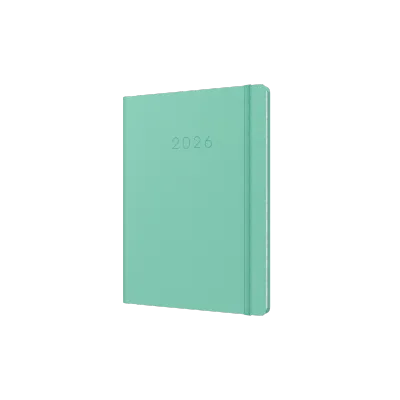
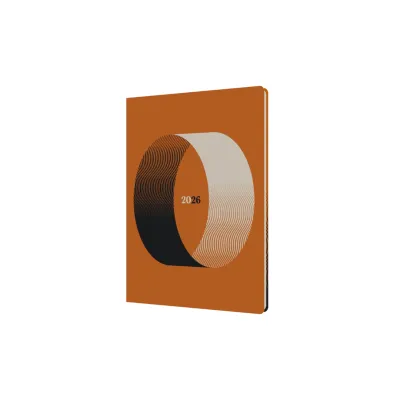
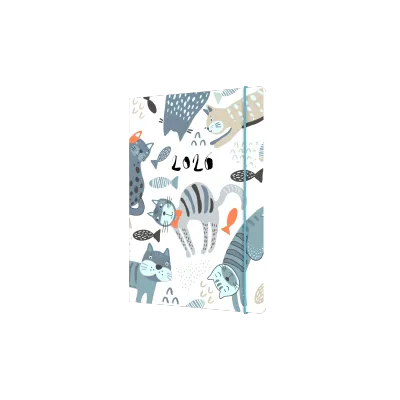
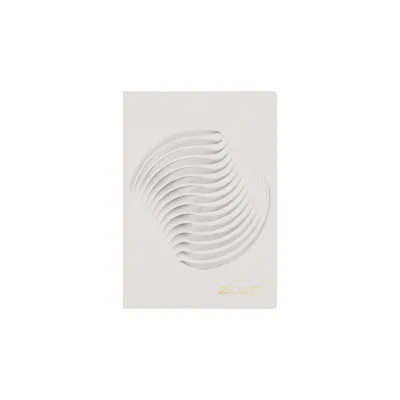
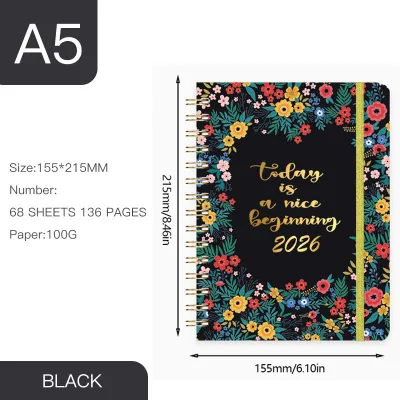
Prices are valid at publication and may change. Please refer to the product page for the latest price.
Binding is another critical factor that determines the daily usability of your planner. Stitched lay-flat binding (often referred to as Smyth sewn binding) is the gold standard for desk-bound writing, as it allows the planner to open completely flat without requiring you to hold down the pages. Spiral or wire-o binding offers the flexibility to fold the planner completely back on itself to save desk space, though the metal coils can sometimes interfere with your hand placement when writing near the margins.
Layout structures generally fall into daily, weekly, or undated formats. Daily layouts allocate a full page to each day, which is ideal for detailed hourly scheduling and extensive note-taking. Weekly layouts display a two-page spread for the entire week, making them perfect for high-level project management and tracking appointments. Dotted, grid, or blank layouts are favored by bullet journalers who prefer to design their own custom templates from scratch.
Our evaluation methodology focuses on established stationery brands with a proven track record of manufacturing consistency and paper quality. Because paper performance is highly dependent on the specific combination of pen, nib size, and ink formula, we recommend conducting a small test on an inconspicuous back page before committing to a full year of writing. This guide categorizes the top options by their primary use case to help you make an informed decision for the year 2026.
Best A5 Planner Brands for Daily Scheduling and Productivity
For professionals, students, and busy individuals who rely on their planners to manage tight schedules and task lists, layout efficiency and structural durability are paramount. The following brands excel at providing highly structured environments that facilitate time-blocking, goal setting, and daily organization.

Leuchtturm1917 for Structured Weekly and Daily Planning
Leuchtturm1917 is a highly respected name in professional productivity, offering A5 planners for 2026 that are engineered for meticulous organization. The brand is particularly famous for its Weekly Planner & Notebook format, which presents the days of the week on the left-hand page and a ruled page for notes and task lists on the right. This layout is highly effective for those who need to see their weekly appointments at a glance while maintaining a dedicated space for miscellaneous action items.
In addition to weekly formats, Leuchtturm1917 offers dedicated Daily Planners that allocate a full page to every single day of the year, complete with hourly time slots for precise scheduling. The standard paper used in these planners is 80gsm. This paper is exceptionally smooth and handles standard ballpoint pens, fine gel pens, and pencils beautifully. However, because 80gsm paper is relatively thin, writers who prefer broad fountain pen nibs, wet rollerballs, or dark markers should expect a moderate amount of ghosting on the reverse side of the pages.
When preparing for the 2026 planning cycle, it is important to verify the exact date range of the planner you are purchasing. Leuchtturm1917 produces standard calendar-year planners (running from January to December 2026) as well as academic-year editions (which typically run for 18 months starting in the middle of the preceding year). These planners are widely available through authorized local stationery boutiques and major online marketplaces in Singapore, making them easy to source.
Built for the rigors of daily commuting, Leuchtturm1917 planners feature a durable hardcover or a flexible softcover, dual ribbon page markers, an elastic closure band, and an expandable gusset pocket inside the back cover. The thread-bound spine ensures the planner lies completely flat on your desk, allowing you to write comfortably from margin to margin without fighting the binding.
Hobonichi Techo for High-Density Daily Pages
For users who require a dedicated page for every single day but want to avoid carrying a massive, heavy book, the Hobonichi Techo Cousin (the A5 version of this famous Japanese planner) is an exceptional option. The Cousin manages to fit a full year of daily pages, weekly vertical columns, and monthly calendars into a remarkably slim profile. This is achieved by using ultra-thin, lightweight Tomoe River paper (specifically the Sanzen Tomoe River S paper in current editions).
This specialized paper is highly regarded in the stationery community because, despite its thinness (typically around 52gsm), it possesses a unique coating that prevents inks from bleeding through to the other side. The daily pages feature a subtle 3.7mm grid printed in soft, muted colors that change from month to month. This grid provides a highly flexible framework that accommodates structured hourly scheduling, free-form writing, sketching, or habit tracking.
The Hobonichi Techo Cousin is sold as a “book-only” insert, meaning you will need to purchase a separate protective cover to safeguard the delicate paper spine during daily transit. When planning your purchase for 2026, keep in mind that the official Hobonichi brand store and authorized importers in Singapore typically launch the new autumn collection in the preceding September. Always double-check that any cover you buy is explicitly designed to fit the A5 Cousin size.
While Tomoe River paper is highly resistant to physical bleed-through, its coated surface means that wet inks, gel pens, and fountain pen inks will take significantly longer to dry. To prevent smudging when you close your planner, it is wise to keep a sheet of blotting paper handy. Additionally, the thinness of the paper means that heavy-handed writing will leave physical indentations on the page, and there will be a noticeable amount of visual ghosting, which some users find distracting.
Best A5 Planner Brands for Creative Journaling and Bullet Journaling
If your planning process involves artistic expression, scrapbooking, watercolors, or custom layouts, standard scheduling planners can feel restrictive. The following brands prioritize paper thickness and open-ended canvases, giving you the freedom to create custom spreads for 2026.
Archer & Olive for Heavyweight Mixed Media Journaling
Archer & Olive is a premier choice for bullet journalers and artists who refuse to compromise on paper thickness. Their A5 planners and notebooks are equipped with ultra-thick 160gsm paper, which is essentially lightweight cardstock. This heavyweight paper is designed to handle heavy ink saturation, watercolor washes, brush pens, gel pens, and even light acrylic paint without any ghosting or bleeding through to the reverse side.
These notebooks are primarily offered in dotted, blank, or grid layouts, providing an open canvas for those who prefer to build their own custom 2026 planning structures, habit trackers, and mood boards. The pure white or crisp kraft paper options allow vibrant ink colors to pop, and the robust Smyth sewn binding ensures that the book opens completely flat, allowing you to paint or draw across a seamless two-page spread.
However, the exceptional thickness of the 160gsm paper introduces a significant physical trade-off. An Archer & Olive notebook typically contains around 160 pages, which is less than half the page count of a standard daily planner. Despite having fewer pages, the physical book is substantially thicker and heavier than standard notebooks. If you commute daily in Singapore, you must consider whether the added weight in your bag is practical for your lifestyle.
When purchasing Archer & Olive products, it is highly recommended to buy from authorized local distributors or check shipping policies carefully if ordering directly from the official international online store. Because these notebooks are heavy, international freight costs can be high, and shipping times to Singapore can take several weeks during peak launch seasons.
Midori MD for Minimalist and Fountain Pen Friendly Canvas
Midori MD is a Japanese brand that celebrates the pure, tactile joy of writing. Their paper is famous among fountain pen enthusiasts for its unique texture, which offers a slight “tooth” or feedback when writing, rather than being completely slick. This paper handles fountain pen inks exceptionally well, beautifully showcasing ink shading, sheening, and shimmer characteristics without feathering or bleeding.
The design philosophy of Midori MD is ultra-minimalist. The notebooks feature an exposed cheesecloth spine with a simple paper wrap, leaving the binding threads visible. They do not contain pre-printed dates, which means they function as undated canvases. This is ideal for those who want to design a custom 2026 bullet journal or daily log without being bound to a rigid pre-printed calendar.
Because these notebooks are undated, you must be willing to invest the upfront time required to manually draw or write in your own monthly calendars and weekly structures. If you prefer a ready-to-use planner that requires zero setup, this minimalist approach may not suit your needs. However, for those who enjoy the ritual of setting up their own pages, it offers unparalleled freedom.
The exposed thread binding allows the notebook to lie perfectly flat on any writing surface. Because the cream-colored paper cover is delicate and prone to staining, it is highly recommended to purchase a separate Midori MD clear plastic cover or a reusable leather cover to protect your planner from dirt and moisture during your daily commute. These covers and notebooks are widely available at major stationery stores and Japanese lifestyle retailers across Singapore.
Quick Comparison: A5 Planner Brands by Planning Style
The following table summarizes the key characteristics of the recommended A5 planner brands to help you identify the best match for your writing tools and organizational needs.
| Brand | Best For | Paper Weight & Type | Layout Style | Key Limitation |
|---|---|---|---|---|
| Leuchtturm1917 | Structured productivity and professional scheduling | 80gsm (standard wood-free paper) | Weekly or daily dated layouts | 80gsm paper is prone to ghosting with wet inks or broad nibs |
| Hobonichi Techo | High-density daily planning with minimal physical bulk | 52gsm (Sanzen Tomoe River S) | Daily dated pages with a 3.7mm grid | Coated paper requires longer ink drying times; cover must be purchased separately |
| Archer & Olive | Mixed-media art, watercolors, and heavy markers | 160gsm (ultra-thick cardstock) | Dotted, blank, or grid layouts | Notebook is physically heavy and thick with a lower total page count |
| Midori MD | Fountain pen writing and minimalist customization | 80gsm (specialized cream MD paper) | Undated blank, grid, or lined pages | Requires manual layout setup; paper cover requires a separate protective sleeve |
What to Check Before Buying Your 2026 Planner
Before finalizing your purchase of a 2026 A5 planner, there are several practical details you must verify to ensure the product meets your expectations and stands up to daily use.
First, carefully check the exact date range printed on the 2026 edition. Some brands offer academic or mid-year planners that run from July of the preceding year through December of 2026, while others offer standard calendar-year formats (January to December 2026). Purchasing the wrong date range can leave you without planning pages for critical months of the year.
Second, evaluate the cover material and binding durability. If you plan to carry your planner everywhere, a sturdy hardcover or a high-quality reusable cover is essential. In Singapore’s humid climate, synthetic covers, treated leather, or clear plastic sleeves are often easier to maintain than untreated fabric covers, which can absorb moisture from the air and develop spots over time. Always refer to the manufacturer’s care instructions; keeping your planner in a well-ventilated space and wiping synthetic covers with a dry microfiber cloth can prevent premature wear.
Finally, confirm the return policies, warranty conditions, and estimated shipping times when ordering from official brand websites or authorized online retailers, especially for international shipments. Because paper products are heavy, returning an incorrectly ordered size or layout can be expensive. Double-check that you have selected the “A5” size, as it is easily confused with the smaller B6 or A6 dimensions.
Frequently Asked Questions (FAQ)
Can I use a fountain pen in standard 80gsm planners?
Yes, but you must select your pen and ink combination carefully. Standard 80gsm paper can handle fountain pen writing if you use extra-fine or fine nibs paired with dry-flowing inks. However, medium or broad nibs and wet, saturated inks will likely cause feathering (where the ink spreads along the paper fibers) and noticeable ghosting on the reverse side of the page. For an optimal fountain pen experience, look for specialized papers like Midori MD or planners with a paper weight of 100gsm and above.
What is the difference between A5 and B6 planner sizes?
The primary difference is their physical dimensions. An A5 planner measures approximately 148 x 210 mm, offering a generous writing area that is roughly equivalent to half of a standard A4 sheet of paper. A B6 planner is smaller, measuring approximately 125 x 176 mm. While B6 is more compact and slips easily into small bags or pockets, A5 provides significantly more space for detailed daily schedules, side-by-side lists, and creative journaling spreads.
Community discussion
Share your experience or ask a question. Comments are reviewed before publication.