
Finding the ideal 5-ply yarn for your crochet projects in Singapore requires balancing fiber performance, local availability, and the specific demands of our tropical climate. Whether you are crafting structured amigurumi or designing a breathable wearable for air-conditioned spaces, selecting the right brand ensures your stitches remain clean, defined, and durable over time. By focusing on established brands like Scheepjes, YarnArt, and premium cotton blends found in local boutiques, you can avoid common pitfalls like splitting and color bleeding.
To make an informed purchase, you must understand how to evaluate yarn construction, verify fiber behaviors under local conditions, and navigate Singapore’s retail landscape. This guide provides a comprehensive framework to help you assess 5-ply yarn quality, match materials to your specific crochet applications, and perform essential pre-purchase checks.
Understanding 5-Ply Yarn for Crochet Projects
To choose the right material, you must first clarify what 5-ply yarn actually represents. In traditional yarn weight terminology—predominantly used in Australia, New Zealand, and the United Kingdom—the term “ply” refers to a specific weight category rather than just the physical number of strands twisted together. A standard 5-ply yarn generally falls into the “Sport” weight category, which is classified as Category 2 (Fine) under the standardized system of the Craft Yarn Council. It occupies a practical middle ground, being slightly thicker than 4-ply (fingering weight) but finer than 8-ply (double knitting or DK weight).
Products mentioned in this guide
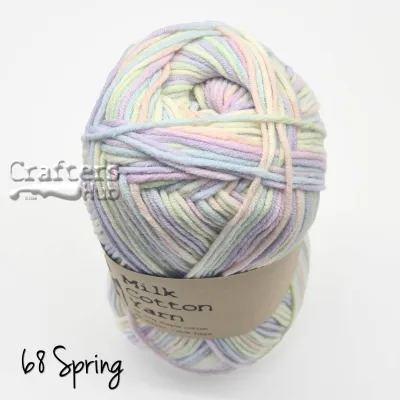
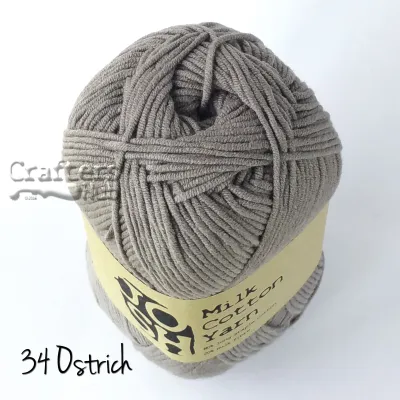
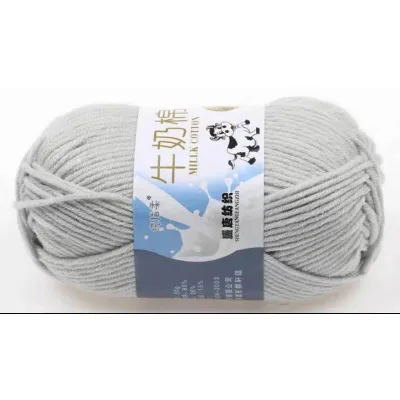
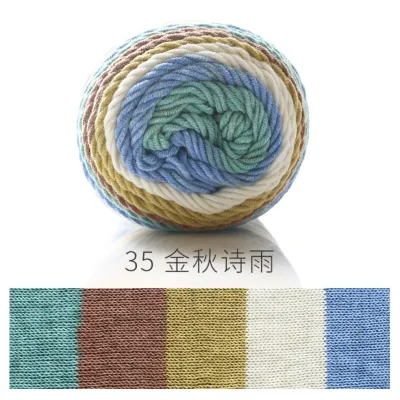
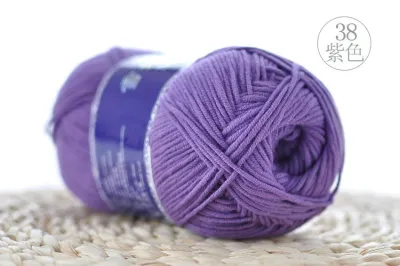
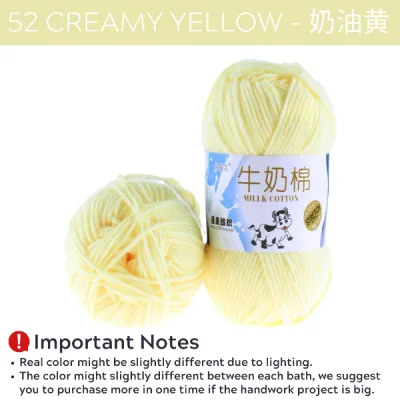
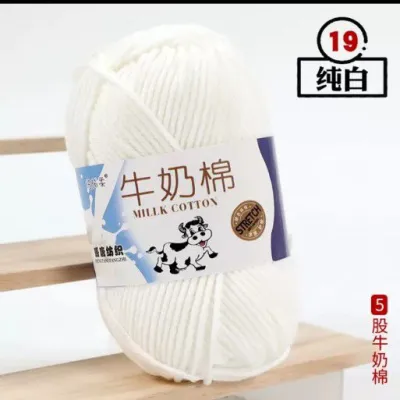
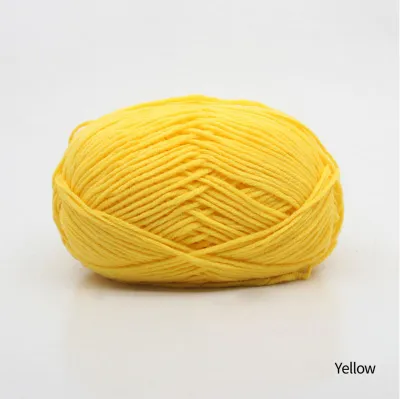
Prices are valid at publication and may change. Please refer to the product page for the latest price.
This specific thickness is highly favored by crochet enthusiasts because of its structural characteristics. A typical 5-ply construction consists of multiple fine strands spun together to form a rounded, plump thread. This rounded profile is excellent for crochet because it provides exceptional stitch definition. When you work textured stitches such as post stitches, cables, or popcorns, a 5-ply yarn allows these details to stand out sharply without becoming overly bulky or heavy.
At the same time, 5-ply yarn offers a highly desirable balance between structural integrity and fabric drape. Because the yarn is relatively lightweight, the resulting crocheted fabric remains flexible and comfortable, making it versatile enough for both delicate, detailed work and larger, flowing items. Understanding this weight standard is essential when sourcing yarn in Singapore, as imported brands may label their products as “Sport,” “Fine,” or “5-Ply” interchangeably depending on their country of origin.
Key Quality Indicators When Evaluating Yarn Brands
When searching for high-quality yarn, you should rely on objective physical characteristics and manufacturer specifications rather than subjective marketing claims. The first indicator of quality is fiber composition, which directly dictates how the yarn behaves during crafting and after washing. For Singapore’s humid climate, natural fibers like cotton and bamboo, or high-grade synthetic blends, are highly practical. Premium brands clearly state the exact fiber percentages on their labels, allowing you to choose between the crisp structure of pure cotton, the silky drape of bamboo, or the elasticity of premium acrylic.

Twist consistency is another critical factor that separates superior yarn brands from lower-quality alternatives. Examine the yarn closely to observe how tightly and evenly the individual plies are spun. A high-quality 5-ply yarn features a balanced, consistent twist along its entire length. If the twist is too loose, the yarn is highly prone to splitting, which occurs when your crochet hook slips between the plies rather than capturing the entire strand. Conversely, an overly tight twist can cause the yarn to kink and curl on itself, making it difficult to maintain even tension.
Colorfastness and dye quality are equally vital, particularly if your project combines contrasting light and dark shades. Reputable manufacturers use advanced dyeing processes that chemically bond the pigments to the fibers, ensuring the colors remain vibrant and do not bleed when washed. When evaluating a brand, check the yarn band for a dye lot number. Consistent dye lots guarantee that every skein of a specific color matches perfectly, preventing visible color block variations across your finished project.
Finally, assess the texture and uniformity of the strand. Run a short length of yarn between your fingers to check for slubs, knots, or unexpected variations in thickness. A premium yarn maintains a uniform diameter throughout the entire skein, which is essential for achieving neat, even stitches. While budget-friendly, unbranded yarns can occasionally be useful for practice, established brands maintain strict quality control standards that minimize factory knots and structural defects.
Sourcing Reliable Yarn Brands in Singapore
Sourcing 5-ply yarn in Singapore involves navigating a mix of physical retail shops, specialized independent boutiques, and online platforms. Physical shopping offers the distinct advantage of tactile evaluation, allowing you to feel the texture, stiffness, and softness of the yarn before committing to a purchase. Specialized yarn boutiques, often located in central districts or heritage areas like Chinatown, typically curate premium European and Japanese brands such as Scheepjes, Rowan, or Hamanaka. These shops are excellent resources for high-quality natural fibers and unique blends.
For mass-market options, large craft retailers located in major shopping malls offer a broad selection of utility yarns. These stores frequently stock house brands and widely distributed labels that are ideal for everyday projects, blankets, and school crafts. While their selection of specialized 5-ply sport-weight yarns may vary seasonally, they provide a reliable source for basic acrylics and cotton blends.
Online marketplaces and local e-commerce platforms provide access to a global array of brands that may not be carried in physical stores, such as Paintbox Yarns, YarnArt, or Alize. These platforms are particularly useful for purchasing popular 5-ply cotton-acrylic blends (often referred to as milk cotton) in bulk. However, when shopping online, you must take extra precautions to verify seller authenticity. Look for highly rated sellers who specialize specifically in needlecrafts, and carefully read customer reviews to check for photos of the actual product packaging and yarn bands.
To ensure a successful project, always calculate your total yarn requirements before purchasing. Because dye lots can vary significantly between production runs, buying all your required skeins at the same time is the only way to guarantee color consistency. If you are purchasing online, contact the seller directly to request that all skeins of a single color be selected from the same dye lot. If a local boutique is temporarily out of stock, inquire if they can place a special order for matching dye lots from their distributor.
Matching Yarn Properties to Specific Crochet Applications
No single yarn brand or fiber type is perfect for every type of crochet work. To achieve the best results, you must match the physical properties of the yarn—such as fiber content, elasticity, and finish—to the functional requirements of your finished item. A yarn that excels at holding the rigid shape of a toy may perform poorly when used for a lightweight, flowing summer top.
Amigurumi and Structured Toys
When crocheting three-dimensional toys and amigurumi, structural integrity and stitch clarity are your primary concerns. For these projects, you should prioritize 100% cotton or high-twist cotton-acrylic blends. Cotton fibers possess very little natural elasticity, which prevents the crocheted fabric from stretching out of shape when stuffed firmly with polyester fiberfill. This lack of stretch ensures that the stuffing remains completely hidden inside the toy, preserving a clean and professional appearance.
Additionally, high-twist cotton yarns provide the crisp stitch definition necessary to highlight intricate facial details and shaping. When crafting items intended for infants or young children, safety is paramount. Always check the manufacturer’s label to verify that the yarn complies with international safety standards, such as the OEKO-TEX Standard 100 certification, which guarantees the absence of harmful chemical residues. Colorfastness is also critical for toys, as they must withstand frequent washing and handling without color transfer.
Garments and Wearable Accessories
For crocheted clothing, shawls, and wearable accessories, your priorities shift toward drape, breathability, and next-to-skin softness. Singapore’s warm and humid weather makes heavy, dense fabrics uncomfortable for outdoor wear. However, because indoor spaces like offices, theaters, and malls are often heavily air-conditioned, lightweight 5-ply garments provide the perfect level of transitional warmth. Excellent fiber choices for these applications include bamboo blends, mercerized cotton, and superwash merino wool.
Bamboo fibers add a beautiful, silky sheen and a fluid drape that conforms naturally to the body, while cotton provides structure and breathability. If you prefer synthetic fibers, look for premium, low-pill acrylics that mimic the softness of natural wool without the risk of irritation. Always check the care labels on the yarn band to understand the maintenance requirements of your garment. For everyday wear, choose machine-washable yarns that can withstand regular laundering without shrinking, felting, or losing their shape.
Pre-Purchase Testing and Care Verification
Before launching into a large crochet project, executing a few simple verification steps can save you significant time and material. The most critical step is crocheting a gauge swatch, typically a square measuring at least 10 by 10 centimeters. Working a swatch allows you to observe firsthand how the yarn behaves with your chosen hook size and personal tension. It helps you verify if the hook tip easily splits the plies, which indicates whether you need to adjust your technique or switch to a hook with a different throat profile.
Your gauge swatch also reveals the true drape and density of the finished fabric. If the swatch feels too stiff and cardboard-like, try repeating the test with a larger hook size to open up the stitches. If the fabric is too loose and lacks structure, scale down to a smaller hook. Once your swatch is complete, measure the stitch and row count, then wash and dry the swatch according to the manufacturer’s instructions. Comparing the pre-washed and post-washed measurements will show you exactly how much the yarn shrinks or stretches, which is vital for garment fitting.
To prevent ruinous color disasters in multi-colored designs, perform a simple color bleeding test before starting your project. Cut a short length of the dark yarn, wet it thoroughly with lukewarm water, and press it firmly between two layers of clean white paper towel or scrap white cotton fabric. Place a heavy book on top and leave it to dry completely. If any pigment transfers to the white material, the yarn is prone to bleeding. In this case, you should avoid pairing it with light colors, or you must pre-wash the skeins using a commercial color-fixative sheet.
Finally, establish a clear care routine based strictly on the manufacturer’s care symbols printed on the yarn band. Synthetic fibers like acrylic are highly sensitive to heat; ironing or exposing them to high dryer temperatures can permanently damage the plastic fibers, a process known as “killing” the acrylic, which ruins its elasticity and structure. Conversely, non-superwash wools will felt and shrink dramatically if exposed to hot water and agitation. By verifying these care parameters early, you ensure your handcrafted items remain beautiful for years to come.
Frequently Asked Questions (FAQ)
Is 5-ply yarn the same as DK or sport weight?
No, 5-ply yarn is not exactly the same as DK weight, though regional terminology can sometimes cause confusion. Traditionally, 5-ply yarn is classified as a Sport weight (Category 2, Fine), which is slightly thinner than a standard 8-ply DK weight (Category 3, Light). However, because there is no universal global standard, some manufacturers produce 5-ply yarns that run thick and behave similarly to a light DK. To ensure compatibility with your pattern, always check the recommended stitch gauge and yardage-to-weight ratio printed on the yarn band rather than relying solely on the ply number.
How can I prevent 5-ply yarn from splitting while crocheting?
To prevent 5-ply yarn from splitting, choose a crochet hook with a slightly rounded or tapered head rather than a sharp, pointed tip, as rounded heads glide more smoothly over multi-ply structures without piercing individual strands. Maintain a relaxed, consistent hand tension, as excessive tightness can force the plies to untwist and separate. Additionally, ensure that you are inserting your hook completely into the center of the stitch space rather than skimming the surface of the yarn, which helps keep all five plies securely grouped together on the hook shaft.
What hook size is generally recommended for 5-ply yarn?
For a standard 5-ply yarn, manufacturers generally recommend using a crochet hook size between 3.0 mm and 4.0 mm. The ideal size depends heavily on your specific project and personal tension. If you are crocheting structured, dense items like amigurumi, you should scale down to a 2.5 mm or 3.0 mm hook to keep the stitches tight and prevent stuffing from showing. For garments and accessories where drape and flexibility are desired, scale up to a 3.5 mm, 4.0 mm, or even a 4.5 mm hook to create a softer, more open fabric.
Community discussion
Share your experience or ask a question. Comments are reviewed before publication.