
A clean, distraction-free desk setup is essential for maintaining focus, whether you are working from a compact study corner in a Singapore HDB flat or a dedicated office space in the Downtown Core. When desk space is limited, vertical and hidden surfaces become valuable real estate for organization. Using a high-quality magnet 3m solution allows you to transition items off your primary desktop and onto under-utilised areas like metal desk frames, monitor stands, or wall panels. This approach keeps your essential tools within arm’s reach while preserving precious workspace for your keyboard, mouse, and documents.
Integrating magnetic accessories into your desk setup offers a level of flexibility that traditional drawer organizers and desktop trays cannot match. Instead of drilling permanent holes into your furniture or walls, adhesive-backed magnetic products provide a damage-free way to mount cables, headphones, and writing instruments. By understanding the specific strengths and limits of different magnetic formats, you can design a highly customized, modular organization system that adapts to your daily workflow.
Key Factors to Check Before Buying 3M Magnetic Organizers
Before purchasing any adhesive-backed magnetic organizer, you must understand the distinction between the adhesive’s holding power and the magnet’s pull force. A common mistake is assuming that a strong magnet will automatically hold heavy items on any surface. In reality, the overall weight capacity is governed by the weakest link: if the adhesive cannot bond securely to your desk, or if the magnetic pull is too weak to hold the object, the system will fail. Always verify the manufacturer’s specified weight limits on the product packaging rather than estimating the capacity yourself.
Products mentioned in this guide
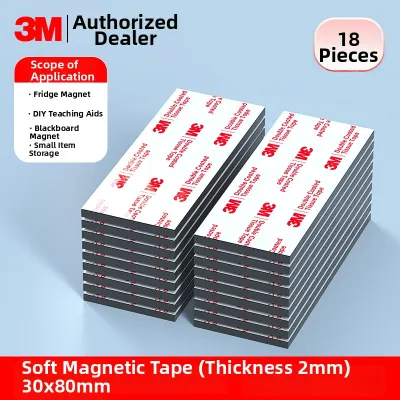
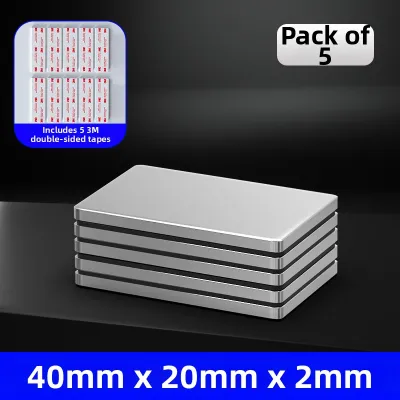
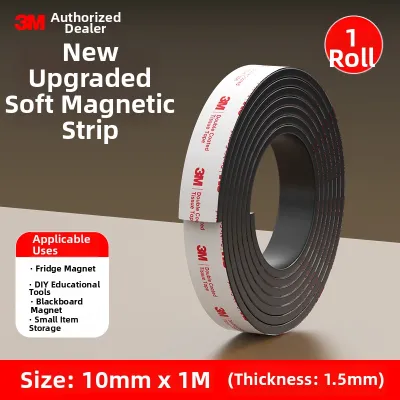
Prices are valid at publication and may change. Please refer to the product page for the latest price.
Surface compatibility is another critical element that dictates the success of your setup. 3M adhesives perform exceptionally well on smooth, non-porous surfaces such as painted wood, sealed laminates, glass, and finished metals. However, they are generally unsuitable for unfinished wood, heavily textured wallpaper, brick, or delicate veneers that can peel away under tension. In Singapore’s warm and humid climate, moisture can also interfere with adhesive bonding during the initial application phase, making it vital to choose the correct adhesive variant designed for your specific environmental conditions and surface material.
The underlying adhesive technology used in these products often features damage-free removal mechanisms, such as stretch-release strips. These strips are engineered to hold strong during vertical shear stress but release cleanly when stretched parallel to the surface. It is essential to select the right adhesive strip variant—such as water-resistant strips for humid home offices or heavy-duty mounting tapes for permanent fixtures—to ensure long-term stability.
Finally, keep in mind the physical limitations of standard desk magnets. These consumer-grade magnetic organizers are optimized for light to medium-duty applications, such as holding pens, cables, and small hand tools. They are not designed to support structural loads, heavy computer monitors, or expensive, fragile electronics. Attempting to use standard magnetic tape or small dots to mount heavy hardware can result in costly damage to your equipment and your desk surface.
3M Magnetic Hooks: Best for Cables, Headphones, and Tools
Magnetic hooks are the ideal solution for organizing three-dimensional, bulky items that otherwise clutter your desktop. If your desk features a steel frame, metal legs, or an adjacent magnetic whiteboard, these hooks can be positioned instantly without any adhesive. They are particularly effective for hanging bundled charging cables, wired or wireless headphones, scissors, tape dispensers, and small tools. By utilizing the vertical planes of your desk legs or the sides of a metal filing cabinet, you keep these larger items completely off your main work surface.

When choosing magnetic hooks, pay close attention to the design variations available. Standard fixed hooks work well for items with simple hanging loops, but swivel designs offer significantly more utility for awkwardly shaped objects. A swivel hook can rotate and swing, allowing a wide headphone headband or a thick bundle of cables to hang naturally without twisting or pulling the magnet away from the surface. For heavier accessories, heavy-duty magnetic hooks with larger surface areas provide the extra magnetic pull required to prevent slipping.
Strategic placement of these hooks can dramatically improve your workspace ergonomics. Placing hooks on the inner side of your desk legs keeps cables and headphones hidden from view while keeping them easily accessible. Alternatively, mounting a hook on the side of a metal monitor stand allows you to hang your daily-use keys or work lanyard right at eye level. This placement strategy ensures that your most-used tools are organized systematically according to how frequently you reach for them.
However, you must remain mindful of the physical limitations and potential hazards of magnetic hooks. If a magnet is placed on a vertical metal surface, gravity exerts downward shear force; if the weight of the hung item exceeds the sliding resistance of the magnet, it will slide down the surface. Furthermore, the thickness of the receiving metal surface directly impacts magnetic grip. Thin sheet metal, such as that found on cheap whiteboard backings or lightweight organizers, does not allow the magnet to achieve its full holding power, whereas thick structural steel legs provide a much stronger hold.
3M Magnetic Strips and Tape: Best for Notes and Visual Planning
For flat, lightweight items and visual planning tools, magnetic strips and flexible magnetic tape offer unmatched versatility. This format is highly recommended for securing paper-based items such as printed weekly schedules, calendar sheets, reference lists, and photos directly to magnetic whiteboards or the metal frame of your desk. Instead of using messy sticky notes that lose their adhesive over time, you can use magnetic strips to create a clean, reusable kanban board or visual project tracker on any receptive surface.
One of the primary benefits of magnetic tape is its ease of customization. You can easily cut the flexible tape to your desired length using standard kitchen or stationery scissors, making it simple to match the exact dimensions of the item you want to mount. To make a non-magnetic item receptive to a metal surface, simply peel the backing off a strip of magnetic tape, adhere it to the back of the item (such as a plastic ruler or a lightweight pen holder), and place it on your metal board. Conversely, you can apply the tape to a non-magnetic wall or wooden shelf to create a magnetic landing strip for small metal items.
Successful application of magnetic tape relies heavily on proper adhesive contact. The adhesive backing requires a completely flat, clean, and dust-free surface to establish a secure bond. It is also important to note that flexible magnetic tape, which is made of a composite of magnetic powder and polymer binder, inherently possesses a weaker magnetic pull compared to solid, rigid magnets. It is designed to hold its own weight and very light attachments, rather than supporting heavy objects.
Consequently, you should avoid using flexible magnetic tape for thick stacks of paper, heavy cardboard folders, or metal tools with minimal surface area. The tape requires continuous, direct contact with a flat, magnetically receptive surface to function effectively. If there is even a slight gap or curve between the tape and the metal surface, the magnetic attraction drops off sharply, causing the mounted item to fall.
3M Magnetic Dots and Fasteners: Best for Hidden Desk Storage
When you want to maintain a completely minimalist aesthetic, magnetic dots and small fasteners are the perfect tools for creating hidden desk storage. These low-profile organizers are designed to be virtually invisible, allowing you to mount items underneath your desktop or behind your monitor. They are highly effective for under-desk cable management—such as securing small metal cable clips that keep your phone charger from falling to the floor—and for storing micro-items like tweezers, paperclips, or small hex keys used for monitor adjustments.
The primary advantage of magnetic dots is their incredibly low profile. Unlike bulky hooks or long magnetic strips, these small circular magnets sit flush against the underside or side of your desk. This discreet design prevents you from accidentally snagging your knees or clothing on them when sitting down or moving around your workspace. It allows you to maintain a clean, uncluttered desktop while keeping essential maintenance tools hidden but instantly accessible.
To achieve the maximum holding power with magnetic dots, they often need to be paired strategically. Because of their small surface area, they work best when paired with a matching metal strike plate or another magnetic dot of opposite polarity. When mounting an item, ensure that the magnetic poles are aligned correctly; if the poles are misaligned, they will repel each other or slide out of alignment, weakening the hold. Marking the back of the dots before adhering them can help you avoid polarity mistakes during installation.
You must also respect the strict weight limitations associated with these small fasteners. The compact surface area of a magnetic dot means both its adhesive contact zone and its magnetic field are highly concentrated and limited. They are strictly intended for micro-items and lightweight accessories. Do not attempt to use them to secure heavy power strips, thick cable bundles, or heavy metal tools, as the localized stress will cause either the adhesive to peel off or the magnetic bond to snap instantly.
Quick Comparison: Choosing the Right 3M Magnetic Format
To help you select the most effective magnetic format for your specific workspace challenges, the table below outlines the core characteristics, ideal applications, and physical constraints of each option.
| Product Format | Best Use Case | Profile/Visibility | Surface Requirements | Key Limitation |
|---|---|---|---|---|
| Magnetic Hooks | Hanging headphones, bundled cables, and scissors | High visibility; protrudes from surface | Flat metal surfaces or thick steel frames | Subject to sliding if overloaded on vertical planes |
| Magnetic Strips & Tape | Securing notes, schedules, and lightweight tools | Low-to-medium profile; flat appearance | Clean, flat surfaces; continuous metal contact | Weak magnetic pull; unsuitable for thick or heavy items |
| Magnetic Dots & Fasteners | Under-desk cable routing and micro-tool storage | Very low profile; virtually invisible | Smooth, non-porous surfaces; precise alignment | Small surface area limits holding capacity to micro-items |
For a truly comprehensive and organized desk setup, consider mixing and matching these formats rather than relying on just one. For example, you can mount heavy-duty magnetic hooks on your desk’s steel legs to support your daily headphones, run flexible magnetic tape along your monitor stand to hold quick reference notes, and use discreet magnetic dots underneath the desk surface to route charging cables cleanly out of sight.
Safe Installation and Damage-Free Removal Guide
Proper installation is key to ensuring that your magnetic organizers remain securely in place without damaging your furniture. Begin by thoroughly cleaning the application area with isopropyl alcohol (rubbing alcohol) and allowing it to dry completely. Avoid using household glass cleaners, multi-purpose sprays, or wet wipes, as these products often leave behind a thin chemical residue that prevents the adhesive from forming a strong molecular bond with the surface.
Once the surface is clean and dry, apply the adhesive-backed magnet using the proper press-and-hold technique. Press the adhesive firmly against the surface with your thumb or palm for at least 30 seconds to activate the pressure-sensitive adhesive. After pressing, it is absolutely critical to wait at least one hour—or up to 24 hours for heavy-duty mounting tapes—before hanging any items or applying magnetic loads. This waiting period allows the adhesive to cure and establish a maximum bond with the surface.
When it comes time to reconfigure your desk setup or move to a new office, removing the adhesive-backed magnets safely requires patience. For products utilizing stretch-release adhesive strips, locate the exposed pull tab. Grasp the tab firmly and slowly stretch the strip straight down, keeping your hand parallel to the wall or desk surface. Avoid pulling the strip outward or at an angle, as this uneven tension can tear the strip or pull off paint, laminate, or wood veneer.
If an adhesive strip breaks during the removal process, do not attempt to pry the magnet off with a sharp tool, which can gouge your desk. Instead, use a household hairdryer set to low heat to gently warm the adhesive backing for 20 to 30 seconds. The heat will soften the adhesive polymers, allowing you to gently roll the remaining adhesive off the surface with your fingers or a plastic scraper without leaving scratches or sticky residue.
Frequently Asked Questions (FAQ)
Can I use 3M magnetic products on a glass desk?
While the adhesive backing of 3M products can bond securely to a smooth glass desk surface, the magnetic functionality itself requires a receptive metal surface to work. If your glass desk features a steel or iron frame, you can easily attach magnetic hooks or strips directly to those metal parts. If you wish to use magnetic accessories on the glass surface itself, they will only function if you pair them with a metal strike plate or another magnet mounted directly on the opposite side of the glass. However, this is rarely practical for thick tempered glass, as the distance between the two magnets significantly weakens the magnetic pull.
Will the magnets damage my electronic devices or hard drives?
Standard consumer-grade magnets used for desk organization are generally safe around modern electronic devices such as solid-state drives (SSDs), LCD monitors, smartphones, and tablets, which do not rely on magnetic fields to store data or function. However, you must keep all magnets away from older mechanical hard drives (HDDs), magnetic stripe cards (such as credit cards or transit cards), and highly sensitive audio equipment. Strong magnetic fields can corrupt data stored on magnetic storage media or cause interference with sensitive analog components, so it is best to maintain a safe distance of at least 10 centimeters between your magnets and these specific items.
How do I clean the magnetic surface if it attracts metal dust?
Because magnets naturally attract fine metal particles and dust over time, they can begin to look dirty or even scratch adjacent surfaces if not cleaned regularly. To clean the magnetic surface safely, use a piece of standard masking tape or a lint roller to lift away any clinging metal shavings and dust particles without scratching the magnet. Alternatively, you can wipe the surface with a dry, soft microfiber cloth. Avoid using wet chemical cleaners or running water directly over the magnet unless the manufacturer explicitly states it is water-resistant, as moisture can lead to rust or degrade the adhesive backing.
Community discussion
Share your experience or ask a question. Comments are reviewed before publication.