
Selecting the right yarn is the defining step for any delicate knitting project. For knitters in Singapore, where the tropical climate demands breathable, lightweight fabrics, choosing a high-quality 2 ply yarn is essential for creating comfortable garments and intricate lace shawls. Brands like Malabrigo, Isager, Jamieson & Smith, and Drops offer exceptional consistency, structural integrity, and fiber quality, making them standout choices for fine hand-knitting.
Achieving a professional finish in lace or lightweight items requires an understanding of how 2-ply structures behave under tension and after washing. By evaluating fiber blends, twist styles, and sourcing channels, you can ensure your delicate projects maintain their shape, drape, and beauty for years to come.
What Makes 2-Ply Yarn Ideal for Delicate Knitting?
The term “2-ply” refers to a yarn constructed by twisting two individual single strands of spun fiber together. This construction differs fundamentally from single-ply yarns, which lack structural twist and tend to pill easily, and from 3-ply or 4-ply yarns, which form a rounder, denser strand. The two-strand interaction creates a flatter, more ribbon-like profile that is uniquely suited for openwork and delicate textures.
Products mentioned in this guide
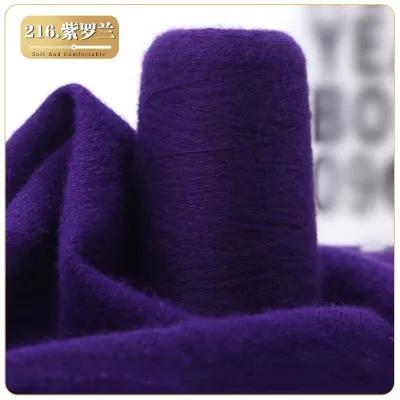
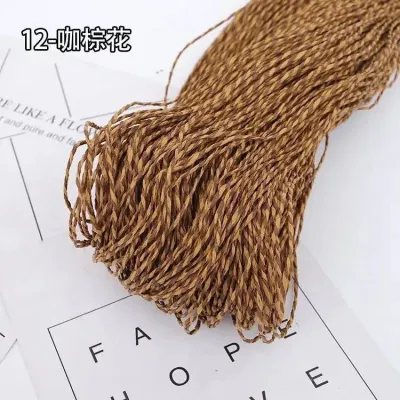
Prices are valid at publication and may change. Please refer to the product page for the latest price.
This flat profile plays a critical role in stitch definition and drape. Because a 2-ply strand is not perfectly round, it allows knitted stitches to lie flat against one another, producing a fabric with exceptional lateral drape. The balance between the twist of the individual plies and the ply-twist (the direction the two strands are twisted together) determines how much the yarn will bloom. A moderate twist allows the fibers to relax and expand, creating a soft, cohesive fabric with a delicate halo that fills the spaces between stitches without obscuring them.
For lace knitting, 2-ply construction is widely considered the gold standard. When wet-blocked, the tension within the twisted strands relaxes, causing the yarn to bloom and open up beautifully. This expansion fills the negative space of eyelets and yarn-overs, locking the lace motifs into place and preventing the holes from collapsing. The result is a highly defined, stable, and airy fabric that showcases complex stitch patterns with maximum clarity.
Lightweight garments also benefit from the structural properties of 2-ply construction. It provides the necessary tensile strength to prevent fine sweaters and cardigans from sagging under their own weight, while keeping the overall fabric thin enough to wear comfortably in warm climates. This balance of strength and lightness is difficult to replicate with heavier yarn weights or single-ply structures.
How to Evaluate 2-Ply Yarn Quality and Consistency
Fiber Content Analysis
Choosing the right fiber blend is the first step in ensuring your project suits both your design and your local climate. Animal fibers like fine merino wool, baby alpaca, and silk are excellent for delicate projects due to their natural elasticity and drape. Merino wool offers superb memory, helping garments hold their shape, while alpaca provides a luxurious, silky halo. Silk adds tensile strength, a subtle sheen, and a cooling hand-feel that is highly desirable in humid environments.

Plant fibers such as cotton and linen, or synthetic blends containing nylon, offer alternative benefits. Linen and cotton are exceptionally breathable, making them perfect for Singapore’s weather, though they lack the natural elasticity of wool and can be harder on the hands during long knitting sessions. Nylon blends, often found in sock yarns, add essential durability and friction resistance to lightweight everyday garments.
Checking the Twist
Before committing to a purchase, visually and physically examine the yarn’s twist. An over-spun yarn has too much twist tension, which causes the yarn to kink up on itself and can force your finished knitted fabric to bias, or slant diagonally. You can test this by pulling a loop of yarn from the skein; if it immediately twists tightly around itself like a telephone cord, it may be over-spun.
Conversely, an under-spun yarn will feel incredibly soft but will split easily during knitting and pill rapidly with wear. Look for a consistent, even twist along the entire length of the strand. Any sudden thick-and-thin sections in a mill-spun yarn indicate poor quality control, which will result in an uneven fabric texture and weak points in your delicate lace.
Dye Lot Consistency
Delicate garments and large lace shawls require multiple skeins of yarn, making dye lot consistency critical. Even subtle variations in dye batches can create visible, horizontal lines across your finished fabric, known as banding. Always check the paper band on each skein to verify that the dye lot numbers match perfectly.
If you are working with hand-dyed 2-ply yarns, where matching dye lots do not exist, purchase all necessary skeins at the same time to ensure they were dyed in the same batch. To minimize the risk of color banding with hand-dyed options, alternate between two skeins every two rows, carrying the unused yarn up the side of your work.
Yardage and Weight Ratios
To ensure your yarn matches the gauge requirements of your pattern, look closely at the relationship between weight and length, typically expressed as meters per gram (m/g). A standard 2-ply lace weight yarn generally yields between 600 and 1000 meters per 100 grams, while a 2-ply fingering weight yarn ranges from 360 to 450 meters per 100 grams.
A higher meter-to-gram ratio indicates a thinner, lighter yarn. If a yarn has a lower ratio (fewer meters per gram), it is denser and heavier, which will affect the drape and overall weight of your delicate project. Always calculate your total yardage needs based on the length specified in your pattern rather than the weight in grams.
The Best 2-Ply Yarn Brands for Fine Knitting
Finding high-quality 2 ply yarn in Singapore requires selecting brands known for rigorous quality control and superb fiber selection. The following curated brands are highly regarded by local and international crafters for their performance in delicate knitting projects.
Best for Intricate Lacework and Shawls
- Malabrigo Lace
- Fiber Blend: 100% Baby Merino Wool
- Recommended Needle Size: 2.0 mm to 3.5 mm (US 0 to 4)
- Ideal Project Type: Intricate lace shawls, lightweight scarves, and delicate stoles.
- Unique Characteristics: This yarn is celebrated for its incredible softness and vibrant, hand-dyed colorways. The baby merino fibers are single-ply-like in softness but are spun as a true 2-ply to provide structural stability. It blooms spectacularly when wet-blocked, filling out lace patterns with a soft, cloud-like halo.
- Limitations: As a hand-dyed yarn, color consistency varies significantly between skeins, requiring alternating rows. The delicate nature of the fine merino means it is prone to friction wear and is not suitable for high-wear garments.
- Isager Alpaca 1
- Fiber Blend: 100% Alpaca
- Recommended Needle Size: 2.0 mm to 3.0 mm (US 0 to 2.5)
- Ideal Project Type: Fine lace shawls, airy summer cardigans, and holding double with other yarns.
- Unique Characteristics: This ultra-fine, 2-ply alpaca yarn is incredibly lightweight yet provides exceptional warmth and drape. It has a smooth, long-staple fiber structure that creates a delicate, elegant halo without shedding excessively. Its high drape makes it perfect for garments that need to flow naturally.
- Limitations: Pure alpaca has no natural memory or elasticity. If knitted at a loose gauge, garments can stretch out of shape over time, meaning it must be worked at a tight gauge or paired with a wool companion thread for structural garments.
Best for Lightweight Everyday Garments
- Jamieson & Smith 2ply Jumper Weight
- Fiber Blend: 100% Real Shetland Wool
- Recommended Needle Size: 2.5 mm to 3.25 mm (US 1.5 to 3)
- Ideal Project Type: Traditional Fair Isle garments, lightweight textured sweaters, and structured cardigans.
- Unique Characteristics: Spun on the Shetland Islands, this heritage yarn is highly robust, sticky, and resilient. The 2-ply construction offers excellent stitch definition for colorwork and textured patterns. It is highly resistant to pilling and holds its shape beautifully over decades of wear.
- Limitations: Shetland wool has a rustic, toothy texture. While it softens significantly after washing, it may feel scratchy against highly sensitive skin, making it better suited for garments worn over a base layer.
Best Accessible and Budget-Friendly Picks
- Drops Lace
- Fiber Blend: 70% Baby Alpaca, 30% Mulberry Silk
- Recommended Needle Size: 3.0 mm to 3.5 mm (US 2.5 to 4)
- Ideal Project Type: Budget-friendly lace shawls, lightweight summer tops, and delicate layering pieces.
- Unique Characteristics: This mill-spun yarn offers premium fiber content at a highly accessible price point. The silk content provides a beautiful sheen and immense tensile strength, while the baby alpaca ensures a soft, luxurious hand-feel. It is produced in large, consistent dye lots, making it easy to color-match.
- Limitations: The yarn is quite slippery due to the high silk content, which can make it challenging to control on slick metal needles. It also has a narrower, more classic color palette compared to artisan hand-dyed brands.
Where to Source Reliable 2-Ply Yarn in Singapore
Sourcing high-quality yarn in Singapore involves choosing retailers that understand the storage requirements of delicate natural fibers. Visiting local specialty yarn stores and boutique craft shops in central areas allows you to physically assess the yarn before buying. Touching the skeins in person helps you evaluate the true softness, the level of halo, and the actual color under natural light, which often differs from digital screens.
For online shopping, dedicated yarn retailer websites and direct brand storefronts are the most reliable options. Many specialized online craft shops ship directly to Singapore, offering access to international brands with guaranteed dye lot matching. When ordering online, look for retailers that provide detailed specifications, including yardage, weight, and clear photos of current dye batches.
Avoid purchasing delicate natural fibers from unverified sellers on general online marketplaces. In Singapore’s tropical climate, high humidity levels (often exceeding 80%) can quickly damage improperly stored yarn. If wool, alpaca, or silk is stored in non-air-conditioned warehouses without moisture control, it can develop mold, musty odors, and weakened fibers that snap easily under tension. Reputable specialty stores store their stock in climate-controlled environments, preserving the integrity of the fibers.
Essential Needles and Care for 2-Ply Delicates
Needle Selection
Working with fine 2-ply yarns requires selecting needles that complement the fiber’s texture. For slippery yarns containing silk, alpaca, or mercerized cotton, use wooden or bamboo needles. These materials provide natural surface friction, giving you better control over your stitches and preventing dropped stitches, which can be difficult to recover in fine lace.
For grabby, rustic yarns like Shetland wool, coated metal needles (such as brass or stainless steel) are ideal. The slick surface allows the rustic fibers to slide effortlessly, reducing hand fatigue and speeding up your knitting. Ensure your needles have sharp, tapered tips, which are essential for executing complex lace decreases like slip-slip-knit (SSK) or double decreases cleanly.
Swatching and Gauge
Skipping the gauge swatch is a critical mistake when working with 2-ply yarns. Because of their lightweight construction and tendency to bloom, these yarns often change dimensions significantly after their first wash. Knit a generous swatch (at least 15 cm by 15 cm) using the stitch pattern of your project.
Measure your stitch and row gauge before washing, then wash and block the swatch exactly as you plan to treat the finished item. Once dry, measure the gauge again. You will often find that the fabric has expanded or relaxed, which will alter your needle choice to achieve the correct final garment dimensions.
Washing and Storage
To clean finished 2-ply items, fill a basin with cool water and a gentle, no-rinse wool wash. Submerge the item and gently squeeze the water through the fibers; never rub, wring, or agitate the fabric, as this can cause wool fibers to felt. Soak the item for 15 to 20 minutes, then lift it out carefully, supporting its entire weight to prevent stretching.
Press the excess water out by rolling the item inside a clean, dry towel. Lay the piece flat on blocking mats, pin it to the correct dimensions using rustproof T-pins, and allow it to dry completely away from direct sunlight. To protect your delicate natural fibers from Singapore’s humidity and pests like clothes moths, store dried items in airtight plastic containers with silica gel packets to absorb any residual moisture.
Frequently Asked Questions (FAQ)
Can I use 2-ply yarn for beginner knitting projects?
While 2-ply yarn produces beautiful, delicate fabrics, it is generally not recommended for absolute beginners. The fine nature of the strand makes it difficult to see individual stitches clearly, which complicates the process of identifying and correcting mistakes. Additionally, fine yarns require smaller needles, which can lead to hand cramping and tension issues for those still developing their muscle memory.
If you are a beginner eager to work with 2-ply construction, start with a thicker 2-ply option, such as a sport or DK weight yarn. These weights offer the same structural benefits and flat stitch profile but are much easier to handle. Once you are comfortable with basic stitch patterns and tension control, you can confidently transition to lace-weight 2-ply projects.
How do I join a new skein of 2-ply yarn without creating bulky knots?
Standard knots are highly visible in delicate lace and lightweight fabrics, disrupting both the visual pattern and the smooth drape of the garment. For animal fibers like merino wool, Shetland wool, and alpaca, the spit splice (or felted join) is the most effective method. This involves untwisting the ends of both the old and new yarn, dampening them, and rubbing them together between your palms to felt the fibers into a single, seamless strand.
For non-felting fibers like silk, cotton, or superwash wool, use the Russian join. Thread the tail of the yarn into a tapestry needle, pass it back through the center of its own plies to create a loop, interlock it with a similar loop from the new yarn, and pull the tails tight. Trim the excess ends closely to create a strong, virtually invisible connection that maintains the consistent thickness of your 2-ply yarn.
Community discussion
Share your experience or ask a question. Comments are reviewed before publication.