
Finding the right 1mm polypropylene yarn in Singapore requires shifting focus from generic brand names to verifiable material specifications. Because polypropylene (PP) is a synthetic polymer with highly specific physical properties, the most reliable brand is simply the one that delivers consistent thickness, structural integrity, and color uniformity for your specific project. Whether you are sourcing from local craft boutiques in Singapore or browsing global online marketplaces, evaluating the yarn’s physical construction is the most reliable way to ensure your crochet, knitting, or macrame projects turn out beautifully.
In Singapore’s humid climate, polypropylene has become a favorite among crafters for making durable, mold-resistant items like market bags, plant hangers, and outdoor accessories. However, because 1mm is an exceptionally fine gauge, low-quality manufacturing can lead to frustrating issues like splitting, uneven thickness, or color bleeding. By understanding what to look for on the label and how to perform simple physical tests, you can confidently select high-quality spools that offer the best value for your budget.
Key Quality Indicators for 1mm Polypropylene Yarn
When evaluating different brands of 1mm polypropylene yarn, the twist and consistency of the plies are the most critical factors to consider. A high-quality yarn features a tight, uniform twist that binds the individual microfilaments into a single, cohesive strand. This structural integrity is essential for 1mm yarn, as loose plies will easily catch on your crochet hook or knitting needles, causing the yarn to split and ruin your stitch definition. When inspecting a spool, look for a smooth, cord-like appearance with a consistent spiral pattern along the entire length.
Products mentioned in this guide
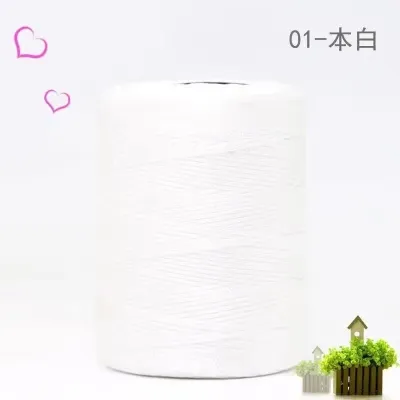
Prices are valid at publication and may change. Please refer to the product page for the latest price.
Material purity is another key indicator of performance and durability. Pure 100% polypropylene yarn offers maximum water resistance, lightweight strength, and resistance to mildew, making it ideal for functional household items. Some manufacturers offer blended yarns that combine polypropylene with polyester or acrylic to create a softer texture. While these blends can be more comfortable to work with, they often compromise the natural stiffness, quick-drying properties, and structural hold of pure polypropylene. Always check the fiber content on the label to ensure it aligns with your project requirements.
Colorfastness and surface finish also vary significantly between brands. Polypropylene is solution-dyed, meaning the pigment is added directly to the polymer melt before the fibers are extruded. This process makes high-quality PP yarn incredibly resistant to UV fading and bleeding. However, lower-grade manufacturing can result in an uneven sheen, patchy coloration, or a waxy residue that increases friction as you work. A premium brand should exhibit a consistent, subtle luster and a smooth, low-friction surface that glides easily through your hands and tools.
Matching Yarn Characteristics to Your Crafting Projects
Selecting the right 1mm polypropylene yarn depends heavily on the specific requirements of your crafting project. For amigurumi and stuffed toys, you need a highly twisted, firm yarn that can maintain its shape under tension. Because amigurumi relies on tight, dense stitches to prevent the internal stuffing from showing through, the yarn must resist stretching. A firm, low-elasticity PP yarn ensures that your finished figures remain structured and durable over time. For a 1mm yarn, pairing it with a 1.5mm to 2.0mm crochet hook will help you achieve the necessary stitch density.

If you are making bags, purses, or market totes, tensile strength and abrasion resistance are your primary concerns. These load-bearing items require a multi-ply 1mm PP yarn that does not elongate significantly when filled with heavy items. The yarn must also withstand constant friction against clothing and rough surfaces without pilling or fraying. When shopping, look for brands that specify high tensile strength or are labeled specifically for bag making and utility crafts, as these are engineered to handle daily wear and tear.
For micro-macrame and knotting projects, the yarn must be flexible enough to form tight, secure knots while remaining smooth enough to slide easily during construction. A slightly stiffer, cord-like PP yarn is ideal for macrame because it provides excellent knot definition and allows you to melt the ends cleanly with a lighter to prevent unraveling. This melting technique is a classic way to secure synthetic fiber knots, but it requires a pure polypropylene composition to melt cleanly without leaving charred, black residue.
It is equally important to recognize where 1mm polypropylene yarn is not suitable. Due to its inherent stiffness, lack of breathability, and zero moisture absorption, PP yarn is a poor choice for wearable garments like sweaters, shawls, or baby blankets. The synthetic fibers can cause skin irritation when worn closely, and the material’s low melting point makes it highly sensitive to heat. For items that require drape, softness, and thermal comfort, natural fibers like cotton, bamboo, or wool remain the superior choice.
How to Evaluate and Verify Yarn Brands Before Purchase
To avoid purchasing substandard yarn, you can use a simple verification workflow whether you are shopping in a physical store in Singapore or ordering from an online marketplace. Start by verifying the label details. A standard 1mm PP yarn should have a consistent weight-to-length ratio, typically yielding around 400 to 500 meters per 100 grams. Ensure the fiber content is clearly stated as 100% polypropylene, and always check that the dye lot numbers match across all the spools you purchase for a single project to avoid noticeable color variations.
If you are able to handle the yarn in person, perform a quick, non-destructive stretch test. Pull a short section of the yarn firmly between your hands; high-quality PP yarn should exhibit very little stretch, holding its shape under tension. Next, perform a friction check by rubbing a small length of the yarn back and forth against itself. If the plies begin to separate, fuzz, or pill immediately, the yarn is loosely twisted and will likely split or fray during your project.
For online purchases where you cannot handle the product beforehand, ordering a single trial spool is a wise strategy. Once it arrives, conduct a simple water soak test to verify dye stability and check for manufacturing residues. Submerge a small sample of the yarn in lukewarm water with a drop of mild detergent, then press it against a white paper towel. While solution-dyed polypropylene rarely bleeds, this test will quickly reveal any excess surface dye or spinning oils that could stain your hands or ruin adjacent colors in a multi-colored project.
Budgeting and Sourcing Strategies for Local and Online Crafters
The price of 1mm polypropylene yarn in Singapore is primarily influenced by the packaging format, manufacturing origin, and specialty finishes. Yarn sold on spools or cones is generally more cost-effective than traditional skeins, as spools prevent tangling and reduce the labor required for winding. Specialty variations, such as those with metallic threads twisted into the core or custom multi-color gradients, will command a premium. In Singapore, you can expect prices to range from S$3 to S$12 per 100 grams depending on these factors.
Sourcing locally from physical craft shops in Singapore offers the distinct advantage of tactile verification. You can feel the stiffness of the yarn, check the twist density, and verify the true color under natural light before spending your money. However, local shops may have a limited selection of 1mm synthetic cords. Online marketplaces, on the other hand, offer an immense variety of global brands and highly competitive bulk pricing, though you must rely on detailed product specifications, customer reviews, and small trial orders to ensure quality.
To manage your budget effectively for large-scale projects, always calculate your yardage requirements beforehand and add a 10% to 15% buffer. Because matching dye lots online can be difficult due to automated warehouse fulfillment, purchasing your entire project’s worth of yarn in a single transaction is the safest way to ensure color uniformity. If you do end up with different dye lots, you can blend them gradually by alternating rows from two different spools to mask any minor color variations in your finished piece.
Frequently Asked Questions (FAQ)
Is 1mm polypropylene yarn suitable for beginners?
Working with 1mm polypropylene yarn can be challenging for beginners due to its fine diameter and slippery texture. Unlike natural fibers, polypropylene has no elasticity, which can lead to hand fatigue if you maintain a tight grip on your tools. Beginners may also struggle with yarn splitting if their hook or needle technique is not yet precise. To overcome these challenges, it is best to start with a slightly larger hook (such as 2.0mm) to keep your stitches manageable, practice maintaining a relaxed hand tension, and choose a highly twisted, cord-like brand that resists splitting.
How should I care for finished items made with polypropylene yarn?
Finished items made from 1mm polypropylene yarn are highly durable and water-resistant, but they require specific care due to the material’s thermal properties. Always hand wash your items in cool or lukewarm water using a mild detergent, and lay them flat to dry in a shaded area. Never use hot water, bleach, or fabric softeners, as these can degrade the synthetic fibers. Most importantly, keep your polypropylene items far away from direct heat sources; do not iron them, tumble dry them, or leave them in enclosed, hot environments like a parked car under the Singapore sun, as the yarn can easily melt or permanently deform.
Community discussion
Share your experience or ask a question. Comments are reviewed before publication.