
Starting a sewing journey in Singapore requires navigating a unique retail and environmental landscape. While global brands like Brother, Singer, Janome, and Juki are widely represented across local retailers, choosing the right entry-level sewing equipment involves more than picking a recognizable name. A beginner-friendly machine must balance intuitive mechanical controls with robust local support. Because Singapore’s humid climate can affect lubricants and storage, and high-density living often limits dedicated craft spaces, selecting a machine that is easy to maintain, store, and service locally is essential for long-term success.
What Makes a Sewing Machine Brand Beginner-Friendly?
When evaluating sewing equipment for a first-time user, the manufacturer’s specifications reveal how easy the machine will be to operate daily. A primary feature to look for is an automatic needle threader, which uses a small hook mechanism to pull the thread through the needle eye, eliminating eye strain and frustration. Another critical specification is adjustable presser foot pressure, which allows the user to control how firmly the machine grips the fabric against the feed dogs. This adjustment prevents lightweight fabrics like silk from puckering and heavy fabrics like denim from slipping or stretching during stitching.
Clear, intuitive stitch diagrams printed directly on the machine’s chassis also significantly lower the learning curve. These visual guides allow beginners to quickly identify and select the correct stitch pattern, width, and length without constantly referencing the manual.
Products mentioned in this guide
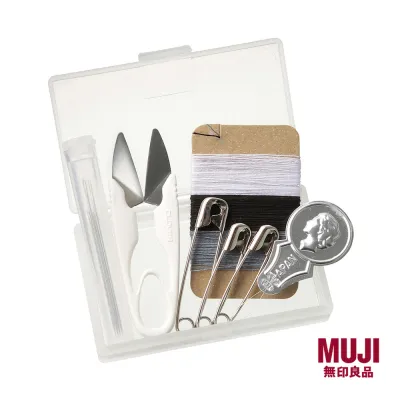
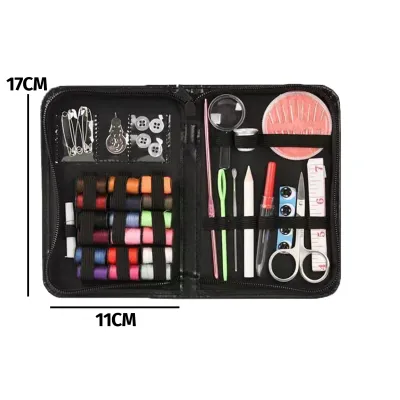
Prices are valid at publication and may change. Please refer to the product page for the latest price.
The starter accessories and sewing equipment included with the machine also determine its initial usability. A beginner-friendly package should include essential presser feet, such as a standard zig-zag foot, a zipper foot, and a sliding buttonhole foot. The type of bobbins supplied is equally important; class 15 plastic bobbins are the most common standard, but some brands use proprietary variations like class 15J. Using the incorrect bobbin size can lead to severe thread tension issues or mechanical jams, making it vital to verify the compatibility of included consumables.
Furthermore, the clarity and accessibility of the brand’s official documentation can make or break the early learning experience. High-quality brands provide comprehensive, illustrated user manuals that feature clear troubleshooting flowcharts for common issues like thread bunching, skipped stitches, or needle breakage. Access to official online video tutorials and digital PDF manuals ensures that help is readily available whenever a technical hurdle arises during a project.
How to Verify Local Support and Parts Availability
Before purchasing any sewing equipment in Singapore, verifying the brand’s local service infrastructure is crucial for long-term maintenance. An authorized local service center ensures that qualified technicians can perform routine calibrations, timing adjustments, and warranty repairs using genuine manufacturer parts. Many major brands maintain dedicated service centers or authorized repair workshops in central commercial areas or industrial hubs like Ubi and Toa Payoh. Checking the brand’s official website for a directory of authorized Singapore distributors is the most reliable way to confirm local support.

The availability of brand-specific consumables and replacement parts is another key factor in maintaining a sewing machine. While universal needles (such as the standard 130/705H system) are widely available in local haberdashery shops, other components like bobbin cases, needle plates, and specialized presser feet may be brand-specific. Choosing a brand with a well-established local supply chain ensures you can easily purchase these parts from neighborhood sewing shops or specialized dealers in areas like People’s Park Centre without waiting weeks for international shipping.
Understanding the terms of the manufacturer’s warranty is also essential for protecting your investment. A standard local warranty typically covers mechanical defects and internal component failures for a period of one to two years. However, it is important to distinguish between these covered defects and damage caused by user error. Common beginner mistakes, such as bending the needle bar by pulling fabric through the machine manually or blowing an internal fuse by using an incorrect voltage adapter on a parallel-imported unit, are generally excluded from warranty coverage.
Building a Condition-Based Shortlist for Your First Machine
To select the most suitable sewing equipment, beginners should construct a comparison matrix based on their specific learning goals, living space, and budget. Fabric compatibility is a primary consideration; look for machines with a robust feed dog system, such as a 7-point feed dog mechanism, which ensures even fabric feeding. The machine’s maximum stitch width (typically 5mm to 7mm) and stitch length (typically up to 4mm) should be adjustable via independent controls rather than fixed pre-sets, allowing for greater versatility in different sewing projects.
Physical weight and portability are particularly important in Singapore apartments, where dedicated craft rooms are rare. A machine with a metal internal frame offers excellent stability and minimizes vibration during high-speed sewing, but it will be significantly heavier to lift and store. Conversely, a machine with a lightweight plastic chassis is easier to pack away in a closet after use, but it may slide on the table or vibrate excessively when sewing heavier materials.
The choice of interface is another critical decision point on your shortlist. Mechanical machines utilize physical dials and levers to select stitches and adjust tension, offering a tactile, straightforward experience with fewer electronic components that could fail over time. Computerized machines feature digital screens, push-button stitch selection, and convenient automated functions like needle up/down positioning and speed control sliders. Beginners should assess their comfort level with technology to decide which interface style feels more intuitive.
Finally, calculating the total cost of ownership helps prevent unexpected expenses. This calculation should include the base purchase price of the machine in S$, the cost of essential starter accessories (such as extra bobbins, machine oil, and specialized needles), and the estimated cost of professional servicing. Budgeting for a professional tune-up every one to two years ensures the machine remains in optimal working condition throughout its lifespan.
Where to Buy and Test Sewing Equipment Locally
Purchasing sewing equipment from a specialized local dealer offers distinct advantages over buying online. Physical showrooms allow you to interact with different models, compare their sizes, and receive immediate demonstrations from knowledgeable staff. Dealers can also assist with the initial setup, ensuring you understand how to wind a bobbin and thread the machine correctly before taking it home.
When visiting a showroom, perform a thorough physical inspection of the demonstration models. Test the responsiveness of the foot pedal to ensure it allows for smooth, gradual speed control rather than sudden, uncontrollable acceleration. Listen closely to the motor noise and feel the table for excessive vibration while running the machine at various speeds. It is highly recommended to bring small scraps of different fabrics—such as lightweight cotton, stretchy knit, and medium-weight denim—to test how the machine handles different materials and to observe the consistency of the thread tension.
If you choose to purchase from an online marketplace or e-commerce platform, take extra precautions to protect your purchase. Verify that the online seller is an authorized dealer for the brand in Singapore to ensure that the local warranty will be honored. Carefully review the seller’s return and exchange policies for defective or dead-on-arrival units, as shipping a heavy sewing machine back to an overseas seller can incur substantial shipping fees and delays.
Frequently Asked Questions (FAQ)
Do I need a computerized sewing machine as a beginner?
You do not strictly need a computerized sewing machine to start learning. Mechanical machines with physical dials are highly capable and provide a tactile, direct connection to the sewing process, making them excellent for learning the fundamentals of tension and stitch selection. These machines easily handle basic garment repairs, hemming, and simple home decor projects like cushion covers.
However, computerized models offer convenient features that can ease the learning curve for some beginners. Features like a speed control slider allow you to limit the maximum sewing speed, which is helpful when navigating tight curves or complex seams. The automatic needle up/down function ensures the needle always stops in the desired position, making it easier to pivot fabric at corners without losing your place.
How often should a beginner sewing machine be professionally serviced?
For a beginner using their machine for light to moderate hobby sewing, a professional service is generally recommended once every one to two years. However, you should monitor your machine for observable signals that indicate a need for immediate professional attention. These signals include persistent skipped stitches, unusual grinding or clicking noises, inconsistent thread tension that cannot be resolved by rethreading, or the machine’s timing slipping out of alignment.
Routine user maintenance should be performed regularly at home to keep the machine running smoothly between professional services. This includes using a small lint brush to clean out dust and thread fibers from the bobbin case and feed dogs after every few projects. If your user manual specifies that the machine requires manual lubrication, apply a single drop of high-quality sewing machine oil to the designated moving parts, such as the hook race, while avoiding sealed electronic components.
Community discussion
Share your experience or ask a question. Comments are reviewed before publication.