
When embarking on your first textile project in Singapore, selecting the right fabric colour dye is the single most important factor in determining your success. For absolute beginners, the top fabric colour dye brands available locally are Rit Dye, Dylon, and Tulip. These brands are highly favored because they offer predictable color results, require minimal specialized equipment, and come with straightforward instructions that demystify the dyeing process.
Because Singapore’s humid climate and typical high-rise living arrangements (such as HDB flats) present unique space and drying constraints, choosing an accessible, low-mess dye is crucial. By matching your fabric type to the correct dye formula and preparing your workspace safely, you can easily refresh faded garments, customize home textiles, or create vibrant tie-dye patterns in a single afternoon.
How to Choose a Beginner-Friendly Fabric Dye
Selecting a fabric dye requires evaluating how the dye is applied, how forgiving the formula is to minor mistakes, and what extra ingredients you will need to buy. For a first-time project, you want a product that minimizes the risk of uneven coloring and does not require complex chemical calculations.
Products mentioned in this guide
![🇸🇬 [New Product Sale] Tie Dye Kit Fabric Dye Non-toxic Permanent Textile Tie Dye Set Dit-A-Dot](https://img.lazcdn.com/g/p/2acc9cc2353f168a2c78c141f199b97b.jpg_400x400q80.jpg_.webp)
![[Local SG Seller] Dylon Fabric Hand-dye](https://img.lazcdn.com/g/p/fcba2a58625f3441f16eaadae2ab7262.png_400x400q80.png_.webp)
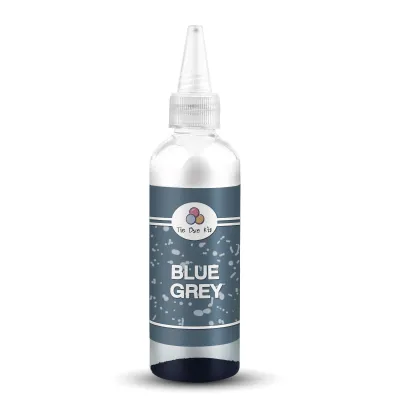
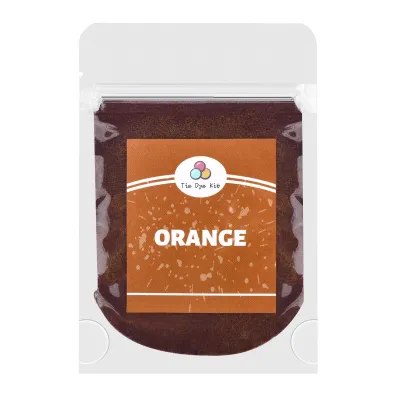
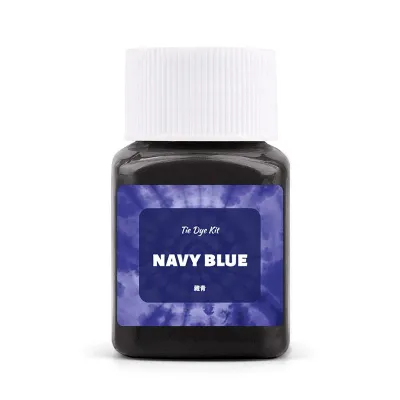
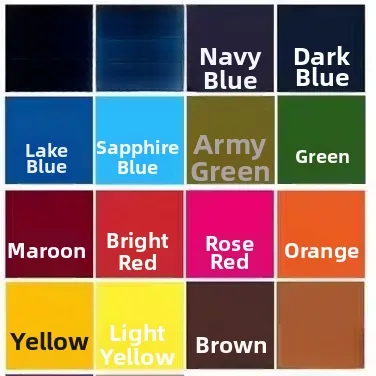
Prices are valid at publication and may change. Please refer to the product page for the latest price.
Application Methods and the Learning Curve
Fabric dyes are generally applied using one of three methods: washing machine, hand-dyeing in a bucket, or stovetop boiling. Each method has a distinct learning curve and space requirement:
- Washing Machine Dyeing: This is the most hands-off and convenient method for large items like bedsheets, curtains, or multiple pairs of jeans. The machine handles the agitation and temperature control, making it highly foolproof. However, it requires a thorough post-dye cleaning cycle to ensure no residual pigment stains your next load of white laundry.
- Hand-Dyeing (Bucket or Basin): This method offers excellent control and is perfect for small garments like t-shirts, tote bags, or delicate items. It requires manual stirring for 30 to 60 minutes to ensure the dye penetrates the fibers evenly. It is highly accessible but requires a deep utility sink or a dedicated plastic bucket.
- Stovetop Boiling: This method is necessary for synthetic fabrics like polyester, which require sustained near-boiling temperatures to open up the synthetic fibers to accept pigment. It has the steepest learning curve and requires a large, dedicated stainless steel pot that will never be used for food preparation again.
Forgiveness and Blending
Beginner-friendly dyes should be highly forgiving of minor temperature fluctuations or slightly uneven stirring. Liquid dyes are generally much easier for novices than powder dyes. Liquid formulas are pre-dissolved, eliminating the risk of undissolved dye powder flecks leaving dark, permanent spots on your fabric. Additionally, high-quality beginner brands formulate their dyes to disperse evenly in water, reducing the likelihood of splotchy or marbled results.
Instructions and Local Additives
Clear, step-by-step manufacturer instructions are vital for preventing mistakes. A good beginner brand will provide precise measurements, clear water-to-dye ratios, and explicit timing guidelines. Furthermore, many dyes require a mordant (an additive that helps fix the dye to the fibers). For natural fibers like cotton or linen, this is usually standard table salt. For protein fibers like silk or wool, white vinegar is used. Beginner-friendly brands rely on these easily accessible household items rather than specialized, hard-to-find industrial chemicals.
Top Fabric Dye Brands for First-Time Dyers
Three major brands dominate the consumer fabric dye market in Singapore, each catering to different projects, fabric types, and skill levels. These brands are widely available in local art supply stores, craft boutiques, and online marketplaces.

Rit Dye (All-Purpose and DyeMore)
Rit Dye is one of the most versatile and widely recognized names in fabric dyeing, offering two distinct product lines designed for different fiber groups.
- Rit All-Purpose Dye: This formula is designed for natural fibers, including cotton, linen, silk, wool, and ramie. It also works on nylon and rayon. It is available in both liquid and powder forms, though the liquid version is highly recommended for beginners due to its ease of mixing.
- Rit DyeMore: Formulated specifically for synthetic fibers, this liquid dye is capable of coloring polyester, polyester blends, acrylic, acetate, and nylon.
The Pros: Rit offers an incredibly extensive color palette, and their website features hundreds of color-mixing recipes to help you achieve highly specific shades. It is widely stocked in Singapore art supply stores and online craft retailers. The liquid formula is exceptionally easy to measure and pour, making it ideal for creative techniques like ombre, dip-dyeing, or ice dyeing.
The Cons: Achieving deep, highly saturated, and permanent colors with Rit DyeMore (and sometimes All-Purpose) often requires the stovetop method. Maintaining a constant simmer with near-boiling water (around 93°C) for up to an hour demands careful handling, constant stirring, and adult supervision, which can be challenging in smaller kitchen spaces.
Dylon Hand and Machine Dyes
Dylon is a household staple known for its convenience, particularly for refreshing faded garments or executing simple, single-color dye jobs.
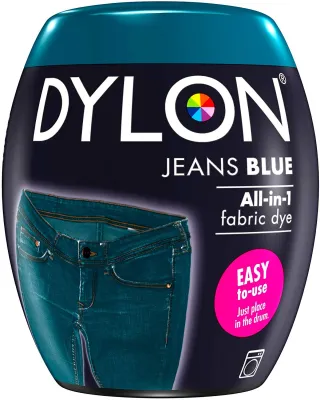
- Dylon Machine Dye Pods: These are all-in-one pods designed to be placed directly into the drum of your front-loading washing machine along with your damp fabric. The pod already contains the necessary dye and salt.
- Dylon Hand Dye Sachets: These are small powder packets designed for manual bucket dyeing of smaller items or delicate fabrics.
The Pros: Dylon Machine Dye pods make the dosing process completely foolproof. There is no manual stirring, no boiling water, and no risk of spilling dye on your kitchen counters. It is the most convenient option for beginners who want to restore the deep black color of faded jeans or update the color of cotton bedsheets. Dylon products are highly accessible in Singapore, often found in local department stores, craft shops, and home supermarkets.
The Cons: Dylon dyes are primarily effective only on natural fibers like cotton, linen, and viscose. They will not color polyester or other synthetics. Additionally, because the machine dye is designed for convenience, color mixing is not easily achievable; attempting to mix different packets can yield highly unpredictable shades for novices. The Hand Dye sachets also require you to purchase and add a substantial amount of standard table salt (often 250 grams per sachet) which is not included in the packet.
Tulip One-Step Tie-Dye Kits
Tulip specializes in user-friendly tie-dye kits designed for casual crafters, family activities, and group events.
The Pros: Tulip One-Step kits eliminate almost all preparation barriers. The dye powder comes pre-measured inside squeeze bottles. To activate the dye, you simply add lukewarm tap water directly to the bottle and shake. There is no need to mix dye in large buckets, heat water on the stove, or add salt or soda ash. The kits also include rubber bands and protective gloves, making them highly forgiving of application mistakes and perfect for introducing children to fabric crafting safely.
The Cons: These kits are strictly designed for tie-dye, splash, squeeze, or scrunch techniques. Because the dye is applied directly from a squeeze bottle onto bound fabric, these kits are completely unsuitable for achieving a solid, perfectly even, or professional-looking single-color garment dye job.
How to Match Your Dye to the Right Fabric
Using the wrong dye formula on your fabric is the most common reason fabric-dyeing projects fail. Understanding your fabric’s composition ensures you select a dye that will actually bond with the fibers rather than washing down the drain.
Reading Garment Care Labels
Before purchasing any dye, locate the care label inside your garment and read the fiber composition percentage.
- Natural Fibers: Cotton, linen, silk, wool, and ramie. These fibers are highly porous and hydrophilic (water-attracting), meaning they easily absorb standard water-soluble dyes like Rit All-Purpose or Dylon.
- Synthetic Fibers: Polyester, acrylic, acetate, and nylon. Polyester and acrylic are essentially plastics; they are hydrophobic (water-repelling) and require specialized synthetic dyes like Rit DyeMore.
- Blends: Many modern garments are blends (e.g., 60% cotton and 40% polyester). If you use a standard dye on a blend, only the natural fibers will take the color, resulting in a lighter, heathered, or vintage look.
Why Standard Dyes Fail on Synthetics
Standard all-purpose dyes cannot penetrate synthetic fibers. Without the high heat of a stovetop bath and a dye formulated with carrier chemicals that open up the synthetic molecular structure, the dye molecules will simply sit on the surface of the synthetic fibers. During the first rinse cycle, almost all of the color will wash away, leaving the fabric either completely white or very lightly tinted in a patchy, uneven pattern.
Fabric Weight and Existing Color
Fabric dye is translucent, behaving much like watercolor paint on paper. It cannot cover up or hide existing colors. If you attempt to dye a yellow shirt with blue dye, the resulting color will be green. You cannot dye a dark garment a lighter color (such as turning a navy blue shirt yellow) without first using a chemical color remover. Furthermore, dye quantity is calculated by the weight of the dry fabric, not the physical size of the item. A heavy denim jacket weighs significantly more than a light cotton t-shirt and will require multiple bottles or packets of dye to achieve the desired depth of color.
Checking for Factory Finishes
Many modern garments are treated with factory finishes, such as water-repellent coatings, stain-resistant treatments, or permanent-press finishes. These chemical coatings seal the fabric fibers, preventing them from absorbing water and dye. To check if your fabric has a resistant finish, splash a few drops of water onto the dry garment. If the water beads up and rolls off instead of soaking into the fabric, the garment will not accept dye evenly, and the project should not proceed.
Essential Setup and Safety for Your First Dye Project
Creating a safe, organized workspace is critical when working with permanent pigments. Proper preparation prevents accidental stains on your home surfaces and ensures a smooth, stress-free crafting experience.
Workspace Protection
Fabric dye is designed to be permanent, and it will stain countertops, tile grout, and wooden tables instantly.
- Location: In Singapore's typical residential layouts, the best places to set up your dye station are a well-ventilated bathroom, a service yard, or an outdoor balcony.
- Surface Covers: Cover your entire work surface with heavy-duty plastic drop cloths or thick plastic trash bags. Tape them down securely with masking tape. Avoid using newspaper alone, as liquid dye can easily soak through paper and stain the surface underneath.
- Containers: Use only stainless steel, glass, or heavy-duty plastic buckets for mixing dye. Avoid aluminum pots, as aluminum can react chemically with certain dyes and alter the final color.
- Utensil Safety: Any pot, spoon, measuring cup, or whisk used for fabric dyeing must be permanently retired from food preparation. Mark these tools clearly and store them separately from your kitchenware.
Personal Protective Equipment (PPE)
Protecting yourself from chemical contact and inhalation is essential for a safe project:
- Gloves: Wear thick, heavy-duty rubber cleaning gloves. Thin latex or nitrile gloves can tear easily, leaving your hands stained with dye for several days.
- Clothing: Wear old clothing that you do not mind staining, along with a protective plastic apron.
- Ventilation: Always work in a well-ventilated area. If you are mixing dry powder dyes, wear a dust mask to avoid inhaling fine dye particles, which can irritate your respiratory tract.
Fabric Preparation
Always wash your fabric before dyeing, even if the garment is brand new. New fabrics often contain “sizing” (a starch-like substance used during manufacturing to keep garments looking crisp) or chemical oils that block dye absorption. Wash the item in warm water with standard laundry detergent. Do not use fabric softener or dryer sheets, as these leave a thin, hydrophobic silicone coating on the fibers that will block the dye from penetrating evenly. Leave the fabric damp; do not dry it, as damp fabric absorbs dye much more uniformly than dry fabric.
Clean-up and Disposal
Once the dyeing time is complete, carry your project carefully to a utility sink or toilet to avoid dripping dye on your floors. Rinse the dyed item under running water, starting with lukewarm water to wash away excess surface dye, then gradually transition to cold water. Continue rinsing until the runoff water is completely clear.
Dispose of the dye wastewater by pouring it down a utility drain, a toilet, or a stainless steel sink. Avoid pouring dye down porcelain bathroom sinks or acrylic bathtubs, as these materials are highly porous and can stain easily. Flush the drain immediately with plenty of clean water to prevent any residual pigment from settling.
Frequently Asked Questions (FAQ)
Can I dye a polyester blend with standard fabric dye?
Yes, but the resulting color will be significantly lighter and may have a heathered or speckled appearance. Standard all-purpose dyes only color the natural fibers (like cotton) within the blend, leaving the polyester fibers their original color. If your fabric contains more than 35% polyester and you want a solid, uniform, and saturated color, you must use a synthetic-specific dye (such as Rit DyeMore) using the stovetop boiling method.
Will the dye bleed in the wash after my first project?
Newly dyed fabrics will release excess dye during their first few wash cycles. To minimize bleeding and lock in the color, use a commercial liquid dye fixative immediately after the dyeing process, especially for natural fibers like cotton. For the first three to four laundry cycles, always wash your dyed garments separately in cold water on a gentle cycle, and avoid laundering them with light-colored clothing until you are certain the water runs completely clear.
Community discussion
Share your experience or ask a question. Comments are reviewed before publication.