
Selecting the ideal face paint starter set in Singapore requires balancing skin safety, ease of application, and durability under warm, humid conditions. For beginners, the most reliable choice is a water-activated, cosmetic-grade kit containing a versatile palette of primary and secondary colors, accompanied by synthetic brushes and high-density sponges. Because Singapore’s tropical climate can affect how makeup sets and dries, choosing the right formulation is key to preventing smudging and skin irritation.
By understanding what goes into a quality starter kit, how to evaluate paint performance, and how to verify safety compliance, you can confidently choose a set that brings your creative designs to life safely and comfortably.
What to Expect Inside a Beginner Face Paint Kit
When browsing for your first face paint kit, understanding the standard components will help you identify which options offer a complete, ready-to-use setup. A well-rounded starter kit should provide everything you need to begin painting immediately without requiring immediate trips to an art supply store for extra accessories.
Products mentioned in this guide
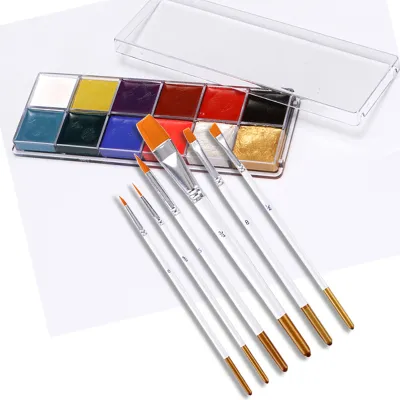
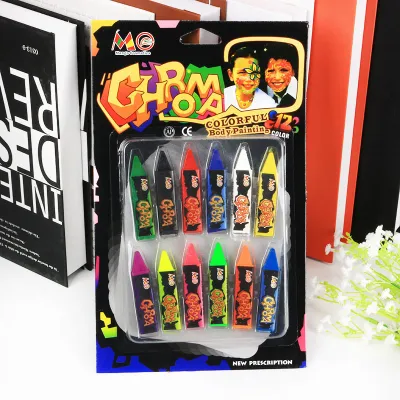
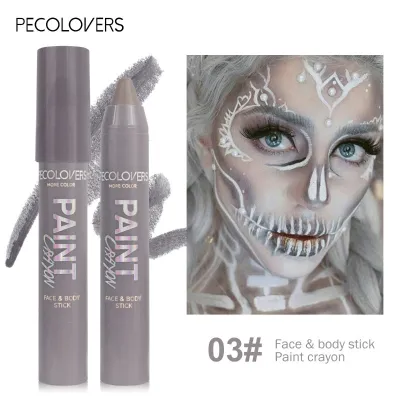
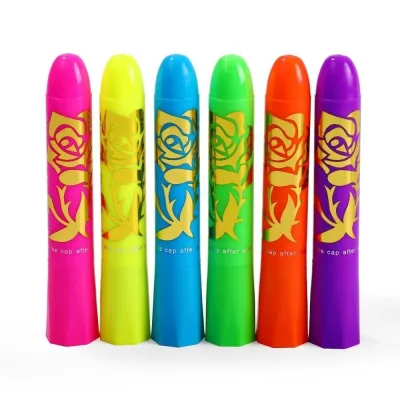
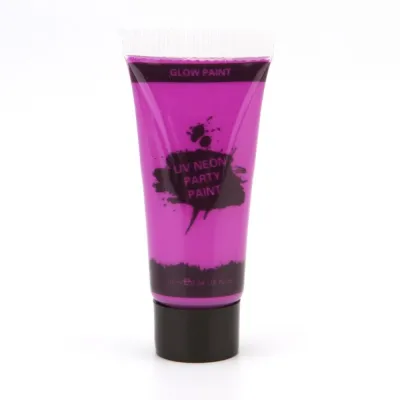
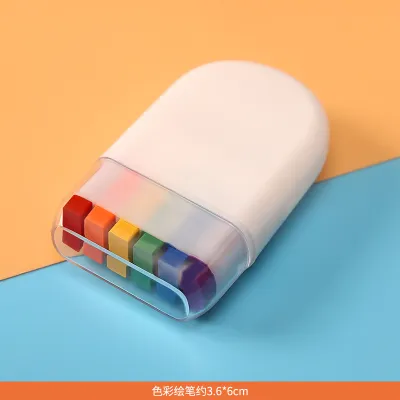
Prices are valid at publication and may change. Please refer to the product page for the latest price.
Water-activated cakes, also known as aqua paints, are the industry standard for beginners and professional face painters alike. These paints are dry to the touch in their containers and require a small amount of water to activate, behaving similarly to watercolors but with a much higher pigment concentration designed for skin. Glycerin-based water-activated paints are highly flexible, soft, and easy to blend over large areas, making them perfect for smooth base coats. Wax-based formulations, which often use paraffin or beeswax, are firmer, dry faster, and hold their shape exceptionally well, making them the preferred choice for crisp linework and fine details.
In contrast, liquid face paints are pre-mixed and ready to apply straight from the bottle. While convenient, they can be difficult for beginners to control on the brush and tend to dry out quickly in open palettes. Grease-based paints are oil-rich and do not dry on their own, requiring a setting powder to lock them in place. While grease paint is highly durable and sweat-resistant, it feels heavy on the skin and requires specialized oil-based removers, making it less suitable for casual beginners or children’s parties.
An entry-level starter palette typically features 6 to 12 colors. This range should include the primary colors of red, yellow, and blue for custom mixing, essential neutrals like black and white for outlining and highlighting, and a few popular secondary shades such as green, orange, or purple. Having these foundational colors allows you to mix almost any shade imaginable, helping you learn color theory as you practice.
Basic applicators are almost always included in starter kits, though their quality can vary. You can generally expect to find one or two brushes and a couple of sponges. These tools are designed to get you started, but evaluating their specific characteristics will help you determine if they are sufficient for your learning journey.
How to Evaluate Face Paint Quality and Performance
Before committing to a purchase, it is important to know how to judge the performance and usability of face paints. High-quality paints should be easy to work with, comfortable on the skin, and simple to remove when the event is over.

Pigmentation and opacity determine how vibrant the colors look once applied. High-quality face paints use cosmetic-grade pigments that provide solid, opaque coverage in a single, thin layer. If a paint requires multiple layers to look saturated, it will feel heavy on the skin and is far more likely to crack as the face moves. You can verify pigmentation by performing a simple trial: apply a single stroke of activated paint to your inner wrist; it should cover the skin completely without appearing translucent or streaky.
Drying time is a critical factor, especially in Singapore’s humid climate. A good water-activated paint should dry to the touch within 60 to 90 seconds of application. If the paint takes too long to dry, the colors may run, bleed into adjacent details, or smudge when the subject moves. However, the paint must also offer enough workability before drying so that you can blend colors smoothly on the skin.
Smudge resistance ensures your design stays intact during active wear. Once dry, the paint should not transfer easily when lightly touched. You can test this by letting a sample stroke dry completely on your arm and then gently running a dry finger over it. If the paint lifts or smears easily without moisture, it may not hold up well during a lively party or outdoor event.
Crack resistance refers to the paint’s flexibility. Because the face is constantly moving through expressions, the paint must stretch with the skin. Wax-based formulations generally offer excellent flexibility for fine lines, while glycerin-based paints keep larger areas from flaking. If a paint begins to crack or flake off shortly after drying, it is an indication that the formula is too dry, low-quality, or has been applied too thickly.
Ease of removal is paramount for maintaining skin health and avoiding irritation. High-quality starter sets are designed to wash away easily with warm water and mild soap or a gentle facial cleanser. Be cautious of highly pigmented blues, greens, and dark reds, which can sometimes leave a temporary tint on the skin if the formulation lacks a proper cosmetic base. Reading product descriptions and user feedback can help you identify paints that rinse off cleanly without requiring harsh scrubbing.
Assessing the Included Brushes, Sponges, and Accessories
The tools included in a starter kit can make a significant difference in your painting experience. Assessing the quality of these accessories beforehand will help you decide if you need to supplement your kit with individual purchases.
Brushes included in starter kits vary widely in quality. Look for synthetic bristles, such as nylon or taklon, rather than natural animal hair. Synthetic fibers are more resilient, hold their shape better when wet, and are much easier to clean and sanitize between uses. A beginner kit should ideally include at least two brush shapes:
- Round Brushes: A size 2, 3, or 4 round brush is essential for executing fine lines, swirls, teardrops, and detailed outlines.
- Flat or Chisel Brushes: A size 4 or 6 flat brush is ideal for filling in larger shapes, painting bold bands of color, or creating sharp, clean edges.
Sponges are indispensable for applying smooth, even base coats over larger areas of the face. The sponges in your kit should be made of high-density polyurethane. High-density sponges absorb less water and paint, allowing more product to transfer smoothly onto the skin without leaving streaks, patches, or air bubbles. Look for half-moon, petal, or teardrop-shaped sponges, as these shapes allow you to use the broad flat side for foreheads and cheeks, and the pointed tips or curved edges for tight areas around the eyes and nose.
Storage and mixing accessories add significant value and convenience to a starter set. A well-designed kit comes in a durable plastic case with individual, raised compartments for each paint cake to prevent wet colors from bleeding into one another. A clear plastic lid that doubles as a mixing tray is a highly practical bonus, giving you a clean surface to blend custom shades without needing extra plates or palettes.
Verifying Skin Safety and Cosmetic Compliance
Because face paint is applied directly to the skin—often on children and near sensitive areas like the eyes and mouth—verifying safety compliance is the most critical step in your selection process.
Never use standard craft, acrylic, tempera, or watercolor paints on the skin, even if they are labeled “non-toxic.” A “non-toxic” label on craft supplies simply means the product will not cause harm if accidentally swallowed in small quantities; it does not mean the product is safe for prolonged skin contact. Craft paints contain binders, solvents, and pigments that are not cosmetic-grade and can cause severe contact dermatitis, chemical burns, or permanent skin staining.
Always check the packaging for clear cosmetic compliance labels. Look for indications that the product complies with international cosmetic safety standards, such as the US Food and Drug Administration (FDA) regulations, European Union (EU) cosmetic directives, or guidelines from local health authorities like the Health Sciences Authority (HSA) in Singapore. These certifications guarantee that the ingredients used are thoroughly tested and approved for cosmetic application.
Scan the ingredient list for potential allergens. If you or your subjects have sensitive skin, prioritize kits labeled hypoallergenic, fragrance-free, and paraben-free. Even with certified cosmetic paints, always perform a patch test before applying the paint to the entire face. Apply a small coin-sized amount of the activated paint to the inner elbow or the inside of the wrist. Leave it on for at least 20 to 30 minutes and monitor for any redness, itching, swelling, or burning. If any reaction occurs, wash the area immediately and do not use the product.
Avoid products that have a strong chemical, solvent, or sour odor, as this often indicates low-grade ingredients or bacterial contamination. If a water-activated cake has a greasy film on top or has separated in its well, it should be discarded. Safe, high-quality face paints should have a neutral, mild scent or be completely fragrance-free.
Building Your Shortlist: A Step-by-Step Buyer's Framework
To find the best face paint starter set for your needs on e-commerce platforms or in local art supply stores, use this practical step-by-step framework to narrow down your options.
Step 1: Define Your Primary Use Case
Identify who you will be painting and for what occasion. If you are painting children at a local community event or birthday party, you will need a kit with a wide variety of bright, cheerful colors and plenty of sponges for quick base application. If you are preparing for a detailed cosplay or a Halloween event, you might prioritize a kit with larger cakes of black and white, along with high-quality detail brushes.
Step 2: Compare Value for Money
Evaluate the true cost by comparing the price-per-gram of paint rather than just looking at the total price in S$. Some starter kits look inexpensive but contain very shallow wells of paint that run out after just a few applications. Calculate the total weight of the paint cakes in grams and divide the retail price by this weight to find the actual value. A slightly higher upfront investment in a kit with deeper wells often yields a much lower cost per application.
Step 3: Research User Reviews for Red Flags
Search online marketplaces and art supply forums for user feedback, paying close attention to how the paint behaves in warm, humid weather. Look for specific red flags such as:
- Paint melting or running under humid conditions
- Brushes shedding bristles onto the skin during application
- Difficulty washing the paint off, or persistent skin staining
- Complaints of skin irritation or strong chemical smells
Step 4: Finalize Your Shortlist
Select two or three kits that meet all safety standards, offer the right balance of colors for your project, and fit within your budget. A kit that includes high-quality synthetic brushes, durable high-density sponges, and verified cosmetic safety labels will save you time, money, and frustration, ensuring a fun and safe painting experience for everyone involved.
Frequently Asked Questions (FAQ)
Can I use regular acrylic or watercolor paints on my face?
No, you should never use regular acrylic, tempera, or watercolor paints on your face or body. Standard craft paints are formulated for porous surfaces like paper, wood, or canvas, not living skin. They contain binders and pigments that are not cosmetic-grade and can cause severe contact dermatitis, allergic reactions, and skin irritation. Furthermore, acrylic paint dries into a plastic-like film that traps sweat and oils, clogs pores, and can be incredibly painful and difficult to peel or scrub off, potentially damaging the delicate skin on the face.
How should I store my face paint set to prevent it from drying out or molding?
Proper storage is essential to maintain the hygiene and longevity of your water-activated face paints, especially in Singapore’s humid climate. After each painting session, allow the paint cakes to air-dry completely with the lid off before sealing the container. Closing a wet kit traps moisture, creating a breeding ground for mold and bacteria. Store your kit in a cool, dry cupboard away from direct sunlight, humidity, and extreme heat sources. Additionally, thoroughly wash all brushes and sponges with warm water and a mild soap or brush cleaner, squeeze out excess water, and let them air-dry flat or hanging bristles-down before packing them away.
Community discussion
Share your experience or ask a question. Comments are reviewed before publication.