
Starting your journey into textile art is an incredibly rewarding way to express your creativity, breathe new life into old garments, and design custom home textiles. In Singapore, where creative hobbies and DIY fashion are rapidly growing, finding the right entry point can feel overwhelming due to the sheer variety of products available on the market. To set yourself up for success, the best approach is to start with a complete, beginner-friendly fabric dye kit that matches your specific project goals, fabric choices, and home setup. For most beginners, a cold-water fiber-reactive dye kit is the most practical and satisfying choice, offering vibrant, permanent results with minimal specialized equipment.
Understanding Fabric Dye Types for Beginners
Before purchasing your first kit, it is essential to understand the different chemical processes behind fabric dyes, as they dictate how you will work and the results you can expect. The most popular option for beginners is the all-in-one tie-dye kit, which typically utilizes fiber-reactive dyes. These dyes form a covalent bond with the cellulose fibers of the fabric, meaning the color becomes a permanent part of the thread itself. Because they activate in cool or lukewarm water, they require minimal preparation and no stovetop heating, making them exceptionally safe and easy to use in any home environment.
In contrast, traditional immersion dyes require a process where the fabric is submerged in a large bath of hot water. This method is excellent for achieving uniform, solid colors across large pieces of fabric, but it demands precise temperature control and constant stirring. For a beginner working in a typical Singaporean apartment, managing a large pot of boiling dye on the stove can be cumbersome, and the equipment used must never be reused for cooking. Therefore, immersion dyeing is generally better suited for those ready to transition to intermediate textile crafts.
Products mentioned in this guide
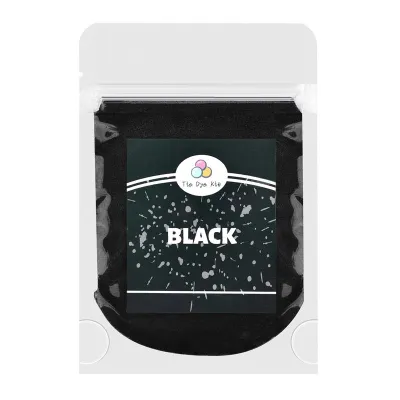
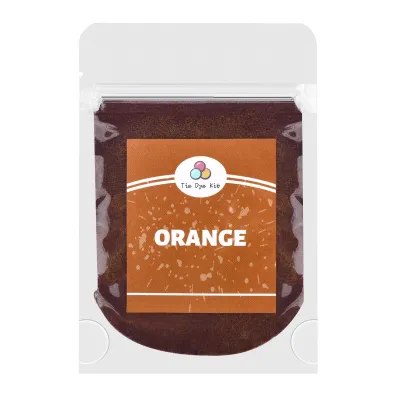
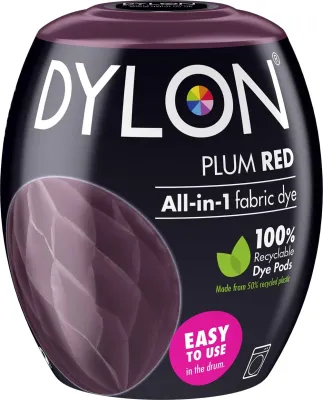
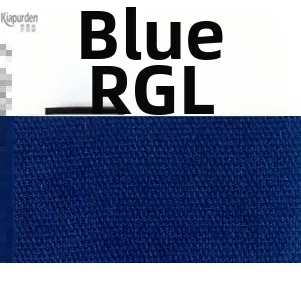
Prices are valid at publication and may change. Please refer to the product page for the latest price.
Another alternative is pigment-based or acrylic fabric paint, which is designed for surface application rather than deep fiber penetration. Unlike dyes, which chemically bond with the fabric and leave it soft to the touch, fabric paints sit on top of the fibers and dry to a slightly raised, textured finish. They are highly effective for detailed hand-painting, stenciling, or block printing, and they work well on both light and dark fabrics. However, they require heat-setting with an iron to become wash-fast, and they will alter the physical drape and softness of the textile.
Your physical workspace is a crucial factor when choosing between these dye types. Working with loose dye powders requires a well-ventilated area to prevent inhaling fine particles, as well as easy access to a sink or wet area for the extensive rinsing process. In Singapore’s humid tropical climate, drying times can be significantly extended, and damp fabrics left out too long can develop mildew. Utilizing a bathroom, service yard, or balcony is ideal to prevent accidental staining of household surfaces while ensuring adequate airflow during the curing and drying stages.
Key Features to Look for in a Beginner Dye Kit
When shopping for a beginner fabric dye set, the goal is to find a comprehensive package that allows you to start crafting immediately without requiring unexpected trips to the store. The first component to evaluate is the inclusion of a fixative or mordant, which is the chemical agent that locks the dye into the fabric. For fiber-reactive dyes, this agent is sodium carbonate, commonly known as soda ash. Without a proper fixative, your beautiful designs will simply wash out the first time they go through the laundry.

Some beginner kits feature pre-mixed dyes where the soda ash is already combined with the dye powder inside the squeeze bottles. These “one-step” kits are incredibly convenient because you only need to add tap water to activate them. However, once water is introduced, the chemical reaction begins immediately, and the dye will lose its potency within a few hours. Other kits package the soda ash separately, requiring you to pre-soak your fabric in a soda ash solution before applying the dye. While this adds an extra step, it typically yields much brighter, more wash-fast colors and allows you to store any unused dry dye powder for future projects.
Beyond the chemicals, a high-quality kit must include the necessary safety and application tools to keep your workspace clean. Look for sets that provide durable, thick gloves—preferably nitrile, as thin vinyl gloves tear easily and can let dye seep through to your skin. The kit should also contain multiple squeeze bottles with fine-tip nozzles for precise color placement, heavy-duty rubber bands for creating classic tie-dye patterns, and a plastic drop cloth to protect your tables or floors from permanent stains.
Finally, pay close attention to the clarity and detail of the included instruction manual. A beginner-friendly guide should not only show you how to fold different patterns but also provide explicit instructions on curing times and washing guidelines. Curing is the period during which the damp, dyed fabric must sit undisturbed—usually wrapped in plastic—to allow the chemical bond to fully mature. A good manual will specify the exact number of hours required based on ambient temperatures and explain how to perform the initial rinse to prevent colors from bleeding into one another.
Matching the Dye Set to Your Fabric and Project
One of the most common reasons beginner dye projects fail is a mismatch between the dye chemistry and the fabric fiber. Standard fiber-reactive dyes are formulated specifically for natural, cellulose-based fibers such as cotton, linen, rayon, viscose, and bamboo. These natural fibers have open molecular structures that easily accept the dye molecules. If you attempt to use a standard beginner kit on synthetic fibers like polyester, nylon, or acrylic, the dye will fail to bond and will wash away completely, leaving behind a faint, muddy smudge.
If your project involves synthetic fabrics or synthetic blends, such as a poly-cotton t-shirt, you must look for specialized dyes formulated for synthetics. These dyes require a high-heat immersion process to force the synthetic fibers to open up and accept the pigment. For beginners, it is highly recommended to stick to 100% natural cotton or linen fabrics for your first few projects, as they are the most forgiving and yield the most vibrant, predictable results.
Even when working with 100% natural fibers, the fabric’s weave and manufacturing history can affect dye absorption. Brand-new garments are often treated with “sizing,” which is a starch or chemical finish applied during manufacturing to keep the fabric looking crisp on retail shelves. Sizing acts as a barrier that repels water and dye. To ensure even color absorption, always pre-wash your textiles in hot water with a mild detergent before dyeing, and avoid using fabric softeners or dryer sheets, which leave a waxy residue that blocks the dye.
To verify how your chosen fabric and dye combination will behave, you can perform simple, observable tests for colorfastness. Before committing to a large project, cut a small scrap of the same fabric, apply a small amount of mixed dye, let it cure, and rinse it thoroughly. Observe the rinse water; if it runs clear after a few rinses, the dye has successfully bonded. You can also check the manufacturer’s labels on your dye kit for lightfastness ratings, which indicate how well the colors will resist fading when exposed to Singapore’s strong, direct sunlight.
Building Your Shortlist: Evaluating Options and Shopping
When you are ready to purchase a kit from local art supply stores or online marketplaces, establishing a clear evaluation framework will help you get the best value for your money. Rather than being swayed by large, colorful boxes, look closely at the actual weight of the dye powder included in the kit. Some budget kits come in large bottles but contain only a tiny fraction of active dye powder, resulting in weak, pastel colors once mixed with water. A high-quality beginner kit in Singapore typically ranges from S$20 to S$50, and comparing the cost-per-gram of the actual dye powder is the most accurate way to assess value.
Because reactive dyes are sensitive to moisture and heat, they can degrade over time if stored incorrectly. In Singapore’s high humidity, unsealed dye powders can absorb moisture from the air, causing them to clump and lose their chemical potency. When evaluating kits, look for brands that package their dye powders in individually sealed, airtight foil packets inside the bottles. Check the packaging or manufacturing dates if available, and opt for fresher stock to ensure maximum color vibrancy.
Lastly, always verify the product listings for clear ingredient disclosures and safety certifications. Look for the ASTM D-4236 designation, which certifies that the art materials have been evaluated by a toxicologist and are non-toxic when used as directed. This is especially important if you are crafting with children or in a shared household space. Additionally, check the seller’s return and exchange policies, particularly when ordering online, to ensure you are covered in the rare event that a liquid component leaks during transit.
Frequently Asked Questions (FAQ)
Can I use fabric dye on dark-colored textiles?
Standard fabric dyes are translucent, meaning they add color to the existing fibers rather than covering them up. Because of this, you cannot use standard fabric dyes to lighten dark-colored textiles; applying a blue dye to a black shirt will yield no visible change, while applying it to a red shirt will result in a purple hue. If you want to create designs on dark fabrics, you must first use a specialized color remover or discharge paste to strip the original color from the fibers, or switch to opaque fabric paints that sit on top of the fabric surface.
How long do mixed fabric dyes last before expiring?
There is a significant difference in shelf life between dry dye powders and mixed liquid dyes. In their dry, powdered state, fiber-reactive dyes can last for several years if stored in a cool, dry, and airtight container away from direct sunlight. However, once you mix the dye powder with water, the chemical reaction begins, and the dye molecules slowly lose their ability to bond with fabric fibers. Most manufacturers recommend using mixed liquid dyes within one to two weeks, as dyes used after this period will result in significantly duller, less permanent colors that easily wash out.
Community discussion
Share your experience or ask a question. Comments are reviewed before publication.