
Batik cloth is celebrated for its intricate, wax-resist dyed patterns, but the underlying fabric composition is what truly dictates how the material behaves under a sewing machine needle. Whether a batik is crafted on cotton, silk, rayon, or polyester determines its structural stability, drape, and susceptibility to fraying. Choosing the correct base material ensures that your sewing project aligns with your design goals, whether you are crafting structured daily wear for Singapore’s warm climate or sewing a flowing, elegant garment for a formal occasion.
By understanding the physical characteristics of these base fibers, you can anticipate how the fabric will feed through your machine, which needles and threads to select, and how to care for the finished piece. Matching your sewing techniques to the specific properties of your batik fabric prevents common issues like skipped stitches, puckered seams, and fabric distortion, leading to a professional and durable result.
Common Base Materials Used in Batik Cloth
The base fabric of a batik cloth acts as the canvas for the traditional wax-resist dyeing process. The physical properties of this base fiber remain unchanged by the dye, meaning the finished fabric retains the inherent characteristics of its original material.
Products mentioned in this guide
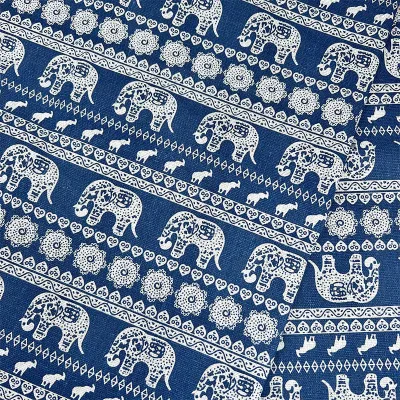
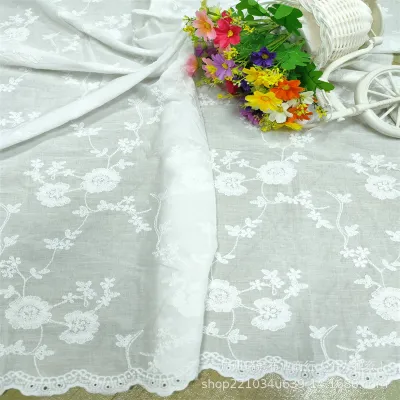

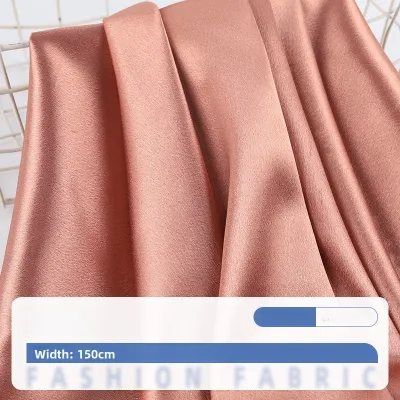
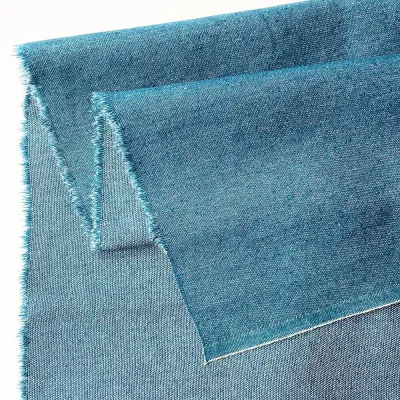
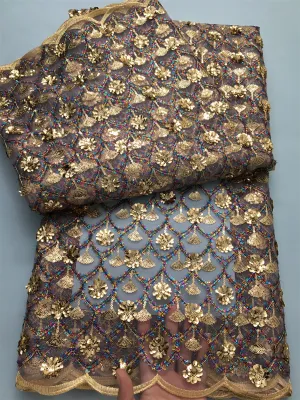
Prices are valid at publication and may change. Please refer to the product page for the latest price.
Cotton is the most traditional and widely available base for batik cloth. Standard cotton weaves offer excellent structural stability, making them highly cooperative during cutting, marking, and stitching. Fine cotton weaves, such as cotton lawn or voile, provide a lighter weight and a softer hand feel while retaining the ease of handling that makes cotton a favorite for beginners and experienced sewists alike. In warm, humid climates like Singapore, cotton batik is highly prized for its exceptional breathability and comfort.
Silk batik represents the premium tier of wax-resist dyed fabrics, offering a luxurious natural drape and a distinct, subtle sheen. Silk fibers are incredibly fine and delicate, which requires careful handling during both the dyeing and sewing stages. The fluid movement of silk makes it ideal for elegant, flowing garments, but its slippery texture presents unique challenges on the cutting table and under the presser foot.
Rayon and viscose are semi-synthetic fibers made from regenerated cellulose, known for their high fluidity and exceptionally soft hand feel. Rayon batik mimics the graceful drape of silk at a more accessible price point, making it a popular choice for casual, breezy apparel. However, rayon has a natural tendency to shift, stretch, and distort during handling, requiring extra stabilization and patience during the sewing process.
Polyester and synthetic blends are increasingly common as base materials for modern batik prints. These fabrics offer high durability, excellent wrinkle resistance, and minimal shrinkage compared to natural fibers. While polyester blends may not absorb traditional wax dyes in the same manner as natural fibers—often resulting in printed designs rather than true wax-resist batiks—they provide a highly stable, low-maintenance option for everyday items and home decor.
How Material Composition Dictates Sewing Results
The fiber content of your batik cloth directly influences every step of the construction process, from the initial needle penetration to the final press. Adjusting your tools and techniques to match the specific material composition is essential for achieving clean, flat seams.

Needle and thread compatibility is the first line of defense against fabric damage. Fine, tightly woven fabrics like silk batik require very thin, sharp needles, such as size 60/8 or 70/10 Microtex or sharp needles, to prevent snagging the delicate threads. Standard cotton batiks are best stitched with size 70/10 or 80/12 universal or sharp needles, paired with high-quality cotton or all-purpose polyester thread. For rayon, a stretch or ballpoint needle is sometimes helpful if the weave is particularly loose, though a sharp needle usually yields the cleanest stitches on woven rayon.
Fabric behavior under the presser foot varies dramatically between stable and fluid fibers. Cotton batik behaves predictably, feeding evenly through the machine without excessive slipping. In contrast, silk and rayon batiks tend to slide and shift as they pass over the feed dogs. To manage this fluid behavior, you can use a walking foot or an even-feed foot to ensure both layers of fabric move through the machine at the exact same rate, preventing puckering and uneven seam lengths.
Seam finishing and fraying characteristics are highly dependent on the tightness of the weave and the fiber type. Cotton batiks, especially those with a high thread count, resist fraying relatively well, allowing for simple finishes like pinking shears or a standard zigzag stitch. Rayon and silk, however, are prone to rapid unraveling along cut edges. For these delicate materials, French seams, flat-felled seams, or clean overlocked edges are highly recommended to secure the raw borders and ensure the garment survives repeated laundering.
Pressing and shaping require careful temperature management to protect both the fibers and the dyed patterns. Cotton can withstand high heat and steam, which is beneficial for setting sharp creases and flattening seams. Silk and rayon are highly sensitive to heat and moisture; excessive heat can scorch silk fibers or cause rayon to shrink unevenly. Always use a dry pressing cloth and a lower heat setting when working with delicate or synthetic batik fabrics to avoid altering the wax-resist dye patterns or melting synthetic fibers.
Selecting the Right Batik Fabric for Specific Projects
Matching the material properties of your batik cloth to the functional requirements of your project is key to a successful outcome. A fabric that works beautifully for a structured accessory may fail to perform when used for a flowing garment.
For apparel construction, the desired silhouette dictates your fabric choice. Structured daily wear, such as tailored shirts, shift dresses, and structured skirts, is best suited for cotton batik, which holds its shape and stands up well to daily wear in Singapore’s tropical climate. For garments that require movement, such as maxi dresses, wide-leg trousers, or elegant evening wraps, rayon or silk batik provides the necessary fluid drape to flatter the body’s natural motion.
Home decor and accessories demand materials that offer structural stability, weight, and long-term durability. Items like cushion covers, tote bags, table runners, and placemats are subjected to frequent handling and friction. Heavyweight cotton batik or polyester-blend batik is ideal for these applications, as these fabrics resist wear, maintain their shape without heavy interfacing, and can be washed frequently without losing their structural integrity.
Quilting and patchwork projects require a high degree of consistency in fabric weight and weave tightness. Traditional cotton batik is highly favored by quilters because its dense, even weave prevents stretching and distortion when cutting small geometric shapes. When mixing batik with other quilting cottons, ensure all fabrics are of similar weight and have undergone the same pre-washing process to prevent uneven shrinkage and puckering after the quilt is assembled and washed.
Pre-Sewing Preparation and Fabric Care
Proper preparation of your batik cloth before cutting is a critical step that prevents post-sewing distortions, color bleeding, and unexpected shrinkage. Taking the time to stabilize and clean your fabric ensures that your finished project retains its shape and vibrant colors.
Pre-washing and color setting are essential steps, particularly for hand-dyed natural fiber batiks. Because the traditional batik process involves multiple dye baths, residual dye may remain in the fibers. It is highly recommended to check the manufacturer’s care labels and test a small swatch for colorfastness by soaking it in warm water. If the water becomes heavily tinted, washing the fabric separately with a mild, color-safe detergent or a dedicated dye-fixative agent will help stabilize the colors before you begin cutting your pattern pieces.
Removing residual wax is another common task when working with authentic hand-blocked or hand-drawn batik. Some fabrics may retain a stiff hand feel or visible wax residue from the resist process. If the fabric feels unusually stiff, soaking it in warm water or pressing it between sheets of clean, unprinted paper with a warm iron can safely lift the remaining wax. Always verify the fabric’s heat tolerance before applying iron heat to ensure you do not damage delicate silk or synthetic fibers.
Cutting and marking require adapted techniques depending on the stability of the batik base. For slippery materials like silk and rayon, laying the fabric on a cutting mat and using a rotary cutter instead of shears can prevent the layers from shifting out of alignment. Pinning within the seam allowances or using fabric weights helps maintain pattern accuracy. When marking pattern details, choose water-soluble fabric markers or tailor’s chalk, testing them first on a scrap piece of the batik to ensure the marking medium does not react with the residual dyes or wax in the fabric.
Frequently Asked Questions (FAQ)
Does batik cloth shrink after washing?
Yes, batik cloth made from natural fibers like cotton, rayon, and silk is highly susceptible to shrinkage during its first wash. Rayon typically experiences the highest rate of shrinkage, followed by cotton, while synthetic polyester batiks show minimal to no shrinkage. To prevent your finished garment from warping or becoming too small, always pre-wash your fabric using the same water temperature and drying method you plan to use for the completed project. Testing a small, measured swatch before washing the entire yardage is an excellent way to calculate the exact shrinkage rate.
How can I tell if my batik fabric is pure cotton or a blend?
To determine the fiber composition of your batik fabric, start by checking any attached manufacturer labels, tags, or product descriptions provided by the retailer. If labels are missing, you can observe the fabric’s physical characteristics: pure cotton typically feels soft but structured, wrinkles easily when squeezed, and has a matte finish, whereas polyester blends often feel slightly slicker, resist wrinkling, and recover their shape quickly. For a definitive test, a burn test can be performed on a tiny scrap of fabric in a safe environment; pure cotton burns with a steady flame and leaves soft gray ash, while polyester melts and forms a hard, dark bead.
Community discussion
Share your experience or ask a question. Comments are reviewed before publication.