
Bamboo yarn, typically processed as a semi-synthetic rayon or viscose fiber derived from bamboo grass, offers distinct physical characteristics that can dramatically transform a knitting project. Known for its silky texture, brilliant sheen, and cool-to-the-touch feel, this material is a popular alternative to traditional animal and plant fibers. However, because its structural behavior differs significantly from wool, acrylic, or cotton, working with it requires a clear understanding of its physical properties. By evaluating how bamboo yarn behaves under tension, how it reacts to moisture, and how its lack of natural elasticity affects a finished garment, you can make informed decisions about pattern selection, needle choices, and long-term care.
Understanding Drape, Stretch, and Memory
The physical structure of bamboo fiber is incredibly smooth and round, giving the resulting yarn its signature fluid drape. When knitted, the individual stitches slide past one another with minimal friction, allowing the material to hang close to the body and move gracefully. This density creates a heavy, luxurious feel that is highly desirable for garments designed to flow, such as shawls, cowls, and relaxed-fit tops. However, this same density means that the weight of the fabric will naturally pull downward, lengthening the garment over time.
Unlike wool, which possesses a natural crimp that provides elasticity and “memory,” 100% bamboo yarn has virtually no structural bounce. When a bamboo garment is stretched, either by wear or by gravity, it lacks the internal spring needed to return to its original shape. A sweater knitted from pure bamboo will gradually grow longer and narrower as it is worn, a phenomenon that can permanently alter the fit of the garment. Understanding this lack of memory is essential when planning your project, as it dictates how much ease you should design into the pattern.
Products mentioned in this guide
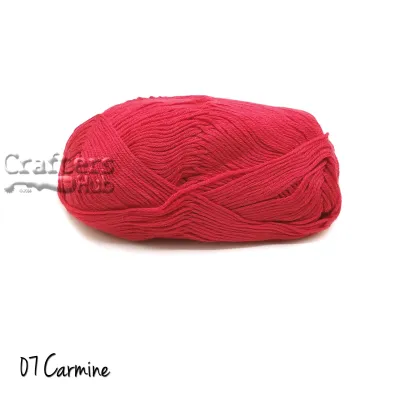
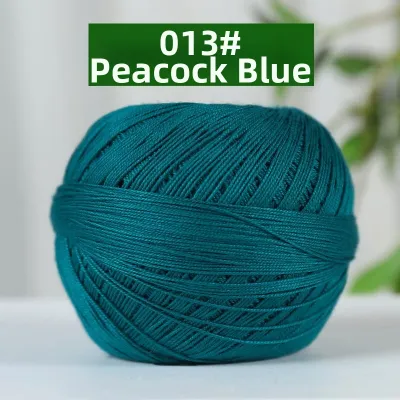
Prices are valid at publication and may change. Please refer to the product page for the latest price.
To mitigate these structural limitations, many knitters look for blended yarns. Checking the yarn band for fiber composition is a crucial step before purchasing. Blending bamboo with wool, merino, or acrylic introduces the necessary elasticity and memory, helping the finished fabric recover its shape after stretching. Conversely, blending bamboo with cotton or linen will maintain a cool, plant-based profile but will still result in a relatively inelastic fabric that requires careful pattern selection. Always verify the blend percentages to predict how the finished item will behave.
Evaluating Moisture Absorption and Breathability
Bamboo viscose is highly hygroscopic, meaning it has an exceptional capacity to absorb moisture from the environment or the wearer’s skin. This property makes it incredibly comfortable for warm-weather garments, as it actively wicks perspiration away, helping to keep the body cool and dry. However, because the fiber holds onto water so efficiently, the wet-to-dry transition time is significantly longer than that of synthetic fibers or lightweight wools. A fully saturated bamboo garment will take a considerable amount of time to dry completely, which is an important factor to keep in mind for humid climates.

While marketing materials often highlight the natural breathability and antibacterial qualities of bamboo, knitters should rely strictly on manufacturer specifications and care labels rather than unverified claims. The chemical processes used to transform raw bamboo cellulose into a soft, spinnable viscose fiber can alter the original properties of the plant. To ensure the yarn meets your expectations for breathability and skin sensitivity, look for reputable brands that provide clear manufacturing standards and detailed fiber processing information on their labels.
Performing a simple tactile observation can also help you evaluate the yarn’s suitability for sensitive wearers. Before committing to a large project, hold a skein of the yarn against your inner wrist or neck to assess its texture. The smooth, round profile of bamboo fibers generally makes them exceptionally gentle and non-irritating, making them an excellent choice for individuals who find traditional wool scratchy or uncomfortable. This smooth surface also gives the yarn a subtle, elegant sheen that reflects light beautifully.
Adjusting Needles and Tension for Smooth Knitting
The exceptionally smooth surface of bamboo yarn makes it notoriously slippery on the needles. If you are accustomed to the natural grip of wool, you may find that stitches slide off metal needles too easily, leading to dropped stitches and uneven tension. To maintain control over your work, it is highly beneficial to experiment with different needle materials. Wooden or laminated bamboo needles provide a higher level of surface friction, which helps grip the slippery yarn and allows you to manage your stitches with greater confidence and precision.
Maintaining a consistent tension is another common challenge when working with inelastic, slippery fibers. Knitters often unconsciously grip the yarn and needles more tightly to prevent stitches from slipping, which can quickly lead to hand fatigue and cramping. To avoid this, practice relaxing your grip and finding a comfortable way to drape the yarn over your fingers to control the feed. Working a generous gauge swatch before starting your main project will help you find the right needle size and establish a steady, comfortable rhythm.
The high sheen and clean, multi-ply construction of bamboo yarn provide outstanding stitch definition. Every loop and transition is highly visible, which can make simple stockinette or garter stitch look incredibly polished. However, this high visibility also means that any tension inconsistencies will be easily noticed. Furthermore, while the yarn’s definition is excellent, its fluid drape means that highly structured patterns, such as deep cables or crisp ribbing, may sag or lose their three-dimensional depth. Lace patterns, on the other hand, perform beautifully as the heavy drape opens up the eyelets.
Washing, Blocking, and Caring for Finished Items
Caring for a finished bamboo garment requires strict adherence to the care instructions provided on the original yarn band. Because the chemical structure of viscose can weaken when wet, improper washing can lead to fiber degradation, pilling, or a loss of the yarn’s characteristic sheen. Some bamboo yarns are treated to be machine washable on a gentle, cold cycle, while others must be hand washed. Always use a mild, pH-neutral detergent and avoid fabric softeners, which can coat the fibers and reduce their natural moisture-wicking capabilities.
Blocking is a critical step for setting the stitches of a finished bamboo project, but it must be approached with caution. When wet, bamboo fibers become heavy and lose a significant portion of their tensile strength. Lifting a soaking wet garment by the shoulders or sleeves can cause it to stretch irreversibly under its own weight. To prevent this, always support the entire weight of the wet garment with both hands, gently squeeze out excess water using a clean towel, and lay the item completely flat on a blocking mat to dry. Never hang a wet bamboo item to dry.
Proper storage is equally important for preserving the shape of your bamboo knits over time. Because gravity will continuously pull down on the heavy, inelastic fibers, hanging a bamboo sweater or cardigan on a hanger will inevitably cause the shoulders to stretch out and the entire garment to grow longer and misshapen. Instead, always fold your finished bamboo items neatly and store them flat in a drawer or on a shelf. This simple practice ensures that the fabric retains its intended dimensions and remains comfortable to wear for years to come.
Matching Bamboo Yarn to the Right Knitting Projects
To ensure a successful knitting project, it is essential to match bamboo yarn to patterns that complement its natural physical properties. The ideal applications for 100% bamboo yarn are garments and accessories that embrace a fluid, relaxed drape. Flowy summer tees, lightweight shadows, elegant wraps, and loose-fitting baby blankets are perfect choices. These projects benefit from the yarn’s cool feel, soft texture, and graceful movement, and they do not rely on structural elasticity or a snug fit to look and feel great.
Conversely, certain projects carry a high risk of failure when knitted with pure bamboo yarn. Avoid using 100% bamboo for items that require structural integrity, elastic recovery, or a precise, snug fit. Socks, fitted hats, ribbed cuffs, and form-fitting sweaters will quickly stretch out during wear and fail to snap back, resulting in a baggy, distorted shape. Similarly, structured bags or heavy outerwear will sag excessively under their own weight, losing their utility and aesthetic appeal unless reinforced with a more stable lining material.
If you wish to use a pattern that requires some structure but still want the benefits of bamboo, several modification strategies can help you succeed. You can carry a thin strand of elastic thread along with the bamboo yarn when knitting ribbed cuffs, hems, or neckbands to provide the necessary recovery. Additionally, choosing a pattern with structural seams rather than seamless construction can help support the weight of the fabric, as the seams act as a supportive frame. Finally, opting for a bamboo blend yarn can offer the perfect balance of drape and stability.
Frequently Asked Questions (FAQ)
Is bamboo yarn suitable for beginner knitters?
Because bamboo yarn is exceptionally slippery and lacks natural elasticity, it can be challenging for beginners who are still developing consistent tension. Stitches can easily slide off slick needles, and the lack of stretch makes it harder to maintain an even gauge. Beginners who want to try bamboo may find it easier to start with a bamboo-wool or bamboo-acrylic blend, and use wooden or bamboo needles to provide extra grip and control.
Does 100% bamboo yarn shrink in the wash?
Unlike wool, 100% bamboo yarn does not felt or shrink from heat and agitation in the same manner. However, it is highly prone to stretching and distorting if washed or dried improperly. To prevent your garment from losing its shape, always follow the specific care instructions on the yarn band, wash in cool water, and lay the item completely flat to dry rather than hanging it or using a high-heat dryer.
Can I use bamboo yarn for winter sweaters?
Pure bamboo yarn is highly breathable and cool to the touch, making it less suitable for warm winter garments that require thermal insulation. It also lacks the structural bounce needed for classic, cozy winter sweater designs. If you want to use bamboo for a cold-weather project, look for a blend that combines bamboo with insulating fibers like wool, alpaca, or cashmere to achieve both warmth and drape.

Community discussion
Share your experience or ask a question. Comments are reviewed before publication.