
Finding a meaningful souvenir that captures the essence of Singapore goes far beyond picking up mass-produced plastic trinkets from a generic tourist stall. A truly memorable gift tells a story of the city’s rich multicultural heritage, architectural marvels, and thriving local design scene. For friends, family, or colleagues, thoughtful keepsakes like cultural stationery, hand-illustrated paper crafts, and curated artisan gift boxes offer a sophisticated way to share your travel experiences.
Stationery and paper-based gifts are particularly excellent choices for souvenirs. They are lightweight, easy to pack, and highly functional, ensuring that your gesture of appreciation does not end up forgotten in a drawer. By focusing on items that combine local artistry with practical utility, you can present your loved ones with a piece of Singapore that they can integrate into their daily lives, whether through journaling, sketching, or displaying miniature paper sculptures.
To help you navigate the vibrant landscape of local design, this guide outlines how to identify authentic keepsakes, evaluate the quality of cultural paper goods, and prepare your gifts so they survive the journey home in pristine condition.
Products mentioned in this guide
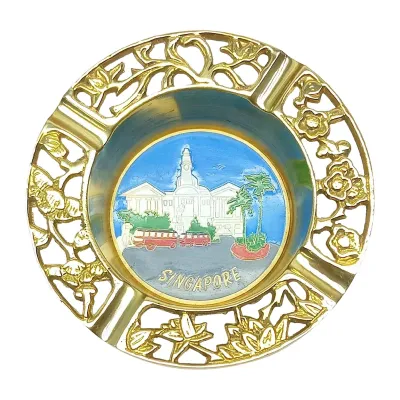
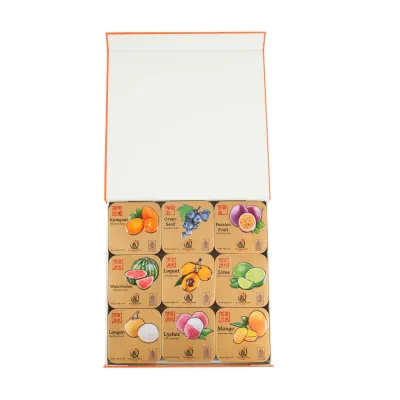
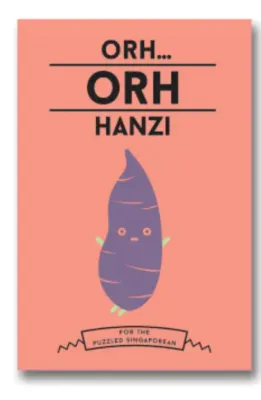
Prices are valid at publication and may change. Please refer to the product page for the latest price.
How to Choose Authentic Singapore Souvenirs
Selecting a meaningful souvenir requires moving past generic merchandise and looking for items that reflect the authentic spirit of Singapore. Mass-produced imports often feature repetitive, clip-art style illustrations of landmarks without any connection to the local community. In contrast, authentic souvenirs are typically designed by local artists who draw inspiration from their personal experiences living in the city’s diverse neighborhoods.
When evaluating potential gifts, look for specific cultural markers that represent Singapore’s unique heritage. Peranakan culture, with its intricate tile patterns, vibrant color palettes, and traditional porcelain motifs, offers a beautiful aesthetic for stationery and lifestyle accessories. Similarly, items featuring local culinary icons—such as traditional coffee shops (kopitiams), classic breakfast sets, or local kueh (traditional cakes)—evoke a strong sense of place. You can also look for designs that incorporate local colloquialisms or Singlish phrases, which add a playful and authentic touch of local humor to everyday items.
Another critical factor is the practical utility of the gift. A beautiful item that serves a daily purpose is far more likely to be appreciated than a purely decorative ornament. Consider the recipient’s lifestyle and hobbies. A friend who loves writing will cherish a high-quality notebook featuring hand-drawn illustrations of historic shophouses, while a colleague might appreciate a beautifully designed desk calendar or a set of artistic bookmarks.
To ensure you are supporting the local creative ecosystem, take a moment to verify the origin of the product. Check the packaging for information about the designer, illustrator, or local studio. Authentic local brands almost always share the story behind their designs, detailing the specific neighborhood, tradition, or historical element that inspired the artwork. This narrative adds immense value to the gift, allowing you to share a piece of Singapore’s living history with your recipient.
Cultural Stationery and Paper Crafts
Paper-based souvenirs offer a tactile connection to Singapore’s heritage, combining traditional motifs with modern design sensibilities. Among the most popular options are notebooks and journals featuring detailed illustrations of local neighborhoods like Katong, Chinatown, or Little India. These journals often showcase the distinctive architecture of conservation shophouses, complete with five-foot ways, ornate plasterwork, and pastel-colored facades.

When selecting a notebook or journal, it is essential to verify the technical specifications to ensure a premium writing experience. Check the paper weight, which is measured in grams per square meter (gsm). For general writing with ballpoint pens or pencils, a paper weight of 80 gsm to 90 gsm is sufficient. However, if your recipient prefers using fountain pens, gel pens, or light watercolors, look for journals with a paper weight of 100 gsm to 120 gsm or higher. Thicker paper provides excellent bleed resistance and prevents ink from feathering or ghosting through to the other side of the page.
In addition to paper weight, examine the binding method of the notebook. Thread-sewn or lay-flat binding is highly desirable for journaling, as it allows the book to open completely flat without tension, making it comfortable to write across the entire page. Avoid cheap, perfect-bound notebooks that rely solely on glue, as the spine can easily crack over time, causing pages to detach. Spiral-bound notebooks are also a practical choice, offering easy page-turning and the ability to fold the cover back completely.
For a more decorative option, intricate paper-cutting art and pop-up cards depicting iconic landmarks make stunning gifts. These three-dimensional paper sculptures capture the architectural complexity of structures like the Supertrees at Gardens by the Bay, the Marina Bay Sands skyline, or the historic Raffles Hotel. When purchasing pop-up cards, inspect the precision of the laser cuts and the quality of the cardstock. The paper should be sturdy enough to stand upright without sagging, and the folding mechanisms should operate smoothly without catching or tearing.
Local Designer Gifts and Curated Boxes
If you are looking for a more premium or comprehensive gifting experience, local designer gifts and curated gift boxes offer an excellent solution. These sets often combine high-quality stationery with complementary lifestyle accessories, creating a cohesive and memorable presentation. Many local designers curate these boxes around specific themes, such as “A Morning at the Kopitiam” or “Botanical Singapore,” ensuring that every item in the set contributes to a unified cultural story.
Within these curated sets, you will often find unique stationery accessories like custom rubber stamps or wax seals. Custom stamps featuring local motifs—such as a traditional red plastic chair, a cup of local coffee (kopi), or native orchid blooms—allow the recipient to add a touch of Singaporean flair to their own letters, journals, and craft projects. When choosing stamps, look for those mounted on solid wood blocks with deeply etched rubber dies, which ensure clean, sharp impressions. For wax seals, verify that the brass die is cleanly engraved and paired with a comfortable, durable handle.
Curated gift boxes also frequently include a balanced mix of practical and decorative items. A typical premium box might feature a linen-bound journal, a brass bookmark inspired by heritage iron grilles, a set of illustrated postcards, and a small tin of locally blended tea. This combination of lasting keepsakes and consumable treats provides a multi-sensory experience that beautifully introduces the recipient to Singapore’s lifestyle culture.
Before purchasing a curated box, verify the authenticity of the craftsmanship and the origin of the materials. Genuine artisan boxes will clearly credit the local makers, illustrators, and craftspeople involved in creating the contents. Supporting these independent creators ensures that your souvenir purchase directly contributes to sustaining Singapore’s local arts and design community, making your gift truly meaningful.
Tips for Gifting and Wrapping
The presentation of your souvenir is just as important as the item itself. Thoughtful wrapping elevates the gifting experience, showing the recipient that care was taken at every step. To complement the cultural theme of your Singaporean souvenir, select wrapping paper and ribbons that echo local design motifs. For instance, you can pair a Peranakan-themed notebook with wrapping paper featuring geometric tile patterns, or wrap a botanical journal in paper adorned with hand-drawn orchid illustrations.
To add a sophisticated touch, use natural materials for your packaging. Earthy twine, cotton ribbons, or grosgrain ribbons in rich, complementary colors like deep teal, terracotta, or olive green work beautifully with heritage-themed gifts. You can also tuck a small sprig of dried foliage or a pressed flower under the ribbon to add a organic, tactile element to the package.
Protecting fragile paper crafts and notebooks during transit is crucial, especially when traveling long distances. Paper products are highly susceptible to bending, creasing, and moisture damage. To keep flat items like pop-up cards, art prints, and postcards pristine, place them inside a rigid cardboard mailer or a hard plastic document folder before packing them. This prevents the corners from bending and shields the paper from being crushed by heavier items in your luggage.
For notebooks and journals, wrap them individually in acid-free tissue paper to protect the covers from scuffs and scratches. If you are traveling through humid climates or worry about liquid spills in your suitcase, place the wrapped notebooks inside a resealable, waterproof plastic sleeve. Pack these items flat, sandwiching them between flat layers of clothing in the center of your suitcase to absorb shocks. Alternatively, carry delicate paper crafts in your hand luggage to ensure they are not subjected to rough baggage handling.
Finally, always include a personalized, handwritten note with your gift. Use a high-quality local postcard or a matching gift tag to write a brief message explaining the cultural significance of the souvenir. Sharing why you chose that specific design—whether it represents a neighborhood you explored, a local dish you loved, or a traditional craft you admired—adds a deeply personal layer to the gift, making it a cherished keepsake for years to come.
Frequently Asked Questions (FAQ)
Where to find authentic local stationery and gifts?
To find genuine, locally designed stationery and gifts, avoid generic tourist souvenir shops and head instead to specialty design boutiques, museum gift shops, and local creative hubs. Museum shops, such as those at the National Museum of Singapore or the National Gallery Singapore, curate excellent selections of high-quality heritage gifts and artist collaborations. Additionally, exploring independent design boutiques in cultural districts like Kampong Glam, Tiong Bahru, or Joo Chiat will lead you to unique, artisan-made products that are designed and crafted by local creators.
How to pack fragile paper souvenirs for travel?
To protect delicate paper souvenirs like pop-up cards, paper-cut art, or thin notebooks, place them flat between two thick sheets of rigid cardboard and secure the edges with removable artist tape to prevent sliding. This creates a sturdy, bend-proof sandwich. Keep this bundle flat in your carry-on luggage rather than your checked suitcase, as carry-on bags are not subjected to the heavy stacking, tossing, and extreme temperature fluctuations of the cargo hold. For bound journals, wrap them in tissue paper and place them in a waterproof sleeve to guard against humidity.

Community discussion
Share your experience or ask a question. Comments are reviewed before publication.