
Quick Answer: Selecting the Right Singapore Gift
Selecting an authentic Singapore souvenir requires moving past generic, mass-produced trinkets and focusing on items that carry genuine local narratives. A truly authentic gift is designed, crafted, or conceptualized by local creators who draw direct inspiration from the island’s rich, multi-layered cultural heritage. By choosing items with a clear local origin, you support the creative community while presenting a gift that tells a compelling story.
To ensure your gift resonates with the recipient, consider a simple matching framework based on your relationship:
- For Colleagues and Business Partners: Opt for functional desk accessories, high-quality notebooks, or individually packaged artisanal tea bags. These items respect professional boundaries while offering a sophisticated touch of local culture.
- For Close Friends: Choose expressive designer stationery, illustrated art prints, or modern cultural crafts like enamel pins that align with their personal aesthetic.
- For Family Members: Select premium heritage food sets, beautifully packaged traditional spreads, or elegant ceramic homeware that can be shared and enjoyed in the home.
Regardless of the item, the presentation plays a crucial role in elevating a simple souvenir into a meaningful gift. Utilizing textured wrapping paper, custom gift tags, or locally themed ribbons transforms the act of giving into a memorable, sensory unboxing experience.
Products mentioned in this guide
![[Bundle of 3] NESCAFE Singapore Kopi O Gao Siew Dai Coffee (20 x 14g)](https://img.lazcdn.com/g/p/41832a188c17197ac372ed8ca2d22576.png_400x400q80.png_.webp)
![[YOKU MOKU] Singapore limited edition ver. 3.0 20 Pieces Cigare (Best before date: 23 December 2026)](https://img.lazcdn.com/g/p/aaf273459294ecc9d059da88e25749f0.jpg_400x400q80.jpg_.webp)
![[Wholesale - 1 Box] Killiney Singapore Coconut Jam Kaya ( 90g x 5 Sachets )](https://img.lazcdn.com/g/p/26f6e18af7cd4b81dddb9750ec5a0a59.jpg_400x400q80.jpg_.webp)
Prices are valid at publication and may change. Please refer to the product page for the latest price.
How to Identify Authentic Singapore-Made Souvenirs
Navigating retail spaces in popular tourist districts can be challenging, as many shops stock generic items manufactured overseas that merely feature a printed local landmark. To find genuine Singapore-made souvenirs, you must look closer at the packaging and product details. Inspect the item for specific origin labels such as “Designed in Singapore” or recognized local heritage marks. Many independent local designers include a small story card or insert that details their creative process, the inspiration behind the artwork, and their brand’s history.

Evaluating the material quality and craftsmanship is another reliable way to distinguish artisan products from factory-outsourced merchandise. Mass-produced souvenirs often utilize cheap plastics, low-grade synthetic fabrics, or thin, easily torn paper. In contrast, authentic local creations typically feature robust, tactile materials such as heavy-weight paper, natural linen, solid brass, or high-fired ceramics. Examine the stitching on fabric items, the alignment of printed patterns, and the overall weight of the object; local creators maintain strict quality control to protect their brand reputation.
Finally, take a moment to research the brand’s background. Genuine Singaporean brands have a transparent online presence, often showcasing their design journey, collaborations with local communities, and commitment to preserving cultural narratives. If a brand’s catalog consists of generic templates with different city names swapped in, it is likely a mass-produced import. An authentic brand’s design narrative will be deeply rooted in Singapore’s unique architecture, native flora, culinary history, or local idioms, ensuring the gift carries genuine cultural depth.
Best Souvenir Categories for Thoughtful Gifting
The landscape of gifting has shifted dramatically from decorative dust-collectors to functional, design-led products. Modern recipients appreciate souvenirs that serve a practical purpose in their daily lives while subtly reminding them of Singapore’s vibrant culture. Whether it is a beautifully bound journal for daily reflections or a ceramic coaster that sits on an office desk, these items seamlessly blend utility with cultural storytelling.
To maximize the impact of these thoughtful categories, pay attention to the packaging. Sturdy boxes, acid-free tissue paper, and embossed details do more than protect the contents during travel; they build anticipation and convey a sense of prestige. Investing in premium packaging ensures that the recipient feels valued from the moment they receive the gift.
Local Art & Designer Stationery
Singapore’s independent stationery scene is rich with illustrators who capture the city’s soul on paper. From journals adorned with intricate Peranakan tile motifs to sketchbooks featuring hand-drawn shophouse facades, designer stationery makes an exceptional gift. These items are highly portable, lightweight, and universally useful, making them ideal for international travelers.
When selecting stationery, verify the technical specifications to ensure a premium writing experience:
- Paper Weight and Quality: Opt for paper that is at least 100 GSM (grams per square meter) to prevent ink from bleeding through. If the recipient uses fountain pens or heavy ink markers, look for 120 GSM to 160 GSM paper to ensure excellent bleed resistance and minimal ghosting.
- Binding Durability: Choose Smyth-sewn or lay-flat binding. This construction allows the notebook to open completely flat, providing a seamless writing surface and preventing pages from detaching over time.
- Ink Compatibility: Smooth, coated papers offer fast drying times and clean lines, making them ideal for gel pens and ballpoints. Textured, uncoated papers provide a tactile, organic writing experience suitable for pencils and sketching mediums.
To create a complete, cohesive gift set, pair a designer notebook with a complementary writing instrument. Consider adding a sleek brass pen, a bottle of locally inspired ink, or a custom wax seal kit featuring a traditional motif. This turns a single stationery item into a curated writing experience that invites the recipient to slow down and put pen to paper.
Heritage Food & Beverage Gift Sets
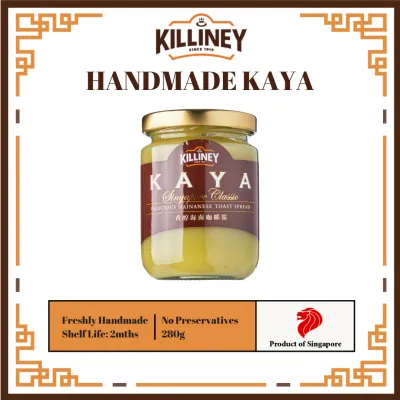
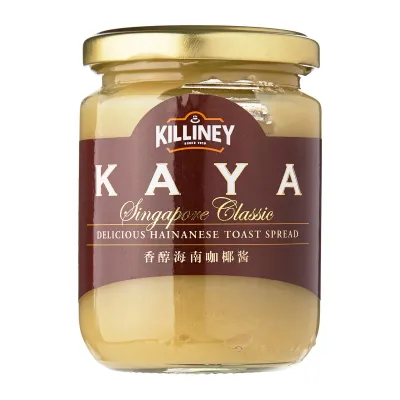
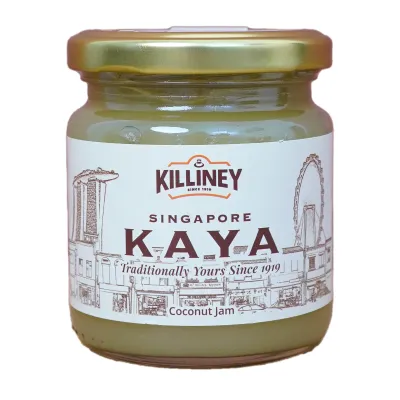
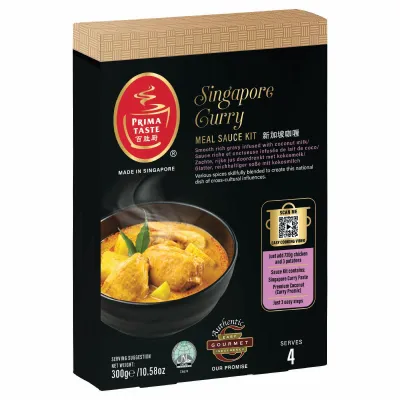
Food is central to Singapore’s identity, making culinary gifts highly appreciated by food lovers worldwide. Instead of standard supermarket items, look for curated gift sets containing artisanal tea blends infused with local flavors like pandan, orchid, or lemongrass. Premium traditional spreads, such as slow-cooked coconut jam (kaya), or pre-packaged spice pastes for classic dishes, offer a delicious way to experience local culture from afar.
Gifting consumables requires careful attention to logistics, safety, and compliance:
- Expiry Dates: Always check the production and expiration dates, ensuring the recipient has ample time to enjoy the product after your travels.
- Dietary Labels: Look for clear labeling regarding allergens, vegetarian status, or halal certification to accommodate the recipient's dietary needs.
- Travel-Safe Packaging: Select items housed in sturdy, airtight tins, double-sealed jars, or thick vacuum packaging. Avoid thin glass containers unless they are securely nestled in custom-molded foam or rigid gift boxes that prevent movement and leakage.
Personalize the consumable gift by wrapping the set in localized wrapping paper featuring hand-drawn illustrations of Singapore’s native flora. Attach a handwritten gift tag explaining the cultural significance of the flavors inside, perhaps including a simple recipe or serving suggestion to guide their culinary journey.
Modern Peranakan & Cultural Crafts
Modern Peranakan and cultural crafts beautifully bridge the gap between tradition and contemporary utility. Instead of purely decorative ornaments, look for functional home and office accessories. Ceramic coasters inspired by traditional majolica tiles, enamel pins depicting local street food, or woven desk organizers made from sustainable materials add a sophisticated touch of culture to any space.
High-quality cultural crafts should withstand daily use while maintaining their aesthetic appeal:
- Ceramics: Check for a smooth, even glaze without pinholes or cracks. A high-fired ceramic coaster should have a non-slip cork or felt backing to protect delicate desk surfaces from scratches.
- Enamel and Metalware: Inspect enamel pins and metal accessories for crisp color separation, smooth polished edges, and secure clasps.
- Woven Goods: Ensure that woven items have tight, uniform weaves with no loose fibers or fraying edges, indicating robust handcrafting techniques.
The key to a successful cultural gift is its ability to blend into diverse interior styles. Choose items with clean lines, balanced color palettes, and subtle cultural nods rather than loud, overwhelming designs. A minimalist desk tray with a subtle geometric pattern inspired by local architecture can sit comfortably in a modern corporate office or a cozy home study.
Where to Shop for Genuine Singapore Gifts
Sourcing authentic gifts is easiest when you visit curated retail spaces. Museum shops, such as those at the National Museum of Singapore or the National Gallery, are excellent destinations for high-quality, design-led souvenirs. Independent design boutiques and concept stores located in historic districts like Kampong Glam, Chinatown, and Katong offer a treasure trove of unique items crafted by local artisans.
If you prefer the convenience of online shopping, exercise caution to avoid counterfeit or mass-produced imitations on online marketplaces:
- Official Brand Stores: Purchase directly from the official websites of local designers or established heritage brands.
- Authorized Sellers: When using larger e-commerce platforms, verify that the seller is an authorized distributor. Look for official store badges and read customer reviews carefully, paying attention to photos of the actual packaging and product quality.
- Detailed Descriptions: Authentic sellers provide comprehensive product descriptions, including material specifications, origin details, and the story behind the design.
Many premium local boutiques and official online stores offer specialized gift-wrapping services. When purchasing, inquire about custom packaging options, such as branded gift boxes, tissue paper wrapping, or the inclusion of a printed personalized message. Utilizing these services ensures your souvenir arrives looking pristine and professionally presented.
Frequently Asked Questions (FAQ)
Can I bring food-based souvenirs through international customs? (FAQ)
Yes, but it depends heavily on the destination country’s specific agricultural and food import regulations. Most countries allow processed, shelf-stable items like tea, spices, and baked goods, but strictly regulate fresh fruits, meats, and dairy products. Always research the customs rules of the recipient’s country before purchasing. To ensure a smooth customs inspection, keep all food items in their original, unopened commercial packaging with clear, English-language ingredient lists and nutritional information.
How do I wrap fragile or oddly shaped local crafts for travel? (FAQ)
Protecting delicate souvenirs during transit requires a systematic wrapping approach. Start by wrapping the item in several layers of acid-free tissue paper to protect the surface finish, followed by a generous layer of bubble wrap secured with tape. For fragile items like ceramics or glassware, place the wrapped item inside a rigid gift box filled with biodegradable packing peanuts or crumpled paper to eliminate any internal movement. When packing your suitcase, position the boxed gift in the absolute center, surrounding it on all sides with soft clothing items like sweaters or towels to absorb external shocks and prevent crushing.
Community discussion
Share your experience or ask a question. Comments are reviewed before publication.