
Finding the perfect Singapore souvenir items involves balancing cultural authenticity with practical gifting considerations. A truly meaningful gift reflects the rich, multicultural heritage of Singapore—from its unique culinary traditions to its intricate Peranakan design motifs—while remaining easy to transport and preserve. Whether you are selecting premium local tea blends, traditional pastries, or beautifully crafted heritage stationery, the key is to look for items that tell a story of local craftsmanship and daily life. By focusing on quality materials, proper certifications, and thoughtful presentation, you can ensure your gifts from Singapore leave a lasting, positive impression on any recipient.
How to Choose Meaningful Singapore Souvenirs for Gifting
Mass-produced trinkets like plastic keychains or generic magnets are widely available in high-traffic tourist areas, but they rarely convey the true spirit of Singapore. Authentic souvenirs, on the other hand, showcase local artistry, traditional recipes, or historical narratives. When evaluating an item, look for details such as the designer’s background, the origin of the materials, and whether the product incorporates genuine local design elements like shophouse architecture or traditional batik patterns.
Tailoring your selection to the recipient’s lifestyle ensures the gift is appreciated rather than stored away. For culinary enthusiasts, premium local coffee blends or traditional spice pastes offer an authentic taste of Singapore’s diverse food culture. Corporate colleagues and professional contacts often appreciate high-quality heritage stationery, such as bound journals or elegant writing instruments, which are both functional and culturally expressive. Art lovers and collectors may prefer small-batch home accessories or hand-painted ceramics that highlight local craftsmanship.
Products mentioned in this guide


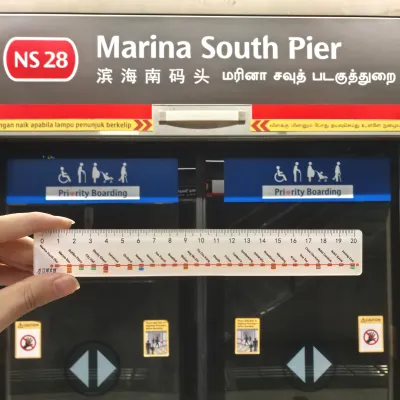
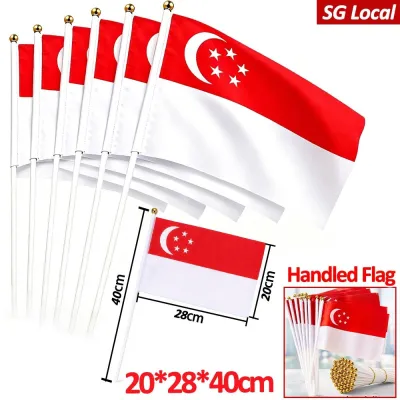
![[SG Ready Stock] Singapore National Flag Metal Enamel Lapel Pin Badge Brooch NDP National Day Souvenir Corporate Gift](https://img.lazcdn.com/g/p/0b067a69ab6b558de5d658db37435309.jpg_400x400q80.jpg_.webp)
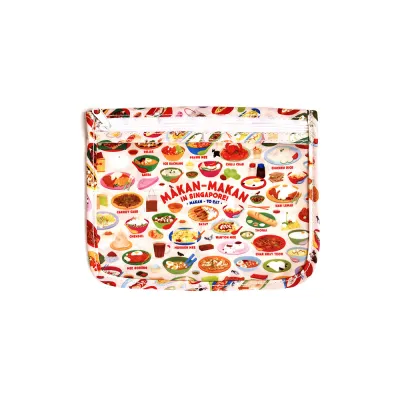
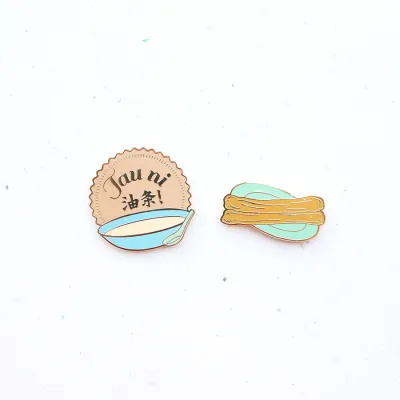
![[KW] 50 PCS Singapore Travel Stickers – Local Food Landmarks & Souvenir Aesthetic for Journals Luggage & Scrapbooks](https://img.lazcdn.com/g/p/79b5337100af060fc811202030202694.jpg_400x400q80.jpg_.webp)
Prices are valid at publication and may change. Please refer to the product page for the latest price.
Budget planning is another practical aspect of selecting souvenirs. Authentic gifts in Singapore span a wide price range, from affordable local snacks costing under S$10 to premium artisanal crafts and heritage stationery priced upwards of S$50. Establishing a budget beforehand helps narrow down your choices, ensuring you find high-quality items that align with your spending limits. When purchasing multiple gifts for corporate teams or large families, look for multi-pack options or smaller, beautifully packaged items that offer excellent value without compromising on cultural significance.
Before purchasing any souvenir, consider the logistics of international travel. Many countries enforce strict agricultural and biosecurity laws that restrict the import of fresh food, meat products, or certain plant-based items. Additionally, liquid items like local sauces or bottled beverages must comply with airline security limits for carry-on baggage or be packed securely within checked luggage. Checking the weight and dimensions of your purchases helps prevent unexpected baggage fees and ensures your gifts arrive intact.
Iconic Local Flavors and Edible Gifts
Singapore’s beverage heritage is rich and varied, spanning traditional coffee shop (kopitiam) brews to sophisticated, artisanal tea blends. Gift-ready packaging, such as ornate tin canisters or beautifully illustrated boxes, makes these items highly presentable without requiring extra wrapping. When choosing tea or coffee, look for blends that incorporate local flavors like pandan, coconut, or jasmine, which evoke the sensory experience of Singapore’s culinary landscape.

Traditional pastries, such as pandan chiffon cakes, pineapple tarts, and kueh lapis, are highly sought-after treats. However, these delicate baked goods often have a very short shelf life, sometimes lasting only a few days without preservatives. To transport them successfully, purchase them as close to your departure date as possible and carry them in your hand luggage to prevent crushing. Verify the storage instructions on the packaging, as some items require refrigeration to maintain freshness and texture.
Another popular edible option includes local spreads and condiments, such as kaya (coconut egg jam) or ready-to-cook laksa pastes. These items capture the distinct sweet and savory profiles of Singaporean cuisine, allowing recipients to recreate local dishes at home. When purchasing jars or bottles, verify that the seals are airtight and check the expiration dates, as artisanal or preservative-free versions may have shorter shelf lives. Ensure these liquid-based items are packed securely in your checked baggage to comply with airport security regulations.
Singapore is a diverse, multicultural society, and paying attention to dietary requirements is essential when gifting food. Look for official Halal certification marks on packaging to ensure the items are suitable for Muslim recipients. For vegetarian or vegan friends, check the ingredient list carefully for animal-derived gelatin, lard, or dairy products. Clear labeling of allergens, such as nuts, gluten, or eggs, is also crucial for ensuring the safety and comfort of your recipients.
Locally Crafted Goods and Heritage Stationery
For a lasting and practical gift, heritage-inspired stationery offers an exceptional connection to Singapore’s visual history. Notebooks, journals, and postcards featuring Peranakan tile patterns, historic shophouse facades, or local botanical illustrations serve as beautiful keepsakes. When selecting paper goods, verify the paper weight (measured in grams per square meter, or gsm) to ensure it resists ink feathering and bleed-through. A higher paper weight, such as 100 gsm or above, is generally preferred for fountain pen users and sketch enthusiasts.
To ensure the stationery is highly functional, check the binding style and cover materials. Lay-flat binding is ideal for comfortable writing, while durable hardcover options protect the pages during travel. If the recipient uses specific writing instruments, consider how the paper interacts with different ink types. For instance, smooth, coated papers prevent ink from spreading but may require longer drying times, whereas textured, uncoated papers offer a tactile writing experience but can absorb ink more quickly. Testing a small corner of the paper with a standard gel or ballpoint pen can help verify its drying speed and smoothness.
When selecting heritage notebooks, pay attention to standard dimensions and formats to ensure they fit your recipient’s daily routine. Common sizes like A5 or pocket-sized A6 are highly portable and versatile, making them excellent travel companions. Additionally, consider whether the notebook features ruled, dotted, or blank pages, as this determines its suitability for writing, bullet journaling, or sketching. Choosing a notebook with a refillable cover design allows the recipient to replace the inner paper booklet once filled, extending the lifespan of the beautiful heritage cover.
Modern Singaporean designers frequently create contemporary lifestyle products that blend traditional motifs with minimalist aesthetics. These items include canvas tote bags, enamel pins, and desk accessories that celebrate local slang, food culture, or urban landmarks. Choosing products from independent local design studios supports the creative community and ensures your gift is unique, modern, and far removed from generic tourist merchandise.
High-quality craftsmanship is the hallmark of a premium souvenir. Inspect the stitching on fabric items, the alignment of prints on paper goods, and the overall finish of ceramic or wooden pieces. Artisanal items should feel sturdy and well-made, with clear attention to detail in their construction. Opting for items with plastic-free packaging or sustainably sourced materials also adds value for environmentally conscious recipients.
Wrapping, Packing, and Mailing Your Gifts
Singapore’s warm, humid climate can affect certain souvenir items, particularly chocolates, delicate papers, and adhesive-bound stationery. When preparing gifts for transit, use moisture-resistant wrapping materials, such as wax paper or sealed plastic sleeves, to protect against humidity changes. For high-quality paper goods, acid-free tissue paper prevents yellowing and preserves the vibrant colors of printed designs over time.
Fragile souvenirs, such as ceramic cups, glass jars of local spreads, or delicate stationery, require robust protective layers. Wrap individual items in multiple layers of bubble wrap or corrugated paper sleeves to absorb shocks during travel. Place these items in the center of your suitcase, surrounded by soft clothing, to minimize movement. For paper goods, inserting a rigid cardboard backing inside the wrapping prevents corners from bending or creasing.
The presentation of your gift plays a significant role in the overall gifting experience. Utilizing wrapping paper with subtle local motifs or elegant, neutral tones can elevate the visual appeal of your souvenirs. If you are wrapping items yourself, secure the edges with high-quality adhesive tape and consider adding a personalized gift tag explaining the cultural significance of the item inside. For delicate paper goods, using a stiff envelope or a dedicated document folder prevents any bending or damage during transit, ensuring the gift arrives in pristine condition.
If you choose to mail your souvenirs directly to overseas recipients, familiarize yourself with international shipping regulations. Courier services and postal authorities have strict rules regarding liquids, perishable foods, and flammable items. Ensure all customs declaration forms are filled out accurately, detailing the contents and value of the package. Choosing a shipping service with tracking capabilities provides peace of mind and allows you to monitor the progress of your gift until it safely reaches its destination.
Frequently Asked Questions (FAQ)
Where is the best place to buy authentic souvenirs in Singapore?
Authentic souvenirs are best purchased from official brand boutiques, museum shops, and dedicated heritage districts like Chinatown, Kampong Gelam, or Katong. Museum gift shops often carry exclusive, high-quality stationery and design pieces that are curated for historical accuracy. Independent local boutiques and design markets are also excellent sources for unique, small-batch items. To avoid mass-produced imports, look for clear branding, designer information, and avoid shops that sell identical, generic trinkets in bulk.
Can I bring food souvenirs through international customs?
Whether you can bring food souvenirs into another country depends entirely on the destination’s customs regulations. Most countries strictly regulate or prohibit the entry of fresh fruits, vegetables, meat products (such as bak kwa or pork-based snacks), and dairy. Processed, shelf-stable items like sealed tea bags, roasted coffee beans, and commercially packaged cookies are generally easier to clear, but they must still be declared upon arrival. Always check the official customs website of the recipient’s country before purchasing edible gifts.

Community discussion
Share your experience or ask a question. Comments are reviewed before publication.