
Finding the right artist brushes in Singapore involves balancing your painting medium, current skill level, and budget. The local creative landscape offers a wide array of options, from budget-friendly student synthetics to premium, hand-crafted natural hair tools imported from Europe. Selecting the appropriate artist brushes tools can dramatically change your painting experience, affecting how paint flows onto your canvas or paper and how long your tools survive the tropical climate. For beginners, resilient synthetic lines from brands like Princeton or Daler-Rowney offer excellent forgiveness and value. Intermediate artists will find that transitioning to specialized synthetic blends from Winsor & Newton or Escoda elevates their control. Professional artists, who require maximum water retention, precise snap, and fine points, will find their match in investment-grade tools from Da Vinci, Rosemary & Co, or Escoda’s top-tier ranges.
How to Match Brush Materials to Your Paint Medium
Before diving into brand names, it is crucial to understand how different brush fibers interact with various paint mediums. Choosing the wrong combination can lead to ruined bristles, poor paint application, and wasted money.
Natural hair brushes, such as those made from Kolinsky sable, red sable, squirrel, or goat hair, are highly prized for watercolor and traditional oil painting. These natural fibers possess microscopic scales along the shaft that hold and release liquid in a smooth, controlled manner. Sable hair is particularly famous for its “snap”—the ability of the wet brush to spring back to a sharp point after a stroke.
Products mentioned in this guide
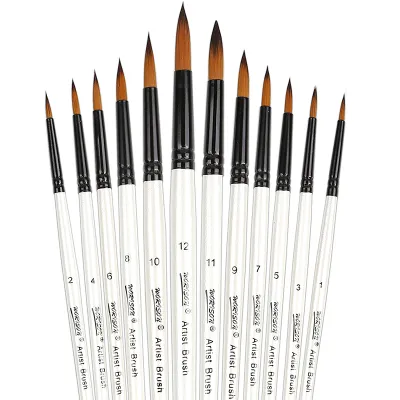
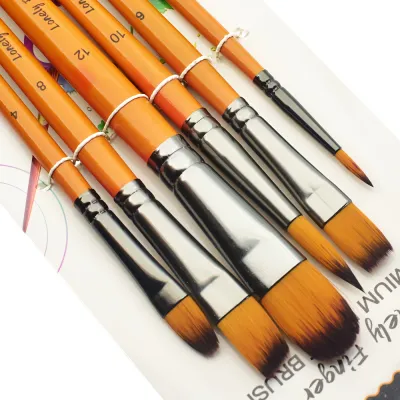
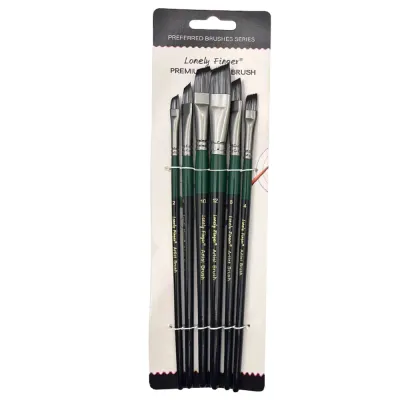
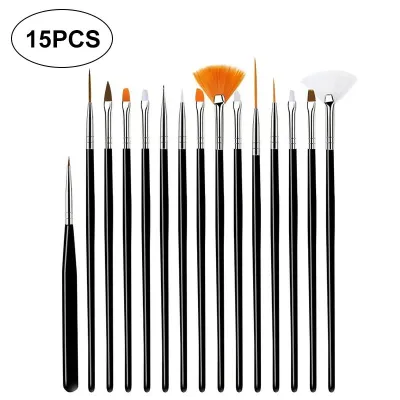
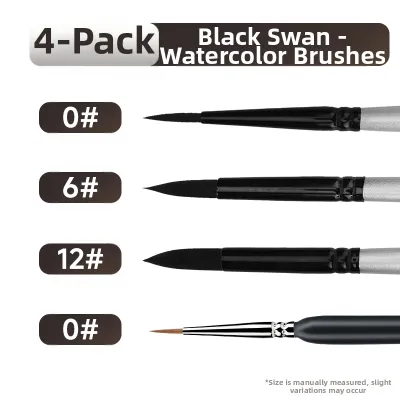
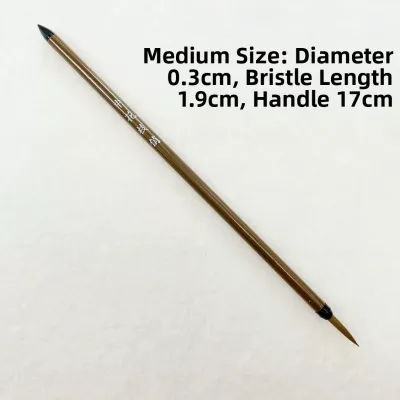
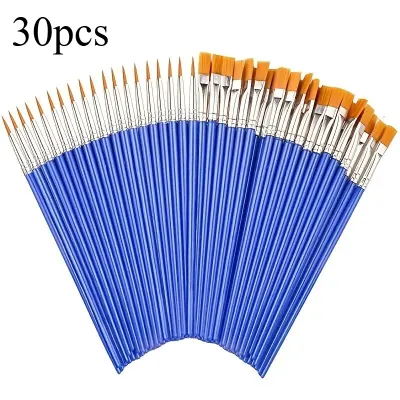
Prices are valid at publication and may change. Please refer to the product page for the latest price.
Conversely, synthetic fibers, typically made from nylon or polyester, are the preferred choice for acrylic paints. Acrylic paint is highly alkaline and dries into a tough plastic film. This chemical composition can quickly strip the natural oils from animal hair, causing the bristles to become brittle, split, and break. Synthetic fibers are engineered to withstand the harsh chemistry of acrylics and are much easier to clean when acrylic binder begins to dry near the ferrule.
Beyond fiber type, understanding basic brush shapes helps you build a functional toolkit. Round brushes are the most versatile, used for fine detail, line work, and broad washes depending on the pressure applied. Flat brushes, which have a square silhouette, are excellent for broad strokes, sharp edges, and blocking in large areas of color. Filbert brushes combine the characteristics of rounds and flats, featuring a flat shape with a curved tip that makes them ideal for blending, soft figurative work, and organic shapes.
When inspecting any brush in a local store, look for three key quality indicators. First, check the ferrule—the metal band connecting the hair to the handle. It should be seamless, securely crimped, and show absolutely no wobbling when you gently wiggle the handle. Second, assess the handle balance; the brush should feel comfortable and balanced in your hand, whether it is a short handle for close-up watercolor work or a long handle for easel painting. Finally, test the dry snap-back resilience by gently bending the bristles with your thumb; they should return to their original shape immediately without leaving stray, bent hairs behind.
Reliable Brush Brands for Beginners and Students
For those just starting their artistic journey, the primary goals are durability, ease of maintenance, and affordability. Student-grade artist brushes are specifically designed to withstand the typical mistakes of beginners, such as leaving brushes face-down in water cups, forgetting to clean paint out of the ferrule, or scrubbing aggressively on rough paper.

At this stage, high-quality synthetic brushes are far superior to cheap natural hair alternatives. Low-grade natural hair brushes often shed bristles constantly, leaving frustrating hairs embedded in your drying paint. Modern synthetic fibers, however, can mimic the performance of natural hair while remaining highly resilient to rough treatment and frequent washing.
Several globally recognized brands offer exceptional student-grade lines that are widely available in Singapore. The Princeton Select Artiste and Princeton RealValue series are highly recommended for their consistent quality and affordable price points. Daler-Rowney’s Graduate and System 3 ranges are also excellent choices, offering sturdy synthetic bristles that maintain their shape well through repeated use. Additionally, local art store house brands provide highly cost-effective options that perform reliably for classroom settings and casual hobbyists.
When shopping in this tier, look for value sets rather than individual purchases. These multi-packs usually contain a practical assortment of rounds, flats, and wash brushes, allowing you to experiment with different techniques without a massive financial commitment. A typical student-grade set in Singapore ranges from S$10 to S$25, while individual student brushes generally cost between S$3 and S$12.
However, it is important to manage your expectations regarding student-grade synthetics. While they are highly durable and easy to clean, they generally lack the fine, needle-like point retention and massive water-holding capacity of professional-grade natural hair brushes. They may require you to reload your brush with paint more frequently, and the tips will eventually curl or split after several months of heavy use on abrasive surfaces.
Mid-Range Brush Brands for Intermediate Artists
As your techniques develop, you will likely find that student-grade brushes begin to limit your progress. Intermediate artists should shift their buying strategy from purchasing large, basic sets to buying individual, purpose-specific brushes. Instead of owning dozens of mediocre tools, investing in three or four high-quality, mid-range brushes will immediately improve your control over paint flow and line precision.
In this mid-range tier, manufacturers focus on high-performance synthetic blends and natural-synthetic mixes. These hybrid brushes combine the durability and spring of synthetic fibers with the superior water absorption and paint-loading capacity of natural hair. They allow you to paint longer, smoother strokes without the brush running dry mid-way through a wash.
Winsor & Newton’s Cotman series is a legendary mid-range choice for watercolorists, known for its excellent spring and reliable blending capabilities. For oil and acrylic painters, Winsor & Newton’s University and Winton ranges offer great control and durability. Escoda’s intermediate ranges, such as the Escoda Prado (which uses a highly advanced synthetic Tame fiber that mimics sable) or the Escoda Chronos (a blend of natural red sable and synthetic fiber), are also highly respected among local artists for their exceptional point retention and responsiveness.
When upgrading, a smart buying strategy is to focus on your most-used shapes. For instance, instead of buying a whole new set, invest in one premium size 6 or 8 round brush and a high-quality 1/2-inch flat brush. To test these brushes before committing, dip the brush in water at the store’s testing station if available. A high-quality intermediate brush should instantly form a perfect, sharp point or a clean, razor-sharp chisel edge when wet, with no stray fibers splitting away from the main bundle. Expect to spend between S$12 and S$30 per brush in this category, a price point that offers a significant jump in performance without breaking the bank.
Investment-Grade Brush Brands for Professionals
For professional artists, illustrators, and serious hobbyists whose work demands absolute precision, consistency, and longevity, investment-grade brushes are essential. These tools are often handcrafted by master brushmakers using premium materials, offering unparalleled control over paint application.
In the professional tier, natural hair specialties reign supreme for specific mediums. Pure Kolinsky Sable, sourced from the winter coat of the male Kolinsky weasel, is the ultimate material for watercolor painting. It possesses an extraordinary ability to hold a massive reservoir of water while maintaining a needle-sharp point and delivering a perfect, springy “snap” with every stroke. For oil painters executing heavy impasto techniques, premium Chungking hog bristle brushes are unmatched. These stiff, natural bristles feature split ends (called “flags”) that hold large amounts of thick paint and push it effortlessly across heavily textured canvases.
For artists who prefer ethical alternatives or require high-performance tools for acrylic painting, manufacturers have developed premium synthetic lines. Brushes like the Da Vinci Casaneo (which mimics extra-soft squirrel hair) or the Princeton Aqua Elite (which replicates Kolinsky sable) offer incredible water-carrying capacity and durability without using animal products.
Several elite makers stand out in this professional category. Escoda’s Reserva and Optimo lines are world-renowned for their handcrafted quality and triple-crimping process, which ensures the ferrule never comes loose. Da Vinci’s Maestro series represents the pinnacle of German brushmaking, offering exquisite Kolinsky sable rounds that can last for decades with proper care. Rosemary & Co, a family-run British brand, has gained a massive following in Singapore for its exceptional quality-to-price ratio, particularly their Ivory synthetic series for oils and acrylics and their Series 33 Kolinsky sables. Isabey is another historic French brand highly regarded for its luxurious watercolor mops and wash brushes.
Investing in this tier requires a commitment to proper maintenance. These brushes can cost anywhere from S$40 to over S$150 for a single brush in Singapore. Because of this high cost, professional brushes must be cleaned thoroughly after every session, reshaped while damp, and stored carefully to protect the delicate bristle shapes. Furthermore, due to the high value of these premium lines, it is vital to verify authentic sourcing through authorized distributors to avoid counterfeit products, which often substitute cheap, dyed horsehair or low-grade synthetics for genuine Kolinsky sable.
Where to Buy Authentic Artist Brushes in Singapore
Sourcing genuine, high-quality artist brushes in Singapore requires knowing where to look, both in physical stores and online. Because brushes are highly tactile tools, visiting a brick-and-mortar retailer is highly recommended, especially when purchasing mid-range or professional-grade items.
Physical art supply stores in Singapore provide the invaluable opportunity to handle the brushes before buying. You can physically test the weight and balance of the handle, inspect the seamlessness of the ferrule, and check the dry snap-back of the bristles. Bras Basah Complex is the historic heart of Singapore’s art supply scene, housing legendary stores like Art Friend and Straits Art Co. Art Friend offers a massive, well-organized inventory of student and intermediate brands, including Princeton and Daler-Rowney, along with their own budget-friendly house brands. Straits Art Co is highly favored by intermediate and professional painters, stocking premium, hard-to-find brands like Escoda, Da Vinci, and Isabey, alongside expert advice from knowledgeable staff. Overjoyed, located in the central district, is another excellent modern retail space that carries a curated selection of high-quality watercolor and mixed-media brushes.
When navigating e-commerce platforms and online marketplaces, extra caution is required to avoid counterfeit products. Suspiciously cheap listings—such as a set of six “genuine Kolinsky sable” brushes priced at S$15—are almost certainly low-quality dyed synthetics. To ensure authenticity, always check if the online storefront is an authorized distributor for the brand. Look for high seller ratings, read customer reviews detailing the brush’s performance, and verify that the product photos show genuine brand markings and serial numbers stamped on the handles.
If you are ordering specialty or niche professional brands from overseas online marketplaces, pay close attention to shipping conditions and return policies. Singapore’s tropical climate, characterized by high humidity and temperatures, poses unique storage challenges. Brushes trapped in airtight plastic packaging during long international shipping transits can sometimes trap moisture, leading to mold growth on natural hair or the weakening of the water-soluble glues used in wooden handles. Choose sellers who package their brushes with breathable wrapping and protective plastic mesh caps over the brush heads to prevent the bristles from bending during transit.
Frequently Asked Questions (FAQ)
How do I clean and store natural hair brushes to make them last?
To protect your investment in natural hair brushes, establish a gentle and consistent cleaning routine. Immediately after your painting session, rinse the brush thoroughly in lukewarm water. Never use hot water, as it can melt the adhesive inside the ferrule, causing the brush to shed its hair. Clean the bristles using a mild, specialized brush soap, such as The Masters Brush Cleaner & Preserver, which contains conditioning agents that keep natural hair from drying out. Avoid harsh household dish detergents, as they strip the natural oils from the fibers. Gently massage the soap into the damp bristles, rinse until the water runs completely clear, and carefully reshape the brush head into its original point using your fingers. Store the brushes horizontally on a flat surface, such as a clean dry towel or a breathable bamboo brush roll, to prevent water from seeping back into the ferrule. Warning: Never leave your brushes resting face-down in a water jar or cup. Doing so will permanently bend and ruin the bristle shape, crack the protective lacquer on the wooden handle, and dissolve the glue holding the hair bundle inside the ferrule.
Are expensive natural hair brushes worth it for acrylic painting?
No, expensive natural hair brushes are generally a poor investment for acrylic painting and should be avoided. Acrylic paint consists of pigment suspended in an acrylic polymer emulsion, which is highly alkaline and dries rapidly into a water-resistant plastic film. This chemical environment is incredibly harsh on delicate natural animal hairs, stripping away their natural moisture and causing them to become brittle, split, and break. Furthermore, if acrylic paint dries even slightly near the base of the ferrule, removing it requires aggressive cleaning or solvents that will quickly ruin natural fibers. For acrylic painting, your money is much better spent on premium synthetic brushes. High-end synthetic brushes are specifically engineered with durable polyester or nylon fibers that offer excellent spring, maintain their shape under heavy use, and can easily withstand the alkaline nature of acrylic mediums and the frequent, vigorous cleaning they require.
Community discussion
Share your experience or ask a question. Comments are reviewed before publication.