
Using waterproof label maker stickers in Singapore is highly practical, but standard options often fall short when subjected to the island’s relentless tropical climate. While standard “waterproof” labels easily survive occasional kitchen splashes, enduring persistent relative humidity—which frequently exceeds 80%—and outdoor exposure requires specific material compositions and adhesive properties. To achieve long-term durability, you must look beyond the generic “waterproof” marketing label and evaluate the underlying plastic polymers, adhesive formulations, and printing technologies.
Surviving Singapore’s environment requires distinguishing between simple water resistance and true weatherproofing. Water resistance protects against indoor spills and quick rinses, whereas weatherproofing protects against intense ultraviolet (UV) radiation, high ambient heat, and constant moisture. Choosing the correct label material and preparing the surface properly are mandatory steps to prevent your labels from peeling, fading, or bubbling within a few months.
How High Humidity and Heat Impact Label Performance
Moisture and Adhesive Breakdown
Singapore’s high relative humidity acts as a constant stressor on adhesive bonds. Many standard label maker tapes use water-based adhesives that gradually soften and lose their grip when exposed to persistent ambient moisture. Over time, this moisture penetration causes the edges of the label to lift, curl, and eventually detach from the surface.
Products mentioned in this guide
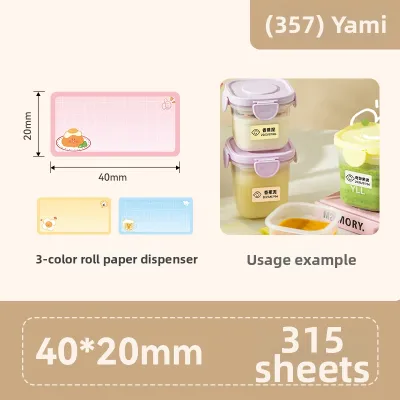
Prices are valid at publication and may change. Please refer to the product page for the latest price.
The challenge intensifies when labeled items move between different microclimates. Transitioning an item from a cold, air-conditioned indoor office (typically 20°C to 22°C) to the warm, humid outdoor environment (often exceeding 30°C) triggers rapid condensation. This temperature drop causes moisture to collect directly on the label surface and creep underneath the edges, creating micro-moisture traps that degrade the adhesive bond much faster than constant indoor exposure.
UV Exposure and Thermal Degradation
Direct sunlight and high surface temperatures present a severe challenge for outdoor labeling in Singapore. Standard plastic labels, such as those made from cheap synthetic blends, undergo photodegradation when exposed to intense UV radiation. This solar energy breaks down the polymer chains within the plastic, causing the label backing to become brittle, yellow, and eventually crack under physical contact.
Furthermore, high surface temperatures—which can easily exceed 40°C on exposed metal mailboxes, utility meters, or bicycle frames—can cause standard rubber-based adhesives to melt or turn into a sticky, sliding residue. To prevent structural failure and ensure the label remains firmly attached, outdoor applications strictly require UV-stabilized materials and heat-resistant adhesives rather than basic waterproof alternatives.
Decoding "Waterproof" Specifications for Label Makers
Material Composition
When selecting label tapes, the choice of substrate material determines how well the sticker resists environmental degradation. Polyester (PET) and vinyl (polyvinyl chloride) are the gold standards for durability and weather resistance. These materials are highly stable, stretch-resistant, and do not absorb moisture, making them ideal for both high-humidity indoor areas and fully exposed outdoor settings.

In contrast, treated paper or basic polypropylene (BOPP) labels offer limited protection. While they may carry a “waterproof” label due to a thin plastic topcoat, they remain susceptible to water penetration along the cut edges. Once moisture seeps into the paper core, the label warps, wrinkles, and tears easily. Always verify the manufacturer’s material specifications on the packaging rather than relying on broad marketing claims.
Adhesive Formulations
The adhesive layer is just as critical as the face material. Standard label tapes often utilize rubber-based adhesives because they are highly flexible and bond quickly to various surfaces. However, these adhesives degrade rapidly under high temperatures and humidity, losing their cohesive strength and sliding off the surface.
For demanding tropical environments, look for labels featuring permanent acrylic adhesives. Acrylic formulations offer superior resistance to UV light, moisture, and thermal fluctuations. They cure into a highly stable, cross-linked polymer bond that resists lifting even when subjected to heavy rain, steam, or direct sunlight.
Print Technology and Ink Smudging
A durable sticker backing is useless if the printed text fades away. Direct thermal printing, which uses heat-sensitive paper to create images without ink, is highly unsuitable for Singapore’s climate. Exposure to solar heat and UV rays will cause the entire label to turn black or fade completely within a few weeks.
To ensure legible text, opt for thermal transfer printing or laminated thermal printing. Thermal transfer systems use a heated printhead to melt a durable resin or wax-resin ribbon directly onto the polyester or vinyl substrate, creating a smudge-proof, chemical-resistant print. Laminated thermal printing, common in high-quality label makers, sandwiches the printed text between two protective layers of polyester film, shielding the ink from friction, moisture, and UV exposure.
Indoor vs. Outdoor Application Scenarios
High-Humidity Indoor Areas
Indoor environments in Singapore present distinct moisture challenges, particularly in kitchens, bathrooms, and laundry areas. Laminated polyester labels perform exceptionally well on spice jars, shampoo bottles, and storage bins, resisting regular exposure to steam, soapy water, and frequent handling. They can also withstand the low temperatures and condensation cycles of refrigerators and freezers without peeling.
However, applying these labels in air-conditioned spaces requires careful attention. If you apply a label to a cold surface that has already developed a thin layer of condensation, the adhesive will fail to bond properly. Always ensure the item is brought to room temperature and thoroughly dried before application to guarantee a secure, long-lasting seal.
Sheltered vs. Exposed Outdoor Areas
Sheltered outdoor areas, such as HDB corridors, covered mailboxes, shoe cabinets, and sheltered plant pots, protect labels from direct rain and the harshest midday sun. In these semi-protected environments, standard laminated polyester labels typically offer reliable service for several years, as they are shielded from direct UV degradation.
Fully exposed outdoor areas, such as garden beds, outdoor bins, exposed signage, and vehicle bumpers, require heavy-duty materials. For these applications, only UV-rated, industrial-grade vinyl labels paired with permanent acrylic adhesives will survive long-term. These heavy-duty options are specifically engineered to withstand torrential tropical downpours, high UV indexes, and extreme surface heat without cracking or fading.
Application and Maintenance Best Practices
To maximize the lifespan of your waterproof labels in Singapore’s challenging climate, follow these precise application and care steps:
- Prepare the Surface: Clean the application surface thoroughly using isopropyl alcohol or a mild degreaser to remove all traces of oil, dust, fingerprint grease, and moisture. Avoid using household glass cleaners, as they often leave a thin residue that prevents proper adhesive bonding.
- Dry Completely: Ensure the surface is entirely dry. Even a microscopic layer of humidity trapped under the label can prevent the adhesive from curing and lead to early edge lifting.
- Apply Firmly: Apply the label at room temperature, pressing firmly from the center outward to the edges. Use a plastic smoothing tool or a soft cloth to eliminate air bubbles and ensure 100% contact between the adhesive and the surface.
- Allow Curing Time: Give the adhesive time to build a strong bond. While the label may feel secure immediately, let the adhesive cure for 24 to 72 hours before exposing the item to water, heavy condensation, or direct sunlight.
- Clean Gently: When washing labeled items, use mild dish soap and a soft sponge. Avoid abrasive scrubbing pads, steel wool, or harsh chemical solvents like acetone, which can damage the protective laminate, dissolve the adhesive edges, or degrade the printed text.
Note: Before applying any adhesive, label, or cleaning solvent, check the manufacturer’s care instructions for both the label tape and the treated item to avoid surface damage. Perform a spot test on an inconspicuous area first.
Frequently Asked Questions (FAQ)
Can I use standard label maker tape outdoors if I put clear tape over it?
Using clear household tape as a protective overlayer is not recommended for outdoor use. Standard clear tapes are not UV-stabilized; they quickly turn yellow, become brittle, and crack under direct sunlight. Furthermore, moisture easily penetrates the edges of standard tape, trapping water underneath and accelerating the degradation of both the underlying label and its print.
Do waterproof labels leave residue when removed in hot weather?
Yes, high-performance waterproof labels with permanent acrylic adhesives often leave a sticky residue when removed, especially after prolonged exposure to heat and humidity. To clean the surface safely, gently peel away as much of the label as possible, then apply a small amount of isopropyl alcohol or a dedicated adhesive remover. Use a plastic scraper to lift the remaining residue, and always perform a spot test on an inconspicuous area first to ensure the solvent does not damage the underlying material.

Community discussion
Share your experience or ask a question. Comments are reviewed before publication.