
A Singapore five cent coin can make a surprisingly thoughtful and highly memorable souvenir gift, but its success depends entirely on how you present it and who receives it. At its face value of just S$0.05, it carries virtually no purchasing power on its own, meaning it cannot serve as a traditional standalone present. However, when viewed as a pocket-sized piece of cultural art, it becomes an incredibly lightweight, affordable, and deeply symbolic keepsake.
To make this tiny coin a successful token of your travels, you must understand its design heritage, match it to the right recipient, and package it with deliberate care. When presented thoughtfully, it ceases to be mere loose change and instead becomes a tangible connection to Singapore’s rich history and modern identity.
Understanding the Cultural and Design Significance
To appreciate the value of a Singapore five cent coin as a gift, you must first understand the cultural and architectural stories embedded in its metal. The coins currently circulating in Singapore belong to the Third Series, which was introduced by the Monetary Authority of Singapore in 2013. The reverse side of the current five-cent coin features a detailed engraving of the Esplanade – Theatres on the Bay, one of Singapore’s most recognizable architectural landmarks.
Products mentioned in this guide
Prices are valid at publication and may change. Please refer to the product page for the latest price.
Affectionately known to locals as “the Durian” due to its unique spiked twin domes, the Esplanade represents Singapore’s vibrant performing arts scene and its transformation into a global cultural hub. The obverse side of the coin displays the National Coat of Arms, featuring a lion and a tiger supporting a shield, with the national motto “Majulah Singapura” (Onward Singapore) emblazoned on a scroll below.
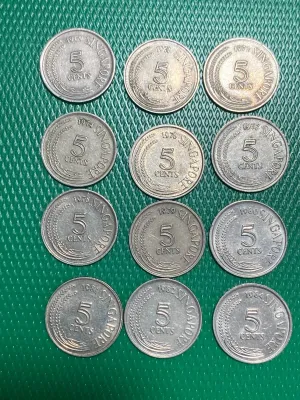
If you happen to find older coins in your change, they may belong to the Second Series, which circulated widely from 1985 to 2013. These older five-cent coins feature the coconut palm, a classic representation of the region’s lush tropical flora and its coastal heritage.
Sharing these design details with your recipient adds an immense amount of intangible value to the gift. By explaining the significance of the Esplanade or the symbolism of the coconut palm, you transform a common piece of currency into a pocket-sized historical marker. It allows your recipient to hold a physical piece of Singapore’s urban landscape and natural history in the palm of their hand.
Evaluating Perceived Value and Gift Appropriateness
Gifting low-denomination currency presents a unique set of advantages and potential friction points that you must carefully evaluate before sharing them. The primary advantage of using a five-cent coin as a keepsake is its absolute portability. For travelers managing tight luggage weight limits or backpacking across multiple regions, carrying a dozen small coins is completely effortless.

Furthermore, circulating currency is an authentic piece of local life. Unlike mass-produced plastic keychains or generic magnets found in tourist souvenir shops, a circulating coin has actually passed through the hands of Singaporeans, making it a genuine artifact of daily commerce. Because it has no significant monetary value, it also carries no social burden; your recipient will not feel the awkward pressure or obligation to return an expensive gesture.
However, the inherent risk of gifting a five-cent coin is that it can easily be perceived as cheap, thoughtless, or lazy if given without context. Handing someone a bare, loose coin can feel like you are simply emptying your pockets of unwanted change.
To manage expectations, you must evaluate the relationship dynamic and the context of the exchange. A five-cent coin is highly appropriate for casual acquaintances, colleagues, or classmates who appreciate unique travel tokens. It is not suitable as a primary gift for close family members or individuals expecting a substantial present, unless it is integrated into a larger, more curated collection of travel mementos.
Who Are the Best Recipients for a 5-Cent Coin Gift?
Matching the coin to the right audience is crucial to ensuring your gift is well-received and appreciated. Different groups of people will view the coin through entirely different lenses.
Numismatists and Casual Collectors
Coin collectors and numismatic enthusiasts value coins for their physical condition, minting year, and series rather than their nominal face value. A standard, heavily scratched coin pulled from daily circulation will hold little appeal for a serious collector.
If you are gifting to a collector, make a conscious effort to source uncirculated or exceptionally clean specimens. You can verify the quality of the coin by inspecting it under bright light to check for a strong, even metallic luster, sharp details on the Esplanade’s spiked domes, and an absence of deep scratches or tarnish.
Children and Students
For younger recipients, foreign currency holds a natural, almost magical appeal. The distinct golden hue of the brass-plated steel and the unfamiliar symbols on the Singapore five cent coin can spark immediate curiosity about global geography and world cultures.
It serves as an excellent, tactile educational tool. Children can trace the designs, ask questions about where Singapore is located on a map, and learn about the different languages represented on the nation’s currency.
Large Groups and Acquaintances
When you return from a trip, finding affordable, lightweight gifts for a large group of colleagues, classmates, or casual acquaintances can be a major logistical challenge. Buying individual premium souvenirs quickly becomes financially burdensome and difficult to pack.
In this scenario, the five-cent coin serves as a perfect symbolic token. It allows you to share a small piece of your travel experience with everyone in a uniform, fair manner without overspending or cluttering your luggage.
How to Elevate a 5-Cent Coin into a Meaningful Souvenir
The key to transforming a five-cent coin from loose change into a meaningful keepsake lies entirely in your presentation and packaging. By utilizing high-quality stationery and protective materials, you can visually signal to your recipient that the coin is a deliberate, valued souvenir.
First, protect the coin’s physical appearance. Place it inside a small, clear acrylic coin capsule or an archival-safe, acid-free plastic sleeve. This not only keeps the coin clean and free from fingerprints but also immediately elevates its status to that of a collectible item.
When selecting a coin capsule, verify the exact dimensions of the coin series you are gifting. The Third Series five-cent coin has a diameter of 18.0 mm, while the older Second Series coin is slightly smaller at 16.75 mm. Choosing a capsule with the correct inner diameter ensures a snug fit and prevents the coin from rattling or sustaining edge wear.
Next, select the right paper and envelopes to house your gift. A standard, flimsy paper envelope can easily tear under the weight of a coin. Instead, choose a small, thick kraft envelope or a heavy-weight cardstock card (ideally 250 gsm or higher) to provide structural support.
When preparing your handwritten note, pay close attention to ink and paper compatibility to ensure a clean, professional finish. Smooth, coated cardstocks can cause some gel pens or fountain pen inks to smudge or bleed. Because smoothness, bleed resistance, and drying speed depend entirely on the specific combination of your pen’s ink type (such as gel, oil-based, or water-based) and the cardstock’s surface finish, you should perform a simple test write on a scrap piece of the same paper first. Check if the ink feathers, bleeds through to the back, or smudges when lightly rubbed after five seconds. Use a reliable, quick-drying fine-liner or ballpoint pen to write a brief explanation of the Esplanade landmark featured on the coin.
To create an even more impressive presentation, you can assemble a mini “Singapore Discovery” kit. Mount the coin capsule onto a beautifully illustrated local postcard using a removable, acid-free adhesive dot, ensuring the adhesive does not leave a residue on the coin or tear the postcard’s paper fibers. You can package this card inside a matching envelope alongside a locally designed sticker or a small piece of traditional candy, creating a curated, multi-sensory gift.
When to Choose Alternative Singapore Souvenirs Instead
There are certain scenarios where a five-cent coin is simply not the appropriate choice. If you are gifting to close family members, business partners, or hosts who have provided significant hospitality, a low-value coin can appear disrespectful or inadequate.
In these situations, you should opt for alternative Singaporean souvenirs that offer higher utility or a more premium feel. For those who appreciate fine stationery, look for high-quality notebooks featuring traditional Peranakan shophouse motifs, or curated washi tapes decorated with illustrations of local hawker foods. These items combine practical utility with distinct local charm.
For food and beverage lovers, specialty local tea blends—such as orchid, pandan, or bak kut teh inspired teas—offer a sophisticated taste of the region. If you still wish to gift currency but need a more prestigious option, you can purchase official, uncirculated commemorative coin sets or proof sets directly from the Singapore Mint or authorized local distributors. Always verify the availability, current retail pricing, and store locations before planning your purchase to ensure a smooth shopping experience.
Frequently Asked Questions (FAQ)
Can tourists use Singapore 5-cent coins for daily purchases?
Yes, the Singapore 5-cent coin is legal tender and can be used for daily transactions across the country. However, under the Monetary Authority of Singapore’s currency regulations, there are specific limits on coin usage to prevent inconvenience to merchants. You can use a maximum of 20 coins per denomination per transaction, meaning you cannot pay for a large bill entirely in five-cent coins. While they are widely accepted, their low individual purchasing power means they are best used for exact change at hawker centers, wet markets, or local convenience stores.
Are there special commemorative 5-cent coins available in Singapore?
While the Monetary Authority of Singapore regularly issues special commemorative coins to celebrate major national milestones, these are rarely minted in the 5-cent denomination. Most official commemorative issues are produced in higher denominations, such as S$2, S$5, or S$10, and are often crafted from precious metals like silver or gold. For a unique five-cent coin, collectors typically search for well-preserved specimens from the older Second Series (featuring the coconut palm) or specific low-mintage years rather than looking for dedicated commemorative editions. You can verify official releases and authorized purchasing channels directly through the Singapore Mint.
Community discussion
Share your experience or ask a question. Comments are reviewed before publication.