
Choosing the right angpow (red packet) size depends entirely on what you intend to place inside, whether it is crisp, unfolded cash, folded notes, gift cards, coins, or small keepsakes. While long envelopes are ideal for keeping banknotes flat and pristine, smaller pocket and square sizes offer compact alternatives for folded currency and minor tokens. Selecting the correct fit ensures your gift is presented beautifully and securely during festive seasons, weddings, and family milestones.
Common Angpow Sizes and Their Typical Uses
Angpows are available in several distinct shapes and sizes, each tailored to different gifting customs and contents. Understanding these baseline categories makes it much easier to select the right stationery for your needs.
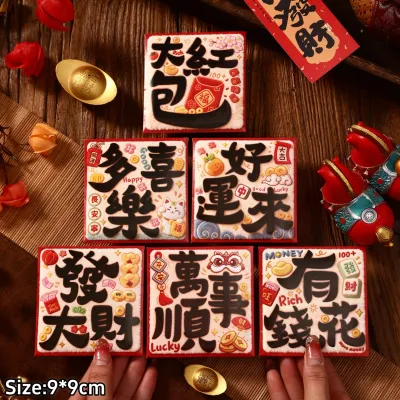
Standard square envelopes are highly traditional and compact. They are designed to hold folded banknotes and are easy to distribute during large family gatherings. Because of their symmetrical shape, they offer a classic aesthetic but have limited internal volume.
Products mentioned in this guide
Prices are valid at publication and may change. Please refer to the product page for the latest price.
Mini or pocket envelopes are the smallest common variety available. These are highly portable and fit easily into a pocket or a small handbag. They are best suited for single folded notes, small coins, or symbolic tokens, making them a popular choice for casual gifting or when distributing small blessings to children.
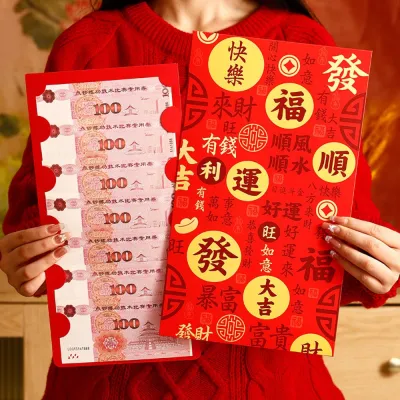
Long or extended rectangular envelopes are designed to hold banknotes completely flat without any folding. This format is widely preferred for formal occasions, such as weddings or major birthdays, where the presentation of pristine, crisp currency is highly valued. The elongated shape also provides a larger canvas for intricate artistic designs, gold foil stamping, and elaborate illustrations.
When shopping for red packets, keep in mind that decorative elements can reduce the actual usable space inside. Embossed borders, thick glued seams, and elaborate closures often eat into the internal dimensions. It is always wise to check the physical measurements printed on the product packaging or use a ruler to measure the inner clearance if you are purchasing them in person at a local stationery store.
Matching Specific Contents to Envelope Dimensions
To ensure your gift presents well and remains secure, you must match the physical properties of your contents to the structural limits of the envelope.

Banknotes: Folded vs. Unfolded Cash
The choice between using folded or unfolded cash is often a matter of presentation and etiquette. Crisp, brand-new banknotes, such as the new notes commonly exchanged during festive seasons in Singapore, are best presented completely flat. For these notes, long or extended rectangular envelopes are essential, as folding a brand-new note defeats the purpose of obtaining crisp currency.
Conversely, circulated or older banknotes can be folded neatly to fit into standard square or mini pocket envelopes. However, you must carefully consider the thickness of the stack. Gifting multiple banknotes inside a single envelope increases the bulk significantly. A thick stack of folded notes can easily split the side seams of a small pocket envelope. If you plan to gift a larger sum using multiple notes, opt for a long envelope or select a design made from highly flexible, durable paper to handle the volume safely.
Coins, Gift Cards, and Small Keepsakes
Non-paper contents present unique physical challenges that require careful envelope selection.
Gift cards: Standard credit-card-sized gift cards or vouchers have rigid plastic or cardboard structures. Placing them in an envelope that is too tight will cause the corners to stretch the paper, creating unsightly wear or even puncturing the seams. Ensure the envelope has sufficient internal width and is made of rigid, high-gsm paper to prevent the card from bending or showing through.
Coins: Gifting coins or commemorative medallions adds concentrated weight and bulk. Large, thin paper envelopes are highly susceptible to tearing under this localized weight. Instead, smaller, sturdier pocket envelopes are much more suitable, as they keep the coins tightly contained and reduce shifting.
Small keepsakes: Items like gold jewelry, baby charms, or small jade pendants require extra care. These items have depth and irregular shapes. Choose an envelope with a secure closure mechanism and adequate depth to prevent the items from creating awkward bulges or slipping out of the sides.
Paper Weight and Closure Specs You Should Check
Beyond external dimensions, other critical stationery specifications affect the envelope’s durability, security, and overall quality.
The weight of the paper, often measured in grams per square meter (gsm), directly impacts how the envelope handles heavier contents. For coins, gift cards, or thick stacks of banknotes, look for premium cardstock or heavy textured paper. Thicker paper not only prevents tearing but also ensures that the contents remain completely obscured from view, maintaining privacy.
Closure mechanisms also play a vital role in security. Traditional angpows rely on a simple tuck-in flap, which is convenient but offers limited security for heavy or bulky items. For more secure gifting, look for envelopes featuring adhesive sticker seals or self-adhesive strips. Some high-end, reusable fabric or premium paper designs even use magnetic buttons or delicate cord clasps.
When evaluating products in-store, physically test the stiffness of the paper by gently flexing it. Look closely at the seams to ensure they are reinforced with strong adhesive. If buying online, read the product descriptions carefully to verify the paper weight and closure type before making your purchase.
Frequently Asked Questions (FAQ)
Can I fit a standard cheque inside a regular angpow?
Standard bank cheques are typically longer and taller than standard banknotes, meaning they will not fit flat inside a regular square or mini pocket angpow. To avoid folding or damaging important financial documents, check the exact dimensions of the cheque against the envelope’s internal width. It is highly recommended to use a long, extended rectangular angpow specifically designed for unfolded documents to ensure the cheque remains pristine.
How do I prevent coins from tearing the envelope?
To prevent coins from tearing through paper, avoid thin, high-gloss envelopes and opt instead for thick cardstock, textured paper, or envelopes with reinforced seams. You can also wrap the coins in a small piece of tissue paper or place them inside a small fabric pouch before inserting them. This simple step distributes the weight evenly, muffles the metallic clinking sound, and protects the paper from sharp coin edges.
Community discussion
Share your experience or ask a question. Comments are reviewed before publication.